
Every gardener dreams of rich, dark soil that grows strong, healthy plants. But the native soil in many yards is often compacted, rocky, and low in nutrients. Simply digging a hole and hoping for the best rarely leads to the lush garden or lawn you envision. The secret to transforming your space lies in improving the soil itself. For anyone wondering what is screened dirt and why it’s so important for gardening, the answer is simple: it creates the perfect environment for roots to thrive. This filtered topsoil is free of obstructions, allowing roots to spread out easily while improving drainage and aeration. This article will show you how using high-quality screened dirt can make all the difference in achieving a vibrant, productive garden.
Key Takeaways
- Screened Dirt Creates a Superior Foundation: This soil is filtered to remove rocks and debris, resulting in a consistent material that improves drainage, gives plant roots room to grow, and provides a smooth, easy-to-work-with surface for any project.
- Use the Right Dirt for the Right Job: Choose fine, screened topsoil for projects where quality matters, like garden beds, new lawns, or a level base for a patio. Opt for less expensive, unscreened dirt only for large, rough fill jobs where texture is not a priority.
- Proper Application Ensures the Best Results: To get the most out of your material, always clear the site of weeds and debris, apply the dirt to the correct depth for your project, and blend it with the existing soil to create a healthy, stable base.
What is Screened Dirt?
If you’ve ever tried to plant a garden or level a patch of your yard, you know the frustration of hitting rocks, roots, and clumps of clay. Screened dirt is the simple solution to that problem. It’s topsoil that has been sifted, or “screened,” through a mesh to remove all that unwanted debris. The process separates the fine, usable soil from larger materials like stones, sticks, and roots, leaving you with a smooth, consistent product that’s easy to work with.
Think of it as the premium version of regular dirt. This refined material is perfect for a wide range of landscaping and construction projects where quality and consistency matter. Whether you’re establishing a new lawn, building raised garden beds, or grading an area for a new patio, using screened dirt creates an ideal foundation. When you arrange for a black dirt delivery, you’re getting a product that has been carefully processed to give your project the best possible start. It saves you the time and back-breaking work of clearing the soil yourself, ensuring you have a clean slate to build upon.
How the Screening Process Works
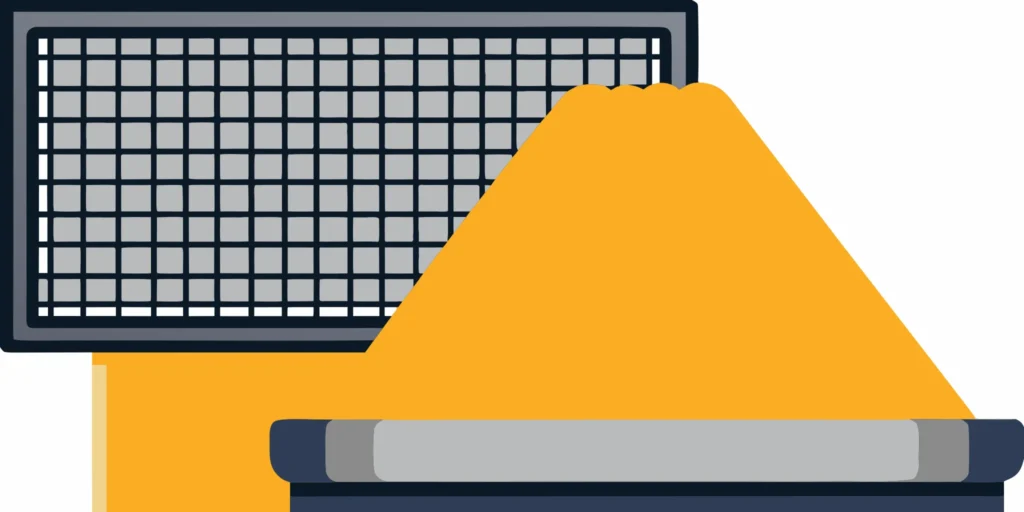
The screening process is straightforward but highly effective. It involves feeding raw topsoil into a large piece of equipment called a screener. This machine uses a vibrating mesh screen, similar to a giant sieve, to separate the materials. As the soil moves across the screen, the fine dirt particles fall through, while larger rocks, roots, and other debris are left behind and discarded. This mechanical sifting ensures that the final product is uniform in texture and free of any large objects that could interfere with your project. The result is a consistent, easy-to-spread material that provides excellent stability for planting or construction.
What Makes for High-Quality Screened Dirt?
High-quality screened dirt is easy to spot once you know what to look for. It should have a fine, smooth texture that feels loose and crumbly in your hands, not dense or compacted. Visually, it will be free of any noticeable rocks, sticks, or garbage. A rich, dark color often indicates that the soil is full of organic matter and nutrients, which are essential for healthy plant growth. This superior texture also allows for better water drainage and air circulation around plant roots, preventing rot and encouraging strong development. When you invest in quality screened dirt, you’re not just buying soil; you’re buying a better environment for your lawn and garden to thrive.
Why Use Screened Dirt for Your Project?
When you’re starting a new landscaping or construction project, the type of dirt you choose might seem like a minor detail. But the truth is, it’s the foundation for everything that comes after. Opting for screened dirt is one of the smartest moves you can make to ensure your project not only looks great but also stands the test of time. It’s about more than just getting soil without big rocks; it’s about creating the ideal environment for whatever you’re building or growing.
Screened dirt has been processed through a mesh screen to remove rocks, roots, clay clumps, and other debris. This leaves you with a fine, uniform material that’s a dream to work with. Whether you’re laying a new lawn, planting a garden, or grading a site for a new patio, using screened dirt sets you up for success from the ground up. It improves soil health, gives plants the best chance to thrive, and makes the physical work of your project much easier. Let’s look at exactly why this simple choice can make such a big difference.
Create Healthier Soil with Better Drainage
One of the biggest advantages of screened dirt is its ability to improve soil structure and drainage. When soil is full of rocks and dense clumps, water can’t move through it effectively. This leads to pooling on the surface or waterlogged roots, which can be a death sentence for many plants. The screening process creates a consistent, loose texture that allows water to drain properly while still retaining the right amount of moisture. This balanced environment prevents root rot and ensures that air can circulate through the soil, which is just as important as water for healthy plant growth. Using a quality black dirt delivery service ensures you get perfectly screened material every time.
Give Your Plants Room to Grow
Imagine trying to run a race full of hurdles. That’s what it’s like for plant roots trying to grow in unscreened soil. Rocks, compacted clay, and old roots are all obstacles that can stunt growth. Screened dirt removes these barriers, creating a clear path for roots to spread out and establish themselves. This easy access allows them to absorb essential nutrients and water more efficiently, leading to stronger, healthier plants. Whether you’re planting a vegetable garden, laying sod for a new lawn, or adding flower beds, the uniform texture of screened topsoil provides the perfect growing medium for vigorous and abundant growth.
Enjoy a Smoother, Debris-Free Work Surface
Anyone who has ever tried to level a patch of ground filled with rocks and debris knows how frustrating it can be. Screened dirt eliminates this headache entirely. Because it’s free of large objects and clumps, it’s incredibly easy to spread, rake, and grade. This creates a smooth, even surface that’s perfect for all kinds of applications, from backfilling a foundation to creating a level base for a walkway or patio. The consistent texture not only saves you from back-breaking labor but also gives your project a more professional and polished finish. You can spend less time fighting with the material and more time getting the job done right.
Save Time and Effort on Installation
Your time is valuable, whether you’re a homeowner working on a weekend project or a contractor on a tight schedule. Using screened dirt is a simple way to make your installation process much more efficient. You won’t have to waste time sifting through the soil yourself or stopping to pull out rocks and roots as you work. The material is ready to go as soon as it’s delivered. This means you can get to spreading and grading right away, helping your project stay on track. To make things even easier, you can use a cubic yardage calculator to figure out exactly how much material you need, preventing waste and saving you from last-minute runs for more dirt.
Screened vs. Unscreened Dirt: What’s the Difference?
When you’re planning a project, you might hear the terms “screened” and “unscreened” dirt and wonder if it really matters which one you choose. The answer is a definite yes. While both come from the earth, they are processed differently and serve very different purposes. Think of it like the difference between using all-purpose flour and whole wheat flour in a recipe; the one you pick will have a big impact on your final result.
Unscreened dirt is essentially raw material, taken straight from the ground with all its rocks, roots, and clumps included. Screened dirt, on the other hand, goes through a refining process to create a consistent, high-quality product. Understanding the key differences in texture, performance, and cost will help you select the right material, ensuring your landscaping or construction project is a success from the ground up. Choosing the correct type of dirt not only makes the work easier but also sets the stage for better long-term results, whether you’re growing a lush lawn or building a stable foundation.
A Look at Texture and Consistency
The most immediate difference you’ll notice between screened and unscreened dirt is the texture. Screened dirt has been passed through a mesh screen to filter out debris like rocks, sticks, roots, and large clumps of clay. The result is a fine, smooth, and uniform material that’s easy to shovel, spread, and work with. This consistency is exactly what you want for projects that require a clean finish.
Unscreened dirt is the complete opposite. It’s lumpy, unpredictable, and contains all the natural debris from its source. While this isn’t necessarily a bad thing for certain applications, it makes the material much harder to work with for detailed landscaping tasks. When you need a reliable, high-quality material, our black dirt delivery provides that smooth, consistent texture your project deserves.
Which Performs Better for Landscaping?
For most landscaping projects, screened dirt is the clear winner. Its fine texture provides an ideal environment for new seeds and young plant roots to grow without obstruction. It promotes better drainage and aeration, which are crucial for a healthy lawn or garden. Screened dirt is perfect for topdressing a lawn, filling in garden beds, or creating a smooth grade for a new patio.
Unscreened dirt is best used for rough fill jobs. If you need to fill a large hole, build up a low-lying area, or create a base for a retaining wall that won’t be visible, unscreened dirt is a practical choice. It’s a bulk material for tasks where soil quality and texture aren’t the main priority. For precision work, our skid steer services can help you grade and prepare any area perfectly before you lay down your topsoil.
Comparing Cost and Long-Term Value
It’s no surprise that screened dirt comes with a higher price tag. The extra step of processing it through a screen adds to the labor and equipment costs. Because of this, unscreened dirt is the more budget-friendly option upfront. However, it’s important to think about the long-term value and the total cost of your project.
While you might save money initially with unscreened dirt, you could end up spending more time and effort removing rocks and debris by hand. For gardens and lawns, the poor soil quality could lead to lackluster results and the need for more amendments later on. Investing in screened dirt often pays for itself in saved labor and superior, lasting results. You can use a cubic yardage calculator to estimate your material needs and see how the costs compare for your specific project.
The Best Uses for Screened Dirt
Screened dirt is one of the most versatile materials you can have on a job site or in your backyard. Its smooth, rock-free consistency makes it the perfect foundation for a wide range of projects. Whether you’re a contractor prepping a construction site or a homeowner finally starting that dream garden, screened dirt provides a reliable base to build upon. Let’s look at some of the most effective ways to put this material to work.
Building Lush Garden Beds
If you dream of a thriving garden, starting with the right soil is non-negotiable. Screened dirt is ideal for creating fertile garden beds because it provides the nutrients and structure plants need for healthy growth. Its fine, uniform texture is free of rocks, roots, and other debris, which means your plants’ roots can spread out easily without fighting for space. This also ensures even water distribution and prevents dry pockets in the soil. By using a high-quality black dirt delivery, you give your vegetables, flowers, and shrubs the best possible start for a productive season.
Laying the Groundwork for a New Lawn
A beautiful, even lawn starts with a perfectly prepared surface. Screened topsoil is the best choice for planting new grass seed because it creates a smooth, level, and rock-free surface for germination. Spreading seed over lumpy, debris-filled soil leads to patchy growth and an uneven finish. With screened dirt, you get a clean slate that makes it easy to rake the seed in for good soil contact. This smooth foundation not only helps your lawn get established but also makes mowing easier down the road, preventing bumps that can scalp the grass and damage your mower.
Grading and Prepping for Foundations
For construction and major landscaping projects, proper grading is essential for stability and drainage. Screened fill dirt is an excellent material for backfilling foundations and grading land surfaces before you build. Because it’s free of large rocks and organic matter, it compacts evenly, creating a solid, stable base without hidden voids that could settle later. This predictability is crucial for supporting structures, driveways, or sheds. Using professional skid steer services to spread and compact screened dirt ensures your project starts on a firm, reliable footing that will last for years.
Creating a Level Base for Patios and Walkways
Nothing ruins the look of a new patio or walkway faster than shifting, uneven pavers. The secret to long-lasting hardscaping is a solid base, and that’s where screened dirt comes in. It’s used to create a smooth, compactable layer that provides stability and promotes proper drainage. A level base is much easier to achieve when you aren’t fighting against rocks and clumps. This ensures your pavers or stones lie flat and stay put, preventing tripping hazards and water pooling. For many projects, a layer of screened dirt followed by a layer of sand creates the perfect foundation for a beautiful, durable patio.
How to Apply Screened Dirt the Right Way
Getting your hands on high-quality screened dirt is the first step, but applying it correctly is what truly sets your project up for success. Whether you’re building a garden, laying a new lawn, or grading your property, a little technique goes a long way. Following a few simple steps for preparation, application, and blending will ensure you get the most out of your material. This process helps create a stable, healthy foundation that will support your landscaping or construction goals for years to come. Let’s walk through how to do it right.
Prepare Your Site for Success
Before your dirt delivery arrives, take some time to prep the area. Start by clearing away any existing weeds, grass, large rocks, or other debris. This gives you a clean slate and prevents unwanted growth from popping up later. Next, you’ll want to level the ground as much as possible. For larger jobs like grading a yard or prepping for a foundation, professional skid steer services can save you a ton of time and effort. Proper site prep ensures the screened dirt can do its job effectively, whether you’re amending garden soil or creating a perfectly smooth surface for your next project.
Get the Application Depth Just Right
Once your site is ready, it’s time to spread the screened dirt. The ideal depth depends entirely on your project. For a new garden bed or to enrich poor soil, a layer between two and eight inches is usually perfect. A shallower layer works for topdressing a lawn, while a deeper base might be needed for leveling a significant slope. It’s important not to guess how much material you’ll need. Using a cubic yardage calculator will help you order the right amount, saving you from last-minute runs for more dirt or having a huge pile left over.
Blend It with Your Existing Soil
Simply dumping new dirt on top of old, compacted ground isn’t the best approach. To create a healthy, seamless environment for plant roots, you need to blend the new screened dirt with your existing soil. Use a tiller, garden fork, or spade to work the new material into the top few inches of the old ground. This process breaks up compacted earth, improves aeration, and ensures water and nutrients can move freely between the layers. This step is especially important when you’re using rich black dirt to improve the quality of your garden or lawn, as it helps integrate those nutrients where they’re needed most.
Water and Let It Settle
The final step is to give your newly applied dirt a good, thorough watering. This does more than just hydrate the soil; it helps the dirt settle naturally, filling in any hidden air pockets. You want the soil to be moist, not a muddy swamp, so apply water evenly until it starts to soak in. After watering, it’s a good idea to let the area rest for a day or two before you start planting or building. This allows the dirt to settle completely, so you can spot any low spots that might need a little topping off.
How to Choose the Best Screened Dirt
Knowing what to look for is the key to getting high-quality material that will make your project a success. Not all screened dirt is created equal, so a little homework goes a long way in ensuring you get the best foundation for your lawn, garden, or construction project. From spotting the signs of quality to finding a reliable local partner, here’s how to make the right choice.
Spotting the Signs of Quality Dirt
High-quality screened dirt should look and feel rich and consistent. The first thing to check is its texture. It should be fine and loose, without large, hard clumps of clay. Sift it through your fingers; you shouldn’t find rocks, roots, sticks, or other debris. This clean, uniform consistency is the direct result of a thorough screening process. The color is another great indicator. Look for a dark, rich brown or black hue, which usually signals a high concentration of organic matter. This is the good stuff that provides essential nutrients for plants. A quality black dirt delivery will give your garden or lawn the healthy base it needs to thrive.
Find a Trusted Supplier in Minnesota
Your project’s success often depends on the quality of your materials, so finding a supplier you can count on is crucial. A trustworthy supplier will be transparent about their products. Don’t hesitate to ask where their dirt comes from and what their screening process involves. They should be able to explain the composition of their soil and help you choose the right blend for your specific needs, whether it’s for a vegetable garden or for grading. Look for a company with a solid reputation for reliable, on-time delivery and consistent product quality. A dependable partner ensures you get what you paid for, right when you need it, keeping your project on track.
Common Screened Dirt Myths, Busted
One of the biggest myths is that “dirt is just dirt,” and that using cheaper, unscreened soil is a smart way to save money. While unscreened dirt has its place in large-scale filling or leveling projects where quality isn’t the top priority, it’s not suitable for gardens or lawns. Using it for planting means you’ll be spending hours picking out rocks and debris, and your plants will struggle in the compacted, nutrient-poor soil. Screened dirt is specifically processed to create an ideal environment for growth. By investing in quality material upfront, you save yourself time, labor, and the frustration of poor results down the line. You can even use a cubic yardage calculator to ensure you order the perfect amount.
Start Your Project with the Right Foundation
Think of screened dirt as the essential first step for any successful outdoor project. It’s easy to focus on the final touches, like the plants or pavers, but the material you lay down first determines the longevity and health of everything that follows. Choosing high-quality, screened soil isn’t just an extra expense; it’s an investment in a stable, reliable base that prevents future problems like uneven settling, poor drainage, and struggling plants. Getting this part right from the beginning saves you time, money, and a lot of frustration down the road.
Whether you’re creating a vibrant garden or preparing a site for construction, the uniformity of screened dirt provides the consistency you need. For landscaping, its debris-free texture creates optimal conditions for root growth and ensures your plants get the nutrients they need to thrive. For hardscaping and foundations, the screening process is what gives you a dependable, stable surface. This controlled compaction is key for preventing shifts and cracks in patios, walkways, and other structures, ensuring your hard work lasts for years.
Every project has its own unique demands. A flourishing vegetable garden requires a different soil composition than the base for a new driveway. That’s why it’s so important to match the material to your specific goals. If you’re aiming for a lush lawn or rich garden beds, our Black Dirt Delivery service provides the nutrient-dense, screened topsoil your plants will love. Taking the time to select the right foundation ensures your project not only looks great on day one but continues to perform well season after season.
Before you break ground, take a moment to plan your material needs accurately. Proper planning helps you get the right amount of dirt delivered, keeping your project on schedule and within budget. A great way to start is by figuring out exactly how much material you’ll require. You can use a Cubic Yardage Calculator to get a precise estimate, so you can order with confidence and set your project up for a smooth and successful start.
Related Articles
- Black Dirt Delivery Minnesota | Premium Screened Topsoil
- Your Guide to Hiring a Yard Grading Contractor – Minnesota Aggregates
- The Ultimate Guide to the Best Soil for a Vegetable Garden – Minnesota Aggregates
- A Guide to Professional Yard Grading Services – Minnesota Aggregates
- What is Land Grading & Why Does It Matter? – Minnesota Aggregates
Frequently Asked Questions
Is screened dirt the same thing as garden soil or potting mix? That’s a great question. While they seem similar, they serve different purposes. Screened dirt is an excellent base material for building garden beds or leveling lawns. Think of it as the perfect blank canvas. Garden soil and potting mixes, on the other hand, are often pre-amended with things like compost, peat moss, or fertilizer to create a specific growing environment, especially for containers. You can absolutely use our screened black dirt as a foundation and add your own amendments to create a custom garden soil.
Can I just spread screened dirt over my existing grass to fix a patchy lawn? While it might seem like a quick fix, just dumping new soil on top of old grass isn’t the best strategy. This can smother the existing turf and create a layered effect that prevents roots from growing deep. For the best results, you should first address the cause of the patchiness, then prepare the area by removing the dead grass and loosening the compacted ground. After that, applying a thin layer of screened dirt will create a perfect seedbed for new grass to grow and blend seamlessly with your lawn.
When would I ever choose unscreened dirt over screened dirt? Unscreened dirt definitely has its place, but it’s for very specific jobs. It’s the right choice when you need to fill a large, deep hole or build up a significant area where the final surface quality doesn’t matter. For example, if you’re raising the grade of a section of your property before covering it with several inches of high-quality topsoil, unscreened dirt is a cost-effective way to add bulk. For any project where you’ll be planting or need a smooth, workable surface, screened dirt is always the better investment.
How deep should I apply screened dirt for a new garden or lawn? The ideal depth really depends on your project. If you’re topdressing an existing lawn to even it out, a light layer of a half-inch to an inch is plenty. For establishing a brand new lawn from seed or sod, you’ll want a solid base of at least two to four inches. When you’re building new garden beds from scratch, giving your plants a generous six to eight inches of rich, screened dirt will provide ample room for their roots to thrive.
Besides being rock-free, what makes your black dirt a better choice? The screening process is crucial for getting that smooth, easy-to-work-with texture, but the quality of the soil itself is just as important. Our black dirt is valued for its rich, dark color, which indicates it’s full of organic matter and essential nutrients. This natural fertility provides a healthier environment for plants, promoting stronger root systems and more vigorous growth compared to lighter-colored soils that may be less nutrient-dense. You’re not just getting clean dirt; you’re getting a foundation that will actively help your lawn and garden flourish.