
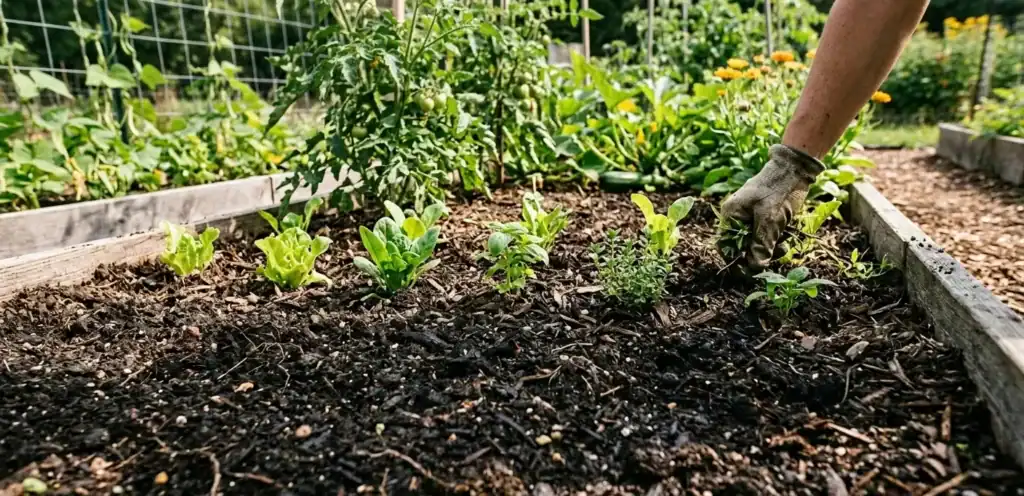
Have you ever felt like your garden was working against you? You water diligently and pull every weed, yet your vegetables look lackluster and the harvest is disappointing. More often than not, the hidden culprit is the soil. It’s easy to overlook what’s happening beneath the surface, but the health of your soil directly determines the success of your plants. The secret isn’t about finding some magical dirt; it’s about creating a balanced ecosystem right under your feet. Whether you’re starting with heavy clay or loose sand, you have the power to transform it. We’ll show you how to diagnose common issues and build the best soil for a vegetable garden, turning your frustrating patch of ground into a thriving, productive oasis.
Key Takeaways
- Focus on the fundamentals: Great garden soil needs a balanced texture for root growth, proper drainage, and plenty of nutrients. The simplest way to improve all three areas is by consistently adding organic matter like compost or rich black dirt.
- Know your starting point: Instead of guessing, use a simple soil test to learn your soil’s pH and nutrient levels. This is the most effective way to choose the right amendments and solve problems like poor growth or drainage.
- Build your soil season after season: Creating fertile soil is an ongoing process, not a one-time fix. Establish a simple routine of adding a fresh layer of compost each spring and fall to consistently replenish nutrients and improve its structure for the long haul.
What Makes Great Garden Soil?
Think of great garden soil as the foundation of a healthy home for your plants. It’s more than just dirt; it’s a complex, living environment that provides structure, water, air, and nutrients for your vegetables to thrive. When your soil is in top shape, your plants are stronger, more productive, and better able to fend off pests and diseases. You’ll also find yourself watering less and spending more time enjoying the fruits (and veggies) of your labor.
But what exactly does “great soil” mean? It’s not about finding some magical, perfect dirt. It’s about creating a balanced ecosystem right under your feet. The good news is that you don’t have to be a soil scientist to get it right. With a little knowledge, you can transform almost any patch of ground into a fertile vegetable paradise. The secret to amazing garden soil lies in three key areas: its texture and structure, its ability to manage water, and the nutrients it contains. Getting these three elements right is the first and most important step toward a successful garden. Whether you’re starting with heavy clay that feels like pottery or loose sand that slips through your fingers, you can improve your soil to create the perfect growing medium. Let’s look at what makes up the ideal soil for your vegetable garden.
Texture and Structure
The texture of your soil refers to its mix of sand, silt, and clay particles. The ideal garden soil, often called “loam,” has a balanced combination of all three. This creates a wonderful, crumbly structure that’s easy to work with. You want soil that holds its shape when you squeeze it but falls apart easily when you poke it. This structure is crucial because it allows plant roots to spread out effortlessly in search of water and nutrients. It also creates small pockets for air, which roots need to breathe. While loamy soil is the goal, don’t worry if your native soil is mostly clay or sand—you can definitely work with it to build a better foundation for your garden.
The Balance of Drainage and Moisture
Great soil performs a delicate balancing act: it needs to hold enough moisture for your plants to drink while also draining well enough to prevent their roots from drowning. Soil with too much clay holds onto water, leaving roots sitting in soggy conditions, which can lead to rot. On the other hand, sandy soil lets water run right through, meaning your plants can dry out quickly, and valuable nutrients get washed away. Adding coarse sand can help break up heavy clay and improve airflow and drainage. The perfect soil acts like a sponge, soaking up water and holding it for roots to access, while letting the excess drain away freely. This balance ensures your plants stay perfectly hydrated without being waterlogged.
Nutrients and Organic Matter
Just like us, plants need food to grow, and they get their nutrition from the soil. The best way to feed your plants is by feeding your soil with plenty of organic matter. This includes materials like compost, aged manure, and shredded leaves. Adding organic matter does wonders: it slowly releases essential nutrients, improves soil structure, helps retain moisture, and supports a healthy ecosystem of beneficial microbes. A fantastic starting point for raised beds or amending garden soil is a mix of quality topsoil, compost, and something for drainage. Using a rich black dirt as your topsoil base gives your garden a powerful head start with plenty of built-in organic material and nutrients.
Why Soil pH Matters (And How to Test It)
Think of soil pH as the gatekeeper for all the nutrients your plants need. It’s a scale from 0 to 14 that measures how acidic or alkaline your soil is. A pH of 7 is neutral, anything below is acidic, and anything above is alkaline. If the pH is too far in either direction, it essentially locks up the nutrients in the soil, making them unavailable to your plants—no matter how much compost or fertilizer you add.
Getting the pH right is one of the most important steps to creating a thriving garden. When your soil’s pH is in the ideal range, your vegetables can easily absorb the essential nutrients they need for strong roots, lush leaves, and a bountiful harvest. It’s the foundation for everything else you do in your garden. Starting with a high-quality, balanced material like screened black dirt can give you a great head start, but it’s still wise to test and understand your specific soil conditions.
The Best pH Range for Veggies
So, what’s the magic number? Most vegetables are happiest in soil that is slightly acidic to neutral, with a pH between 6.0 and 7.0. This range is the sweet spot where crucial nutrients like nitrogen, phosphorus, and potassium are most readily available for plants to absorb. If your soil is too acidic (low pH) or too alkaline (high pH), your plants might show signs of nutrient deficiencies, like yellowing leaves or stunted growth, even if the nutrients are present in the soil. Aiming for this ideal pH range sets your garden up for success from the very beginning.
Easy At-Home Soil Testing Methods
You don’t have to guess your soil’s pH. Finding out is simple and one of the smartest things you can do for your garden. You can buy an inexpensive soil test kit from any garden center or online. These kits are straightforward and give you a quick reading of your soil’s pH and sometimes even key nutrient levels. Taking a few minutes to test your soil provides the critical information you need to make smart decisions about what to add to your garden beds, saving you time and money on amendments you might not even need.
How to Adjust pH Levels Naturally
Once you know your soil’s pH, you can easily adjust it. If your soil is too acidic (a common issue in many areas), you can raise the pH by adding lime. If your soil is too alkaline, you can lower the pH by incorporating elemental sulfur or organic matter like peat moss. Adding compost is another fantastic way to help buffer your soil’s pH, moving it toward a more neutral level over time while also improving its structure and fertility. The goal is to make small, gradual adjustments to create a stable and healthy environment for your plants to flourish.
Create the Right Soil Mix for Your Garden Type
The secret to a thriving vegetable garden isn’t just one perfect soil recipe—it’s about creating the right foundation for where you’re planting. Whether you’re working with raised beds, an in-ground plot, or containers, each setup has unique needs. Getting the soil mix right from the start gives your plants the best chance to grow strong and produce a fantastic harvest. Let’s break down how to build the ideal soil for your specific garden type.
Perfecting Your Raised Bed Mix
For raised beds, you’re essentially creating a brand-new ecosystem, so getting the blend right is key. A fantastic, all-purpose mix is 40% topsoil, 40% compost, and 20% coarse sand. This combination provides the structure your plants’ roots need to anchor themselves, the rich nutrients from the compost to feed them, and the drainage from the sand to prevent waterlogged roots. Using a high-quality black dirt for your topsoil component gives you a great start. This DIY approach is often more affordable than buying bags of pre-mixed soil, and it only gets better as the organic matter breaks down over time.
Amending Your In-Ground Garden
When you’re planting directly in the ground, your goal is to improve the soil you already have. Most native Minnesota soils can be improved with a little help. Start by spreading a two- to three-inch layer of compost or other rich organic matter over the surface of your garden plot. Then, work it into the top six to eight inches of soil with a tiller or a garden fork. This simple step infuses the ground with vital nutrients, improves its structure, and helps with water retention. For an extra dose of organic material, consider mixing in some quality black dirt to enrich your existing soil.
What Your Container Garden Needs
Container gardening requires a completely different approach. Never use soil straight from your yard in pots or planters. It’s too heavy and will quickly become compacted, leading to poor drainage and suffocated roots. Instead, you need a lightweight and airy potting mix. You can buy pre-made mixes or create your own. A popular and effective DIY blend combines equal parts compost, vermiculite, and peat moss. This mix holds onto moisture without becoming waterlogged, providing the perfect environment for healthy root growth in a confined space. This ensures your container veggies have the best possible start.
Choose the Best Amendments for Your Garden
Once you understand your soil’s starting point, you can begin improving it with amendments. Think of amendments as ingredients you add to your soil to enhance its physical properties, like texture, water retention, and drainage. The right additions can turn heavy clay into a workable loam or give sandy soil the substance it needs to hold moisture and nutrients. It’s all about creating a balanced environment where your vegetable roots can thrive.
How to Add Compost the Right Way
Compost is the single best ingredient for a healthy vegetable garden. It’s packed with nutrients, improves soil structure, and feeds the beneficial microbes that make your garden ecosystem work. Whether you buy it or make it yourself, adding compost is a must. A great starting point is to spread a one- to two-inch layer over your garden beds each year in the spring or fall. You can gently work it into the top few inches of soil or simply leave it as a top dressing. For a nutrient-rich foundation, you can also incorporate high-quality black dirt, which is full of the organic matter your plants will love.
Improve Drainage with Sand and Aggregates
If you’re dealing with heavy, compacted clay soil that stays soggy after it rains, improving drainage is key. Plant roots need oxygen as much as they need water, and poor drainage can suffocate them. Adding coarse sand is an effective way to create small air pockets in the soil, allowing water to move through more freely. This is especially important when creating a custom mix for raised garden beds. When you need to lighten your soil, a reliable sand delivery can provide the perfect material to mix in with your compost and topsoil, creating a balanced and well-draining foundation for your vegetables.
Explore Other Organic Matter Options
Compost is fantastic, but it’s not the only way to add life-giving organic matter to your soil. Simple materials like shredded fall leaves, grass clippings (from a lawn that hasn’t been treated with chemicals), and aged manure can also work wonders. As these materials break down, they release nutrients slowly and improve your soil’s ability to hold both air and water. You can make your own compost by layering these “green” and “brown” materials in a pile or bin. Consistently adding different types of organic matter is the best long-term strategy for building rich, fertile soil that gets better every single year.
How to Improve Your Soil Over Time
Think of your garden soil as a long-term relationship. It gets better with consistent care and attention, not just a single grand gesture. Building incredible soil doesn’t happen overnight, but the good news is that it’s not complicated. By adopting a few simple, ongoing practices, you can transform your garden bed into a rich, fertile foundation that supports healthy, productive plants for years to come.
The key is to continuously feed your soil what it needs to thrive. This means regularly adding organic matter, protecting it from the elements with cover crops, and following a simple seasonal routine. These habits work together to create a resilient soil ecosystem that retains moisture, provides essential nutrients, and develops a perfect crumbly structure. Over time, you’ll find yourself working less and harvesting more, all because you invested in the health of your soil from the ground up.
Add Organic Matter Effectively
Adding organic matter is the single best thing you can do for your garden. It’s the secret ingredient that makes good soil great. For sandy soils that drain too quickly, organic matter acts like a sponge, helping it hold onto water and nutrients. In heavy clay soil, it works to separate the dense particles, improving drainage and aeration so roots can breathe. It’s a universal problem-solver for almost any soil type.
The most effective way to do this is by spreading a one- to two-inch layer of compost or high-quality black dirt over your garden beds. You can do this in the spring before planting or in the fall after you’ve cleared out old plants. There’s no need for aggressive tilling; just lay it on top and let worms and microorganisms do the work of mixing it in for you.
Use Cover Crops and Green Manures
Cover crops are a gardener’s best friend for off-season soil building. These are fast-growing plants, like clover, winter rye, or vetch, that you sow in the fall after your vegetable harvest is complete. Instead of leaving your garden beds bare and exposed to Minnesota’s harsh winters, cover crops create a living blanket that protects the soil from erosion caused by wind and rain.
In the spring, you simply chop the plants down and turn them into the soil a few weeks before you plan to plant your vegetables. As they decompose, they release a fresh supply of nitrogen and other valuable nutrients right where your new plants need them. This practice, often called “green manure,” is an amazing way to increase organic matter and improve your soil’s ability to hold water.
Follow a Seasonal Soil Care Routine
Creating a simple, repeatable routine is the easiest way to stay on top of your soil’s health. You don’t need to do everything at once. Just focus on a few key tasks each spring and fall to keep your garden in top shape. This consistent care ensures your soil is always improving, season after season.
In the spring, your main job is to prepare the beds for planting. Gently rake the surface and top it with a fresh one-inch layer of compost or rich topsoil. In the fall, after you’ve pulled out your spent vegetable plants, it’s time to put the garden to bed. Add another layer of organic matter, like shredded leaves or more compost, and plant your cover crops. This simple two-step seasonal cycle will build a deep, nutrient-rich foundation for your garden.
Fix Common Soil Problems
Even the most experienced gardeners run into soil issues from time to time. It can be incredibly frustrating when you’ve done everything right—consistent watering, diligent weeding, and careful planting—only to see your vegetables struggle. The good news is that most common garden problems are completely fixable, and they usually start from the ground up. Whether your soil is as hard as a rock, stays soggy long after a light rain, or just doesn’t seem to support healthy plants, there are straightforward solutions.
Think of yourself as a soil detective. By learning to spot the signs of trouble, you can address the root cause instead of just treating the symptoms. Compacted soil, poor drainage, and nutrient gaps are three of the most frequent culprits behind an underperforming garden. Luckily, you don’t need a degree in soil science to solve them. With a little know-how and the right materials, you can transform your problem patch into the perfect foundation for a thriving vegetable garden. Let’s walk through how to diagnose and fix these common soil headaches so you can get your garden back on track and enjoy a bountiful harvest.
How to Loosen Compacted Soil
If you’ve ever struggled to push a shovel into the ground, you’re likely dealing with compacted soil. This happens when soil particles are pressed together so tightly that there’s no room for air, water, or plant roots to move through. For your vegetables to thrive, their roots need space to grow and access oxygen. To fix this, start by working organic matter into the ground. A generous layer of high-quality black dirt or compost will introduce nutrients and improve the soil’s structure over time. For more immediate relief, use a garden fork or an aeration tool to manually break up the dense clumps, creating pathways for air and water to penetrate deep into the soil.
Solve Poor Drainage Issues
Does your garden turn into a shallow pond every time it rains? That’s a classic sign of poor drainage. When water can’t drain away efficiently, it suffocates plant roots, which can lead to root rot and other fungal diseases. The simplest way to fix this is by amending your soil to change its texture. Mixing in coarse materials creates larger pockets for water to flow through. You can significantly improve your soil’s drainage by adding coarse sand or organic matter like compost. If you’re facing a more serious drainage problem, especially in a low-lying area of your yard, building raised garden beds is an excellent permanent solution to give your plants the well-draining environment they need.
Identify and Correct Nutrient Gaps
When your plants look lackluster, have yellowing leaves, or seem stunted despite getting enough sun and water, they might be missing key nutrients. While it can be tempting to guess what’s missing, that can be a frustrating and ineffective game. The most reliable way to figure out what your soil lacks is to perform a soil test, which you can find at most garden centers. The results will give you a clear picture of any deficiencies. Once you know what’s needed, you can add specific fertilizers or amendments. Often, simply mixing in nutrient-rich compost or fresh black dirt can correct minor imbalances and give your plants the foundation they need for healthy, vigorous growth.
Keep an Eye on Your Soil’s Health
Think of your garden soil like a living, breathing thing—because it is. Just like any living thing, it needs regular check-ups to stay healthy and productive. Keeping an eye on your soil’s health isn’t a one-time task; it’s an ongoing conversation. By learning to listen to what your soil is telling you, you can make smart adjustments that lead to stronger plants and a more bountiful harvest year after year. The best way to start that conversation is with a simple soil test.
When and How to Test Your Soil
Testing your soil is the single best thing you can do to understand its pH and nutrient levels. The ideal time to test is in the spring before you plant or in the fall after your harvest is done. Testing in the fall gives you a head start, allowing you plenty of time to add amendments that will break down over the winter. For an accurate reading, grab a trowel and a clean bucket. Collect small samples from about 4-6 inches deep in several different spots around your garden. Mix them all together in the bucket, remove any rocks or roots, and let the soil air dry. This composite sample gives you the best overview of your garden’s health. You can then use this sample for a DIY kit or send it to a professional lab, like the University of Minnesota’s Soil Testing Laboratory.
Understand Your Soil Test Results
Getting your soil test results back can feel like you’re reading a secret code, but it’s actually a straightforward recipe for a healthier garden. A soil test is the most reliable way to find out exactly what nutrients your soil has and what it might be missing. The report will show you the pH level and the amounts of key nutrients like nitrogen (N), phosphorus (P), and potassium (K). It will also likely tell you the percentage of organic matter. Don’t get overwhelmed by the numbers. Just focus on the recommendations. If the test shows your soil is low in organic matter, for example, you know that adding high-quality compost or rich black dirt is your next step.
Decide Between Pro and DIY Testing
You have two main options for testing your soil: do-it-yourself kits or professional lab analysis. DIY kits are available at most garden centers and are great for a quick, basic reading of your soil’s pH. They’re affordable and give you instant results, which is perfect if you just need a general idea of where your soil stands. However, for a more detailed and accurate picture, sending a sample to a professional lab is the way to go. A lab analysis provides precise measurements of nutrient levels and offers specific recommendations for amendments. If you’re starting a new garden, struggling with plant health, or just want to be thorough, the investment in a professional soil test is well worth it.
Create Your Perfect Soil Foundation
Building the perfect soil for your vegetable garden isn’t about finding a magical, one-size-fits-all product. It’s about creating a custom blend that gives your plants exactly what they need to thrive. Think of it like baking a cake from scratch—getting the right ingredients in the right proportions is the key to success. By starting with a solid foundation and committing to a little seasonal care, you can create rich, productive soil that yields amazing harvests year after year. This process puts you in complete control of your garden’s health, turning your patch of earth into a powerhouse for growing delicious, healthy vegetables.
Simple Recipes for Great Soil
You don’t need a degree in soil science to mix up a fantastic growing medium. A popular and effective recipe for a vegetable garden is a simple blend of 40% topsoil, 40% compost, and 20% organic matter like peat moss. This combination provides a great balance of structure, nutrients, and moisture retention. For raised beds, a similar mix works wonders: use 40% high-quality black dirt for structure, 40% compost for a nutrient kick, and 20% coarse sand to ensure excellent drainage and aeration. This recipe helps prevent waterlogged roots, which is a common issue in raised beds, and supports robust plant development.
Your Year-Round Soil Maintenance Plan
Great soil isn’t a “set it and forget it” project. To keep your garden productive, you’ll want to replenish its nutrients annually. Vegetables are hungry plants, and they draw a lot from the soil each growing season. The easiest way to give back is by adding compost. A simple routine is to apply a one- to two-inch layer of compost, well-aged manure, or vermicompost over the top of your garden beds each spring or fall. This practice replenishes essential nutrients and continuously improves the soil’s structure, ensuring it’s ready for the next round of planting.
Strategies for Long-Term Soil Health
For a truly thriving garden, think about the long game. Start by testing your soil’s pH and nutrient levels to get a clear picture of what you’re working with. This baseline information helps you make targeted amendments instead of guessing. Because vegetables deplete nutrients over time, regularly adding organic fertilizers is a must for healthier, more productive plants. Consistently increasing the organic matter in your soil is also vital. It improves water retention, allows air to reach the roots, and reduces erosion. If you’re planning to bring in materials, a cubic yardage calculator can help you figure out exactly how much you need.
Frequently Asked Questions
I’m building new raised garden beds. Can I just fill them with soil from my yard? It’s tempting to use the free dirt right under your feet, but you’ll get much better results by creating a custom mix. Soil from your yard is often too heavy and will compact in a raised bed, leading to poor drainage and suffocated roots. For a thriving raised bed, you want a lighter, fluffier mix. A great starting point is a blend of high-quality black dirt, compost, and coarse sand to ensure your plants have the structure, nutrients, and drainage they need.
My soil is heavy clay. What’s the most important first step to improve it? If you’re working with heavy clay, your main goal is to break up that dense structure. The single most effective thing you can do is add a generous amount of organic matter. Spreading a few inches of compost or rich black dirt over the surface and working it into the top layer will immediately start to improve the soil’s texture and fertility. This introduces air pockets and food for beneficial microbes, making the soil much more welcoming for plant roots.
How often do I really need to test my soil’s pH? You don’t need to test your soil constantly. A good rule of thumb is to test it when you’re starting a new garden to get a clear baseline of what you’re working with. After that, testing every three to five years is usually enough to keep things on track. The exception would be if your plants start showing signs of distress, like yellowing leaves or stunted growth, which could point to a nutrient or pH issue that warrants a new test.
Is it possible to add too much compost or organic matter? It’s very difficult to add too much finished compost. Think of it as a balanced soil conditioner rather than a harsh fertilizer. It improves soil structure and releases nutrients slowly, so you can be quite generous with it. The key is to use well-rotted, finished compost. Adding large amounts of “hot” or fresh manure, however, can burn your plants, so it’s always best to let those materials age properly before adding them to the garden.
What’s the difference between topsoil and the black dirt you mention? “Topsoil” is a general term for the upper layer of earth, but its quality can vary dramatically from one place to another. “Black dirt,” on the other hand, refers to a specific type of topsoil that is highly desirable for gardening. Its dark, rich color is a sign that it’s packed with a high concentration of organic matter and nutrients. Using black dirt as the base for your garden gives your plants a powerful head start with a foundation that’s already fertile and full of life.