
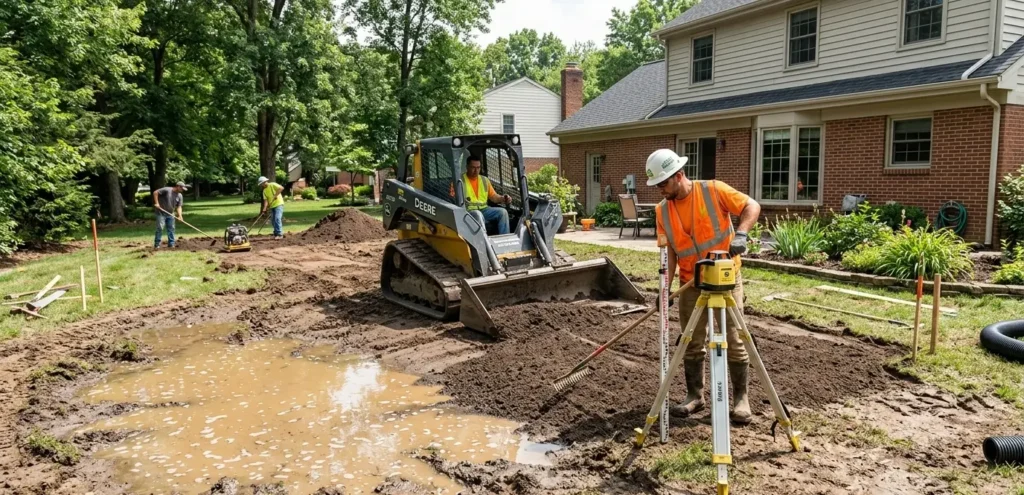
That persistent puddle that forms in your backyard after every rainstorm is more than just an annoyance—it’s a warning sign. Improper water drainage can lead to a host of expensive problems, from a soggy, unusable lawn to serious water damage seeping into your home’s foundation. The solution lies in proper land grading, a project that requires precision, the right equipment, and deep knowledge of local soil conditions. This is where a professional yard grading contractor comes in. They don’t just move dirt around; they strategically reshape your property to protect it. In this guide, we’ll cover how to choose the right expert for the job.
Key Takeaways
- Think of Grading as Essential Home Protection: The main purpose of grading is to create a proper slope that channels water away from your house, which is your best defense against a soggy lawn, basement leaks, and expensive foundation damage.
- Vet Your Contractor to Guarantee Quality Work: Choosing the right professional is critical. Always verify they are licensed and insured, get at least three detailed quotes, and prioritize experts with local experience who understand Minnesota’s soil.
- Prepare Your Yard for a Smooth Project: You can prevent delays and ensure a safe work site by clearing the area of all obstacles and confirming that underground utility lines have been professionally marked before the crew arrives.
What to Expect from a Yard Grading Contractor
Hiring a professional to grade your yard can feel like a big step, but knowing what to expect makes the process much smoother. A good contractor does more than just move dirt around; they reshape your landscape to solve problems and create a solid foundation for your future projects. From the initial assessment to the final touches, their work is a blend of art and science aimed at improving your property’s function, health, and appearance. Here’s a look at the key services a professional yard grading contractor will provide.
Leveling Your Land for a Perfect Foundation
The first thing a contractor will focus on is creating a level and stable base. Think of it as setting the stage for everything else. Proper grading makes your yard flat and usable for future landscaping, a new patio, or even a garden. This foundational work ensures that water drains correctly and prevents soil from washing away. A perfectly graded surface is essential before you bring in new materials, like high-quality black dirt for a lush lawn or a solid base for a new shed. It’s the critical first step that ensures the long-term success and stability of any outdoor project you have in mind.
Creating Smart Drainage Solutions
One of the most important jobs of a grading contractor is to manage water flow. Poor drainage can lead to a swampy yard, drowned plants, and even serious water damage to your home’s foundation. A professional will carefully assess your property’s slope and contours to create a grading plan that directs rainwater and snowmelt safely away from your house. Good grading stops water from pooling and causing problems. By creating subtle slopes and channels, your contractor designs an effective, natural drainage system that protects both your landscape and your home from costly water-related issues down the road.
Compacting and Stabilizing Soil
Once the land is reshaped, the job isn’t done. Your contractor will use specialized equipment to compact the soil, creating a firm and stable ground. This process often involves scraping, leveling, and sometimes adding new topsoil with machines like bulldozers or skid steers. Our professional skid steer services are perfect for this kind of precise work. Proper compaction is crucial because it prevents the soil from settling or shifting over time. This ensures that any structures you build on top, like a driveway or walkway, won’t sink, crack, or become uneven in the future. It’s a key step for long-lasting results.
Implementing Erosion Control
After your yard has been graded, the newly exposed soil can be vulnerable to washing away during heavy rain. A skilled contractor will address this by implementing erosion control measures to keep your soil right where it belongs. Depending on your property’s needs, this might involve installing retaining walls on steep slopes, laying down erosion control blankets, or planting specific types of vegetation whose roots help hold the soil together. These measures are designed to protect your investment, maintain the integrity of the grade, and ensure your beautifully landscaped yard stays that way for years to come.
Breaking Down the Cost of Yard Grading
Figuring out the budget for a yard grading project can feel a bit like guesswork, but it doesn’t have to be. Once you understand what goes into the final price tag, you can plan with confidence. Let’s break down the costs so you know what to expect when the quotes start rolling in.
What Influences the Final Price?
No two yards are identical, so the cost to grade them won’t be either. A contractor’s estimate is based on several key factors specific to your property. The size of your yard is the most obvious one—more land means more work. The current slope also plays a huge role; a steep, uneven yard requires more time and skill to level. Your soil type matters, too, as dense clay is tougher to move than loose sand. Finally, think about access. If it’s difficult for a contractor to bring in equipment for their skid steer services, labor costs may increase.
Typical Cost Ranges for Different Project Sizes
While a local contractor will give you the most accurate numbers, it helps to have a general idea for budgeting. Nationally, a basic yard grading project often falls between $1,000 and $3,000. If your goal is more complex, like resloping the yard to fix drainage issues, you might see costs from $1,500 to $5,000. On a smaller scale, many contractors price by the square foot, typically from $0.08 to $2.00. These figures are a great starting point, but remember that Minnesota’s specific costs will shape your final estimate.
Understanding Costs for Additional Services
Grading is often just the first step, so you’ll likely need to budget for materials to finish the job. After leveling the ground, you’ll want to spread a healthy layer of topsoil. High-quality black dirt is essential for a lush lawn and can cost around $20 to $30 per cubic yard. Not sure how much you need? A cubic yardage calculator is a great tool for estimating quantities. Other potential costs include grass seed, which can run from $0.10 to $0.20 per square foot, plus any necessary land clearing.
How to Get an Accurate Estimate
To ensure you’re getting a fair price, the best thing you can do is gather several estimates from reputable local contractors. Aim for at least three different quotes. This allows you to compare not just the final number, but also the scope of work, timeline, and the contractor’s approach. Ask for an itemized quote that breaks down the costs for labor, equipment, materials, and any permit fees. A detailed estimate shows professionalism and helps you understand exactly what you’re paying for, making it easier to choose the right pro for your project.
How to Choose the Right Yard Grading Contractor
Finding the right contractor for your yard grading project is about more than just getting the job done—it’s about finding a partner you can trust to protect your property and bring your vision to life. A great contractor will have the right experience, equipment, and communication skills to ensure your project runs smoothly from start to finish. But with so many options out there, how do you know you’re making the right choice?
The key is to do your homework. Vetting a contractor properly before you sign a contract can save you from major headaches, unexpected costs, and a poorly finished project. Think of it as an interview process where you’re in the driver’s seat. By focusing on a few critical areas—like their credentials, local expertise, equipment, and communication style—you can confidently select a professional who will deliver the results you need for a stable, beautiful, and functional yard.
Checking for Licenses, Insurance, and Bonding
Before you even start discussing project details, your first step should be to verify the contractor’s credentials. One of the most common mistakes homeowners make is failing to confirm if a contractor is properly licensed, bonded, and insured. This isn’t just red tape; it’s your primary protection. A license proves they meet state and local requirements to perform the work. Insurance covers any accidental damage to your property or injuries on the job site, protecting you from liability. Bonding offers another layer of financial protection, ensuring you can recover your losses if the contractor fails to complete the job or pay their suppliers. Don’t just take their word for it—ask for copies of their certificates and verify them.
Why Local Experience and Soil Knowledge Matter
Minnesota’s diverse landscape means our soil can vary from heavy clay to rich loam, and each type behaves differently, especially when it comes to drainage and compaction. This is why hiring a contractor with local experience is so important. A pro who has worked in your area will understand the specific challenges of your soil and climate. They’ll know which materials, like a sturdy Class 5 gravel for a driveway base, with our Minnesota Class 5 gravel buyer guide explaining the material and planning details or nutrient-rich Black Dirt for a new lawn, will perform best. When you gather client feedback, ask specifically about their experience with local soil conditions to gauge their expertise. A contractor familiar with the region is better equipped to create a lasting, stable grade.
The Importance of Quality Equipment
The right tools are essential for a professional grading job. A contractor who shows up with old, poorly maintained equipment is a major red flag. Professional-grade machinery, like the kind used for our skid steer services, allows for precision, efficiency, and a much better final result. The quality of the equipment directly impacts the quality of the work. It’s perfectly reasonable to ask about the equipment they plan to use for your project. A reputable contractor will be happy to explain their process and the machinery involved, giving you confidence that they are prepared to handle the job correctly and safely.
Setting Expectations for Communication and Timelines
Clear and consistent communication is the foundation of a successful project. From the very first conversation, a good contractor will listen to your goals and be transparent about what’s possible. It’s crucial to have a frank conversation about your expectations, the project timeline, and the budget. Make sure every detail is captured in a written contract, including the scope of work, payment schedule, and estimated completion date. A professional will provide regular updates and be available to answer your questions. This open line of communication prevents misunderstandings and ensures you and your contractor are always on the same page, leading to a smoother, less stressful experience.
Key Questions to Ask a Potential Contractor
Choosing the right contractor is the most critical step in your yard grading project. A great pro will make the process smooth and deliver results that last, while the wrong one can lead to costly mistakes and headaches. To make sure you’re hiring a true expert, you need to go into your initial conversations prepared. Think of it as a friendly interview where you’re gathering the information needed to make a confident decision. Having a list of smart questions ready will help you compare contractors effectively and find the perfect partner for the job.
Verifying Their Credentials and Past Work
Before you talk about price or timelines, start with the basics. A professional contractor should be fully licensed and insured, and they won’t hesitate to prove it. A license shows they’ve met state and local requirements, while insurance protects you from liability if an accident happens on your property. Don’t just take their word for it—ask to see the documents. You should also ask for a portfolio of their previous grading projects or a list of references you can call. Seeing their past work and hearing from former clients is one of the best ways to gauge the quality and reliability you can expect for your own project.
Defining the Project Scope and Schedule
Once you’ve confirmed their credentials, it’s time to get into the specifics of your project. Every contractor has their own process, so ask them to walk you through their plan step-by-step. How will they prepare the site? What equipment will they use? What does the cleanup process look like? You also need a clear timeline. Ask for an estimated start date and a projection for how long the job will take. A good contractor can explain their schedule and what factors, like weather, might cause delays. This conversation helps set clear expectations from the beginning and ensures there are no surprises down the road.
Discussing Material Needs and Sourcing
The success of your grading project depends heavily on the quality of the materials used. Ask the contractor what materials they recommend and why. For example, they might suggest using a specific type of sand to improve drainage or high-quality black dirt to create a healthy foundation for your lawn. It’s also smart to ask where they source their materials. A reputable contractor works with trusted suppliers to ensure they’re using durable, high-quality aggregates. This conversation not only tells you about their expertise but also gives you confidence that your newly graded yard is built to last.
Navigating Permits and Local Rules
Depending on the scale of your project and where you live in Minnesota, you might need a permit for yard grading. This is a detail you don’t want to overlook. Ask potential contractors if your project requires any permits and, if so, who is responsible for securing them. An experienced local contractor should be familiar with municipal regulations and can handle the entire permitting process for you. This is a key sign of a professional who understands the legal requirements of their work. Clarifying this upfront prevents potential fines or legal issues and ensures your project is completed correctly and according to local code.
Common Red Flags When Hiring a Contractor
Choosing the right contractor is the most important step toward a successful yard grading project. While most professionals are honest and skilled, knowing how to spot a few common red flags can save you from costly mistakes, project delays, and a whole lot of frustration. Think of it as doing your homework to protect your investment and ensure the job is done right the first time.
Warning Signs of an Unqualified Pro
One of the biggest mistakes you can make is failing to confirm that a contractor is properly licensed, bonded, and insured. These aren’t just formalities; they are essential protections for you as a homeowner. A license proves they meet state standards, a bond protects you if they fail to complete the job, and insurance covers any accidents on your property. Another major warning sign is a bid that’s dramatically lower than all the others. While it’s tempting to go for the cheapest option, an unusually low price can signal that the contractor is cutting corners, using subpar materials, or doesn’t truly understand the scope of the work.
How to Spot Poor Communication and Unrealistic Promises
Clear communication is the foundation of a good working relationship with your contractor. If a potential hire is difficult to get a hold of, gives vague answers to your questions, or pressures you to make a quick decision, consider it a red flag. A true professional will take the time to listen to your goals, explain their process, and provide a detailed, written proposal outlining the project scope, timeline, and costs. Be wary of anyone who makes grand promises or guarantees a timeline that sounds too good to be true. Unexpected weather and site conditions can cause delays, and an experienced contractor will be upfront about that possibility.
Why a Proper Site Evaluation is Non-Negotiable
Never hire a contractor who gives you a firm quote without first visiting your property. A thorough site evaluation is absolutely essential for a successful grading project. During this visit, a contractor should assess your yard’s specific layout, soil composition, and existing water flow patterns. This is the only way to design a proper grading plan that prevents drainage problems and ensures a stable, level surface. This evaluation helps them create an accurate plan, from determining the right skid steer services for the job to estimating the correct amount of black dirt needed for topsoil. An inadequate site evaluation can lead to costly mistakes down the road.
The Risks of a Poorly Graded Yard
Thinking about your yard’s grade might not be at the top of your to-do list, but it’s one of the most critical aspects of a healthy, stable property. Proper grading is about much more than just having a level lawn for backyard games; it’s a fundamental defense for your home. When your yard doesn’t slope correctly, it can set off a chain reaction of problems that are often expensive and stressful to fix. From a soggy lawn that becomes a mosquito haven to a compromised foundation, the consequences of poor grading are serious and far-reaching.
Ignoring the slope of your land is like leaving a window open during a rainstorm—eventually, the water will find its way in. The goal of grading is to create a gentle, consistent slope that directs rainwater and melting snow away from your house. Without this, you’re inviting trouble right up to your doorstep. Understanding these risks is the first step toward protecting your biggest investment and ensuring your property remains safe, dry, and valuable for years to come. Our skid steer services are often the first step in correcting these issues before they become major headaches, creating the right foundation for a healthy landscape.
Potential for Water Damage and Drainage Nightmares
One of the biggest headaches from poor grading is improper water runoff. Simply put, water should always flow away from your home, not toward it. When the slope is wrong, your yard can turn into a swamp every time it rains. This creates pools of standing water that can kill your grass, ruin your garden beds, and become a breeding ground for mosquitoes. More importantly, that water can saturate the soil right next to your house, creating immense pressure and eventually seeping into your basement or crawl space. This can lead to persistent leaks, damaging mold growth, and musty odors that are difficult to get rid of.
How Poor Grading Affects Your Home’s Foundation
That same water causing drainage nightmares in your yard is also a direct threat to your home’s foundation. When soil around your foundation becomes oversaturated, it expands and exerts incredible pressure on the concrete walls. Over time, this constant force can cause cracks, bowing, and leaks. As one expert notes, good grading stops water from building up and causing this kind of damage. Foundation repairs are among the most expensive home maintenance projects you can face, so investing in proper grading is a proactive way to prevent a catastrophic failure down the road. It’s about protecting the very structure your home rests on.
Protecting Your Long-Term Property Value
All these issues—water damage, foundation problems, and a soggy lawn—can seriously hurt your property’s value. A yard with drainage problems is a major red flag for potential buyers and can make your home much harder to sell. As some professionals point out, bad grading can cause serious problems and lower your property value. Correcting these issues isn’t just about fixing a current problem; it’s about investing in the long-term health and marketability of your home. Ensuring your property is properly graded with quality materials like black dirt or Class 5 gravel protects your home and your financial future.
Signs Your Yard Needs Professional Grading
It’s easy to overlook the slope of your yard until problems start showing up. Proper grading is about more than just having a level lawn for backyard games; it’s a critical part of protecting your entire property, from your garden to your home’s foundation. If you’ve noticed some concerning changes, your yard might be telling you it’s time for a professional touch. Understanding these signs can help you decide when to call in an expert to get the job done right.
Telltale Clues It’s Time to Call a Pro
Take a walk around your property after the next rain. Do you see puddles that stick around for days? That’s a major red flag. When water pools in your yard, it can drown your grass and plants. More importantly, that water can seep toward your home’s foundation, leading to cracks, leaks, and other serious structural issues. You might also notice soil washing away, especially on slopes. This erosion not only ruins your landscape but also indicates that your yard isn’t managing water runoff effectively. A properly graded yard directs water away from your home, keeping your foundation safe and your lawn healthy.
Deciding Between a DIY Project and Hiring an Expert
While tackling a small, uneven patch with a shovel and some topsoil might seem manageable, land grading is a complex job. For anything more than a minor fix, it’s best to hire a professional. Consider the scale of your project. If you need grading around your entire house, have a steep slope, or need to work around lots of trees, you’ll need an expert. Renting heavy equipment for a DIY project can get expensive quickly, and without the right experience, you could make drainage problems worse. Professionals have the right tools and expertise, like our skid steer services, to handle the job efficiently and correctly the first time.
Common Mistakes to Avoid When Hiring
Hiring a contractor for your yard grading project is a big decision, and it’s easy to feel overwhelmed by the options. But by knowing a few common pitfalls, you can confidently choose the right professional for the job. Making an informed choice from the start saves you from costly repairs and headaches down the road. It’s all about looking past the surface-level promises and focusing on what truly matters: quality, experience, and reliability. Let’s walk through the most common mistakes so you can sidestep them entirely.
Why the Cheapest Bid Isn’t Always the Best
It’s tempting to jump on the lowest quote, but that initial savings can often lead to bigger expenses later. A bid that’s significantly lower than others might be a red flag. It could mean the contractor is cutting corners, using subpar materials, or simply doesn’t have the experience to price the job accurately. Imagine them using cheap, unscreened fill instead of high-quality black dirt for your garden beds. You might save a little upfront, but you’ll pay for it with poor plant growth and drainage issues. A quality job is an investment in your property, so focus on the overall value—not just the price tag.
The Importance of Verifying Credentials
This is a step you absolutely cannot skip. Before hiring anyone, confirm they are properly licensed, bonded, and insured. A license proves they meet state and local requirements to perform the work. Insurance protects you and your property from liability in case of an accident. Being bonded provides financial protection if the contractor fails to complete the job or meet their obligations. Asking for proof of these credentials isn’t rude; it’s a standard part of due diligence. A legitimate professional will have this information ready and will be happy to share it with you.
Why You Should Always Get Multiple Quotes
Getting at least three quotes is about more than just comparing prices. It’s your chance to interview potential contractors and see how they approach your project. Pay attention to the details in each estimate. Do they outline a clear plan? What kind of materials do they specify for the job, like using a sturdy base of Class 5 gravel for a new driveway? This process helps you understand the different solutions available and allows you to gauge each contractor’s professionalism and communication style. It empowers you to make a choice based on a complete picture of the value they offer.
How to Prepare Your Yard for the Grading Crew
Once you’ve hired a great contractor, you might think your work is done. But a little prep work on your end can make a huge difference in how smoothly the project runs. Taking a few simple steps to get your yard ready for the grading crew helps them work more efficiently, prevents unexpected delays, and can even save you money. Think of it as rolling out the welcome mat for a successful project. A well-prepared site allows the team to get straight to work, focusing on creating the perfect slope and foundation for your landscape. Here’s what you can do to get your property ready for its transformation.
Clearing the Way for Site Access
Your grading crew will be bringing in heavy equipment, and they need a clear path to get to the work area. Before they arrive, take a walk through your yard and remove any obstacles. This includes lawn furniture, trampolines, kids’ toys, and garden decor. To ensure the crew can work efficiently, it’s essential to clear any obstacles from the yard. If parts of your yard are hard to reach, they might need more time and special equipment to access those areas. This is also a good time to trim back any low-hanging tree branches or overgrown shrubs that could get in the way of their skid steer services and other machinery.
Locating and Protecting Utilities
This step is absolutely critical for safety. Before any digging begins, you must know where underground utility lines are located on your property. Hitting a buried gas, water, or electrical line is dangerous and can lead to costly repairs. In Minnesota, you can arrange for a free service to mark your utility lines by contacting Gopher State One Call or simply dialing 811 a few days before the project starts. They will send someone out to flag the locations of any buried lines, so your grading crew knows exactly which areas to avoid. Your contractor should handle this, but it’s always smart to confirm it’s been done.
Choosing the Best Season for Your Project
Timing is everything, especially with Minnesota’s distinct seasons. The best time for yard grading is typically during the drier periods of late spring, summer, or early fall. Trying to grade soil that’s too wet from spring melts or heavy rain can create a muddy mess and prevent proper compaction. On the other hand, grading during a drought can be difficult if the ground is rock-hard. Understanding the best season for your yard grading project can significantly impact the outcome. Planning your project for the right season ensures the crew can properly shape the land and that materials like black dirt will set correctly for a stable, long-lasting result.
Related Articles
- How to Choose the Right Skid Steer Services for Your Project
- Black Dirt Delivery: What You Need to Know for a Healthy Lawn
- Class 5 Gravel Delivery: Building a Solid Foundation
- Essential Questions to Ask Your Outdoor Landscape Contractors
- Contractor Communication: Setting Expectations for Your Project
Frequently Asked Questions
How can I tell if my yard actually needs to be graded? The most obvious signs are visual. If you notice standing water or persistent soggy spots in your lawn long after it rains, that’s a clear indicator that water isn’t flowing away properly. You might also see soil eroding or washing away from certain areas, especially on slopes, or notice water pooling near your home’s foundation. These are all signals that your yard’s slope is working against you instead of for you.
Is yard grading something I can do myself to save money? For a very small, simple leveling project, a DIY approach might be possible. However, proper grading is a precise science. Achieving the correct slope to effectively direct water away from your foundation requires expertise and specialized equipment. Without the right knowledge, you could accidentally make drainage problems worse. For most situations, especially those involving drainage correction or large areas, hiring a professional is the safest and most effective choice.
What happens after the grading is finished? Is the project done? Grading creates the essential foundation, but it’s usually the first step in a larger project. Once the land is properly sloped and compacted, the new surface is essentially bare dirt. The next step is typically to add a layer of high-quality topsoil, like black dirt, to prepare the area for seeding a new lawn. Your contractor may also recommend erosion control measures, such as blankets or specific plantings, to protect the new grade while your grass takes root.
How long does a typical grading project take to complete? The timeline really depends on the size and complexity of your yard. A straightforward project on a small, accessible lot could be completed in a day or two. However, a larger property with steep slopes, difficult access, or significant drainage issues could take a week or more. Weather also plays a big role, as work can be delayed by heavy rain. A professional contractor will be able to give you a realistic timeline after evaluating your property.
Besides fixing drainage, what are other reasons to grade a yard? While solving water problems is a primary reason, grading is also essential for many landscape construction projects. If you’re planning to install a new patio, build a shed, put in a driveway, or create a level play area for your kids, you’ll need a properly graded base. It ensures these structures are stable and won’t shift, sink, or crack over time. Essentially, grading creates the perfect blank canvas for any outdoor project you have in mind.