
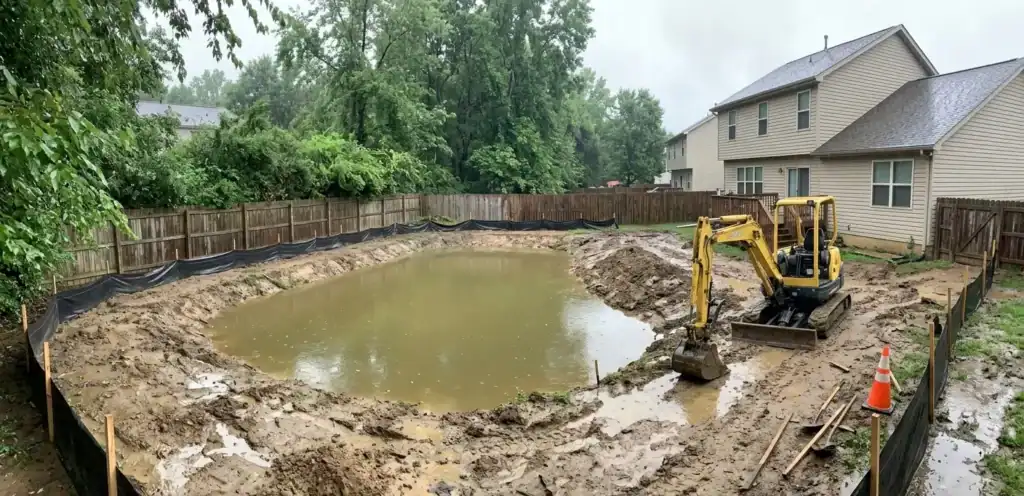
Have you ever noticed a neighbor’s yard that turns into a small pond after every rainstorm? Or a paver walkway that’s become uneven and warped over time? These common problems often point back to one single, overlooked step: improper land grading. The solution starts with understanding what is land grading. It is the foundational work of sculpting your property to control water flow and create a solid, stable base for any structure. Getting this right is the key to preventing costly water damage, protecting your home’s foundation, and ensuring any landscaping or construction project you undertake is built to last for years to come.
Key Takeaways
- Grading is your first line of defense against water damage: Its primary purpose is to create a subtle, intentional slope that directs rainwater and snowmelt safely away from your house, protecting your foundation from costly leaks and erosion.
- A solid project starts with a solid foundation: Grading creates the level, compacted surface essential for the long-term stability of driveways, patios, and building additions, preventing future cracks, shifts, and structural failures.
- Understand the scope before you start: While you can DIY a small garden patch, any grading that impacts drainage near your home or supports a structure requires a professional to avoid expensive, long-term problems.
What Is Land Grading (and Why Does It Matter)?
Before you can build a sturdy shed, lay a perfect patio, or even plant a healthy lawn, you need to start with the right foundation. That’s where land grading comes in. It’s the essential first step in countless construction and landscaping projects, but it’s often misunderstood. Simply put, grading is the process of reshaping the ground to create a level base or a specific slope. It’s about more than just moving dirt around; it’s a calculated process that ensures your project is built on stable, reliable ground.
Think of it as creating the perfect canvas for your outdoor project. Without it, you could face a host of issues, from a cracked driveway to a flooded basement. Proper grading sets the stage for success by directing water away from structures, preventing soil erosion, and creating a functional, usable surface. Whether you’re a contractor preparing a site for a new build or a homeowner planning a backyard makeover, understanding the fundamentals of land grading is key to avoiding costly problems down the road. It’s the unseen hero that keeps your foundation dry, your structures level, and your landscape looking great for years to come.
The Purpose of Grading Your Land
Land grading is the process of reshaping soil to create a level surface or a planned slope for drainage. On Minnesota projects, fill sand can help fill low areas, support leveling, and create a workable base when the site plan calls for it. The right material depends on the soil, drainage goals, and project type. Minnesota Aggregates offers fill sand delivery for homeowners and contractors planning grading and site-preparation work. For grading near a foundation or structure, confirm the finished elevations and drainage plan before ordering material.
Its Role in Construction and Landscaping
In both construction and landscaping, grading is non-negotiable. For any new structure, from a house to a retaining wall, proper grading creates a strong, stable base that can support the weight and prevent shifting over time. It’s a critical step for ensuring structural integrity and meeting local building codes. In landscaping, grading helps manage water flow, preventing puddles and soggy spots that can ruin lawns and gardens. It also creates the ideal canvas for features like patios, walkways, and planting beds, ensuring they look great and last long. Bringing in quality black dirt is often part of the final grading phase to prepare the ground for healthy new growth.
Key Reasons You Need Proper Land Grading
Land grading is much more than just pushing dirt around to make a space look level. It’s the foundational step that sets your entire project up for success, whether you’re building a new shed, installing a driveway, or landscaping your backyard. Getting the grade right from the start protects your investment and prevents a whole host of expensive problems down the road.
Think of it as creating the perfect canvas. A properly graded site ensures water flows where it should, provides a stable base for any structures you build, and makes your property more functional and attractive. Skipping this step or doing it incorrectly can lead to issues with drainage, foundation integrity, and soil erosion. By understanding why grading is so critical, you can ensure your project is built to last and adds real value to your home. Our professional skid steer services are designed to handle this crucial work, giving you a solid start for any project.
Prevent Water Damage and Poor Drainage
One of the most important jobs of land grading is managing water. When your property isn’t graded correctly, rainwater and snowmelt have nowhere to go. This can lead to water pooling around your home’s foundation, seeping into your basement, or turning your yard into a swampy mess. Over time, this standing water can cause serious structural damage, erode your soil, and even kill your lawn and plants.
Proper grading solves this by creating a gentle slope that directs water away from your house, garage, and other structures. It’s a proactive way to protect your property from the costly and frustrating effects of poor drainage. By shaping the land correctly, you ensure that water flows safely to a street, storm drain, or another designated area, keeping your foundation dry and your yard usable.
Create a Solid Foundation for Any Structure
Whether you’re laying a foundation for a new garage, preparing a base for a paver patio, or building a new driveway, the ground beneath it needs to be stable and secure. Proper grading is essential for creating this solid base. The process involves clearing the area, leveling the surface, and ensuring the soil is compacted correctly to support the weight of the structure you plan to build.
Without a properly graded surface, your project’s base can become unstable. This can lead to shifting, settling, and cracking over the years, compromising the entire structure. For projects like driveways or building pads, using a material like Class 5 gravel over a well-graded surface creates a strong, reliable foundation that will stand the test of time and prevent costly repairs later on.
Improve Your Property’s Value and Use
A well-graded property isn’t just more resilient—it’s also more beautiful and functional. Grading can transform a lumpy, uneven yard into a smooth, usable space perfect for a garden, a play area for kids, or an outdoor entertaining space. It creates clean lines and level surfaces that significantly improve your home’s curb appeal and overall aesthetic.
This investment in your land does more than just make it look good; it can also enhance its value. A functional, well-drained yard is a major selling point for potential buyers. By preparing your land for future projects, whether it’s planting a lush lawn with fresh black dirt or installing a new patio, you are maximizing your property’s potential and making it a more enjoyable place to live.
The Different Types of Land Grading
Land grading isn’t a single, one-size-fits-all task. Think of it as a process with different stages, each with a specific goal. The type of grading your project needs depends entirely on what you’re trying to accomplish. Are you building a new home from the ground up, putting in a new gravel driveway, or designing a beautiful garden? Each of these projects requires a different approach to shaping the land.
Understanding the main types of grading—rough grading, finish grading, and landscape grading—helps you plan your project, hire the right professionals, and order the correct materials. Let’s break down what each one involves so you can figure out exactly what your property needs.
Rough Grading: The Heavy Lifting
Rough grading is the first and most dramatic step in the process. This is where the heavy machinery comes in to do the initial shaping of your property. The main goal is to create the basic contours and elevation of the land, moving large amounts of dirt to establish the general slope and a solid base for whatever comes next. This stage is absolutely critical for new construction, roads, and driveways, as it sets the foundation for proper drainage away from future structures. Our skid steer services are perfect for this kind of foundational work, efficiently sculpting the land to match your project’s blueprint.
Finish Grading: The Final Touches
Once the heavy lifting of rough grading is done, it’s time for finish grading. This is the final, more detailed step that smooths and perfects the ground surface. The goal here is to prepare the land for its final use, whether that’s laying sod, planting a lawn, or installing a patio or walkway. During this phase, we remove any remaining rocks, roots, and debris to create a clean, uniform surface. Often, this involves adding a layer of high-quality material like black dirt to ensure your new lawn or garden has the best possible start. It’s all about creating that polished, final look.
Landscape Grading: Prepping for Plants and Patios
Landscape grading is a specialized type of finish grading that focuses on the specific needs of your outdoor living areas. It’s about more than just making the ground level; it’s about intentionally shaping the land to support gardens, flower beds, trees, and other landscape features. This might involve creating gentle slopes, known as berms, for visual interest or building up level spots for patios and retaining walls. Proper landscape grading also ensures water drains correctly, preventing it from pooling around plant roots or washing away mulch. Using the right materials, like specific types of sand for drainage, is key to a healthy and long-lasting landscape.
How Professionals Grade Land: Tools and Techniques
Grading is much more than just moving dirt around. It’s a precise process that combines the right equipment with a deep understanding of the land itself. Professionals don’t just eyeball it; they use specific tools and proven techniques to shape the earth. This ensures the final surface is stable, properly drained, and ready for whatever you have planned, whether it’s a new driveway, a patio, or the foundation for a building. It’s about creating a functional and lasting landscape by working with the unique characteristics of your property.
The Right Equipment for the Job
Having the right tool for the job is critical for effective land grading. For large-scale projects, you’ll see heavy machinery like bulldozers and excavators doing the initial heavy lifting. But for many residential and smaller commercial jobs, a skid steer is the go-to piece of equipment. These versatile machines are perfect for finish grading, spreading materials like topsoil or gravel, and working in tighter spaces. Our professional skid steer services provide the power and precision needed to prepare your site efficiently, ensuring the land is perfectly shaped to support your project without causing unnecessary disruption to the surrounding area.
Grading Techniques for Different Soil Types
Not all soil is created equal, and a professional knows that the type of soil on your property dictates the entire grading strategy. Minnesota’s diverse geology means you could be working with anything from heavy clay to loose sand. Clay soils, for instance, retain a lot of water and require careful sloping to prevent pooling, while sandy soils drain quickly and can be prone to erosion. A grading expert will assess your soil composition and may amend it with other materials, like a sturdy base of Class 5 gravel, to improve stability and drainage before starting the work.
Working with Slopes, Drainage, and Site Plans
The ultimate goal of grading is to control the flow of water. Professionals meticulously shape the land to create subtle slopes that direct rain and meltwater away from your home’s foundation and other structures. This prevents costly water damage, basement flooding, and soil erosion. They often follow a detailed site plan that maps out the existing and desired elevations, or “grades.” This plan acts as a blueprint, ensuring every swale and slope is perfectly placed to manage drainage effectively and create a solid, reliable base for any landscaping or construction project you have in mind.
How Much Does Land Grading Cost?
Figuring out the budget for a land grading project can feel a bit like hitting a moving target. The final price tag depends on several moving parts, from the size of your yard to the complexity of the job. But don’t worry—once you understand what goes into the cost, you can get a much clearer picture of what to expect. Let’s break down the typical expenses and the factors that can cause them to shift.
What Factors Influence the Price?
The cost of grading isn’t a one-size-fits-all number. Several key factors will determine your final quote. The most obvious is the size of the area; a larger property will naturally require more time and effort. The type of grading also matters. Rough grading, which involves shaping the land and creating slopes for drainage, is more intensive than fine grading, which is about smoothing the top layer of soil for planting.
Your land’s current condition plays a huge role, too. A flat, clear lot is much easier to work on than a property with steep slopes, large rocks, or dense vegetation. Challenging terrain often requires more powerful equipment and specialized skid steer services to get the job done right, which can add to the cost.
Understanding Average Costs and Estimates
To give you a general idea, land grading costs often fall between $0.80 and $2.00 per square foot. For a typical residential project, like grading a 1,000 to 2,000-square-foot yard, homeowners usually pay somewhere between $770 and $3,000. If you’re just leveling a small patch for a new patio, you might spend as little as $310.
On the other hand, larger or more complex jobs will cost more. Grading an entire acre can average around $30,000. Projects that involve correcting significant drainage issues or creating intricate slopes can run closer to $7,000. These numbers are just estimates, but they provide a helpful starting point as you begin to plan your project and budget.
Getting an Accurate Quote (and What About Permits?)
The best way to find out what your project will cost is to get quotes from a few local contractors. When you do, make sure you understand exactly what’s included, such as debris removal or the cost of bringing in new materials. After grading, you may need a fresh layer of topsoil, which is where a reliable black dirt delivery service comes in handy.
Also, keep in mind that you might need a permit. In many areas, a grading permit is required if you disturb more than 5,000 square feet of land, which can cost between $150 and $485. For very large projects, you may also need a formal grading plan from a landscape architect. Always check with your local building authority to ensure you’re following all the rules.
Land Grading: Should You DIY or Hire a Pro?
Deciding whether to grade your land yourself or bring in a professional is a major crossroads for any property owner. While the satisfaction and potential cost savings of a DIY project are tempting, land grading is one area where a small miscalculation can lead to significant, expensive problems. This isn’t just about moving dirt around to make things look level; it’s a precise process of reshaping your property to manage water flow, support structures, and create a stable, functional landscape. Getting it wrong can put your home’s foundation at risk, create chronic drainage issues, and ultimately cost you far more to fix than it would have to hire an expert from the start.
Before you rent any equipment or even pick up a shovel, it’s crucial to take a step back and honestly assess the scope of your project and your own expertise. The line between a manageable weekend task and a job that requires professional oversight can be thin. For anything beyond the most basic leveling, the complexity increases exponentially. You need to understand soil types, compaction requirements, and how to create the perfect slope—often just a 2% grade—to guide water safely away from your home. This section will help you weigh the pros and cons, so you can make the right call for your property and your peace of mind.
When a DIY Approach Can Work
You might be able to handle very small, simple grading projects on your own if the stakes are low. Think of tasks like leveling a small patch of your yard for a fire pit, preparing a new garden bed, or setting up a small paver patio that’s far from your house. For these jobs, you can often get by with basic tools like a shovel, a heavy-duty rake, a wheelbarrow, and a long level. The key is that the scale is minimal and the consequences of a slight error are minor. If you’re just trying to smooth out a few bumps in the lawn away from your home’s foundation, a DIY approach is likely a safe bet.
Signs It’s Time to Call a Professional
For nearly any complex or large-scale grading job, hiring a professional is the smartest and safest choice. Grading is an essential part of almost any construction project, and without a proper plan, the entire structure can be at risk. If the land isn’t graded correctly, buildings can develop serious structural issues or suffer from constant drainage problems. It’s time to call an expert if your project involves preparing a foundation for a new home, shed, or garage, addressing existing water pooling issues near your house, or reshaping a large or steeply sloped yard. Professionals bring the right experience and heavy equipment, including skid steer services, to ensure the job is done efficiently and correctly the first time.
Common DIY Mistakes That Lead to Costly Fixes
Many well-intentioned DIY grading projects end up needing a professional to fix them, which often costs more than hiring one from the start. One of the most frequent and damaging errors is creating an incorrect slope, which can accidentally direct water toward your home’s foundation instead of away from it. Another common mistake is using the wrong type of fill material or failing to compact it properly. Without proper compaction, the ground can settle unevenly over time, causing patios to crack, retaining walls to fail, and foundations to shift. Professionals understand how to read a site’s layout, soil makeup, and water flow, creating a precise plan to avoid these costly issues and protect your property.
Frequently Asked Questions
How can I tell if my property has a drainage problem that grading could fix? The most obvious signs appear after a heavy rain. Look for standing water that lingers for more than a day near your home’s foundation or creates swampy patches in your yard. You might also notice soil washing away from certain areas, exposed tree roots, or even water seeping into your basement. These are all classic indicators that your property isn’t sloped correctly to guide water away, and professional grading is the most reliable solution.
Do I need both rough and finish grading for my project? It really depends on the scale of your project. For new construction, a home addition, or installing a driveway, you will absolutely need both stages. Rough grading does the heavy lifting to establish the fundamental shape and slope, while finish grading creates the smooth, final surface. For smaller jobs, like leveling a spot for a patio or correcting a minor drainage issue in an established yard, you may only need finish grading to perfect the surface.
What’s the best time of year to have land grading done in Minnesota? The ideal window for grading in our climate is during the drier seasons, typically from late spring through early fall. The ground needs to be dry and firm, not saturated from snowmelt or frozen solid. Working with dry soil allows for proper compaction and ensures a stable, lasting result. Attempting to grade overly wet or frozen ground is inefficient and can lead to settling issues later on.
Will grading my yard damage my existing lawn or landscaping? Grading will transform the specific area being worked on, which means the existing grass and topsoil in that zone will be removed. A professional team will be careful to minimize disruption to the surrounding property, but the targeted area is essentially getting a fresh start. It’s a good idea to clearly mark any sprinkler systems or nearby plants you want to protect. The goal is to create a better foundation for a healthier, more functional lawn or landscape feature.
Besides the grading itself, what other costs should I budget for? It’s wise to plan for a few related expenses. The cost of new materials is a common one, whether you need to bring in fill dirt, a stable base of Class 5 gravel, or a final layer of quality black dirt for planting. You should also ask if debris removal is included in your quote, especially if your site has large rocks or old concrete to haul away. Finally, remember to budget for the final step, such as the cost of new sod, seed, or patio pavers.