
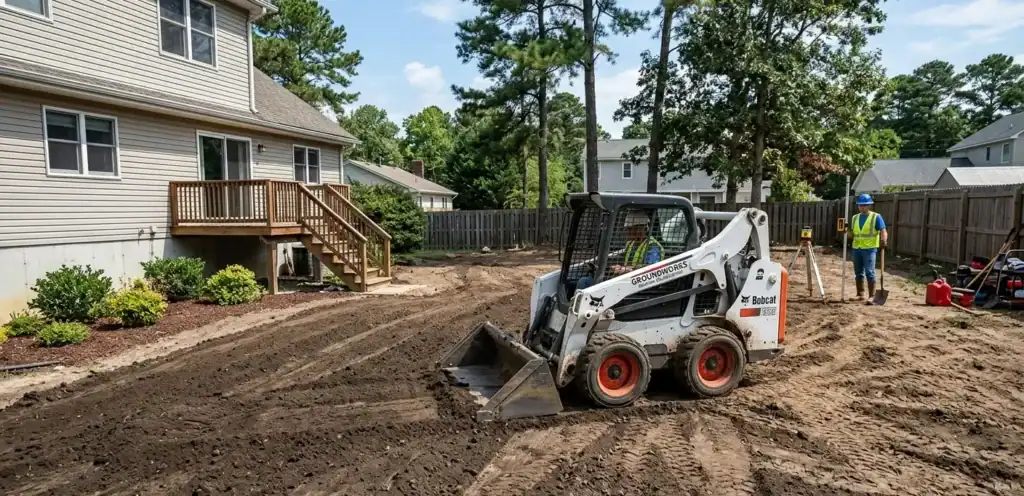
That persistent puddle in your backyard or the damp corner in your basement might seem like minor annoyances, but they often point to a bigger issue: your yard’s slope. When water doesn’t drain away from your home, it can lead to soil erosion, a soggy lawn, and even costly foundation damage. The solution is often yard grading, a process of reshaping the land to control water flow. This isn’t just about moving dirt; it’s a precise job that protects your biggest investment. If you’re considering professional yard grading services, this guide is your starting point. We’ll cover the warning signs, cost factors, and how to find a reliable contractor.
Key Takeaways
- Grading Protects Your Biggest Investment: The primary goal of yard grading is to create a gentle slope that directs water away from your home, preventing serious issues like foundation damage, soil erosion, and basement leaks.
- The Right Plan and Materials are Essential: A successful project depends on a strategic drainage plan and the correct materials. Using Class 5 gravel creates a stable base for driveways and patios, while quality black dirt provides a nutrient-rich foundation for a healthy lawn.
- Look for a Professional Partner, Not Just the Lowest Bid: When hiring a contractor, prioritize their experience, a detailed written contract, and a clear water management plan over the cheapest quote to avoid costly mistakes and ensure the job is done right the first time.
What is Yard Grading?
Think of yard grading as giving your property a fresh start by reshaping the land itself. Also known as yard leveling or re-sloping, grading is the process of adjusting the slope and elevation of the soil around your home. It involves scraping and leveling the ground to create a smooth, even surface that gently slopes away from your house. This isn’t just about pushing dirt around; it’s a precise process that often requires professional equipment to get the job done right.
The process typically starts with a thorough assessment of your property’s current slope and drainage patterns. From there, a professional will use machinery to move soil from high spots to low spots, creating the desired grade. Often, this is the perfect time to bring in fresh, nutrient-rich topsoil to give your future lawn or garden the best possible foundation. Our black dirt delivery service provides high-quality topsoil perfect for finishing a grading project. For homeowners and contractors, having reliable skid steer services is essential for moving materials efficiently and achieving a precise, professional finish.
The Goal of Yard Grading
The main goal of yard grading is to control the flow of water on your property. A properly graded yard directs rainwater and melting snow away from your home’s foundation, preventing it from pooling and causing damage. Beyond drainage, grading also helps stop soil erosion, which can strip your yard of valuable topsoil. It also creates a more functional and attractive outdoor space. Whether you’re planning to install a new patio, plant a garden, or simply want a level lawn for your kids to play on, proper grading provides the stable, even base you need.
Why Proper Grading Matters for Your Property
Ignoring your yard’s grade can lead to some serious headaches down the road. When your yard doesn’t slope correctly, water has nowhere to go but toward your house. This can lead to water seeping into your basement or crawl space, causing dampness, mold, and even significant damage to your foundation over time. Poor drainage can also create soggy, unusable patches in your yard, kill your grass and plants, and create a breeding ground for mosquitoes. Essentially, proper grading is a crucial, proactive step in protecting your home’s structural integrity and the health of your landscape.
Signs You Need Professional Yard Grading
Your yard is more than just a place for summer barbecues; it’s a complex system that should protect your home’s foundation from water damage. When the slope of your land isn’t quite right, it can lead to a host of problems that are often easy to spot if you know what to look for. Ignoring these signs can lead to costly repairs down the road, from foundation cracks to a perpetually soggy lawn. Think of proper grading as an investment in your property’s health and stability. If you’ve noticed any issues with water or uneven terrain, it might be time to consider professional help. Here are the key signs that your yard needs grading.
Poor Drainage and Water Pooling
After a good rain, do you notice persistent puddles or mini-ponds forming in your yard? This is one of the clearest indicators of a grading issue. Water that sits for hours or days after a storm means your yard isn’t sloped correctly to allow for proper runoff. These low spots, dips, and soggy patches aren’t just an eyesore; they can drown your grass, create a breeding ground for mosquitoes, and put constant pressure on your home’s foundation. A well-graded yard should efficiently direct water away from your house, not let it collect around the perimeter.
Soil Erosion and Foundation Issues
If you see water flowing toward your house instead of away from it, you have a serious grading problem. This reverse flow can wash away topsoil, a process known as soil erosion. A tell-tale sign of erosion is seeing exposed tree roots that were once covered. Over time, this constant flow of water against your home can saturate the soil around the foundation, leading to cracks, leaks, and significant structural damage. Our professional skid steer services can reshape the land to ensure water moves in the right direction, protecting your home’s structural integrity for years to come.
Uneven Ground and Safety Hazards
An improperly graded yard often feels lumpy and uneven underfoot. While a perfectly flat yard isn’t the goal (a slight slope is necessary for drainage), significant humps and dips can make simple activities like mowing the lawn difficult and even create tripping hazards for your family and guests. These uneven surfaces are often the result of soil settling over time or previous landscaping work that didn’t account for proper slope. Correcting these issues isn’t just about aesthetics; it’s about creating a safe, usable outdoor space that functions as it should.
What Factors Influence Yard Grading Costs?
When you’re planning a yard grading project, one of the first questions you’ll have is about the cost. The truth is, there’s no single price tag. The final cost depends on a unique mix of factors specific to your property and project goals. Understanding these variables will help you set a realistic budget and have a more productive conversation with potential contractors. From the size of your yard to the type of soil under your feet, several key elements come into play. Let’s walk through the main factors that will shape the estimate for your grading project, so you can feel prepared and confident as you move forward.
Your Property’s Size and Scope
It makes sense that the bigger the area, the more the project will cost. A large, sprawling backyard will require more time, labor, and materials to grade than a small, simple patch of lawn. But it’s not just about square footage. The scope of the work is just as important. Are you looking for a basic leveling to smooth out a few bumps, or do you need to create complex slopes and swales to direct water away from your home’s foundation? A project with a more intricate design will naturally require more planning and precision, which will be reflected in the final price.
Soil Type and Terrain
The ground you’re working with has a major say in the project’s difficulty and cost. Minnesota’s diverse geology means you could be dealing with anything from soft loam to dense clay or rocky soil. Heavy, rocky soil is tougher to excavate and move, often requiring more powerful equipment and more time on the job. In contrast, sandy soil is easier to work with but may require different materials to create a stable base. A professional assessment will determine your soil composition and how it impacts the grading strategy and the need for specific materials like Black Dirt to finish the job.
Necessary Equipment and Materials
Professional grading isn’t done with a shovel and a wheelbarrow. The cost of your project will include the use of specialized machinery and a skilled operator to run it. For many residential projects, this involves equipment like a skid steer. Our professional Skid Steer Services ensure the job is done efficiently and correctly. The total cost also accounts for any materials that need to be brought in, such as fill sand to raise low spots or Class 5 gravel to build a solid, stable base for a new patio or driveway.
Local Permits and Inspection Fees
Depending on where you live in Minnesota and the scale of your project, you may need to get a permit from your local city or county. Generally, projects that disturb a significant amount of land (often over 5,000 square feet) require a grading permit to ensure the work complies with local regulations on drainage and land use. The cost for these permits can vary, but it’s a necessary step to keep your project above board. A reputable contractor can help you figure out if a permit is needed and can often handle the application process for you, but it’s always a good idea to be aware of this potential expense.
The Professional Yard Grading Process: A Step-by-Step Look
Professional yard grading isn’t just about moving dirt; it’s a calculated process to protect your home and improve your landscape. A reputable contractor follows a clear, methodical approach to get the job done right. Understanding these steps can help you know what to expect when you hire a team for the job. From the initial walkthrough to the final quality check, each phase is designed to deliver a lasting solution for your property.
Step 1: Site Assessment and Planning
This initial phase is all about strategy. Before any equipment touches your lawn, a professional will visit your property for a thorough assessment. They’ll analyze the current slope, identify where water pools, and understand how it flows across your yard. A yard that isn’t sloped correctly can cause water to collect near your house, leading to serious foundation damage over time. Based on this evaluation, they will create a detailed grading plan tailored to your property’s specific needs, ensuring the project is mapped out for success before any work begins.
Step 2: Grading and Material Placement
Once the plan is set, the real work begins. This is where professionals use equipment, like the ones for our skid steer services, to reshape the land. They will carefully adjust the slopes to guide water away from your home’s foundation and toward appropriate drainage areas. This step requires precision to avoid common mistakes, like creating a negative grade that directs water back toward your house. Depending on your project, this is also when new materials are brought in, such as a stable base of Class 5 gravel or a fresh layer of topsoil.
Step 3: Final Inspection and Quality Check
After the grading is complete, a professional team won’t just pack up and leave. The final step is a crucial quality check. Your contractor should walk the property with you to review the work, confirming that the new slopes effectively manage water flow and meet the goals from the initial plan. This inspection is your opportunity to ask questions and confirm the finished project meets your expectations. The goal is to provide a reliable, long-term solution that protects your property and gives you peace of mind for years to come.
DIY vs. Hiring a Professional: Which is Right for You?
Deciding whether to tackle a yard grading project yourself or call in a professional is a big question for many homeowners. On one hand, DIY can feel empowering and potentially save you some money upfront. On the other, grading is a precise science where small mistakes can lead to big, expensive problems. The right choice depends on the scale of your project, your experience level, and your comfort with operating heavy equipment. Let’s walk through the key things to consider so you can make a confident decision for your property.
When DIY Grading Makes Sense
A DIY approach can be a good fit for small, straightforward projects. If you’re leveling a small area for a garden bed, filling in a few low spots, or making minor adjustments to a relatively flat yard, you might be able to handle it yourself. The key is to keep the scope limited. Where DIY often goes wrong is with the slope. A grade that’s too shallow or, even worse, pitched back toward your house can cause serious drainage issues and water damage. If your project involves significant changes to the landscape or is anywhere near your home’s foundation, it’s usually best to leave it to someone with experience.
Why Professionals Can Save You Money in the Long Run
Hiring a professional might seem like a bigger expense initially, but it’s an investment that protects your property’s value. Poor landscape grading can wreck your yard and your wallet, leading to pooling water that kills your lawn, soil erosion, and even cracks in your foundation. A professional understands how to create a grading plan that fits your property and budget, preventing these costly mistakes from the start. They have the expertise to ensure water flows away from your home effectively, protecting your biggest investment. Think of it less as a cost and more as insurance against future headaches and repairs.
Factoring in Equipment and Safety
Proper grading requires heavy machinery, and renting the right equipment can get expensive quickly. Beyond the cost, there’s a steep learning curve to operating machinery like a skid steer safely and effectively. Professionals not only have the right tools for the job but also the training to use them efficiently. They can complete the work in a fraction of the time it would take a beginner. Plus, a good contractor will help you clearly define the scope of work, ensuring there are no misunderstandings or surprise costs. Their experience with skid steer services means the job is done right, and you don’t have to worry about the logistics or safety risks.
Key Materials for a Successful Grading Project
A successful grading project isn’t just about moving dirt around. Using the right materials is what makes the difference between a temporary fix and a long-lasting solution. The specific materials you need will depend on your end goal, whether you’re building a new driveway, preparing a garden bed, or solving a drainage issue. Getting the material mix right ensures your property is stable, drains correctly, and looks great for years to come. If you’re unsure how much material you’ll need, a cubic yardage calculator can be a huge help in planning.
Class 5 Gravel for a Solid Foundation
When you need a strong, reliable base for a driveway, patio, or shed, Class 5 gravel is the go-to choice. This material is a mix of crushed rock and sand that compacts tightly, creating an incredibly stable surface that resists shifting and settling. Its composition also allows for excellent drainage, which is essential for preventing water from pooling and causing damage, especially during Minnesota’s freeze-thaw cycles. Using Class 5 ensures that whatever you build on top has a solid foundation that will stand the test of time.
Black Dirt for a Lush Finish
After the heavy lifting of grading is done, it’s time to bring your landscape to life. That’s where black dirt comes in. Often called topsoil, this material is rich in the organic matter and nutrients that plants need to thrive. Spreading a healthy layer of black dirt over the graded area creates the perfect environment for new grass seed, sod, or garden beds. It not only gives your yard a beautiful, dark finish but also ensures your new lawn or plants get the strong start they need to grow lush and healthy.
Sand for Leveling and Drainage
Sand is a versatile material for grading and site preparation. Its consistent particles can help create a level surface for projects such as pavers or a pool, and the right sand may support drainage goals when the project design calls for it. If you are looking for sand delivery near me in the Twin Cities, Minnesota Aggregates supplies sand for homeowners and contractors. Include the project area, estimated quantity, and placement details when requesting a quote so the delivered material matches the job.
How to Choose the Right Yard Grading Contractor
Finding the right contractor for your yard grading project is the most important step in ensuring a successful outcome. You’re not just hiring someone to move dirt around; you’re trusting them with the health of your landscape and the safety of your home’s foundation. A great contractor brings experience, the right equipment, and a solid plan to the table. Taking the time to vet your options thoroughly will save you from potential headaches and costly repairs down the road. Think of it as building a partnership. You want someone who listens to your concerns, communicates clearly, and has a proven track record of quality work in Minnesota.
Qualities of a Reliable Grading Service
A reliable grading contractor stands out through their professionalism and reputation. Start by looking for a company with a history of positive customer reviews and a portfolio of completed projects. A trustworthy service will always be fully insured and should offer warranties on their work, giving you peace of mind. Pay attention to their attention to detail during the initial consultation. Do they ask thoughtful questions about your property and long-term goals? A great contractor will also have access to professional-grade equipment and offer comprehensive solutions, like skid steer services, to handle the job efficiently and correctly from the start.
Key Questions to Ask Potential Providers
Before you sign any contracts, it’s essential to ask a few key questions to gauge a contractor’s expertise. While price is a factor, it shouldn’t be the only one. A suspiciously low bid can sometimes signal inexperience or cut corners. Start by asking about their experience with projects similar to yours and if they can provide references. A crucial question is, “What is your plan for water drainage?” They should be able to clearly explain how they will direct water away from your foundation. Also, be sure to request a detailed, written quote that outlines the full scope of work, including materials, labor, and timelines, to avoid any surprises.
Red Flags to Watch Out For
Just as there are signs of a great contractor, there are also red flags that should give you pause. Be wary of anyone who gives you a quote without visiting your property or who pressures you to make an immediate decision. Another major warning sign is a contractor who suggests skipping essential steps, like pulling permits, to save time or money. This can lead to major issues later on. Vague answers to your questions or an unwillingness to provide a written contract are also clear indicators that you should look elsewhere. Your goal is to find a partner who values quality and transparency over a quick buck.
What to Expect During Your Yard Grading Project
Once you’ve chosen a contractor, you’re probably eager to get started. A professional yard grading project follows a clear and organized path from start to finish. Knowing what to expect can make the entire process feel smoother and less stressful. From the initial scheduling to the final touches, a reliable team will keep you informed and ensure the work is done right. Here’s a breakdown of what a typical project timeline looks like, emphasizing the importance of communication and how external factors like weather can play a role.
Project Timelines and Scheduling
A professional grading project begins long before any dirt is moved. Your contractor will start with a thorough site visit to assess your property’s unique challenges and discuss your goals. Based on this evaluation, they will map out a project plan and provide you with a clear schedule. This timeline should outline each phase of the project, from site preparation to the final grading. While the exact duration depends on the size and complexity of your yard, a good contractor provides reliable results and keeps the project on track. Their skid steer services and experienced operators ensure the work is completed efficiently and correctly.
Site Prep and Clear Communication
Clear communication is the foundation of a successful project. The process should be straightforward: you call for an estimate, the team visits your property, and you receive a detailed quote. Before work begins, your contractor will explain what site preparation is needed, which might include clearing vegetation or marking utility lines. Throughout the project, they should provide regular updates on their progress. This open dialogue helps build trust and ensures the final result aligns perfectly with your vision. Planning your material needs with a cubic yardage calculator can also help you and your contractor stay on the same page regarding quantities and costs.
How Weather Can Affect the Schedule
Yard grading is heavily dependent on the weather. Heavy rain can saturate the soil, making it impossible for equipment to operate without causing significant damage to your property. A professional contractor will always prioritize the integrity of your yard over a strict deadline. If the forecast looks unfavorable, they will communicate with you to reschedule the work for the next suitable day. This proactive approach prevents muddy messes and ensures the grading is done on stable, workable ground. After all, the goal is to fix water issues, not create new ones by working in poor conditions that compromise the Class 5 delivery and other base materials.
Common Mistakes to Avoid When Hiring for Yard Grading
Hiring a professional for yard grading is a big step toward protecting and improving your property. But choosing the right partner for the job can feel overwhelming. To help you make a confident decision, let’s walk through a few common missteps that are easy to make but also easy to avoid. Getting these details right from the start will save you from costly headaches down the road.
Focusing Only on the Lowest Bid
It’s always tempting to go with the lowest quote, but when it comes to grading, price shouldn’t be the only factor. Choosing a contractor based on price alone can lead to hiring someone who lacks the right experience or equipment. This often results in subpar work that doesn’t solve your drainage issues or, even worse, creates new ones. Think of it as an investment in your property’s foundation and landscape. A slightly higher upfront cost for a reputable professional with proven expertise, like those offering skilled skid steer services, often means a job done right the first time, preventing expensive repairs in the future.
Ignoring the Importance of a Drainage Plan
Effective yard grading is all about controlling water flow. A major mistake is hiring someone who starts moving dirt without a clear, strategic drainage plan. Common errors, like grading the slope toward your home’s foundation or failing to properly compact the soil, can lead to serious water damage. A true professional will assess your entire property, including how water runs off your roof and other hard surfaces. They’ll create a plan to guide water away from your home, ensuring your foundation stays dry and your yard remains usable. This often involves using the right materials, like Class 5 gravel, to build a stable and permeable base.
Skipping Written Contracts and Permits
In the rush to get a project started, it can be easy to overlook paperwork. However, skipping a written contract or necessary permits is a risk you don’t want to take. A formal contract protects everyone involved by clearly defining the project scope, timeline, payment schedule, and materials to be used. It eliminates misunderstandings and provides a clear course of action if something goes wrong. Similarly, local permits ensure the work complies with municipal codes, which is crucial for safety and legal reasons. A professional contractor will insist on a written agreement and will handle the permitting process for you, guaranteeing the project is done correctly and by the book.
How to Maintain Your Newly Graded Yard
Once the heavy equipment leaves, your work isn’t quite done. Maintaining your newly graded yard is the key to protecting your investment and ensuring it continues to function as intended for years to come. A little proactive care goes a long way in preventing erosion, maintaining proper drainage, and creating a healthy, beautiful landscape. Think of it as the final, crucial step in your project. By following a few simple guidelines for immediate and long-term care, you can keep your property safe, dry, and stable. The goal is to help the new landscape settle in correctly and address any small issues before they become major problems.
Immediate Post-Grading Care
Right after the grading is finished, the ground is vulnerable. The first and most important step is to compact the soil properly. This prevents the soil from settling unevenly later on, which could create new low spots and drainage issues. Compacting establishes a solid, stable surface that’s ready for whatever you have planned next, whether it’s seeding a lawn, laying sod, or planting a garden. During this initial period, try to limit foot traffic and keep heavy objects off the graded area. This gives the soil time to firm up and helps protect the new slope from being disturbed before grass or other vegetation can take root and hold it in place.
Long-Term Strategies for a Healthy Landscape
A healthy landscape is your best defense against erosion and grade changes. Establishing a lush, dense lawn with deep roots will help hold the soil in place, even during heavy Minnesota downpours. To give your new lawn the best start, you’ll want to add a layer of nutrient-rich topsoil. Using quality black dirt creates an ideal environment for seed germination and strong root growth. Remember that proper grading is designed to direct water away from your home’s foundation, which not only protects your house but also helps your plants and lawn thrive by preventing waterlogged soil. Creating a simple, customized maintenance plan for your yard will ensure its long-term health and stability.
Keeping an Eye on Drainage
Stay vigilant, especially after the first few rainstorms. This is your chance to see how well the new grade is performing. Walk around your property and look for any signs of trouble. Are you seeing pooling water anywhere? Do you notice any new dips, humps, or areas where water is running too quickly and causing erosion? These are early indicators that your yard might need a small adjustment. Catching these issues early can prevent them from turning into bigger headaches down the road. If you spot a low area forming, addressing it quickly with the right fill material can save you from more extensive repairs later.
Related Articles
- Skid Steer Services | Grading, Clearing & Site Prep
- Minnesota Black Dirt Delivery | Fast & Affordable Service
- Trusted Minnesota Aggregate Supplier | Quality Materials
- Minnesota Class 5 Delivery | Gravel for Driveways & Projects
- Minnesota Sand Delivery | Quality Sand Fast & On Time
Frequently Asked Questions
How long does a typical yard grading project take? The timeline really depends on the size of your yard and the complexity of the work. For an average residential property, the actual grading process can often be completed in one to three days. However, this doesn’t include the initial site assessment and planning. Keep in mind that weather is a major factor; a project can be delayed by a few days of heavy rain to ensure the ground is in the right condition to be worked on properly.
Will the grading process ruin my existing lawn? To be direct, yes, the grading process is disruptive to your current lawn. Heavy equipment will be moving across the property to reshape the soil, which means the existing grass will be removed in the work area. It’s best to think of it as a necessary reset. This process creates a healthy, stable foundation and gives you the perfect opportunity to establish a brand new, lush lawn on a fresh layer of nutrient-rich topsoil.
Can I just add more topsoil to fix low spots instead of grading? Simply dumping topsoil on low spots is a temporary fix that rarely solves the underlying problem. It doesn’t correct the fundamental slope of your yard, so water will likely continue to pool in the same areas once the new soil settles. Proper grading involves reshaping the subsoil to create a permanent, effective drainage path away from your home, providing a true long-term solution.
When is the best time of year to have my yard graded in Minnesota? The ideal time for yard grading in Minnesota is during the drier months, typically from late spring through early fall. You want the ground to be firm and not overly saturated with water, and definitely not frozen. Scheduling the project during this window also gives any new grass seed or sod plenty of time to establish strong roots before the first winter frost arrives.
Is yard grading a permanent solution? A professionally graded yard is designed to be a very long-lasting solution to drainage and slope issues. When done correctly with proper compaction and materials, the new grade should remain stable for many years. However, it’s not completely maintenance-free. It’s important to establish a healthy lawn to prevent soil erosion and occasionally check for any new low spots that might form over time from settling or heavy storms.