

Proper gravel driveway drainage starts with a two percent slope that sheds water away from the center. Without that grade, rain and snowmelt collect in low areas, soften the base, and create recurring ruts and washouts. Minnesota Aggregates supplies compactable driveway material and dependable delivery to help keep local projects on schedule through Minnesota’s demanding freeze-thaw cycles.
Request a free quote from Minnesota Aggregates for driveway gravel delivery.
Gravel driveway drainage is the process of moving water off your driveway surface and away from the base to prevent erosion. Minnesota Aggregates recommends starting with a stable, properly graded surface that directs runoff toward safe outlets. You can do this by creating a crown in the center of the drive and keeping a slope of two to four inches for every one hundred feet. These steps allow water to shed into ditches instead of pooling on the gravel where it creates ruts. In Minnesota, these systems are key because roads with good drainage recover faster during the spring freeze thaw cycle. According to the Minnesota Local Technical Assistance Program, proper drainage keeps drives from becoming weak when they are left in water. Using Class 5 gravel will keep your driveway stable and usable all year.
The right fix starts with the source of the water, not the rut it leaves behind. The sections below explain why gravel driveway drainage fails in Minnesota and how to build a surface that keeps shedding water.
Why gravel driveway drainage fails in Minnesota
Minnesota weather is hard on gravel driveways. Between heavy spring rains and winter snow, water is always trying to wash away your path. If your preventing water damage practices are not set up right, you will see damage every year. Most drainage fails because it cannot move water away fast enough. You can spot failing drainage by looking for these common signs:
- Standing water that stays for hours after a rain storm.
- Deep ruts that keep coming back in the same spots.
- Potholes that grow larger each time it rains.
- Soft spots where your tires sink into the ground.
When water sits on the surface, it soaks in and softens the soil below. This makes the entire base weak and prone to sinking.
The impact of rain and snowmelt
A big rain storm can dump a lot of water in a short time. Without a good slope, that water pools in low spots. You need a slope of 2 to 4 percent to keep the surface dry. This means a drop of 2 to 4 inches for every 100 feet. If the ground is too flat, water will sit until it turns your driveway into mud. Fast snowmelt in the spring adds even more water to the mix. This runoff can cut deep lines, or washouts, into your gravel.
To stop this, you should try to move water to low spots or natural valleys on your land. Digging new ditches is not always the best way. Using what the land has now helps stop soil loss. If you have clay or silt soil, you may need a pipe under the ground. These fine soils hold too much water and get weak when they are wet.
Freeze-thaw cycles and soft soil
The freeze-thaw cycle is one of the biggest reasons driveways fail in Minnesota. In the winter, wet soil freezes and expands. In the spring, it thaws and turns soft. Roads with good drainage dry out much faster during this time. If the water stays in the soil, the weight of your car will push the gravel down into the mud. This creates deep ruts that are hard to fix with just a rake.
Using a heavy fabric under your stone can help. This fabric keeps the mud from moving up into your clean rock. It also helps the stone stay on top of the soft ground. Using proper grading and drainage practices can save you money on fixes. When the base is solid, your driveway can handle the changing seasons without sinking.
Poor grading and flat surfaces
A common mistake is letting a driveway get flat over time. A good driveway should have a crown, which is a high spot in the middle. This crown pushes water out to the sides. If the middle is low, water will pool and start to eat away at the base. You should also look at how water moves across your yard. Sometimes, rain from a roof or a hill runs right onto your gravel.
You can use trench drains to stop water before it reaches the path. These drains go across the driveway to catch surface flow. They take the water to a safe spot away from your home. Keeping your driveway in good shape means checking these drains often. When you have the right slope and the right stone, your driveway will last much longer through the Minnesota winter.
How should you grade a gravel driveway for drainage?
Proper grading is the key part of keeping your driveway dry. If water sits on the surface, it will soften the stone and create deep ruts. To ensure proper grading and drainage, you must create a shape that moves water away from the center. This keeps the base strong and stops the gravel from washing away during heavy rain.
The role of the crown and cross slope
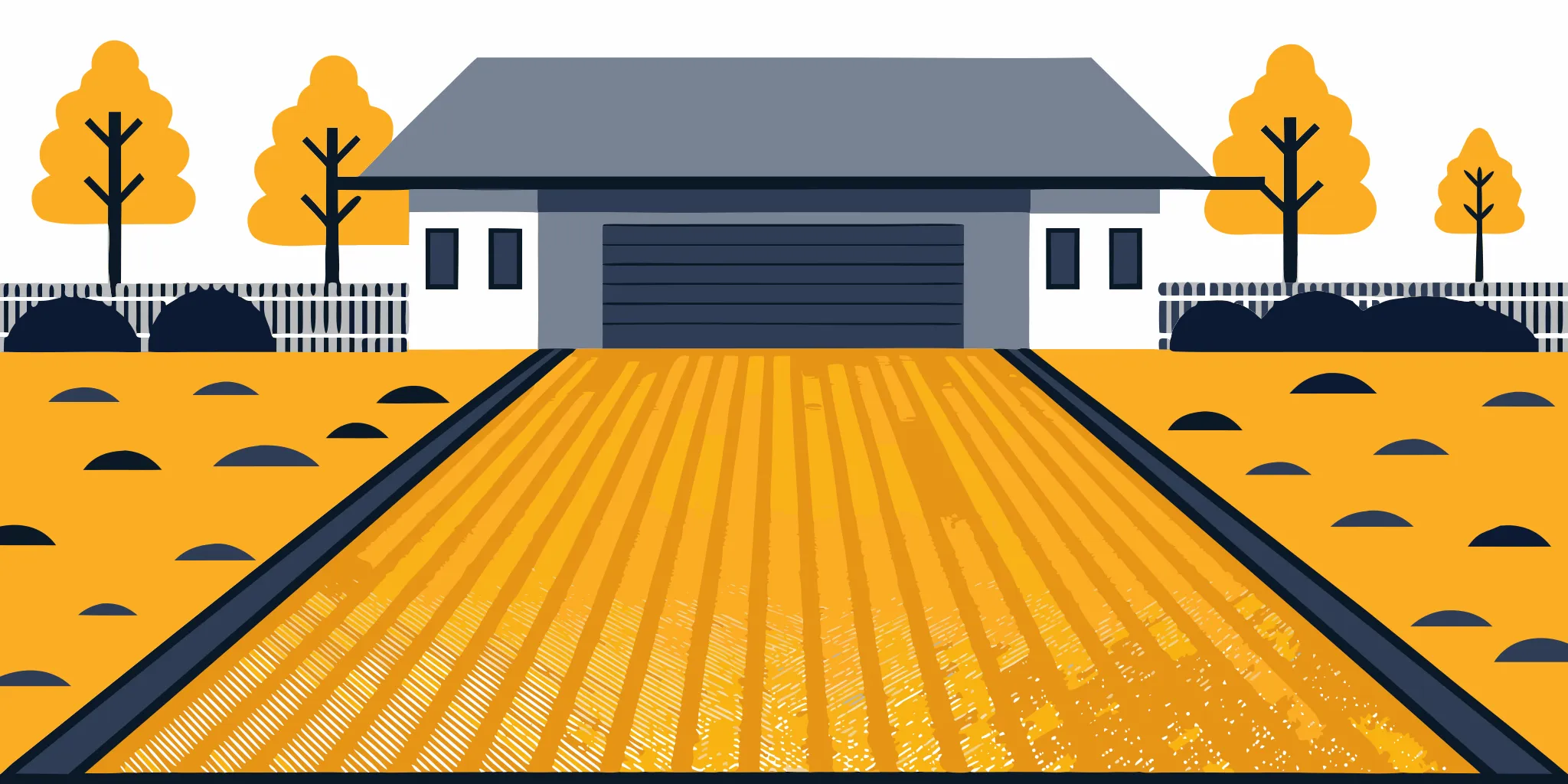
A crown is a high point that runs down the middle of your drive. From this peak, the surface should slope down toward each side. This shape lets water flow to the edges instead of pooling in the center. For most home drives, a 2% to 4% slope is the best choice to move water off the surface. This means the height should drop about 2 to 4 inches for every 100 feet of width.
On hills or steep paths, a cross slope might work better than a crown. A cross slope tilts the whole surface in one way. This helps when you need to direct all the runoff toward a single ditch or a real low area. In Minnesota, good drainage is needed because it helps roads get better faster during the spring freeze-thaw cycle. This lowers the risk of the surface breaking down under heavy loads.
How to grade your driveway
Grading a driveway takes a few steps to get the right shape and firmness. You can use a tractor with a blade or hire a pro with a skid steer to do the work. This helps you keep the right gravel driveway drainage over time.
- Inspect the current path. Look for low spots where water pools or areas where the gravel has washed away. Use a string level to check the slope from the center to the edges.
- Clear the shoulders. Remove grass, dirt, and weeds from the sides of the drive. If the shoulders are higher than the driveway, water will get trapped and cause damage.
- Rough grade the surface. Use a blade to move stone from the edges toward the center. This starts to build the crown and fills in any deep ruts or holes.
- Add new stone. Spread a layer of Class 5 gravel or crushed stone. This new stone gives the base needed to hold the shape of the grade.
- Fine grade the crown. Shape the surface so it has a smooth, even slope toward the edges. Avoid leaving any flat spots where water could collect.
- Compact the stone. Use a heavy roller or a plate compactor to press the gravel down. A firm surface resists water better and stays in place longer.
Diverting water from the shoulders
Once water leaves the driveway, it needs a place to go. You should try to use real drainage systems like valleys or low areas. This avoids the need to dig new ditches that might cause the ground to wear away. If you have a long or steep drive, you may need to install pipes to move large amounts of water safely.
Check your outlets often to make sure they are not clogged with leaves or dirt. If water backs up, it will eventually soak into the driveway base and cause it to fail. Regular outlet maintenance helps protect the base and extend the useful life of the surface.
Choosing gravel that drains without losing stability
Protecting your land by preventing water damage depends on finding a balance. You need a surface that stays firm under big trucks but still lets rain sink into the ground. If the stone is too small, it packs like cement and traps water on top. If the stone is too loose, your tires will sink and leave deep ruts. Picking the right rock keeps your path dry and strong all year.
Using base layers for firm support
The bottom of your driveway needs a strong base like Class 5 gravel. This mix has many stone sizes that pack down into a solid layer. It holds the weight of your cars and keeps the road from sinking into the soft dirt. While it is very strong, it does not let water through fast. Using a firm base is the first step to proper grading and drainage for your home. Without this solid start, even the best top stones will soon fail.
A good base layer should be at least four to six inches thick. This depth spreads the load of your cars across the ground. It also helps the driveway keep its shape over time. When you use a mix like Class 5, you create a base that resists shifts in the soil. This is vital in areas with heavy rain where soft spots can form quickly. A thick base ensures your driveway stays level and avoids deep pits that trap water.
Picking clean rock for fast drainage
To keep water moving, use crushed sharp stone for the top layers. Many pros choose #57 gravel because the sharp edges lock tight. This rock does not roll like round pebbles, so it stays in place when you drive. Large gaps between the stones let water flow through to the soil. This stops the top of your driveway from washing out during heavy rain or fast snow melt. It also gives your tires more grip when the road is wet.
Clean stone does not contain the fine dirt found in base gravel. This is why it drains so well. When rain hits the surface, it falls through the gaps instead of running off the sides. This helps stop erosion that can eat away at the edges of your path. By using clean rock on top, you reduce the risk of flash floods on your lawn. It keeps the water where it belongs and protects your land from damage. This simple choice makes a big difference to ensure proper water drainage.
| Material | Drainage | Stability | Best Use | Compaction |
|---|---|---|---|---|
| Class 5 | Low | Very High | Base layers | High |
| #57 Stone | High | High | Top surface | Low |
| Millings | Medium | High | Top surface | High |
| Pea Gravel | High | Low | Walkways | None |
Stopping mud with landscape fabric
In Minnesota, the ground often has fine clay or silt. According to the University of Minnesota LTAP, these soils are prone to frost and water. Fine dirt can rise into your clean gravel and clog the gaps. This turns your driveway into a muddy mess. Putting down heavy fabric before the stone keeps the mud out. This helps your driveway drainage solutions last much longer.
The fabric acts as a filter that lets water pass but holds back the dirt. This keeps your rock layers separate and prevents them from sinking into the mud. Over time, this saves you money on new gravel. You will not have to keep adding stone as it disappears into the ground. It also makes the driveway easier to maintain. With clean stone on top, you can rake and level the surface without digging up old dirt. This keeps your home looking great and working well.
When does a driveway need a drain, swale, or culvert?
Every gravel driveway needs a way to shed water. If rain sits on the surface, it softens the base and leads to deep ruts. Most issues start when water has no clear path to leave the site. To keep your path dry, you must look at how water moves across your land. You can often solve small problems with proper grading and drainage steps like adding a crown.
Surface runoff tools like swales and culverts
A swale is a shallow, wide ditch lined with grass or rocks. It catches water from the driveway and guides it to a lower spot. Swales work well when you have extra space along the edges of your drive. They are a simple way to manage gravel driveway drainage without burying pipes. If your driveway crosses a low point or a small stream, you will likely need a culvert. A culvert is a large pipe that lets water flow under the driveway instead of over it.
You should check local rules before you install a culvert. Some towns have specific codes for pipe size and material. It is also wise to use natural low spots on your land to move water. Experts at the University of Minnesota Extension say you should use current valleys instead of digging new ditches to protect the soil. This helps keep the land stable and lowers the risk of washouts.
Intercepting water with French and trench drains
Sometimes water comes from below the ground or flows across the surface in a heavy sheet. In these cases, a swale may not be enough. A French drain is best for subsurface water. It uses a pipe buried in a trench filled with rock. This system keeps groundwater from seeping into the gravel base. This is vital in areas with clay or silt, as these soils can weaken when wet. Per University of Minnesota research, roads with good drainage recover faster after the spring thaw.
A trench drain is not the same as a French drain. It uses a grate on top of a narrow channel. You place these drains across the driveway to catch water that flows down a steep slope. Most trenches for driveway drainage solutions need to be about 8 to 12 inches deep. This depth gives enough room for the pipe and the nearby rock. Trench drains are very good at keeping water away from your garage or home.
Finding a safe outlet for water
No drain or ditch will work if the water has nowhere to go. You must ensure your system has a safe outlet. This is often a low area far from your home or a public storm drain. If you live on a hill, you must be careful not to dump water onto a neighbor’s lot. This can cause legal issues or damage their land. You may need to build a small dry well or a rain garden to catch the runoff.
If your land is very flat, moving water can be hard. You might need to raise the entire driveway or use a pump. These tasks are complex and often need big machines. If you are not sure how to fix a wet spot, you may want to look into preventing water damage with professional help. A pro can check the soil and the slope to find the best plan. They can also help you get the right permits if you need to change how water leaves your site.
How to prevent ruts and washouts after installation
A new gravel driveway looks great and works well, but it needs care to stay that way. Without the right care, water can pool and cause deep ruts or washouts. The key to a long life for your drive is a focus on gravel driveway drainage. By using a simple plan each year, you can keep your surface smooth and safe for cars and trucks.
Spring thaw and yearly checks
In Minnesota, the spring thaw is the hardest time for any road or path. As the frost leaves the ground, the soil under it gets soft and weak. Proper gravel driveway drainage helps the surface dry out and heal much faster during this cycle. This quick fix reduces the chance that heavy loads will cause ruts or other damage to the drive. You should walk your driveway in the spring to look for soft spots or areas where water does not flow away.
Early spring is also a good time to check your ditches and pipes. Clear out any leaves, mud, or sticks that block the path of the water. If water stays near the edge of the drive, it will soak into the base and make it soft. Keeping these outlets clean is one of the easiest ways to stop a washout before it starts.
Driveway crown and slope
The shape of your driveway is what moves water off the surface. A proper grading and drainage plan always includes a crown, which is a high point in the center of the drive. This center point should be about 2 to 4 inches higher than the edges. This small slope allows rain to shed to the sides instead of sitting in the middle. Over time, tires will push the gravel down and flatten this crown.
When the crown goes away, water will pool in the center and create ruts. You should rake or grade the gravel back toward the middle to fix this shape. Keeping a 2% to 4% slope from the center to the edge helps water shed well. If you notice loss, add more gravel or asphalt millings. This restores the height and helps prevent water damage.
Pothole repair and truck loads
If a pothole does form, do not just fill it with loose gravel. You must first dig out the soft mud and square off the edges of the hole. Fill the hole with new stone and pack it down tight with a heavy tool or a truck tire. This prevents the hole from coming back during the next rain. It also helps to plan where you pile snow in the winter. Do not block your drainage paths with large snow banks, as this will lead to big puddles when the snow melts.
You should also think about the weight of trucks on your drive. Schedule your gravel loads when the ground is dry or frozen. Heavy trucks on wet, soft gravel can cause deep damage that is hard to fix. If you plan your access and care well, your driveway will stay in top shape for many years.
Should you repair or rebuild a washed-out driveway?
Small ruts and thin spots are often easy to fix. You can just add a new layer of gravel and smooth it out. But deep washouts often mean you have a big problem with your gravel driveway drainage. If you fill a hole without fixing the water flow, the next rain will wash it away again. You must look at the base of the driveway and see where the water comes from to make the right choice. Choosing between a quick fix and a full rebuild is the first step to a dry path.
Signs your driveway base has failed
Deep ruts that keep coming back are a clear sign of base failure. In Minnesota, soils like silt or clay often get soft when they are too wet. This makes it hard for the driveway to hold the weight of cars. As shown by research from the University of Minnesota, roads with good drainage get better much faster after the winter frost. If your driveway stays muddy for a long time, the soil below may be holding too much water.
In these cases, adding more gravel on top will not help for long. You may need to dig out the old dirt and put in a new base layer. Using proper grading and drainage steps keeps the base dry and strong. This stops your driveway from sinking and helps it last for many years. It is better to fix the root of the problem now than to keep filling the same holes every month.
Dealing with water from other land
Sometimes the issue is not your driveway, but water coming from a hill nearby. If your land is low, water from other fields or lawns may flood your driveway. This extra water can quickly wash away your stone and dirt. To fix this, you should guide the water into low spots or small valleys. The University of Minnesota Extension says you should use old paths for water instead of digging new ditches when you can.
A full rebuild lets you change the shape of the land to lead water away. You can add a crown to the center of the driveway so water flows off to the sides. You can also use tough rocks for stopping water damage in areas where water flows fast. Taking the time to fix how water moves will save you a lot of work later. It keeps your path safe and dry even during heavy rain.
Planning your gravel delivery
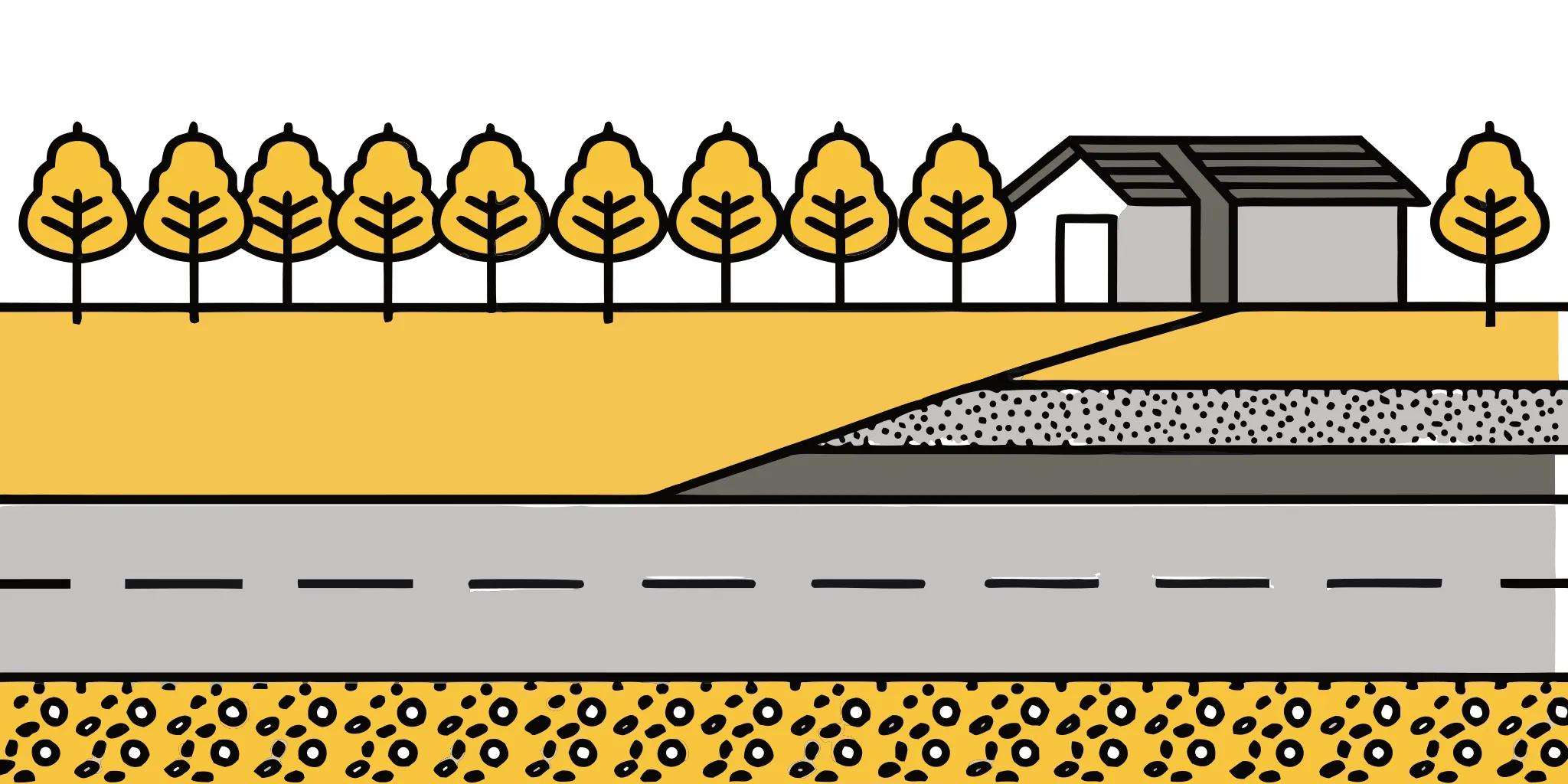
When you are ready to rebuild or repair, you need to plan for your gravel. First, find out the right amount of stone you need for the job. You will need to measure the size of the washout and the depth of the new layer. Most big jobs need many tons of gravel to make a strong surface. You should also think about how a big truck will get to your site. Make sure there are no low branches or tight turns that could block the truck.
Minnesota Aggregates provides Class 5 gravel and asphalt millings with delivery planned around site access and project timing. Before requesting a quote, estimate the material needed and confirm that the delivery truck has room to reach a safe unloading area. Use the cubic yardage calculator to prepare your estimate, then confirm material choice and delivery details with the team.
Request a free quote for driveway aggregate delivery.
Frequently Asked Questions
What is the best slope for a gravel driveway?
To keep water from pooling on your path, you should aim for a slope of about 2 to 4 percent. This means the surface should drop by 2 to 4 inches for every 100 feet of length. As noted by Minnesota Aggregates, this grade helps shed rain toward the edges of the road. A good slope prevents water from sitting in one spot. This keeps the base from getting soft and forming deep ruts over time.
How can I prevent a gravel driveway washout?
You can stop washouts by adding a crown to the center of your driveway. A crown is a slight hump that forces water to flow off the sides instead of down the middle. Proper grading and the use of sharp stone also help hold the surface in place. For areas with heavy flow, you may need a French drain or a trench drain. These tools catch fast water and move it away from the drive before it can wash your rock away.
Does a gravel driveway need landscape fabric?
Using heavy-duty landscape fabric is a smart choice for any new gravel path. This cloth acts as a barrier between the clean stone and the soft dirt below. As found by the University of Minnesota, fine soil reacts poorly to water and can weaken the base. The fabric stops mud from rising and clogging your gravel. This simple layer keeps your path stable and makes it last much longer.
What is the best gravel for driveway drainage?
Crushed stone like #57 gravel is the best choice for drainage. Unlike round rocks, these stones have sharp edges that lock tight to create a firm surface. The large gaps between the rocks let rain pass through easily to the soil below. As noted by Minnesota Aggregates, using this stone stops water from pooling on top of your driveway. It provides a stable path for cars while keeping the ground dry and free of deep puddles.
Ready to stop ruts and washouts on your Minnesota driveway?
Allowing water to sit on your driveway will quickly turn a small rut into a deep pit that ruins your tires and costs much more. If you do not fix these issues now, the next heavy rain will wash away your gravel and leave you with a very muddy mess. By setting up proper grading and drainage today, you save money on future repairs and ensure your home stays easy for your friends and family.
Ready to protect your property from more drainage damage? Minnesota Aggregates can help you plan the material and delivery details for your driveway project.
Call 612-772-3677 to request a free quote for aggregate delivery.