
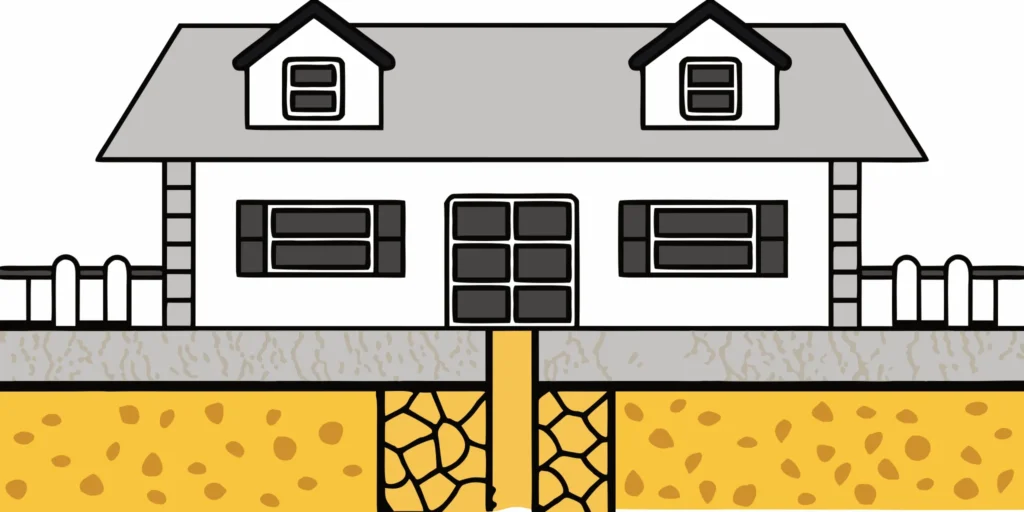
Your driveway is one of the first things people see, but it also has to be a workhorse, standing up to daily traffic and harsh weather. If you’re looking for a budget-friendly and durable solution, you’ve probably narrowed your options down to recycled aggregates. The discussion around crushed concrete vs asphalt millings for driveway surfaces is a common one because both offer incredible value. However, their differences in texture, color, and permeability can have a big impact on your final result. Let’s look closely at how these two materials stack up in terms of cost, installation, and long-term care to find the perfect match for your needs.
Key Takeaways
- Choose your material based on looks and drainage: Crushed concrete offers a light-colored, permeable surface that helps prevent puddles by letting water drain through. Asphalt millings provide a dark, pavement-like finish that hardens over time and sheds water off to the sides.
- A solid foundation is non-negotiable: The long-term success of your driveway depends on proper site preparation. For either material, you must remove all soft topsoil and use a geotextile fabric to create a stable base that won’t sink or shift.
- Understand how each material gets its strength: Crushed concrete creates a strong, stable surface immediately because its angular pieces interlock when compacted. Asphalt millings become stronger over time as the residual tar binder heats up and fuses the pieces into a durable, solid surface.
Crushed Concrete vs. Asphalt Millings: What’s the Difference?
When you’re planning a new driveway or a path, you’ll likely come across two popular recycled materials: crushed concrete and asphalt millings. They might sound similar, but they have distinct origins and properties that make them suitable for different needs. Understanding these differences is the first step in choosing the right material for your project, ensuring you get the look, durability, and performance you expect. Let’s break down what each material is and what sets them apart.
What is Crushed Concrete?
Think of crushed concrete as concrete getting a second chance. It’s made by breaking down old concrete from sources like demolished buildings, sidewalks, and roads. During the recycling process, any steel reinforcements, like rebar, are carefully removed. The remaining concrete is then crushed into various sizes, creating an aggregate with a rough, angular texture. These sharp edges are important because they allow the pieces to interlock tightly when compacted, forming a very stable and solid base. It’s a straightforward, durable material that provides excellent support for a variety of projects.
What are Asphalt Millings?
Asphalt millings are another eco-friendly choice, created by recycling old asphalt surfaces. When a road or parking lot is repaved, the top layer of old asphalt is ground off. This reclaimed material, known as millings, is a mixture of aggregate (small stones and sand) and the asphalt binder that once held it all together. When you need a reliable source for this material, getting timely asphalt milling delivery is key to keeping your project on track. Unlike crushed concrete, millings contain that residual tar, which plays a big role in how the material behaves after installation.
Comparing Their Look and Makeup
At first glance, the most obvious difference is color. Asphalt millings are dark gray or black, while crushed concrete is typically a light gray or off-white. This can have a big impact on the final look of your driveway. Beyond aesthetics, their composition is fundamentally different. Crushed concrete consists of sharp, angular pieces that lock together mechanically for strength. In contrast, the leftover asphalt binder in asphalt millings allows them to bond together over time. When compacted and warmed by the sun, the binder softens, helping the millings fuse into a more solid, cohesive surface that resembles traditional asphalt pavement.
Which Material is a Better Value for Your Driveway?
When you’re deciding on a new driveway, “value” means more than just the price tag. A driveway is a long-term part of your property, so you want something that not only fits your budget but also stands up to Minnesota’s tough seasons, requires minimal upkeep, and looks great for years to come. Both crushed concrete and asphalt millings are excellent, budget-friendly alternatives to traditional paving methods, but they offer different benefits.
To figure out which material gives you the best return on your investment, you need to look at the whole picture. This includes the initial cost of materials and installation, how each one holds up under the weight of your vehicles, the way they handle rain and snow, and their environmental impact. Let’s break down these key factors to help you decide whether crushed concrete or asphalt millings are the right fit for your home or project.
Comparing the Costs
Let’s talk numbers. Generally, both crushed concrete and asphalt millings are cost-effective choices for a driveway. The material cost for crushed concrete typically runs from about $1 to $3 per square foot. Professional installation will add to that initial price, but it’s still significantly less than new concrete or asphalt.
While prices can fluctuate based on your location and the supplier, asphalt millings often come in at a slightly lower upfront cost. However, the difference is usually not dramatic. The best way to compare is to get a specific quote for your project size. When you’re ready, you can get a clear idea of the costs for an asphalt milling delivery to your property.
Durability and Strength
Your driveway needs to be tough enough to handle everything from your family car to a heavy delivery truck. Crushed concrete is known for its exceptional strength and stability right from the start. The angular pieces of concrete interlock tightly when compacted, creating a solid base that resists shifting and can support heavy loads without a problem.
Asphalt millings also create a very durable surface, but they do it a bit differently. Over time, especially in the summer heat, the residual asphalt binder in the millings softens and helps the pieces fuse together. This process creates a strong, cohesive surface that can last for decades with proper installation. For either material, starting with a proper foundation, often using Class 5 gravel, is the key to a long-lasting driveway.
Handling Weather and Water
In Minnesota, we see every kind of weather, so how your driveway manages water is a big deal. Crushed concrete has an edge here because it’s permeable. The gaps between the pieces of concrete allow water to drain right through the surface. This is a fantastic feature for preventing puddles, reducing runoff, and minimizing ice patches in the winter.
Asphalt millings behave differently. As they compact and bind together, they form a harder, less porous surface. This helps shed water off to the sides, much like a traditional asphalt driveway. To prevent pooling, it’s important that an asphalt milling driveway is graded correctly. Both materials hold up well in our climate, but they manage rain and snowmelt in distinct ways.
The Eco-Friendly Choice
If sustainability is important to you, you’re in luck. Both crushed concrete and asphalt millings are 100% recycled materials. Crushed concrete is made from old sidewalks, foundations, and roads that have been broken down. Similarly, asphalt millings are reclaimed from old road surfaces during repaving projects.
By choosing either of these materials, you are making an environmentally responsible decision. You’re keeping tons of waste out of landfills and reducing the demand for newly mined resources like stone and sand. It’s a great way to build a functional, attractive driveway while also being kind to the planet. You can even start planning your project’s material needs with a handy cubic yardage calculator.
Weighing the Pros and Cons
Crushed Concrete: The Good and The Bad
Crushed concrete is a solid choice if you’re looking for an affordable and eco-friendly driveway material. Since it’s made from recycled concrete, you’re keeping waste out of landfills and reducing the need for new resources. With proper care, a crushed concrete driveway can be quite durable, lasting up to 30 years. It’s a practical option that’s good for your wallet and the planet.
On the flip side, the texture isn’t for everyone. The surface can be bumpy and uneven, which might not be ideal for walking or if you prefer a perfectly smooth ride. It’s something to keep in mind if surface texture is a high priority for your project.
Asphalt Millings: The Good and The Bad
Asphalt millings are another fantastic recycled option, made from old asphalt pavement that’s been ground up. The biggest draw is the cost savings; it’s much cheaper than laying new asphalt. Millings also create a strong, durable surface because the leftover tar helps the pieces bind together over time, especially in the summer heat. Our asphalt milling delivery service makes it easy to get this high-value material right to your site.
The main thing to watch for is quality. The performance of millings can vary depending on the source of the original asphalt. If the material is old, dry, or mixed with dirt, it won’t compact as well. That’s why working with a trusted supplier is key.
Common Myths About Performance
When you talk to people who have used these materials, you hear a few common themes. Some find that crushed concrete can break down faster than expected, especially with heavy vehicle traffic, turning dusty or seeming to sink into the ground over time. It can also be a bit rough on vehicle tires.
In contrast, many people report great results with asphalt millings. They often say the material packs down tightly, almost like a paved road, and holds up well for years. While crushed concrete can get dusty, millings tend to produce less dust once they’ve settled and compacted. These real-world experiences are worth considering as you decide which material fits your needs best.
Comparing Installation and Maintenance
A beautiful, long-lasting driveway doesn’t happen by accident. Whether you choose crushed concrete or asphalt millings, the secret to success lies in proper installation and consistent care. Think of it like building a house; a strong foundation is everything. Skipping steps during the setup phase will only lead to headaches and repairs down the road. Both materials require a solid base and careful layering to perform their best. The installation process sets the stage for decades of performance, while simple maintenance ensures your driveway withstands Minnesota’s tough seasons. From the initial excavation to the final compaction, every step matters. This isn’t just about dumping gravel and spreading it around. It’s about creating a stable, well-drained surface that can handle the weight of vehicles and the freeze-thaw cycles of winter. Once your driveway is installed, a little bit of seasonal upkeep will go a long way in keeping it functional and looking great for years. Let’s walk through what it takes to get the job done right from the start and how to maintain your investment over time.
Preparing the Ground
Before any new material touches the ground, you need to prepare the area thoroughly. This is the most critical step for ensuring your driveway lasts. Simply spreading a thin layer of gravel over the existing ground is a recipe for a lumpy, unstable surface. Proper preparation involves digging out the designated space, removing all grass, weeds, and soft topsoil. For many projects, laying down a special geotextile fabric is a smart move, as it creates a barrier that prevents your new material from sinking into the soil below. After that, you’ll build up your base in layers, compacting each one to create a firm, stable foundation for your driveway. Our professional skid steer services can make this excavation and grading process much faster and more precise.
Getting the Installation Right
With a solid base prepared, you’re ready to lay your surface material. For a typical residential driveway, you should aim for a depth of three to four inches after compaction, especially if it will see traffic from heavier vehicles. The process starts with spreading the crushed concrete or asphalt millings evenly over the prepared base. As you lay the material, it’s important to ensure it’s graded correctly to allow for proper water drainage away from your home and garage. Once the material is in place, the final step is compaction. Using a heavy roller presses the aggregate together, creating a dense, durable surface that can handle daily use. You can use our cubic yardage calculator to figure out exactly how much material you’ll need for your project’s dimensions.
Installation Mistakes to Avoid
Two common mistakes can undermine an otherwise great driveway project. The first is building on top of topsoil. If your current driveway was made by simply dumping gravel on the ground, you need to dig it all out. You must remove the old material and soft topsoil until you hit the firm subsoil underneath. This provides the solid ground your new foundation needs. The second major error is skipping the geotextile fabric. This special road fabric acts as a separator between the soil and your aggregate, preventing the stones from being pushed down into the mud over time. It’s an extra step that adds incredible stability and longevity to your driveway, so don’t be tempted to cut this corner.
Long-Term Care for Your Driveway
Once your driveway is installed, keeping it in top shape is fairly straightforward. For an asphalt millings driveway, you’ll want to re-compact the surface periodically, as vehicle traffic can loosen it over time. This keeps it smooth and stable. If you notice any small potholes, just fill them with new millings and tamp them down. For crushed concrete, maintenance involves occasionally filling in any low spots with fresh material and sweeping it to keep it clean. Over time, you might also consider applying a sealant to a crushed concrete driveway to help bind the surface and reduce dust. A little attention each season is all it takes to protect your driveway and keep it looking its best.
Related Articles
- The Honest Pros and Cons of a Crushed Asphalt Driveway – Minnesota Aggregates
- Where to Buy Asphalt Millings: A Buyer’s Guide – Minnesota Aggregates
- Recycled Asphalt Driveway Cost Per Square Foot Guide – Minnesota Aggregates
Frequently Asked Questions
How long does it take for asphalt millings to fully harden? Asphalt millings begin to compact as soon as they are installed and rolled, but the process of them truly hardening is gradual. The real binding happens with heat and pressure from the sun and your vehicles. You’ll notice the surface getting significantly harder over the first summer. It can take a full season, or sometimes up to a year, for the millings to cure into a very solid, pavement-like surface.
Which material is better for dealing with Minnesota snow and ice? Both materials perform well in our winters, just in different ways. Because crushed concrete is permeable, it allows water from melting snow to drain through the surface, which can help reduce ice buildup. Asphalt millings, once compacted, create a harder, less porous surface that is very easy to plow or shovel cleanly. The best choice depends on whether you prioritize excellent drainage or a smoother surface for snow removal.
Can I install a driveway with these materials myself? While it’s possible to tackle a small project on your own, installing a driveway is a physically demanding job that requires the right equipment for a lasting result. The most important step is preparing the base, which involves excavating soil and properly compacting the foundation. For most homeowners, hiring a professional with access to equipment like a skid steer and a heavy roller is a worthwhile investment to ensure the driveway is stable and built correctly.
Will these materials get tracked into my house on my shoes? When the driveway is brand new, you might track in some loose bits of material. Crushed concrete can be a little dusty at first, and small pieces of asphalt millings might stick to shoes before the surface has had a chance to fully compact. This issue usually resolves itself within a few weeks as the driveway settles with use. Once an asphalt milling driveway cures, it becomes very stable and tracking is minimal.
How do I know exactly how much material to order for my driveway? Getting the quantity right is key to staying on budget and avoiding delays. First, you’ll need to measure the length and width of your project area to determine the total square footage. Next, decide on the depth of the material, which is usually three to four inches for a residential driveway. Once you have those three measurements, you can use an online cubic yardage calculator to get an accurate estimate for your order.