
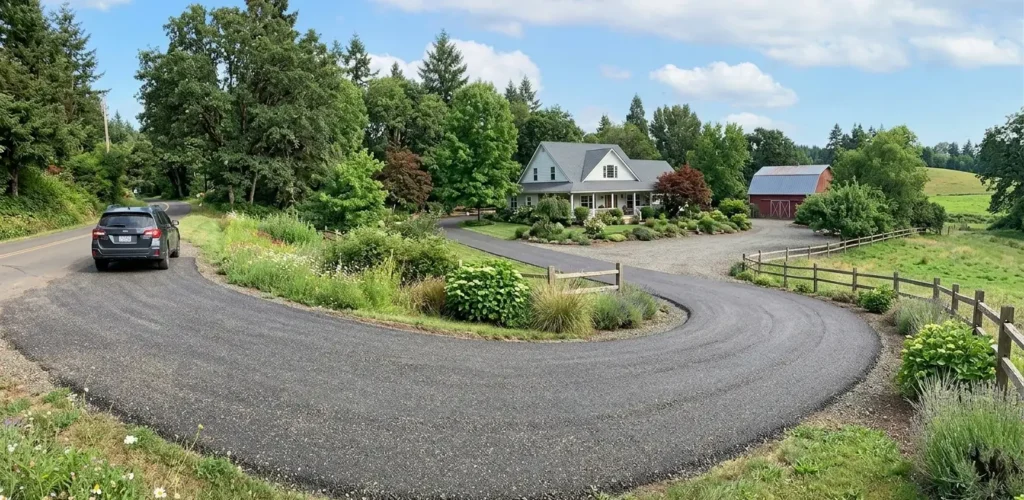
Making a sustainable choice for your property doesn’t have to come with a premium price tag. In fact, when it comes to your driveway, the eco-friendly option is also one of the most budget-friendly. Recycled asphalt gives old materials a second life, keeping them out of landfills while providing a strong, reliable surface for your home. It’s a smart decision for the planet and your wallet. But just how affordable is it? We’ll break down the numbers, giving you a clear look at the recycled asphalt driveway cost per square foot and showing you how choosing a greener material can lead to significant savings.
Key Takeaways
- Choose recycled asphalt for a smart, sustainable driveway: This material provides the durability needed to handle Minnesota weather at a much lower cost than new asphalt, all while keeping materials out of landfills.
- Prioritize proper site preparation for a lasting surface: The long-term success of your driveway depends on a solid foundation; proper grading for drainage and a stable base are essential for preventing cracks and weather damage.
- Create a complete budget to prevent surprise costs: Your final price includes more than just the asphalt itself, so remember to account for delivery fees, site prep work, and any potential permits to get a true estimate of your total investment.
What is Recycled Asphalt (And Why It’s Great for Your Driveway)
If you’re looking for a driveway material that’s both budget-friendly and durable, recycled asphalt is an excellent choice. You might hear it called reclaimed asphalt pavement (RAP) or asphalt millings, but it’s all the same thing: old asphalt from roads and other projects that has been crushed into gravel. This process gives existing materials a second life, turning them into a versatile product for driveways, paths, and parking areas.
Instead of being sent to a landfill, the old asphalt is ground up, creating a mix of gravel and asphalt cement. When you spread and compact it, the pieces bind together over time, especially in the summer heat, forming a solid and stable surface. It’s a practical solution that offers a great balance of performance and value, which is why our asphalt milling delivery service is so popular for projects across Minnesota. It gives you the strength of asphalt without the high price tag of a brand-new pour. The beauty of recycled asphalt lies in its simplicity and effectiveness. It provides a smooth, dark surface that looks clean and professional, much like traditional asphalt, but with a more rustic, textured appearance. It also produces less dust than a standard gravel driveway and handles Minnesota’s freeze-thaw cycles exceptionally well. Because the material is already weathered, it’s less prone to cracking and shifting.
The Eco-Friendly Benefits
Choosing recycled asphalt is a decision you can feel good about. The biggest environmental win is that it keeps a massive amount of material out of our landfills. Every ton of recycled asphalt used is a ton that isn’t taking up valuable space. Plus, it reduces the need to mine for new raw materials, which helps conserve our natural resources. This reuse cycle is a simple but powerful way to make your project more sustainable. It’s a smart choice for the planet and, as a bonus, it’s often much more affordable than new asphalt, sometimes costing up to five times less.
How Well Does It Hold Up?
One of the first questions people ask is about durability, and the answer is that recycled asphalt holds up incredibly well. It’s designed to withstand heavy traffic and harsh weather, making it a perfect fit for Minnesota’s demanding climate. In fact, many experts agree that recycled asphalt is just as durable as new, or “virgin,” asphalt. Once compacted, the material hardens to form a strong, cohesive surface that resists erosion and stands up to snowplows. With proper installation and basic care, a recycled asphalt driveway can easily last for up to 20 years, giving you a long-lasting surface you can rely on season after season.
Busting Common Myths About Recycled Asphalt
There are a few misconceptions about recycled asphalt that are worth clearing up. The most common myth is that it’s weaker than new asphalt, but that’s simply not true. As we’ve covered, its durability is comparable to virgin asphalt. Another myth is that it’s a high-maintenance material. In reality, it’s quite the opposite. Recycled asphalt requires very little upkeep compared to gravel, which needs frequent raking, or concrete, which can crack and stain. A recycled asphalt driveway is a low-maintenance solution that can last for two decades before it’s ready to be recycled all over again.
How Much Does a Recycled Asphalt Driveway Cost?
One of the biggest draws of a recycled asphalt driveway is its affordability. It gives you a durable, long-lasting surface without the high price tag of brand-new asphalt. But what does that look like in real numbers? The final cost depends on a few key things, like the size of your driveway and where you’re located in Minnesota. Let’s break down the typical costs so you can get a clear idea of what to budget for your project.
Your Average Cost Per Square Foot
When you’re planning your budget, thinking in square feet is a great place to start. On average, a recycled asphalt driveway costs between $3 and $6 per square foot for materials and installation. For most homeowners, this makes it a much more budget-friendly option compared to traditional paving materials. This price range typically covers the recycled asphalt itself, the labor to spread and compact it, and any necessary equipment. It’s a straightforward way to get a beautiful and functional driveway that holds up well to Minnesota weather.
Estimating Costs for Your Driveway Size
To put that per-square-foot cost into perspective, let’s look at a common driveway size. For a standard two-car driveway, which is about 20×20 feet (400 square feet), you can expect the total cost to be somewhere between $800 and $2,000. Of course, a longer or wider driveway will adjust that estimate. The best first step is to measure your space. Once you have your dimensions, you can use a cubic yardage calculator to figure out exactly how much material you’ll need for the job.
How Location in Minnesota Affects Price
Your project’s final price tag can also change depending on where you live in Minnesota. Factors like how far you are from a supplier can influence asphalt milling delivery fees. Different municipalities might also have specific requirements that could add to the cost. Even the time of year can play a role, as seasonal demand can affect pricing and availability. Because of these local variables, it’s always a good idea to get a quote based on your specific location to ensure you have the most accurate budget possible.
Recycled Asphalt vs. Other Materials: A Cost Comparison
Choosing the right material for your driveway involves weighing cost, appearance, and long-term durability. Recycled asphalt is a popular choice, but how does it stack up against traditional asphalt, gravel, or even concrete? Let’s break down the costs and benefits of each so you can find the perfect fit for your project and budget.
Recycled vs. Traditional Asphalt
When you’re looking at asphalt, your first choice is between new and recycled. The most noticeable difference is the price tag. A driveway made with traditional hot-mix asphalt typically runs from $7 to $13 per square foot. In contrast, opting for recycled asphalt milling can lower that cost to between $6.20 and $8.75 per square foot. This saving comes from using reclaimed materials, which is also a more sustainable choice. You get a durable, reliable surface that looks great and performs well, all while keeping a little more money in your pocket.
Recycled Asphalt vs. Gravel and Concrete
Gravel is often seen as the most budget-friendly option, and its upfront cost of about $1.25 to $1.80 per square foot reflects that. However, gravel requires more upkeep, like raking and refilling, because it doesn’t bind together. Recycled asphalt provides a more stable and durable surface that holds up better against Minnesota weather. On the other end of the spectrum is concrete, which is a premium choice with a higher price point. While very durable, it can be susceptible to cracking in our freeze-thaw cycles. Recycled asphalt hits a sweet spot, offering more durability than loose materials like Class 5 gravel without the high cost of concrete.
Which Option Offers the Best Long-Term Value?
When you look beyond the initial installation cost, recycled asphalt really starts to shine. It’s less expensive upfront than new asphalt and concrete, and it saves you money over time with its minimal maintenance needs, especially when compared to gravel. A recycled asphalt driveway is a tough surface that, with proper care, can last for 20 years or more before the material is ready to be reclaimed and used again. This blend of affordability, strength, and low upkeep makes it a smart investment for your property. You get a high-performing driveway that stands the test of time without breaking the bank.
What Factors Influence the Final Price?
When you’re planning a new driveway, the price tag is often the first thing on your mind. While getting a cost per square foot is a great starting point, the final number on your invoice depends on a few key variables. Think of it like baking a cake: the cost isn’t just the flour and sugar, but also the fancy decorations, the size of the cake, and whether you have it delivered. Understanding these factors will help you create a realistic budget and avoid any surprises along the way.
The total cost of your recycled asphalt driveway project comes down to more than just the material itself. You’ll need to account for the quality of the asphalt, the specific dimensions of your project, how much prep work your site needs, and the logistics of getting everything delivered. Each of these elements plays a significant role in shaping your final quote. By breaking them down, you can see exactly where your money is going and make informed decisions that align with your budget and your project goals. Let’s look at what goes into the final price.
The Quality of Your Materials
Not all recycled asphalt is created equal, and its quality will have a direct impact on your cost. The great news is that recycled asphalt, often called asphalt millings, is almost always more budget-friendly than brand-new, or “virgin,” asphalt. This is because it’s made from reclaimed materials, which cuts down on production and raw material expenses. The quality can vary based on the source of the original asphalt and how it was processed. Higher-quality millings might be more uniform in size and contain fewer impurities, offering a smoother, more durable finish. While it might be tempting to go for the cheapest option, investing in good-quality material ensures your driveway will hold up better over time.
Your Driveway’s Size and Shape
This might seem obvious, but the single biggest factor determining your final cost is the size of your driveway. A long, winding country lane will require significantly more material and labor than a short, straight path in a suburban neighborhood. You’ll want to measure the length and width to calculate the total square footage. Don’t forget that the shape matters, too. A simple rectangular driveway is easier and faster to pave than one with curves, turnarounds, or multiple entry points. These complex designs require more careful work and can increase labor costs. A great first step is to use a cubic yardage calculator to estimate how much material you’ll actually need for your space.
Prepping the Site
A beautiful, long-lasting driveway needs a solid foundation, and creating that base is a critical part of the process. Site preparation involves clearing the area of any grass, trees, or old pavement. After that, the ground needs to be properly graded to ensure water runs off correctly and doesn’t pool on the surface. Finally, the soil is compacted to create a stable base. If your site is on a slope, has poor soil, or needs significant clearing, this prep work can add to the overall cost. For many projects, this work requires professional equipment, and our skid steer services can handle the heavy lifting to get your site ready for paving.
Delivery Fees and Your Location
Aggregate materials like recycled asphalt are heavy, and getting them from the supplier to your property is a cost you’ll need to factor in. Transportation fees are typically based on the distance from the supplier’s yard to your job site. Here in Minnesota, that distance can vary quite a bit. Delivering materials to a remote property up north will naturally cost more than delivering to a location just outside the Twin Cities. The accessibility of your site can also play a role. If your property is hard to reach with a large truck, it might require special arrangements. A reliable supplier will always be transparent about their delivery fees, so be sure to ask for a quote that includes transportation.
Which Prep Steps Add to the Cost?
When budgeting for a new driveway, it’s easy to focus on the material cost alone. But the work done before the asphalt is laid has a huge impact on the final price and the driveway’s lifespan. Proper site preparation is a critical investment, preventing future headaches like cracks, sinking, and water damage. The main prep steps that will factor into your total cost are excavation and grading, building a solid foundation, and ensuring proper drainage. These elements create the stable, long-lasting base your recycled asphalt driveway needs to withstand Minnesota weather for years to come.
Excavation and Grading
Before you can build up, you often have to dig down. Excavation involves removing the top layer of soil, old pavement, or vegetation to create a clean slate for your new driveway. After the area is cleared, it needs to be graded. This process shapes the land to create a level and stable surface with a slight slope, guiding water away from your foundation. The cost of this step depends heavily on your property’s current condition. A flat, clear area will require less work than a sloped, rocky, or heavily vegetated site. Professional skid steer services are often used to handle this heavy lifting efficiently, ensuring the site is perfectly prepared for the next phase.
The Foundation: Base Material Costs
A recycled asphalt driveway is only as strong as the foundation it rests on. A solid base layer is essential for distributing weight evenly and preventing the surface from shifting or cracking over time. In Minnesota, the go-to material for this foundation is typically a crushed stone aggregate. A high-quality Class 5 gravel provides the perfect mix of stability and drainage needed to support your driveway through harsh weather cycles. The thickness of this base layer can vary from four to eight inches or more, depending on your soil type and the expected vehicle load. Naturally, a thicker base requires more material, which will increase the project cost.
Ensuring Proper Drainage
Water is the number one enemy of any driveway. If it’s allowed to pool on the surface or seep into the base layer, it can cause significant damage, especially during Minnesota’s freeze-thaw cycles. Proper drainage is vital to prevent water from accumulating and compromising the structure of your driveway. Much of this is handled during the grading phase, where a gentle slope is created to direct runoff. However, some properties may require additional drainage solutions, such as installing culverts or French drains, to manage heavy water flow effectively. While these additions will add to the upfront cost, they are a worthwhile investment in protecting your driveway from premature failure.
DIY vs. Hiring a Pro: What’s Right for You?
Deciding whether to install your recycled asphalt driveway yourself or hire a professional is a big decision. While the DIY route can seem like a great way to save money, it’s important to weigh the potential savings against the time, effort, and equipment required to do the job correctly. A professionally installed driveway often lasts longer and looks better, but tackling the project yourself can be rewarding if you have the right skills and tools.
Your final choice depends on your budget, timeline, and comfort level with large-scale landscaping projects. Let’s break down what each path involves so you can figure out which one makes the most sense for your home.
The Pros of Professional Installation
Hiring a professional is often the best choice if you want peace of mind. Experts understand the nuances of site preparation, including proper leveling and drainage, which are critical for preventing future issues like pooling water or cracking. They have the experience and commercial-grade equipment to create a solid, compacted base that ensures your driveway will stand the test of time.
If you don’t have experience with this type of work, a pro can save you from costly mistakes. They handle all the heavy lifting, from excavation to final compaction. Many contractors also offer comprehensive skid steer services to properly grade the area, a step that’s essential for a durable and long-lasting surface.
The Challenges of a DIY Project
Taking on a driveway installation yourself can be a satisfying project, but it’s not without its challenges. To save money, you’ll need to do your homework on the entire process, from preparing the ground to compacting the asphalt millings. You’ll also need to rent the right tools, like a heavy-duty plate compactor, to ensure the material is packed down tightly.
The most critical part of a DIY installation is building a solid foundation. Just like traditional asphalt or concrete, recycled asphalt requires a stable base to prevent it from shifting and breaking down. If you’re ready to get your hands dirty, you can start by ordering your asphalt milling delivery and getting to work.
Factoring in Equipment and Labor
When you’re comparing costs, remember to factor in more than just the materials. While you won’t be paying for a contractor’s labor, your own time has value. A DIY project also comes with equipment rental fees, which can add up quickly. The final cost is influenced by several factors, including the quality of your materials and the size of your driveway.
A larger or thicker driveway will require more materials and more time to install, whether you do it yourself or hire someone. Before you start, it’s a good idea to map out your project and use a cubic yardage calculator to get an accurate estimate of how much material you’ll need. This will help you create a realistic budget and avoid surprises.
How to Maintain Your Driveway for Lasting Results
You’ve made a smart choice with a recycled asphalt driveway. It’s tough, eco-friendly, and looks great. While it’s known for being low maintenance compared to other materials, a little bit of care will go a long way in protecting your investment. Taking a few simple steps throughout the year ensures your driveway stays in top shape for decades, saving you from bigger headaches and costs down the road. Think of it as simple upkeep that guarantees longevity and keeps your property looking sharp.
Sealing: How Often and How Much?
Sealing your driveway is like applying sunscreen; it provides a protective barrier against the elements. A quality sealant shields the asphalt from water penetration, UV rays, and oil spills, which can all cause it to break down over time. Recycled asphalt driveways need regular sealing to prevent cracks and other surface damage. Generally, you should apply the first coat about six months to a year after installation to let it fully cure. After that, resealing every two to three years is a good rule of thumb. This simple preventative step is one of the most effective ways to extend the life of your driveway and keep it looking brand new.
Making Quick and Easy Repairs
One of the best things about an asphalt driveway is how easy it is to repair. The key is to catch small problems before they become big ones. Make it a habit to walk your driveway every spring and fall to check for any issues like small cracks or potholes. You can fill minor cracks with a simple pourable filler from any hardware store. For small potholes, an asphalt patch compound works wonders. Addressing these issues quickly prevents water from seeping underneath and causing more extensive damage. With this kind of proactive maintenance, your recycled asphalt driveway can easily last up to 20 years before needing a major overhaul.
Simple Cleaning and Care Tips
Keeping your driveway clean isn’t just about appearances; it’s also about preventing long-term damage. Regularly sweep away leaves, dirt, and other debris, as they can hold moisture against the surface and lead to stains or deterioration. If you notice any oil or fluid leaks from a vehicle, clean them up as soon as possible. A stiff brush, some dish soap, and water are often all you need to lift the stain before it sets. Also, try to be mindful of sharp objects, like the edges of a snowplow blade, and avoid parking heavy equipment in the same spot for extended periods, especially during hot summer days.
Are There Any Hidden Costs to Expect?
Nobody likes a surprise bill, especially when you’re working with a set budget for a home improvement project. While a recycled asphalt driveway is a cost-effective choice, a few factors can pop up and add to your final total. Planning for these potential expenses from the start is the best way to keep your project on track and your wallet happy. From local permits to the time of year you decide to build, several variables can influence the final price tag.
It’s easy to focus on the main costs, like materials and labor, but overlooking the smaller details can lead to budget overruns. For example, did you know your city might require a permit for the work? Or that scheduling your installation in July versus October could change the price? Even the ground beneath your project holds potential surprises that might require extra materials to ensure a stable, long-lasting driveway. Thinking through these possibilities isn’t about expecting the worst; it’s about being prepared. By understanding these potential hidden costs, you can create a comprehensive budget that covers all your bases and allows you to move forward with confidence. A little foresight goes a long way in ensuring your driveway project is a smooth, stress-free experience from the first scoop of dirt to the final compaction. Below, we’ll break down the most common unexpected expenses to watch for so you can budget like a pro.
Permits and Inspections
Before you break ground, it’s smart to check in with your local municipality. Some cities and counties in Minnesota require permits for driveway installations or modifications, especially if the work affects drainage or the public right-of-way. These permits and any required inspections come with fees that can vary quite a bit by location. A quick call or visit to your local planning or building department’s website can clarify the local requirements you’ll need to follow. Getting this sorted out early prevents potential fines and delays down the road.
How the Season Affects Pricing
In Minnesota, the weather plays a big role in construction costs. The high demand for materials and labor during the peak summer months can drive prices up. Transportation and availability can also be affected by seasonal limitations. If your timeline is flexible, consider scheduling your project for the shoulder seasons, like late spring or early fall. You might find better availability and more competitive pricing for both your asphalt milling delivery and professional installation. A little bit of strategic planning can lead to significant savings.
Unexpected Material Needs
Sometimes, the ground beneath your project holds surprises. Once excavation begins, you might discover that the soil is softer than anticipated or that you have underlying drainage issues. These situations often require extra site preparation or additional base materials to create a stable foundation for your driveway. It’s a good practice to build a contingency fund, typically around 10% to 15% of your total project cost, into your budget. This buffer ensures that unexpected material needs won’t derail your project. Using a cubic yardage calculator can help you get a solid baseline for your initial material estimates.
How to Get the Best Value for Your Money
Getting a great price on your recycled asphalt driveway comes down to smart planning and knowing what to look for. A little bit of prep work before you buy materials or hire help can save you a significant amount of money and prevent headaches down the road. By timing your project right, sourcing materials wisely, and getting clear quotes, you can ensure your investment is sound and your driveway looks great for years to come. Let’s walk through a few key steps to get the most out of your budget.
Choosing the Right Time to Install
In Minnesota, timing is everything. The best time to install a recycled asphalt driveway is during the warmer, drier months, typically from late spring to early fall. Cold, wet weather can complicate the installation process, leading to potential delays and a less stable final product. While demand for materials and contractors can be higher during peak season, working with cooperative weather is often worth it. Planning your project for a dry spell ensures the ground is properly prepared and the asphalt millings can be compacted effectively, giving you a durable and long-lasting surface.
Tips for Sourcing Your Materials
Finding a reliable source for your recycled asphalt is key to getting good value. You can often find quality materials from paving companies and direct suppliers. When you work with a dedicated supplier, you can count on consistent quality and dependable Asphalt Milling Delivery right to your project site. Here’s a pro tip: if your supplier stores materials uncovered and charges by weight, try to schedule your pickup or delivery during dry weather. Rain can add significant water weight to the pile, meaning you’d be paying for moisture instead of material.
How to Get an Accurate Quote
If you’re hiring a professional for installation, getting a clear and detailed quote is essential. A good rule of thumb is to get at least three different estimates to compare pricing and services. Before you commit, make sure any contractor you consider has a valid business license and insurance. Always ask for a detailed written contract that outlines the scope of work, materials, and total cost before the project begins. To double-check the material amounts in your quote, you can use a Cubic Yardage Calculator to get a solid estimate for your driveway’s dimensions.
Related Articles
- From Foundations to Finishes: Innovative Uses of Asphalt Millings in Every Project – Minnesota Aggregates
- Fast Minnesota Asphalt Milling Delivery | On-Time Service
- What is the Best Gravel for a Driveway? 5 Types Compared – Minnesota Aggregates
Frequently Asked Questions
How is a recycled asphalt driveway different from a regular gravel one? The key difference is the asphalt cement mixed in with the gravel. While a standard gravel driveway is made of loose stones that shift and create dust, recycled asphalt contains bits of asphalt that bind together. Over time, especially with summer heat and the weight of your vehicles, the material compacts and hardens into a solid, more stable surface that requires much less maintenance than loose gravel.
Will my recycled asphalt driveway get soft and sticky in the summer? This is a common concern, but you don’t need to worry about a sticky mess. While the warmth of the sun does help the asphalt particles bond together, especially after it’s first installed, a properly compacted driveway hardens into a durable surface. It won’t become soft or tacky like freshly laid hot asphalt. Instead, it forms a solid, reliable surface that stands up well to heat.
Can I put recycled asphalt over my existing driveway? It really depends on the condition of your current driveway. If you have a solid, stable base without major cracks or drainage problems, you might be able to lay recycled asphalt on top. However, if your existing driveway is crumbling, uneven, or has poor drainage, it’s best to remove it. A strong driveway needs a solid foundation, and starting with proper site prep is the best way to ensure it lasts.
How long do I have to wait before I can drive on it? One of the great things about recycled asphalt is that it’s ready for use very quickly. After the material is spread and compacted, you can typically drive on it within a day. The surface will continue to cure and harden over the next several months, so it’s a good idea to avoid parking heavy vehicles in the exact same spot for long periods during the first few weeks, but it’s ready for normal traffic almost immediately.
What’s the first step I should take if I’m considering this for my property? A great place to start is by measuring the length and width of the area you want to cover. Once you have those dimensions, you can plug them into a cubic yardage calculator to get a solid estimate of how much material you’ll need. This will give you a clear idea of your material costs and help you create an accurate budget for your project.