
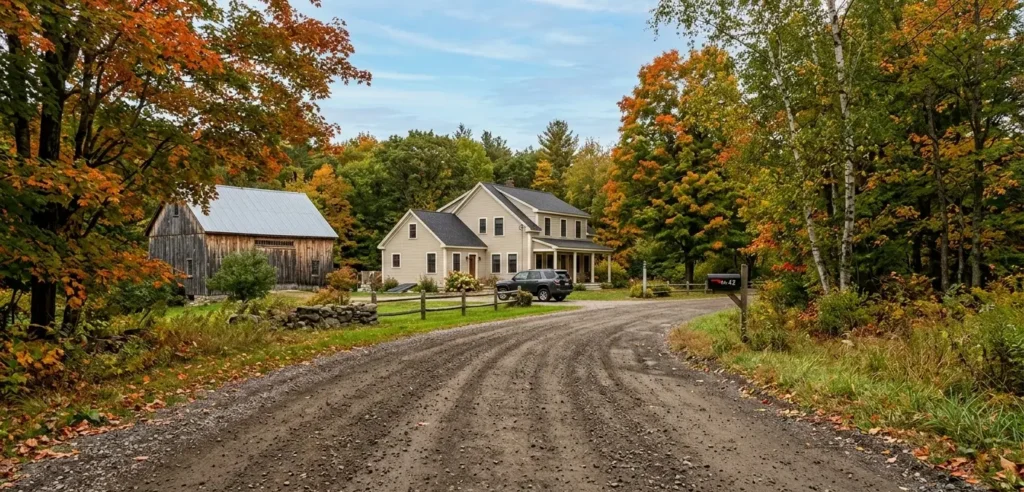
Making sustainable choices for your home feels good, and it’s even better when that choice is also practical and budget-friendly. A crushed asphalt driveway is a perfect example. Made from reclaimed roads that would otherwise end up in a landfill, this material gives old pavement a new purpose right on your property. But being eco-friendly is just one part of the story. You also need a surface that can handle Minnesota weather and daily traffic. This guide offers a straightforward look at the crushed asphalt driveway pros and cons, so you can see how this green solution stacks up in performance, durability, and aesthetics.
Key Takeaways
- Proper installation is everything: The performance of your crushed asphalt driveway comes down to the prep work. A solid, well-graded base and thorough compaction are essential for creating a durable surface that resists ruts and stays put for years.
- It’s a smart, recycled material: Crushed asphalt is a cost-effective and sustainable option that repurposes old pavement. The residual tar within the millings allows the material to bind and harden over time, creating a solid, low-dust surface that is much more stable than loose gravel.
- It’s built for Minnesota weather: Compared to other common materials, crushed asphalt offers a practical balance of benefits for our climate. It is more flexible than concrete during freeze-thaw cycles and requires less maintenance than new asphalt, making it a resilient and valuable choice.
What Exactly Is Crushed Asphalt?
If you’re looking for a driveway material that’s both budget-friendly and durable, you’ve probably come across crushed asphalt. So, what is it? Simply put, crushed asphalt is old asphalt pavement from roads, parking lots, and driveways that has been removed, ground up, and repurposed. It’s also known as reclaimed asphalt pavement (RAP) or asphalt millings. Think of it as giving old roads a second chance to serve a new purpose, right on your property.
This recycling process is one of its biggest draws. Instead of heading to a landfill, old asphalt gets a second life. This approach reduces waste and lessens the demand for brand-new materials, making it a more sustainable choice for your property. You get a high-performance material for your project while also making an environmentally conscious decision. It’s a practical solution that transforms what would be waste into a valuable resource for homeowners and contractors alike. The final product is a mix of gravel-sized asphalt pieces that can be spread and compacted to create a smooth, solid surface that looks more refined than standard gravel but more rustic than new pavement.
From Road to Driveway: The Recycling Process
The journey from a public road to your private driveway is what makes crushed asphalt so unique. The process starts when old, worn-out asphalt surfaces are removed. This is typically done through two common methods: milling or full-depth removal. Milling involves grinding off the top layer of the asphalt, while full-depth removal takes out the entire pavement structure. Once the old asphalt is collected, it’s transported to a processing facility where it’s crushed and screened into consistently sized pieces, ready for its new purpose. This reclaimed material is then ready for asphalt milling delivery to your project site.
Key Factors That Determine Quality
Not all crushed asphalt is created equal. The quality of the final product depends heavily on how it’s processed. Best practices for crushing and screening the reclaimed asphalt are essential for creating a uniform, high-quality material that will perform well for years. A reputable supplier will ensure their RAP is free of debris and crushed to a size that’s ideal for compaction and creating a stable surface. When you’re sourcing materials, it’s important to work with a company that prioritizes quality control, so you can be confident you’re getting a product that will last.
How It Hardens and Binds Over Time
One of the most interesting properties of crushed asphalt is its ability to harden over time. The material contains residual asphalt binder, which is the “glue” that holds traditional asphalt together. When you spread and compact the crushed asphalt on your driveway, pressure and heat from the sun work together to reactivate that binder. This causes the small pieces to fuse, creating a solid, stable surface that’s much more durable than loose gravel. This binding process also makes the surface highly resistant to water, which helps prevent erosion and keeps your driveway in great shape through Minnesota’s changing seasons.
The Pros: Why Choose a Crushed Asphalt Driveway?
If you’re weighing your options for a new or updated driveway, crushed asphalt, also known as asphalt millings, presents some compelling advantages. It’s more than just a budget-friendly choice; it’s a durable and practical solution that stands up to the demands of Minnesota living. From its environmental benefits to its performance in harsh weather, let’s look at why so many homeowners and contractors are turning to this recycled material for their projects. It offers a unique combination of affordability, strength, and sustainability that’s hard to beat.
An Affordable, High-Quality Alternative
One of the biggest draws of a crushed asphalt driveway is its cost-effectiveness. Because the material is recycled from old roads and surfaces, it’s significantly less expensive than new, hot-mix asphalt. This allows you to get a high-quality, durable surface without the premium price tag. When you schedule an asphalt milling delivery, you’re getting a material that has already proven its strength on public roads. It’s a smart way to stretch your project budget while still investing in a reliable, long-lasting driveway that adds value to your property.
An Eco-Friendly Choice for Your Property
Choosing crushed asphalt is a decision you can feel good about. By using recycled materials, you’re helping to keep old asphalt out of landfills and reducing the need to mine for new resources. This process uses less energy and helps lower pollution associated with producing new materials. It’s a sustainable choice that makes a real difference. For homeowners who are conscious of their environmental impact, a crushed asphalt driveway is a great way to align your home improvement projects with your values, creating a functional and responsible addition to your property.
Built to Last Through Minnesota Weather
Minnesota weather is no joke, and your driveway needs to be able to handle it all, from heavy snow and ice to summer heat. Once compacted, crushed asphalt binds together to form a strong, solid surface that can withstand heavy traffic and extreme weather cycles. The material’s dark color helps it absorb sunlight, which can speed up snow and ice melt in the winter. Plus, its textured surface provides better traction than smoother materials, giving you more grip and peace of mind during those icy months.
Better Drainage for Your Yard
Water management is a common concern for property owners, and a crushed asphalt driveway offers a great solution. Unlike solid surfaces that cause water to run off, crushed asphalt is permeable. This means water can drain through the material and into the ground below. This natural drainage helps prevent puddles from forming on your driveway, reduces runoff that can cause erosion in your yard, and helps replenish groundwater. It’s a practical feature that protects your landscaping and foundation from potential water damage, making it a smart choice for any property.
The Cons: What to Consider Before You Commit
Crushed asphalt, asphalt millings, and milled asphalt can make a practical driveway surface, but the material is not a set-it-and-forget-it choice. Before you order, consider the condition of the existing ground, drainage, expected vehicle traffic, maintenance expectations, and the appearance you want. These factors will help you decide whether blacktop millings are the right fit for your property.
The Importance of Proper Installation
Milled asphalt performs best when the ground is properly graded and the base is firm before the material is placed. A stable layer of Class 5 gravel can provide a dependable foundation for many driveway projects. The millings should then be spread evenly and compacted thoroughly, typically with the right heavy equipment for the site. If the base is soft, uneven, or poorly drained, the finished surface is more likely to develop ruts or shift under traffic. That is why preparation matters as much as the material itself. Professional skid steer services can help with grading and material placement when the project calls for equipment support.
What to Expect for Maintenance and Upkeep
A well-prepared and well-compacted crushed asphalt driveway may need less routine attention than a loose gravel surface, but it is not maintenance-free. Watch for standing water, washouts, and low spots, especially after heavy rain or a Minnesota freeze-thaw cycle. Addressing drainage problems early helps protect the base and limits erosion. Light surface movement can often be corrected by adding material and compacting the affected area. Ask about the right maintenance approach for your specific material and site instead of assuming every driveway needs the same treatment.
Is It the Right Look for Your Home?
Asphalt millings do not have the uniform, freshly paved appearance of new hot-mix asphalt. After placement and compaction, they typically create a darker gray surface with a textured, more natural look. That appearance may suit some properties, but it may not match every homeowner’s preference. If a crisp, uniform finish is your top priority, compare the look of blacktop millings with other driveway materials before ordering. You can also review asphalt milling delivery options and discuss the material that best fits your project.
How It Handles Extreme Heat and Weight
Recycled asphalt can become more pliable during very hot weather, particularly if it was not compacted adequately. Heavy trucks, trailers, and equipment also place more stress on the surface than ordinary passenger-car use. A properly graded base, suitable drainage, adequate depth, and thorough compaction all help the driveway handle daily traffic. Share your expected vehicle loads and site conditions when requesting a quote so the material and preparation can be considered together.
Crushed Asphalt vs. Other Driveway Materials
Choosing the right material for your driveway can feel overwhelming. To help you decide, let’s compare crushed asphalt to some of the most common alternatives: hot-mix asphalt, gravel, and concrete. We’ll look at how they stack up in terms of installation, maintenance, durability, and cost, so you can find the perfect fit for your property.
Crushed Asphalt vs. Hot-Mix Asphalt
The biggest difference here is new versus recycled. Hot-mix asphalt is a brand-new product, while crushed asphalt is made from reclaimed roads. This makes crushed asphalt a more sustainable choice. Over time, the residual tar in crushed asphalt helps it bind together, creating a strong, stable surface. Hot-mix asphalt, on the other hand, requires regular sealing every few years to protect it from water damage and cracking. If you’re looking for a lower-maintenance option that holds up well, crushed asphalt is an excellent alternative.
Crushed Asphalt vs. Gravel
While both are affordable driveway solutions, crushed asphalt provides a more solid and stable surface. Loose gravel can shift under traffic, creating ruts and kicking up dust, which means you’ll need to rake it and add fresh layers periodically. Crushed asphalt compacts over time, forming a cohesive surface that stays in place. This means less dust, less mess, and less ongoing work for you. For projects where a loose aggregate is needed, a material like Class 5 gravel is a great option, but for a firm driveway, crushed asphalt has the edge.
Crushed Asphalt vs. Concrete
Visually, the difference is clear: dark asphalt versus light concrete. Functionally, concrete is extremely rigid. This makes it prone to cracking during Minnesota’s intense freeze-thaw cycles, and repairs can be expensive and obvious. Crushed asphalt offers more flexibility, allowing it to handle slight ground shifts without breaking apart. It also holds up better against the salt and de-icing chemicals we rely on during the winter, which can cause concrete to pit and degrade over time. This resilience makes it a practical choice for our climate.
A Head-to-Head Look at Cost and Performance
When it comes to your budget, crushed asphalt is one of the most cost-effective materials you can choose. The initial cost for materials and installation is significantly lower than for new asphalt or concrete because it’s a recycled product. This affordability doesn’t mean you’re sacrificing quality. Its impressive durability and low maintenance requirements deliver fantastic long-term value. By choosing asphalt milling, you get a high-performance driveway that’s built to last without the high price tag.
Is a Crushed Asphalt Driveway Right for You?
Deciding on the right driveway material is a big step. A crushed asphalt driveway can be a fantastic, long-lasting choice, but its success depends on a few key factors. From proper installation to finding the right supplier, getting the details right from the start will ensure you have a driveway you can be proud of for years to come. Let’s walk through what you need to know to make a confident decision.
Tips for a Successful Installation
A great crushed asphalt driveway starts with a solid foundation. Before you even think about spreading the asphalt millings, make sure your base is properly graded for drainage and compacted. Many successful projects start with a layer of Class 5 gravel to create a stable surface. Once the base is ready, apply the crushed asphalt in layers, compacting each one thoroughly. This is the most critical step. Proper compaction is what binds the material together, creating a solid, durable surface that resists ruts and shifting. Don’t forget to figure out how much material you’ll need with a cubic yardage calculator to ensure you have enough for the job.
Clearing Up Common Misconceptions
Let’s clear the air on a few things you might have heard about crushed asphalt. A common concern is that it will stay loose like gravel. This only happens when it isn’t installed correctly. As one expert notes, it “needs to be packed down very well during installation. If not, it might stay loose or get grooves (ruts) in it.” When properly compacted, the pieces of asphalt and aggregate lock together to form a solid surface. You might also notice a slight asphalt smell at first, but this fades quickly as the driveway cures. The initial dark black color will also lighten to a natural gray over time, blending beautifully with the landscape.
How to Choose a Quality Material Supplier
The quality of your driveway is directly tied to the quality of the materials you use. When looking for a supplier, you want a company that provides consistent, high-quality asphalt milling delivery. Look for a supplier who is reliable, transparent about their product, and can guarantee on-time delivery to keep your project on schedule. A good supplier understands that the little details matter. They should be able to answer your questions and help you get the right amount of material for your specific project. Choosing a dependable partner for your materials is the first step toward a successful installation.
The Ideal Scenarios for Crushed Asphalt
So, who is crushed asphalt best for? It’s an excellent choice for homeowners and contractors looking for a durable, cost-effective, and low-maintenance driveway. It’s especially well-suited for long, rural driveways where paving with hot-mix asphalt or concrete would be incredibly expensive. Because it holds up so well to Minnesota’s weather cycles, it’s a practical solution for almost any property. As one paving service points out, “crushed asphalt often lasts longer and needs fewer repairs, making it a better value in the long run.” If you want a driveway that balances performance, cost, and environmental benefits, crushed asphalt is tough to beat.
Related Articles
- What is the Best Gravel for a Driveway? 5 Types Compared – Minnesota Aggregates
- From Foundations to Finishes: Innovative Uses of Asphalt Millings in Every Project – Minnesota Aggregates
- Asphalt Milling Delivery Minnesota | Paving Material Supply
Frequently Asked Questions
How long does it take for a crushed asphalt driveway to fully harden? The hardening process happens in stages. Your driveway will be solid and usable immediately after it’s properly compacted. Over the next few weeks and months, heat from the sun and the pressure from driving on it will continue to bind the material together. You’ll notice it becoming a firmer, more cohesive surface over the first summer season.
Will a crushed asphalt driveway be messy or track into my house? This is a common concern, but a properly installed crushed asphalt driveway isn’t messy like loose gravel. While there might be a few loose pieces at first, the compaction process locks most of the material in place. As the driveway cures and hardens, it becomes a solid surface that won’t stick to your shoes or tires.
Can I install a crushed asphalt driveway myself? While it’s technically possible for a dedicated DIYer, the success of the project depends entirely on having the right equipment. The most critical step is compaction, which requires a heavy-duty roller to create a durable, locked-in surface. For a professional finish that lasts, we generally recommend using professional services to ensure the base is graded correctly and the asphalt is compacted thoroughly.
What kind of base do I need for a crushed asphalt driveway? A solid base is the key to a long-lasting driveway. You can’t just put crushed asphalt on top of bare dirt. We recommend starting with a properly graded and compacted foundation of Class 5 gravel. This creates a stable, well-draining layer that prevents the asphalt from sinking or developing ruts over time.
How does crushed asphalt handle snowplows in the winter? A well-compacted crushed asphalt driveway holds up very well against snowplows. Because it forms a solid, durable surface, it’s much less likely to be scraped away or damaged compared to a loose gravel driveway. The material’s dark color also helps absorb sunlight, which can aid in melting snow and ice faster.