
Making sustainable choices for your property improvements doesn’t mean you have to sacrifice quality or break the bank. Asphalt millings are a perfect example. Made from 100% recycled pavement, they keep old materials out of landfills while providing a strong, long-lasting surface for driveways, paths, and parking lots. When compacted, the residual binder fuses the material together, creating a solid finish that resists erosion and minimizes dust. It’s a practical, cost-effective solution that’s also good for the environment. But not all recycled asphalt is created equal. To ensure you get a great result, you need to know ‘where to buy asphalt millings’ from a reliable source. We’ll cover how to find the best suppliers and what to look for in a quality product.
Key Takeaways
- Choose millings for a smart and sustainable surface: Asphalt millings offer the durability of a solid surface at a fraction of the cost of new asphalt, all while using 100% recycled material for your project.
- Partner with a reliable local supplier: Your project’s outcome depends on the quality of your materials, so look for a supplier with transparent pricing, a strong reputation, and dependable delivery service.
- Prepare for a successful installation: Ensure a long-lasting result by accurately calculating the amount of material you need, properly grading your base, and compacting the millings to create a hard, stable surface.
What Are Asphalt Millings and Why Use Them?
If you’re planning a new driveway, walkway, or parking area, you’ve probably weighed your options between gravel, concrete, and fresh asphalt. But there’s another material worth considering: asphalt millings. They offer a fantastic middle ground, giving you a durable, low-maintenance surface without the high price tag of new asphalt. Think of them as a smart, eco-friendly choice that holds up beautifully against Minnesota’s tough weather.
Asphalt millings are essentially recycled asphalt pavement. They are created when old roads are ground up to be repaved. This process creates a gravel-like material that packs down tightly over time, forming a solid, stable surface. It’s a practical solution for a wide range of projects, from long rural driveways to simple garden paths. Plus, using them is a great way to make a sustainable choice for your property improvement projects.
What’s in Them?
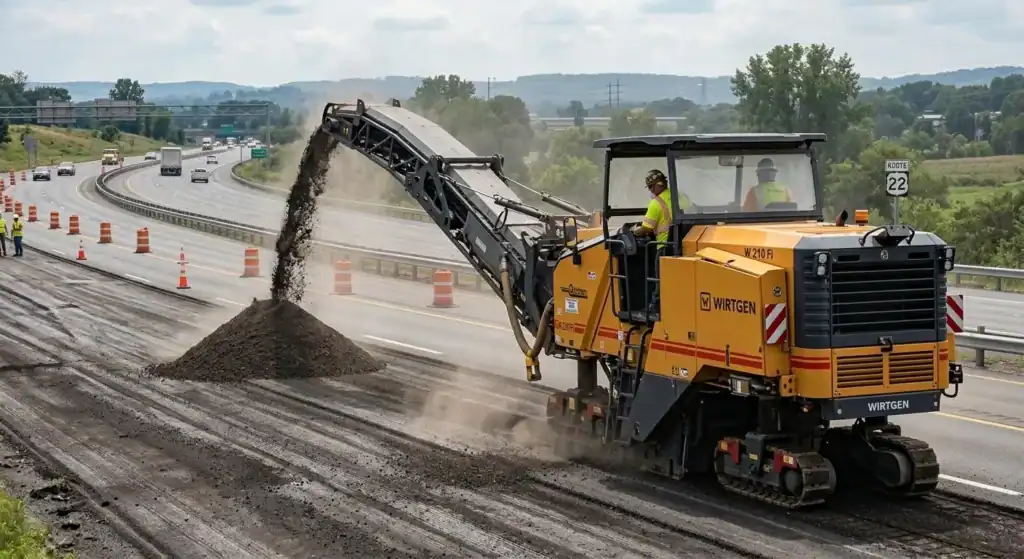
So, what exactly are you getting when you order asphalt millings? The name gives it away: they are small, crushed pieces of old asphalt. During road repairs or replacement, a large milling machine grinds off the top layer of the existing asphalt surface. This reclaimed material, a combination of asphalt cement and aggregate (like sand and gravel), is then screened and processed for reuse. The result is a versatile, gravel-like product that’s ready for a second life on your project.
Key Benefits Over Other Materials
One of the biggest draws of asphalt millings is their durability. When spread and compacted properly, the residual asphalt binder in the millings heats up in the sun and fuses the pieces together. This creates a surface that’s almost as hard and resilient as a new hot-mix asphalt driveway but for a fraction of the cost. Unlike loose gravel, which can get dusty and needs regular raking, millings stay put. They also handle water well, reducing mud and ruts, which is a huge plus during spring thaws.
The Eco-Friendly Advantage
Choosing asphalt millings is a great move for the environment. Since the material is made from 100% recycled pavement, you’re helping to keep old asphalt out of landfills. Every ton of recycled asphalt used means one less ton of new material needs to be produced. This conserves natural resources like stone and sand and reduces the energy consumption associated with mining and processing virgin materials. It’s a simple way to make your project a little greener without sacrificing quality or performance.
How They Save You Money
Let’s talk about the bottom line. Asphalt millings are incredibly cost-effective. New hot-mix asphalt can run you anywhere from $90 to $190 per ton, which adds up quickly. In contrast, asphalt millings typically cost between $10 and $20 per ton. That’s a massive saving that makes larger projects much more affordable. When you need a reliable material for your project, opting for an asphalt milling delivery can keep your budget in check while still giving you a strong, long-lasting surface.
Where Can You Buy Asphalt Millings?
Once you’ve decided that asphalt millings are the right fit for your project, the next step is finding a great source. You have a few options, from specialized local suppliers to larger retailers. The best choice often comes down to the scale of your project, your budget, and how much hands-on help you need. For most driveway or landscaping jobs, working with a dedicated aggregate supplier is the most direct and reliable route. They specialize in these materials and can offer expert advice along with their products.
Finding a Trusted Local Supplier
Your best bet for quality and consistency is often a local aggregate supplier. These companies specialize in materials like gravel, sand, and recycled asphalt. Because their reputation is built locally, they have a strong incentive to provide high-quality products and dependable service. A trusted supplier can answer specific questions about the material’s composition and recommend the right amount for your project. When you partner with a local expert, you get more than just materials; you get peace of mind knowing your project is built on a solid foundation. Plus, they can provide reliable asphalt milling delivery right to your site.
Other Local Retailers
You might find asphalt millings at large home improvement stores or garden centers, but they often come in smaller, pre-packaged bags. This option can work for very small patch jobs or garden paths, but it’s not cost-effective for anything larger, like a driveway. These retailers typically don’t specialize in bulk aggregates, so the staff may not have the expertise to advise you on installation or compaction. For projects requiring a significant amount of material, you’ll get a better price and more knowledgeable service from a company that focuses exclusively on aggregates.
Online and Delivery Services
Many modern aggregate suppliers, including us here at Minnesota Aggregates, offer the convenience of online ordering and direct delivery. This service saves you the major headache of figuring out how to transport tons of material yourself. You can browse options, calculate the amount you need, and schedule a delivery straight to your home or job site. This is especially helpful for homeowners and contractors with tight schedules. A reliable delivery service ensures your materials arrive on time, so your project can move forward without any costly delays. It’s the most efficient way to get your project started.
How to Search for Suppliers in Your Area
A quick online search is the easiest way to find suppliers. Use specific phrases like “asphalt millings delivery in Minnesota” or “recycled asphalt near me” to get relevant results. Once you find a few potential companies, visit their websites. Look for a clear list of products, photos of their materials, and a defined service area. Many suppliers will have a map or a list of counties they deliver to. This simple research helps you quickly identify professional and reliable companies that can meet the needs of your project.
How to Choose the Right Supplier
Finding the right supplier for your asphalt millings is just as important as the material itself. A great partner will provide high-quality products, deliver on time, and offer clear communication, making your project run smoothly from start to finish. But with so many options out there, how do you pick the best one? It comes down to asking the right questions and looking for a few key qualities. Taking a little time to vet your options will save you from potential headaches like project delays, budget overruns, and subpar results.
Check for Quality and Consistency
The performance of your finished project depends heavily on the quality of the asphalt millings. Because millings are a recycled product, their composition can vary. You want a supplier who provides a consistent, high-quality product free from large chunks of debris or unwanted materials. Inconsistent quality can lead to a surface that doesn’t compact properly or wears down too quickly. Don’t be afraid to ask a potential supplier where they source their materials. A reputable company will be transparent about their asphalt milling and may even let you see a sample before you commit to a large order.
Review Delivery Options and Service Areas
A fantastic price on materials won’t do you much good if the supplier can’t get them to you efficiently and affordably. Before you place an order, confirm that the company delivers to your specific location. Some suppliers have limited service areas or charge steep fees for deliveries outside their normal zone. Ask for a clear breakdown of their delivery costs and scheduling policies. A reliable supplier like Minnesota Aggregates offers timely delivery across the state, ensuring your materials arrive when you need them so your project stays on track. This is a crucial step for keeping your project on schedule and within budget.
Look for Clear Pricing and Bulk Discounts
Transparent pricing is a must. You should receive a straightforward quote that details the cost per ton or cubic yard, along with any delivery fees or other charges. Hidden costs can quickly derail your budget, so work with a supplier who is upfront about all expenses. For larger projects, ask about bulk discounts. Many companies offer better pricing on larger quantities, which can lead to significant savings. To get an accurate idea of how much material you’ll need, you can use a cubic yardage calculator to plan your order and budget accordingly.
Gauge Customer Service and Reliability
Think of your supplier as a partner in your project. Good customer service goes a long way, especially if you have questions or need advice. A reliable team will be responsive, knowledgeable, and committed to your success. You can get a good sense of a company’s service by giving them a call. Are they helpful and professional? Do they have modern, well-maintained equipment? A company that invests in its tools and team, offering services like professional skid steer work, is often a sign of a dependable and experienced operation that you can count on to get the job done right.
Read Reviews and Check Their Reputation
Before you make a final decision, do a little homework on the company’s reputation. A quick search for online reviews and testimonials can provide a wealth of information. Look for feedback on Google, social media, or industry-specific forums. While a single negative review isn’t necessarily a red flag, you should pay attention to any consistent patterns in customer feedback. Positive comments about product quality, on-time delivery, and helpful communication are all great indicators that you’ve found a trustworthy supplier. A strong reputation is often built on years of dependable service.
Understand Local Regulations
Depending on where you live in Minnesota, your city or county might have specific regulations regarding driveway materials or construction projects. These rules can relate to things like water runoff, environmental protection, or the types of materials permitted. It’s always a good idea to check with your local building authority or municipality before starting your project to ensure you’re in compliance. While it’s your responsibility to know the local rules, an experienced local supplier may also be familiar with regional requirements and can be a helpful resource. This simple step can prevent fines and ensure your project meets all necessary standards.
How Much Do Asphalt Millings Cost?
One of the biggest draws of asphalt millings is their affordability. They offer a durable, high-quality surface without the high price tag of new asphalt. While the final cost depends on a few variables, understanding the breakdown will help you budget accurately for your project. Let’s look at what you can expect to pay and what factors influence that price.
Average Price Per Ton and Cubic Yard
Generally, you can expect asphalt millings to cost between $10 and $20 per ton. When you compare that to new hot-mix asphalt, which can run from $90 to $190 per ton, the savings are significant. This price difference makes millings an excellent choice for large projects like long driveways, parking areas, or rural roads. Suppliers may price materials by the ton (weight) or by the cubic yard (volume), so be sure to clarify which measurement they use when you request a quote. This will help you accurately compare prices between different companies.
What Factors Influence the Cost?
The sticker price of the millings is just one part of the equation. Several factors can affect your total project cost. The size of your project is a major one; larger orders often get a better per-ton rate. Your location also plays a big role, as delivery distance will impact the final price. The quality of the millings can also influence the cost, with cleaner, more uniformly crushed material sometimes priced slightly higher. Finally, if you need any site preparation or installation help, be sure to account for those labor costs as well.
Saving Money with Bulk Orders
If you have a large area to cover, buying in bulk is the smartest way to save money. Suppliers typically offer a lower price per ton or cubic yard on larger quantities because it’s more efficient for them to process and deliver one big order than several small ones. For projects like driveways, farm lanes, or commercial lots, planning ahead and ordering all your material at once is the most cost-effective approach. A reliable asphalt milling delivery service can bring the exact amount you need directly to your site, saving you time and logistical headaches.
Don’t Forget Delivery Fees
When you’re getting quotes, make sure you ask for the “delivered price.” The cost of the material itself is separate from the cost of getting it to your property. Delivery fees are standard in the industry and are usually calculated based on the distance from the supplier’s yard to your project site and the type of truck required for the job. Getting a comprehensive quote that includes all delivery charges upfront ensures there are no surprises on the final invoice. It’s the best way to create an accurate budget and compare your options fairly.
Watch Out for Hidden Costs
The cheapest option isn’t always the best value. A hidden cost in the world of recycled materials is quality. Low-quality millings might contain chunks of debris, be inconsistently sized, or have a poor ratio of asphalt binder to aggregate. This can lead to a surface that doesn’t compact properly, erodes quickly, or requires repairs sooner than expected. Investing in high-quality, clean millings from a reputable supplier ensures your surface will be durable and long-lasting, saving you from the future costs and hassles of fixing a failing project.
What to Know Before You Buy
Getting your materials is just one part of the process. To make sure your project is a success from start to finish, there are a few key things to plan for before your asphalt milling delivery arrives. Thinking through these steps will save you time, money, and a lot of headaches down the road.
Calculate How Much Material You Need
Guessing the amount of asphalt millings you need can be a costly mistake. Ordering too little means delaying your project and paying for a second delivery, while ordering too much leaves you with a pile of material and wasted money. To get it right, you need to measure the length, width, and desired depth of your project area. A handy online cubic yardage calculator can do the math for you, converting your measurements into the exact amount to order. This ensures you get a precise quote and purchase only what you need.
Prep and Compact Your Surface Correctly
Asphalt millings need a stable base to perform their best. Before you lay them down, make sure the area is cleared of vegetation, graded for proper drainage, and has a solid foundation. Once the millings are spread, compaction is the most critical step. Using a heavy roller presses the material together, creating a durable surface that acts like a solid layer of asphalt. Skipping this step can lead to a loose, uneven driveway or path that won’t stand the test of time. Proper preparation and compaction are what give millings their strength and longevity.
Consider Weather and Project Timing
Weather plays a big role in any outdoor project. It’s best to schedule your asphalt milling installation during a dry spell, as heavy rain can wash away the material before it has a chance to settle and harden. After the millings are laid and compacted, they need time to cure. Plan to keep vehicles off the new surface for about a week. This allows the oils in the asphalt to bind everything together, preventing ruts and ensuring a hard, durable finish that will last for years.
Plan for Equipment and Professional Help
Spreading and compacting tons of asphalt millings is heavy-duty work that requires the right equipment. You’ll likely need a skid steer to move the material and a heavy roller for compaction. If you don’t have access to this machinery, or if the job feels too big to handle, consider getting professional help. Hiring an expert with the right tools ensures the job is done efficiently and correctly. Many suppliers offer skid steer services to help you get your project done right, guaranteeing a professional-grade result that lasts.
Understand Long-Term Maintenance Needs
While asphalt millings are a low-maintenance option, they aren’t completely maintenance-free. Over time, you might notice some loose spots or areas that need a top-up. To keep your surface in top condition and extend its life, you may need to seal it every few years. Sealing helps lock the aggregate together, prevents erosion, and keeps it looking fresh. Factoring in this occasional upkeep from the start will help you protect your investment and keep your driveway or path looking great for the long haul.
Related Articles
- From Foundations to Finishes: Innovative Uses of Asphalt Millings in Every Project
- Fast Minnesota Asphalt Milling Delivery | On-Time Service
- Mixing It Up: The Versatile Role of Asphalt Millings, Black Dirt, Sand, & Class 5 in Projects
- What is the Best Gravel for a Driveway? 5 Types Compared
Frequently Asked Questions
How are asphalt millings different from regular gravel? The key difference is the asphalt binder present in the millings. While regular gravel will always remain a collection of loose stones that can get dusty and shift under pressure, asphalt millings contain residual asphalt cement. With heat from the sun and proper compaction, this binder helps fuse the material together, creating a solid, more stable surface that sheds water and resists dust.
How long does it take for an asphalt milling driveway to harden? The surface will be firm immediately after compaction, but the full hardening process takes a little time. The real binding happens as the sun warms the asphalt, allowing it to cure and lock the aggregate in place. For the best results, you should plan to keep vehicle traffic off the new surface for about a week to give it a chance to set properly.
Can I install asphalt millings myself, or should I hire a professional? While a small path might be a manageable DIY project, installing a driveway or parking area is a big job that requires heavy equipment. Spreading tons of material and, most importantly, compacting it with a heavy roller are critical steps for a durable finish. For most projects, hiring a professional with the right equipment is the best way to guarantee the job is done correctly and efficiently.
Do I need to seal an asphalt milling surface? Sealing isn’t required, but it is a great way to protect your investment for the long term. Applying a sealant every few years can help lock the millings together more tightly, prevent erosion, and keep the surface looking fresh. It’s a simple maintenance step that can significantly extend the life of your driveway or path.
Why is the quality of the millings so important? The performance of your finished surface depends entirely on the quality of the material you start with. High-quality millings are clean and consistently sized, which allows them to compact into a tight, solid layer. Lower-quality material might contain dirt, debris, or large chunks of old pavement that prevent proper binding, leading to a weak surface that can easily develop ruts and wash away.