
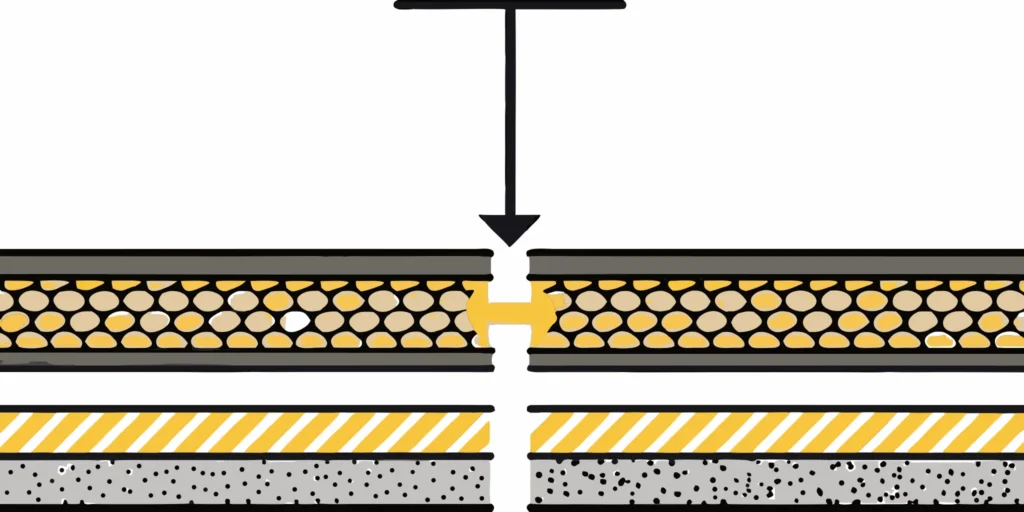
Here in Minnesota, our projects have to withstand a lot, from heavy spring rains and summer humidity to the punishing freeze-thaw cycles of winter. This is why choosing the right foundation material isn’t just a suggestion; it’s essential for durability. The decision between road base and gravel is critical for creating a surface that won’t heave, crack, or wash away. One material offers superior strength to handle heavy equipment and snowplows, while the other provides excellent drainage to manage snowmelt and downpours. We’re going to break down the road base vs gravel pros and cons specifically for our local climate. Understanding how each material performs will ensure your driveway or patio is built to last.
Key Takeaways
- Choose road base for stability and gravel for drainage: Road base is an engineered mix of crushed stone that compacts tightly, creating a solid foundation for high-traffic areas like driveways. Gravel’s naturally rounded stones remain loose, offering a decorative look and excellent water flow for paths and landscaping.
- Look beyond the initial price tag to long-term value: Gravel is more affordable at first but requires ongoing maintenance to fix ruts and shifting. Road base is a larger upfront investment that pays off with a durable, stable surface that needs minimal upkeep.
- Prioritize proper site preparation for a lasting result: The success of your project hinges on a solid foundation. Before laying any material, you must correctly excavate, grade for drainage, and compact the ground to prevent future problems like ruts and water damage.
Road Base vs. Gravel: What’s the Difference?
When you’re planning a project like a new driveway or a garden path, you’ll quickly run into two common materials: road base and gravel. While people sometimes use the terms interchangeably, they serve very different purposes. Choosing the right one is the key to creating a surface that not only looks great but also lasts for years. Think of it as picking the right tool for the job. One is built for heavy-duty work and structural support, while the other is better suited for drainage and aesthetics. Let’s break down what makes each material unique so you can feel confident in your choice.
What Is Road Base?
Road base is the unsung hero of durable surfaces. It’s an engineered material, typically a mix of crushed stone, rock, and fine particles, designed to create a solid, stable foundation. The angular, jagged edges of the crushed rock interlock when compacted, forming a strong, unmoving layer. This is why it’s the go-to choice for projects that need to support heavy loads, like driveways, parking areas, or the foundation for patios and sheds. Materials like Class 5 gravel are a perfect example of a road base that provides the structural integrity needed to prevent sinking and shifting over time.
What Is Gravel?
Gravel, on the other hand, is a natural product. It consists of rock fragments that have been naturally weathered and eroded, giving them a smooth, rounded shape. Because the pieces are round, they don’t lock together the way road base does. This makes gravel an excellent choice for applications where drainage is a priority, such as in French drains, around flower beds, or for decorative pathways. Its looser composition allows water to pass through easily, preventing pooling. While it’s not ideal for supporting heavy vehicle traffic on its own, it provides a beautiful and functional finish for many landscaping projects.
Key Differences at a Glance
The main difference comes down to shape and function. Road base is made of crushed, angular stones that compact tightly to create a solid, stable foundation. Gravel is composed of naturally rounded stones that remain looser, allowing for excellent drainage. Think of it this way: road base is for strength, while gravel is for drainage and decoration. The sharp edges of road base lock together for stability, making it ideal for driveways. The smooth, rounded surface of gravel is more comfortable for walkways and better for managing water. Knowing how much you need is the next step, and a cubic yardage calculator can help you plan your project accurately.
The Pros and Cons of Road Base
Road base is a go-to material for projects that need serious strength and stability, but it’s not a one-size-fits-all solution. Like any material, it comes with its own set of benefits and potential drawbacks. Understanding both sides helps you decide if it’s the right foundation for your driveway, parking area, or construction project. Let’s break down what makes road base a great choice and what you should keep in mind before you commit.
Advantages of Using Road Base
The biggest advantage of road base is its incredible durability. It provides a solid structural foundation that’s perfect for driveways and parking areas that handle regular traffic, including heavy trucks. Materials like Class 5 gravel are designed to be compacted tightly. When installed correctly, road base hardens into a surface that’s almost as tough as pavement, giving you a stable, long-lasting solution that stands up to wear and tear for years. This makes it an excellent investment for high-use surfaces where you need reliability and minimal long-term fuss.
Potential Downsides of Road Base
While road base is strong, proper installation is everything. If the area isn’t graded correctly or if there isn’t good drainage, the fine particles in the mix can trap water, leading to puddles and mud. This is why professional site preparation is so important. Another factor to consider is the upfront cost. Road base can be more expensive than standard gravel, so it’s important to factor that into your budget. However, for the right application, the initial investment often pays off in longevity and reduced maintenance down the road.
The Pros and Cons of Gravel
Gravel is a popular choice for everything from garden paths to driveways, and for good reason. Its natural look and functional benefits make it a versatile material for many projects. However, like any material, it has its own set of challenges. Understanding both sides helps you decide if gravel is the right fit for your specific needs. It’s not just about how it looks on day one, but how it performs and holds up over time. Let’s break down the key benefits and potential drawbacks you should consider before you place an order.
Benefits of Choosing Gravel
One of the biggest draws of gravel is its aesthetic appeal. With its naturally rounded edges and varied tones, it adds a soft, organic look to landscaping projects that crushed stone can’t always replicate. This makes it a favorite for decorative garden paths, patios, and driveways where comfort and appearance are key. Those smooth edges also make it more pleasant to walk on. Beyond its looks, many types of Class 5 gravel are champions of drainage. If you have areas prone to water accumulation, gravel allows water to pass through easily, preventing puddles and soggy spots, making it an excellent choice for managing Minnesota’s wet seasons.
Drawbacks of Using Gravel
While gravel looks great, it does require some upkeep. Because the stones are loose and often rounded, they don’t lock together and compact as firmly as road base. This means gravel can spread and shift over time, especially in high-traffic areas, requiring you to rake it back into place and occasionally top it off. Proper installation is also critical. Without a well-prepared and graded foundation, you can end up with uneven surfaces and puddles. This is why professional ground preparation, often involving skid steer services, is so important to create a stable and level base before the gravel is even delivered.
Comparing Costs: Road Base vs. Gravel
When you’re planning a project, the budget is always a top consideration. Looking at the price tags for road base and gravel, you’ll notice a difference right away. But the initial cost per ton or cubic yard only tells part of the story. To make the smartest financial decision, you need to think about both the upfront expense and the long-term value. Factors like the specific type of material, how much you need, and delivery logistics will all influence your final bill.
A higher initial investment in a material like road base might save you significant money on repairs and replenishment down the line. On the other hand, for certain projects, a simple gravel solution could be perfectly sufficient and more cost-effective. Before you decide, it’s helpful to figure out exactly how much material your project requires. Using a cubic yardage calculator can give you a clear estimate, which is the first step in comparing your options accurately. From there, you can break down the costs associated with each material.
What Affects Road Base Pricing?
Road base typically has a higher upfront cost, often running about 20% to 30% more than standard gravel. You can generally expect prices to fall in the $20 to $35 per ton range. This higher price is because road base isn’t just scooped-up rock; it’s an engineered product. It consists of a specific mixture of crushed stone and fine particles that are designed to compact into a dense, stable surface. Materials like Class 5 gravel are processed and graded to meet certain specifications. You’re paying for a product that provides superior stability and longevity, which is a crucial investment for high-traffic areas like driveways.
What Affects Gravel Pricing?
Gravel is usually the more budget-friendly option at the outset, with prices often ranging from $15 to $25 per ton. This lower cost makes it an attractive choice for projects with tight budgets or for applications that don’t require a highly compacted foundation, such as garden paths or decorative landscaping. The final price can vary depending on the type of rock, its size, and its aesthetic appeal. For example, decorative river rock will cost more than a basic functional gravel. While the initial savings are appealing, it’s important to weigh them against potential future maintenance before making your final call.
Factoring in Long-Term Maintenance Costs
Here’s where the true cost of your material becomes clear. While gravel is cheaper upfront, it often requires more maintenance over time. Loose stones can be displaced by vehicle traffic, washed out by heavy rain, or scattered during snow removal, leading to ruts and bare spots. This means you’ll likely spend time and money on raking, regrading, and adding fresh layers of gravel every few years.
Road base, however, is designed for durability. Its sharp, angular stones lock together when compacted, creating a solid, resilient surface that resists shifting and erosion. This stability means fewer repairs and a longer lifespan, saving you from the recurring costs associated with gravel upkeep. For a long-lasting driveway, the initial investment in road base often pays for itself.
Choosing the Right Material for Your Driveway
Picking the right material for your driveway isn’t just about looks; it’s about creating a surface that lasts. The choice between road base and gravel really comes down to how you use your driveway and what you expect from it. A long rural driveway that sees heavy farm equipment has very different needs than a short suburban one used by a family car. Thinking through your daily traffic, local weather, and long-term maintenance goals will help you land on the perfect material for a durable and functional driveway that stands the test of time.
When to Use Road Base for High-Traffic Areas
If your driveway handles more than just the family sedan, road base is your best bet. Think work trucks, delivery vans, RVs, or any heavy equipment. Road base, like our Class 5 gravel, is engineered to provide a strong, stable foundation that can withstand serious weight without developing deep ruts or soft spots. When properly compacted, the mix of crushed rock and fine particles locks together to create a solid surface. This structural integrity is exactly what you need for high-traffic zones or areas with poor soil stability, ensuring your driveway remains reliable for years.
When to Use Gravel for Lighter Use
For a standard residential driveway that sees only light vehicle traffic, gravel is an excellent and often more affordable choice. Its main advantage is superior drainage. The looser stones allow water from rain and snowmelt to pass through easily, preventing puddles and potential water damage to surrounding areas. Gravel also offers a classic, rustic aesthetic that many homeowners love. While it may require a bit more upkeep, like occasional raking to keep it level, it’s a practical and attractive solution for driveways that don’t need to support heavy loads.
Understanding Load Capacity and Stability
The core difference between these materials lies in their ability to bear weight. Road base is designed for superior load-bearing capacity. Its blend of different-sized aggregates and fines allows it to be tightly compacted into a dense, interlocking layer that distributes weight evenly. This is why it’s the standard for roads and commercial lots. Gravel, on the other hand, consists of loose stones that can shift under pressure. While great for drainage, it doesn’t offer the same level of stability. Before starting, it’s a good idea to use a cubic yardage calculator to figure out how much material you’ll need for a proper foundation.
Best Uses for Road Base and Gravel
Choosing between road base and gravel comes down to understanding what your project really needs. It’s not just about looks; it’s about function, durability, and how the material will perform under pressure. A heavy-duty driveway has very different requirements than a decorative garden path. Thinking through the specific demands of your project will help you select a material that not only looks great but also lasts for years. Let’s break down the most common and effective uses for each to make your decision a little easier.
Common Projects for Road Base
Think of road base as the structural workhorse for your property. Its primary job is to create a solid, stable foundation that can handle significant weight and traffic. Because it contains a mix of crushed stone and fine particles, it compacts tightly to form a firm, interlocking surface. This makes it the ideal choice for projects like new driveways that will see regular vehicle use, parking pads for RVs or boats, and foundations for sheds or patios. If you need a material that provides a strong structural foundation, a quality Class 5 delivery is exactly what you’re looking for. It’s built to prevent shifting and settling over time.
Common Projects for Gravel
Gravel is your go-to for projects where drainage and aesthetics are more important than heavy-duty structural support. Its larger, looser stones create a classic, natural look perfect for garden paths, walkways, and decorative ground cover in landscaping beds. While it can be used for low-traffic driveways, its main advantage is permeability. Water flows easily through the gaps between the stones, which helps prevent puddles and runoff. This makes gravel a great choice for areas around your home that need better drainage, like in French drains or as a base layer under porous pavers. It offers a functional and visually appealing solution for lighter-duty applications.
How Drainage and Environment Play a Role
In Minnesota, we know that water is a powerful force, from heavy spring rains to melting snow. Poor drainage can quickly turn a project into a mess, causing ruts, potholes, and erosion. Gravel’s permeability is a huge asset here, as it allows water to pass through instead of pooling on the surface. However, road base offers superior stability. For the best compaction, a material needs a mix of different rock sizes, including fine particles that fill in the gaps and help it pack down tightly. Recycled materials like asphalt milling offer a great balance, as they compact well to create a durable surface that holds up against the elements while still allowing for some drainage.
Installation and Maintenance: What to Expect
Once you’ve picked your material, the next big step is installation. This is where the real work begins, and honestly, it’s the part that makes or breaks your project. A properly installed driveway or path won’t just look great on day one; it will stand up to Minnesota’s changing seasons, heavy rain, and daily use for years. Getting the installation right from the start saves you from future headaches like ruts, pooling water, and uneven surfaces that need constant fixing. Think of it as building a strong foundation. Whether you choose the dense, interlocking structure of road base or the classic look of loose gravel, the principles are the same: proper site preparation, careful layering, and attention to detail.
The processes for installing road base and gravel have some key differences, especially when it comes to compaction and finishing. Likewise, their long-term maintenance needs vary. Understanding what to expect for each will help you budget your time and money effectively. It also helps you make the important decision of whether to roll up your sleeves and tackle the project yourself or bring in a professional to handle the heavy lifting. In the following sections, we’ll walk through the typical installation process for both materials and weigh the pros and cons of going the DIY route versus hiring an expert.
The Road Base Installation Process
Installing a road base is a structured process that creates a solid foundation for driveways, paths, or building pads. It starts with excavating the area to the correct depth and ensuring the subgrade is properly sloped for drainage. Then, the road base material, like a Class 5 gravel, is spread in layers. The key to success is compaction. Each layer must be thoroughly compacted to create a dense, stable surface that can handle regular vehicle traffic without shifting or developing ruts. This meticulous process results in a durable, low-maintenance surface that provides superior stability and load-bearing capacity for years.
Gravel Installation and Upkeep
Gravel projects can seem straightforward, but proper installation is crucial for a lasting result. Some of the most common mistakes happen right at the beginning, like skipping the base layer, using the wrong size of gravel, or failing to plan for drainage. A solid, compacted sub-base is essential to prevent the gravel from sinking into the soil. Once installed, gravel is relatively low-maintenance, but it isn’t a “set it and forget it” material. You’ll need to rake it occasionally to keep it level and fill in any low spots. Over time, you may also need to add a fresh layer of gravel to maintain its depth and appearance.
DIY vs. Hiring a Professional
Deciding whether to tackle an installation yourself or hire a professional often comes down to the project’s scale and your comfort level with the work. The importance of ground preparation is often overlooked in DIY projects. Failing to properly excavate, grade, and compact the area can lead to an uneven surface that’s both unattractive and problematic. For larger projects, renting the necessary equipment can be expensive. Bringing in a professional with the right tools and experience can prevent costly mistakes. Our skid steer services can handle the heavy lifting of site preparation, ensuring your project starts on a solid foundation.
Common Mistakes to Avoid
A successful project isn’t just about following the right steps; it’s also about sidestepping common pitfalls. When working with materials like road base and gravel, a few key mistakes can lead to wasted time, extra costs, and a final product that doesn’t last. By knowing what to watch out for, you can ensure your driveway, path, or foundation is built correctly from the start. Let’s walk through some of the most frequent errors so you can confidently manage your next project.
Choosing the Wrong Material for the Job
It’s easy to assume that all gravel is more or less the same, but that’s a critical oversight. One of the most common mistakes is selecting a material based on looks alone without considering its function. For instance, using a smooth, rounded decorative stone for a driveway won’t compact well and will shift under the weight of vehicles. Another frequent error is adding a new layer of gravel over a driveway with ruts and drainage problems without first fixing the underlying base. Always match the material to the project’s demands. A high-traffic area requires a sturdy, compactable material like Class 5 gravel to create a stable surface.
Errors in Preparation and Installation
Proper ground preparation is the foundation of a lasting project, but it’s a step people often rush. Failing to properly clear, level, and compact the area before laying your material can cause major issues down the road. An uneven surface will lead to pooling water, soft spots, and a lumpy finish that’s both unattractive and unsafe. Before you bring in any aggregate, make sure you remove all organic material like grass and topsoil, excavate to the correct depth, and compact the subgrade soil. For larger projects, getting professional help with site prep using the right equipment can make all the difference. Proper skid steer services ensure the groundwork is done right.
Overlooking the Importance of a Good Supplier
Your material is only as good as the supplier you get it from. Working with a reliable company is about more than just getting a delivery; it’s about getting a partner who provides high-quality, consistent materials and sound advice. A knowledgeable supplier can help you prevent costly mistakes by confirming you’ve chosen the right product and quantity for your specific needs. They can also help you plan for details like compaction, which affects how much material you should order. Using a cubic yardage calculator is a great start. A dependable supplier also understands that timing is everything, ensuring on-time delivery so your project stays on schedule.
How to Find Quality Materials and a Reliable Supplier
Choosing the right material is only half the battle; finding a supplier you can count on is just as important for keeping your project on track. A great supplier doesn’t just drop off a pile of rocks. They provide quality materials, expert advice, and reliable service that saves you from costly mistakes and delays. When you’re investing time and money into a project, the last thing you want is a delay because your materials didn’t show up or weren’t what you expected. A reliable supplier acts as a partner, helping you select the right aggregate for your specific application and ensuring it arrives on schedule.
Taking a little time to check your materials and vet your supplier upfront will make the entire process smoother from start to finish. It’s the best way to ensure your investment in your property pays off and that your new driveway, patio, or garden bed is built to last. This step is crucial for both seasoned contractors managing tight deadlines and homeowners tackling a DIY project for the first time. A good supplier understands the nuances of different materials and can guide you toward the best choice, preventing issues like poor drainage or an unstable base down the road. They become an invaluable resource, helping you get the job done right the first time.
What to Look for in Your Materials
Online photos are a great starting point, but they can be misleading when it comes to aggregates. The color and size of gravel or road base can vary from one batch to the next, so it’s always a good idea to see the product in person before placing a large order. This ensures you get the exact look and texture you want for your project. For foundational work like driveways or patio bases, you need a material that compacts well. Look for a mix that includes different sizes of crushed stone and fine dust, often called “fines.” This combination locks together to form a stable, solid surface, which is exactly what makes Class 5 gravel a popular choice for durable bases.
How to Vet a Supplier
A reliable supplier is a partner in your project’s success. Start by looking for companies with a strong local reputation and positive customer reviews. Don’t be afraid to ask questions. A knowledgeable supplier should be able to discuss your project with you and recommend the best material for your specific needs, whether it’s asphalt milling for a rustic driveway or nutrient-rich black dirt for a garden. You can also check with your local county or Department of Transportation (DOT) for a list of recommended suppliers in your area. A company that is trusted for municipal projects is usually a safe bet for residential ones, too.
Thinking Through Delivery and Service
Once you’ve found a supplier with quality materials, the final piece of the puzzle is logistics. Confirm whether the listed price includes delivery, as this is often a separate charge. A trustworthy company will provide a clear, all-in quote. Ask about their delivery process and timeline to ensure it aligns with your project schedule. Timeliness is key, as waiting on a delivery can bring your entire project to a halt. It’s also helpful to use tools like a cubic yardage calculator to order the right amount from the start, avoiding waste or the need for a last-minute second delivery.
Making the Final Decision for Your Project
Choosing between road base and gravel doesn’t have to be complicated. By now, you have a solid understanding of what each material offers, from cost and installation to long-term performance. The final step is to apply that knowledge to your specific project. Think of it as matching the right tool to the right job. The best material is the one that meets your functional needs, fits your budget, and suits your property’s environment.
To help you make a confident choice, we’ve broken down the decision-making process into a simple checklist and a few key questions. Running through these will clarify which material is the right fit for your driveway, parking area, or pathway. Once you’ve decided on a material, you can use a Cubic Yardage Calculator to figure out exactly how much you’ll need. This ensures you order the right amount, saving you time and money.
A Quick Checklist for Choosing Your Material
Sometimes, seeing the main points side-by-side is all you need. Use this quick checklist to guide your decision:
- Project Requirements: Are you focused on function or appearance? Road base is built for stability and creating a solid foundation. Gravel, with its smoother, rounded stones, is often more comfortable to walk on and can be a more attractive choice for landscaping features and garden paths.
- Traffic Considerations: What kind of load will the surface handle? For areas with regular heavy truck traffic, road base provides the necessary structural support. For a standard residential driveway or walkway, a material like Class 5 gravel offers a great balance of durability and excellent drainage.
- Cost Analysis: What’s your budget? Road base typically has a higher upfront cost than gravel. However, for high-traffic applications, its durability may lead to lower long-term maintenance costs, making it a worthwhile investment.
Key Questions to Ask Before You Buy
Before you place an order, take a moment to answer these questions. Your answers will point you directly to the best material for your project.
- What is the primary use of the area? Think about its day-to-day purpose. If you’re creating a parking area, proper grading for water runoff is essential to prevent puddles. If it’s a foundation for a shed, stability is your top priority.
- What are the drainage needs? Poor drainage can ruin a project. Gravel naturally allows more water to pass through, which can be a major advantage in wet climates or areas with clay soil. Make sure your plan includes a slight slope for runoff, regardless of the material you choose.
- How will the material be compacted? This step is critical. Whether you choose road base or gravel, it must be thoroughly compacted to create a strong, stable surface that won’t shift or spread over time. Proper site preparation and compaction often require professional equipment, which is where skid steer services can make all the difference.
Related Articles
- 6 Best Types of Gravel for Driveways Compared – Minnesota Aggregates
- What is the Best Gravel for a Driveway? 5 Types Compared – Minnesota Aggregates
- Road Base Cost Per Yard: A Complete Price Breakdown – Minnesota Aggregates
Frequently Asked Questions
Is Class 5 gravel considered a road base or just regular gravel? This is a great question because the term can be a bit confusing. Class 5 is a specific type of road base. It’s an engineered product containing a mix of crushed stone and fine particles that are designed to compact into a dense, stable foundation. So, while it has “gravel” in the name, it functions as a road base, not a loose, decorative gravel.
Can I just put a new layer of gravel over my old, rutted driveway? While it might seem like a quick fix, adding new material on top of a failing base usually doesn’t solve the problem. Ruts and soft spots are signs that the foundation itself is weak. For a lasting repair, you need to address the root cause, which often means scraping away the old material, regrading the area for proper drainage, and installing a new, well-compacted base.
For a Minnesota driveway, which material handles snowplowing better? Road base is generally the winner here. Because it compacts into a hard, solid surface, it stands up much better to the scraping of a snowplow blade. Loose gravel, on the other hand, can easily be pushed aside along with the snow, meaning you’ll likely spend time in the spring raking stones out of your lawn and back onto the driveway.
How deep does my material need to be for a standard driveway? For a typical residential driveway that sees cars and light trucks, a depth of 4 to 6 inches of compacted road base is a good standard. If you plan on having heavier vehicles like RVs or construction equipment on it, you might consider going deeper, perhaps 8 to 12 inches, to ensure the foundation is strong enough to support the extra weight without shifting.
Can I use road base for the foundation and then top it with decorative gravel? Absolutely, and this is often the best approach for getting both stability and style. By installing a solid, compacted layer of road base first, you create a durable foundation that can handle traffic and prevent sinking. Then, you can add a thinner, 1 to 2-inch layer of your chosen decorative gravel on top for the look you want. This gives you the best of both worlds.