
Planning a new driveway or patio is the exciting part. Budgeting for it? Not so much. When you start pricing things out, one of the first and most important line items you’ll encounter is the foundation material. Getting a straight answer on the road base cost per yard can be tricky because it’s not a one-size-fits-all price. The final number depends on the type of material you choose, how much you need, and how far it has to travel to get to your Minnesota job site. This guide will break down all the variables so you can understand the real cost and plan your budget with confidence.
Key Takeaways
- Look beyond the per-yard price: Your total cost for road base is shaped by more than just the material itself; delivery distance, the size of your order, and even seasonal demand will influence your final quote.
- Match the material to your project’s needs: A durable foundation starts with the right choice—whether it’s recycled asphalt or a specified gravel—installed at a proper depth of 2 to 4 inches to ensure it can handle the weight and weather.
- Order the right amount the first time: Use a cubic yardage calculator to get an accurate measurement for your project, and then add about 10% to account for compaction. This simple step saves you from the hassle and cost of a second delivery.
What is Road Base and Why Does Your Project Need It?
Think of road base as the strong, silent foundation of your project. It’s a layer of crushed, graded aggregate material that gets compacted to create a solid, stable surface. Without a proper base, things like driveways, patios, and parking pads can shift, sink, or crack over time due to weather and weight. Putting down a quality road base is the essential first step to ensure your hard work lasts for years to come. It distributes the load from above, provides drainage, and creates a level surface to build on.
This foundational layer is crucial for almost any project that needs to support heavy loads or withstand the elements. Whether you’re a contractor building a new road or a homeowner finally putting in that dream patio, starting with the right base prevents costly headaches down the line. It’s the difference between a project that looks great on day one and one that still looks great on day one thousand. Using a reliable material like recycled asphalt milling or a specified gravel mix ensures you have the strength you need right from the start.
Common Projects That Need a Solid Base
You’ll find road base is a non-negotiable part of many residential and commercial projects. It’s the go-to material for building durable gravel driveways and creating stable parking pads for RVs, boats, or extra vehicles. If you’re planning to pour a concrete slab for a garage, shed, or patio, a compacted road base underneath is what prevents it from cracking and settling. The same goes for paver patios and walkways; the base keeps the pavers level and locked in place. Materials like Class 5 gravel are specifically engineered for this purpose, providing the perfect blend of strength and drainage for Minnesota’s climate.
The Benefits for Driveways, Patios, and More
The main benefit of using a proper road base is its incredible stability. The mix of different-sized crushed stone allows it to be packed down into a dense, interlocking layer that resists shifting under heavy weight. This means your driveway won’t develop ruts and your patio won’t become uneven after a few seasons. This durability also makes it a cost-effective choice in the long run. While it’s an upfront investment, it protects the more expensive surface materials you put on top and drastically reduces the need for future repairs. A solid base provides a reliable foundation that stands up to traffic, weather, and time.
How Much Does Road Base Cost Per Yard?
Figuring out your project budget starts with understanding material costs, and road base is a big one. The price per cubic yard can vary quite a bit, depending on the type of material you choose, where you’re located, and how much you need. Think of it less as a fixed price and more as a range. Generally, you can expect to pay anywhere from $20 to $60 per cubic yard, not including delivery. To give you a clearer picture, let’s break down the costs for two common categories: recycled and premium road base. This will help you see where your project might fall and plan your budget accordingly.
Cost of Recycled Road Base
If you’re looking for a budget-friendly and sustainable option, recycled road base is an excellent choice. This material is typically made from crushed concrete or recycled asphalt millings, making it a great way to reuse materials that would otherwise end up in a landfill. Because it’s a recycled product, it’s often more affordable. You can generally expect prices to be on the lower end of the spectrum, sometimes starting around $21 per cubic yard. This makes it a popular pick for residential driveways, farm lanes, and as a sub-base for patios where performance is key but costs need to be managed.
Cost of Premium Road Base
For projects that require specific engineering standards or superior durability, a premium road base is the way to go. These materials, like certain classes of crushed limestone or granite, are produced to meet strict specifications for size and composition. This ensures excellent compaction and long-term stability. The higher quality and processing requirements are reflected in the price, which can range from $39 to $59 per cubic yard. You might opt for a premium base for high-traffic commercial driveways, building foundations, or public roads where meeting code, like the standards for Class 5 gravel, is essential.
How Location Affects Pricing in Minnesota
The price tag on your road base isn’t just about the rock itself—where you are in Minnesota plays a huge role. The final cost is heavily influenced by location and transportation costs. The farther you are from the quarry or supplier, the more you’ll pay in delivery fees. On top of that, market demand can cause prices to fluctuate. With Minnesota’s population growing, the need for aggregate materials for new homes and roads is constantly on the rise. This is why getting a quote from a local supplier is so important; they can give you an accurate, all-in price that reflects the realities of your specific area.
What Factors Influence Road Base Pricing?
When you’re budgeting for a project, it’s easy to look for a single, straightforward price for road base. But the truth is, the cost per yard can shift based on a few important variables. Think of it less like buying a product off the shelf and more like a service tailored to your specific needs. The type of material you choose, how much you order, where your project is located, and even the time of year all play a role in the final quote. Understanding these factors will help you plan your budget more accurately and make smart decisions to get the best value for your project. Let’s break down exactly what goes into the price you pay.
Material Type and Quality
The first thing that shapes the cost is the road base material itself. Different materials, like crushed stone, gravel, or recycled options, have different price points based on how they’re sourced and processed. For instance, premium, newly quarried rock will typically cost more than recycled materials. Higher-quality aggregates that are graded for superior durability and performance also come at a higher price. While it might be tempting to go for the cheapest option, investing in a better-quality base can save you from costly repairs down the road. Options like recycled asphalt millings can offer a great balance of performance and value for many projects.
Order Size and Bulk Discounts
Just like at a warehouse store, buying in bulk can lead to significant savings. Suppliers are often able to offer a lower price per yard when you place a larger order. This is because it’s more efficient to process and deliver one large load than several smaller ones. Before you place an order, it’s a good idea to map out your entire project to see if you can purchase all the material you need at once. Using a cubic yardage calculator can help you get an accurate measurement, ensuring you order enough to complete the job and take advantage of potential bulk pricing.
Delivery Distance and Hauling Fees
Where your project is located is a major factor in the total cost. Transporting heavy materials like road base requires specialized trucks and fuel, so the distance from the supplier’s quarry to your job site directly impacts the price. Hauling fees can add a substantial amount to your final bill, especially for sites in remote areas. This is why working with a local supplier is often more cost-effective. A company with a strong delivery network across Minnesota can provide more competitive rates simply by reducing the travel time and transportation costs involved in getting the materials to you.
Seasonal Demand
The construction season in Minnesota has a big impact on pricing. During the peak months of spring and summer, demand for aggregate materials skyrockets as contractors and homeowners rush to start new projects. This increased demand can drive prices up. In contrast, during the slower, off-peak months, you might find more stable or even lower prices as suppliers have more inventory available. If your project timeline is flexible, consider purchasing your road base during the off-season. A little strategic planning can help you stretch your budget further and avoid the seasonal rush.
Comparing Road Base Types: Cost vs. Performance
Choosing the right road base involves more than just finding the cheapest material. It’s about striking the perfect balance between your budget and the long-term performance your project demands. A cheap base that fails after a few years will cost you far more in repairs than if you’d chosen the right material from the start. Whether you’re laying a foundation for a new driveway, a sturdy patio, or a shed, the base material is what provides critical support and drainage.
To help you make an informed decision, let’s compare some of the most common road base options available here in Minnesota. We’ll look at recycled materials like crushed asphalt, state-specified aggregates like MNDOT Class 6, and versatile screened rock. Each has its own unique profile when it comes to cost, durability, and ideal use case. Understanding these differences will ensure you invest in a foundation that is stable, reliable, and built to withstand our tough Minnesota seasons.
Recycled Options: Crushed Concrete and Asphalt
If you’re looking for a sustainable and budget-friendly option, recycled materials are an excellent choice. Recycled road base, often made from crushed concrete or asphalt milling, gives old materials a second life. This stuff is incredibly dense and heavy, which allows it to compact into a solid, stable foundation that’s perfect for driveways and parking areas.
Priced at around $21 per cubic yard, it’s a cost-effective solution that doesn’t skimp on performance. Just keep in mind that a cubic yard of this material weighs about 1.3 tons, and that number can climb when it’s wet. Factoring in the weight is important for planning your delivery and ensuring you have the right equipment on site to handle it.
MNDOT Class 6: Specs and Cost
When you see “MNDOT” in front of a material, it means you’re getting an aggregate that meets the Minnesota Department of Transportation’s strict specifications. MNDOT Class 6 is a popular choice for road base because it’s engineered for durability and performance, especially on rural roads that face our state’s diverse weather. While similar to the widely used Class 5 gravel, Class 6 has its own specific composition.
At approximately $10.75 per yard, it offers fantastic reliability at a very competitive price point. Choosing a MNDOT-specified material gives you peace of mind, as you know you’re building on a foundation that’s consistent, tested, and proven to hold up under pressure.
Screened Rock: Uses and Price
Screened rock is a versatile aggregate that has been sorted by size, making it a go-to for projects with specific drainage needs. Because it has more space between the stones compared to a dense road base, it allows water to pass through easily. This makes it an ideal base for retaining walls, French drains, or in areas with poor soil drainage.
The price for screened rock typically varies by size, ranging from about $14.00 for 3/4-inch rock to $15.75 for 1 1/2-inch rock. Beyond its functional use as a base, it’s also a practical choice for gravel driveways and landscaping projects where both stability and water management are key priorities.
How Much Road Base Do You Actually Need?
Figuring out the right amount of road base to order can feel like a bit of a guessing game, but getting it right is key to keeping your project on budget and on schedule. Ordering too little means a frustrating pause while you wait for a second delivery, and ordering too much leaves you with a pile of material to deal with. The good news is that determining the perfect amount isn’t complicated. A solid foundation is the unsung hero of any successful landscaping or construction project, and it all starts with having the correct volume of material on hand.
It all comes down to three simple things: the size of your project area, how deep the base needs to be, and a little extra to account for compaction. By taking a few quick measurements and doing some basic math, you can confidently place your order knowing you have exactly what you need to create a stable, long-lasting foundation for your driveway, patio, or walkway. We’ll walk through each step so you can get your project started on the right foot, avoid common pitfalls, and ensure your hard work pays off with a durable, professional-looking result.
How to Calculate Your Cubic Yards
First, you need to find the volume of your project area in cubic feet. Grab a tape measure and find the length and width of the space in feet. Multiply those two numbers together to get the square footage. Next, decide on your depth in inches and convert that number to feet by dividing by 12 (for example, 4 inches is 0.33 feet). Multiply your square footage by your depth in feet to get the total cubic feet.
Since road base is sold by the cubic yard, the final step is to divide your cubic feet by 27. If math isn’t your thing, you can skip the manual work and use a cubic yardage calculator to get a quick and accurate estimate.
How Deep Should Your Base Be?
The depth of your road base is critical for stability. A proper foundation prevents shifting, sinking, and cracking over time. For most projects, a depth of 2 to 4 inches is the standard recommendation. A simple garden path or a small patio base might only require a 2-inch layer. However, for a driveway that needs to support the weight of vehicles or for areas with soft, unstable soil, you’ll want to aim for a more robust base of at least 4 inches. A thicker base distributes weight more effectively, ensuring your surface stays level and secure for years to come.
Planning for Compaction and Material Loss
One thing many people forget to account for is compaction. When you spread and pack down your road base, the material settles and becomes denser, which reduces its overall depth. As a general rule, you can expect to lose about half an inch of depth for every 2 inches of loose material you lay down. To avoid running short, it’s always a smart idea to order about 10% more road base than your initial calculations suggest. This small buffer ensures you won’t have to halt your work to wait for another delivery, saving you both time and potential extra fees.
Road Base vs. Other Materials: A Cost Comparison
Choosing the right foundation for your project is a big decision. While road base is a fantastic all-around choice for stability and durability, it’s not the only material on the market. Understanding how it stacks up against other common aggregates in terms of both price and performance can help you make the smartest choice for your budget and your project’s long-term success. Let’s look at how road base compares to two popular alternatives: Class 5 gravel and sand. This will help you see where your money is best spent to ensure your new driveway, patio, or shed foundation stands the test of time.
Road Base vs. Class 5 Gravel
In Minnesota, road base and Class 5 gravel are often used for similar projects, like driveways and parking areas. The main difference comes down to composition and cost. Class 5 gravel is a virgin aggregate mix of rock and sand that compacts well and is a go-to for many rural road projects. Recycled road base, like crushed asphalt or concrete, often provides similar, if not superior, compaction and durability. It can also be a more budget-friendly option. The best choice depends on your project’s specific needs and local availability, but both are excellent for creating a solid, reliable foundation.
Road Base vs. Sand
Comparing road base to sand is like comparing apples to oranges. While sand is an aggregate, it serves a very different purpose. Sand is a fine material, great for filling paver joints, creating a level bed for stone, or mixing into concrete. However, it lacks the larger, angular stones that give road base its structural strength. Using sand as a primary foundation would lead to shifting and instability. While the cost per ton for sand delivery might seem lower, it simply can’t provide the load-bearing capacity your project needs. For a solid base, you need the interlocking strength of a graded road base material.
When is the Higher Cost Worth It?
Sometimes, opting for a more expensive, premium road base is a wise investment. If your project needs to support heavy loads—like a driveway for commercial trucks or an RV pad—spending more on a higher-quality material will prevent costly repairs down the line. Factors like superior drainage, specific engineering requirements, or long-term durability can justify the higher upfront cost. The final price is always influenced by material quality, transportation distance, and even seasonal demand. Carefully consider the demands of your project to determine if investing in a premium base will save you money and headaches in the future.
What to Look For When Buying Road Base
Once you’ve figured out how much road base you need, the next step is to make sure you’re buying the right material for your project. Not all aggregate is created equal, and the quality of your base will directly impact the stability and lifespan of your driveway, patio, or foundation. Getting this part right means looking beyond the initial price per yard and considering the material’s specifications, your installation plan, and the logistics of delivery. Thinking through these key areas will help you avoid common pitfalls and ensure your project starts on a solid footing.
Checking for Quality and Specs
The quality of your road base is the single most important factor for a long-lasting project. A high-quality aggregate provides better compaction, drainage, and structural support. When you’re getting quotes, don’t be afraid to ask questions about the material itself. Find out where it comes from and what it’s made of. A good supplier can tell you about the size of the rock and the amount of fine material mixed in, which affects how well it locks together. For projects that need to meet certain standards, you can even ask if the material meets specific MNDOT specifications for different grades, like Class 5 gravel. Better materials might have a higher upfront cost, but they prevent costly repairs down the road.
Installation and Equipment Needs
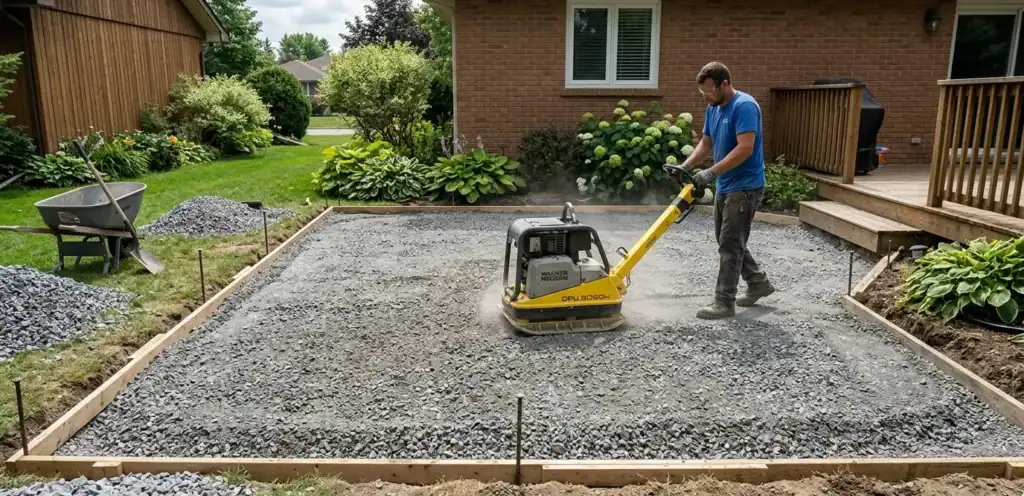
Getting the road base to your site is only half the battle; you also need a plan for installing it correctly. Proper installation ensures your base layer provides the necessary structural support and drainability for Minnesota’s weather. You’ll need to spread the material evenly and then compact it in layers to create a dense, stable surface. This usually requires specific equipment. For most residential projects, you’ll need a skid steer to move and level the aggregate and a plate compactor to pack it down. If you don’t own the right gear, consider hiring professional skid steer services to handle the placement and grading for you. It’s an investment that guarantees the job is done right.
Understanding Delivery Options and Costs
Delivery is a major component of your total road base cost, so it’s important to understand all the details before you place an order. The final price is influenced by factors like transportation distance and regional demand. When you request a quote, make sure it includes all hauling fees so there are no surprises. You should also discuss logistics with your supplier. Ask about their delivery timeline, the size of their trucks, and where they can drop the material on your property. A reliable company will work with you to find a convenient time and place, ensuring your project stays on schedule. Using a cubic yardage calculator beforehand can also help you order the right amount and avoid paying for multiple deliveries.
Where to Buy Road Base in Minnesota
Finding the right supplier for your road base is a critical step in getting your project started on the right foot. In Minnesota, you have several options, but the best choice comes down to a combination of quality material, fair pricing, and reliable delivery. Taking the time to research your local options will ensure the foundation of your project is solid and that you stay on budget.
Getting a Quote from Minnesota Aggregates
A great first step is to get a clear, detailed quote. We make this process straightforward. Before you call, it’s helpful to have a good idea of how much material you’ll need. You can use our handy Cubic Yardage Calculator to get an accurate estimate for your project area.
Once you know your quantity, you can request a quote for our high-quality road base materials, like our popular Class 5 gravel. We focus on providing fast, on-time delivery across Minnesota, so you can be confident that your materials will arrive when you need them, keeping your project right on schedule.
Comparing Local Suppliers
It’s always smart to gather a few quotes from different local suppliers to make sure you’re getting a competitive price. While cost is important, don’t let it be the only factor in your decision. The cheapest option might not be the best value if the material is poor quality or the delivery is unreliable.
When comparing, ask about the material’s source and whether it meets specific standards. For many projects, you’ll want an aggregate that meets the specifications set by the Minnesota Department of Transportation. Also, take a moment to look at customer reviews to get a sense of a company’s reputation for service and dependability.
The Best Time to Buy in Bulk
Did you know that the time of year you buy your road base can affect the price? The peak construction season in Minnesota runs from spring through fall. During these busy months, demand is high, and prices can follow suit. If your project timeline is flexible, consider purchasing your materials during the off-season, like in the late fall or winter, to potentially find better pricing.
Regardless of the season, buying your material in one bulk order is almost always more cost-effective. A single large delivery is much cheaper than several smaller ones because it minimizes hauling fees. Planning ahead to get all the material you need at once is a simple way to save money.
Frequently Asked Questions
Is recycled road base as strong as new gravel? Yes, absolutely. Recycled materials like crushed asphalt or concrete are incredibly dense and compact into a solid, interlocking foundation. For projects like driveways or parking pads, recycled road base often provides performance that is just as good, if not better, than newly quarried gravel. It’s a durable, sustainable, and budget-friendly choice that doesn’t compromise on the strength your project needs.
What’s the biggest mistake people make when installing a road base? The most common mistake is not making the base deep enough or failing to compact it properly. Skimping on depth to save a little money will lead to shifting, sinking, and cracking down the line. A solid 4-inch base is best for driveways. Just as important is taking the time to compact the material in layers. This creates the dense, stable foundation that will keep your project looking great for years.
Why can’t I just use sand for my paver patio base? While sand is essential for leveling pavers and filling the joints between them, it doesn’t have the structural strength to serve as the main foundation. Road base is made of a mix of angular, crushed stone and fine particles that lock together tightly when compacted. This creates a solid, stable layer that distributes weight and resists movement. Sand alone would simply shift and wash away, causing your patio to become uneven and unstable.
How much extra material should I actually order? A good rule of thumb is to order about 10% more road base than your measurements call for. This isn’t about upselling; it’s about accounting for compaction. As you pack the material down, it settles and becomes denser, meaning the volume shrinks. That extra 10% acts as a buffer, ensuring you have enough material to achieve your target depth without having to pause your project to wait for a second, costly delivery.
Does the time of year I buy my road base really affect the price? It certainly can. In Minnesota, the demand for aggregate materials is highest during the peak construction months in the spring and summer. This high demand can sometimes lead to higher prices. If your project schedule is flexible, you might find more competitive pricing during the slower off-season months, like late fall. Planning ahead and buying in bulk is always a smart way to manage costs, regardless of the season.