
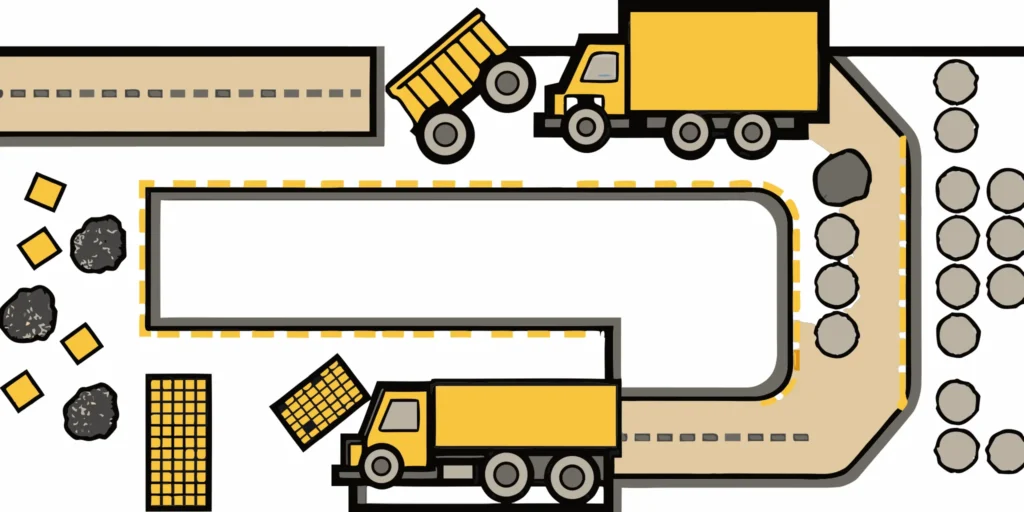
A single delayed aggregate delivery can halt a multi-million dollar Minnesota commercial construction project instantly. Project managers need dependable material partners to keep heavy machinery moving and keep crew schedules on track.
Request a commercial aggregate quote or call 612-772-3677.
Commercial aggregate supply is the bulk sourcing, testing, and delivery of sand, gravel, and crushed stone for large construction projects. According to the Minnesota State Government, these essential materials form the backbone of local infrastructure like highways, bridges, and building foundations. In Minnesota, commercial contractors need vast quantities of high-grade materials like Class 5 gravel and asphalt millings that meet strict MnDOT specs. Sourcing these bulk materials needs a partner who can manage heavy logistics and coordinate timely site deliveries. Reliable suppliers provide custom quotes based on volume and distance, making sure you get the exact tonnage needed without minimum order limits. This dependable supply chain keeps your project on schedule and prevents expensive jobsite downtime.
How do you choose the right supplier to protect your timeline and keep your crews working? Finding the best materials starts with a clear understanding of your sourcing options. To help you plan your next bulk purchase, we must first define What Is Commercial Aggregate Supply. The path begins with the right material, delivery plan, and supplier.
What Is Commercial Aggregate Supply?
Commercial aggregate supply is the bulk delivery of raw materials like sand, gravel, and crushed stone to active job sites. Contractors rely on this service to build roads, parking lots, and utility lines. Unlike home projects, commercial work needs a steady flow of materials to keep heavy machines and crews working without pause. A delay of just a few hours can disrupt your work plans and raise labor costs. Having a trusted partner ensures that trucks arrive on time so work never stops.
Key differences from home projects
The main difference between home and business aggregate needs is scale. A homeowner might need a small load of gravel for a yard path. A commercial project needs hundreds or thousands of tons of stone. Our fleet can haul between 3 and 22 cubic yards of material per load. Contractors must calculate aggregate volume for large projects before work starts to plan their site needs. We offer flexible dispatch with no minimum orders to fit your site plans. This helps project managers plan material drops with each phase of the build.
Another major difference is material standards. Home projects rarely need certified materials. Commercial jobs must meet strict state and city rules, such as Minnesota Department of Transportation (MnDOT) specs. If a delivery does not meet these specs, the inspector can stop work, which causes costly delays. Reliable suppliers check that their sand and gravel meet these rules. Knowing these rules helps when planning commercial pricing for large aggregate projects because certified stone costs more.
The scale of Minnesota’s aggregate market
Minnesota has a big construction field that relies on local pits and quarries. The state aggregate market is worth more than one billion dollars each year. Local sites produce about 52.2 million tons of material each year to support growth. Much of this material comes from public lands. The Minnesota Department of Natural Resources leases state land to private mining firms to get these resources. This partnership keeps the local supply chain strong and ensures a steady flow of materials for active sites.
These leases help fund local schools. Since 2000, state leases for sand and gravel have generated over 5.5 million dollars for the Permanent School Fund. These local materials are the building blocks of our towns and cities. They are key ingredients for roads, bridges, and building foundations across the state. Using local supply chains keeps state projects on time and supports our public schools. For contractors, choosing a local partner means reliable service that supports local towns at the same time.
Key Aggregate Materials for Commercial Construction Projects
Every commercial build needs strong materials to last. Finding a steady commercial aggregate supply keeps your schedule on track. According to Minnesota state land records, sand and gravel are key ingredients for roads and building foundations. We deliver these materials straight to your site with no order minimums. Our delivery fleet can carry from 3 to 22 cubic yards per load to fit your project size.
Class 5 gravel and asphalt millings
For roads and parking lots, you need a strong base. Class 5 gravel is a top choice for road base. This material meets MnDOT Spec 3138 standards. It uses 3/4-inch crushed limestone that binds itself under weight. You can count on Class 5 gravel delivery for commercial base needs to create a stable, long-lasting surface.
Recycled asphalt millings offer another great option for heavy traffic areas. They cost 40 to 60 percent less than new hot-mix asphalt. This material is made of crushed, recycled pavement. It compacts over time to form a strong driveway or lot. You can order asphalt milling delivery for commercial lots to cut costs while keeping high quality.
Clean sand and screened black dirt
Clean sand is another key material for commercial sites. It is useful for making concrete, laying pipes, and leveling ground before you pour. This sand is screened to remove rocks and large debris for a smooth finish. It drains water well and supports heavy structural loads. Our team delivers clean construction sand to projects of any size, from small utility trenches to large commercial hubs.
Finishing a site requires quality black dirt, which is screened topsoil. Screened black dirt is perfect for landscaping and turf prep around commercial buildings and retail centers. It has no large rocks, clumps, or weeds. This dirt holds moisture and gives a rich base for grass, shrubs, or ornamental plants to grow. We bring clean, rich dirt to help you finish your job on time with a clean look.
Material comparison and specifications
Choosing the right material depends on your project needs. Some jobs need a strong base for trucks, while others need clean sand for fill. You can compare the key specs, best uses, and load sizes for our top products in the table below.
| Material Name | Key Specification | Best Application | Typical Load Size |
|---|---|---|---|
| Class 5 Gravel | MnDOT Spec 3138, 3/4-inch crushed limestone, self-binding | Road base, parking lots, and heavy foundations | 3 to 22 cubic yards |
| Asphalt Millings | Recycled RAP material, highly compactable, low cost | Driveways, parking lots, and farm roads | 3 to 22 cubic yards |
| Clean Sand | Screened, high drainage, structural fill | Concrete mixing, pipe bedding, and sub-base fill | 3 to 22 cubic yards |
| Black Dirt | Screened topsoil, rich organic matter, debris-free | Landscaping, turf preparation, and final site grading | 3 to 22 cubic yards |
How to Plan Delivery Logistics for Large-Scale Projects
Planning a commercial build site needs careful plans. A steady commercial aggregate supply is key to keeping your project on track and stopping costly downtime. Every manager wants a smooth flow of stone from the start to the end of the job.
Logistical requirements for commercial sites
Before any truck arrives, you must map out the path and drop zones. Large commercial projects depend on a steady flow of gravel and sand. Making sure that trucks can move safely through the site is the first step toward a smooth drop. This simple check stops heavy trucks from getting stuck on wet ground.
State projects must use supplies that meet MnDOT construction aggregate specs to make stable roadways and foundations. This means the base must be laid right. For spreading stone and prepping the ground, you can hire skid steer services for site preparation to keep work moving fast. The right equipment makes the job much easier for your crew.
Steps for scheduling and staging
- Assess site access and drop zones. Loads of commercial aggregate supply arrive in sizes from 3 to 22 cubic yards. You must make sure the road can support loaded trucks. Check for low wires, tight gates, and soft soil. Clear any debris that could block the heavy trucks.
- Set your delivery timeline. Aggregate delivery is typically within 1 to 2 business days, subject to site conditions and availability. Confirm the expected window when requesting a quote. In the busy summer build season, you should book at least one week ahead to lock in your date. Booking early makes sure that you get the exact day you need.
- Match drops with your build phases. Align each delivery with your project schedule. Schedule distinct drops for foundation prep, sub-base work, and final grade work to keep the site clear. This step makes sure that supplies do not pile up too early.
- Account for seasonal factors. The Minnesota build season is short, running from April to October. Spring load restrictions create an eight-week hauling challenge that cuts truck weights on local roads. Knowing when these rules start helps you plan your orders.
- Plan for many loads or one drop. Big jobs often need many truckloads. Spacing out the drops stops trucks from backing up and blocking work zones. Your team will have enough time to spread and pack each load.
Seasonal hauling and spec compliance
Minnesota weather brings unique challenges for heavy hauling. During the spring thaw, the state cuts truck weights to protect roads from damage. This eight-week period needs careful planning to secure a steady Class 5 gravel delivery for commercial base projects. If you do not plan ahead, you may face higher shipping costs.
Scheduling your loads early and prepping drop zones helps you avoid delays. A trusted supplier helps you handle these seasonal limits to keep your crew working. They will guide you and deliver what you need on time.
Understanding Aggregate Pricing for Commercial Orders
Buying commercial aggregate supply in bulk requires looking at several core cost drivers. High quality aggregates are essential components for roadways, bridges, and building foundations, as detailed by the Minnesota State Government. Prices depend heavily on the type of material you need. For example, clean sand, Class 5 gravel, and asphalt millings all have distinct price points. Beyond the material itself, site logistics play a major role. Heavy trucks need clear access to dump their loads safely. If a job site has narrow entry points or rough terrain, extra handling can add to the final cost.
Delivery distance is another key factor. Hauling heavy aggregate across long distances burns more fuel and takes more driver hours. Because of this, how close you are to the supply pit or yard directly affects your rate. Seasonal demand also shifts costs. During the busy summer construction season, high demand can limit truck supply and drive up transport fees. Planning your orders ahead of time helps secure the trucks you need at a stable rate.
Quote-based model vs. standard price lists
Unlike home suppliers with fixed retail price lists, commercial suppliers use custom quotes. Large commercial projects have too many variables for a flat rate sheet. You can read more about commercial pricing for large aggregate projects to see how these factors work. Every job site has distinct needs, and bulk volumes deserve custom handling. For this reason, we build every quote around your exact project details. This custom approach ensures you only pay for the exact materials and transport your job requires.
Volume discounts are a major part of this custom pricing. While large orders earn better per-yard rates, we do not impose strict limits. Our choice to have no minimum order size is a key difference between us and larger competitors. Many big suppliers will not serve smaller commercial needs or fill-in loads. We deliver any size load, from small repairs up to massive site base work. This means you get the same reliable delivery service whether you need three yards or three hundred.
Industry reference rates for Minnesota projects
While we use a quote-based model for every order, knowing regional price ranges can help you plan your budget. Across the local market, road base gravel usually runs between $10.75 and $59 per yard. This wide range reflects the many material grades and delivery distances involved. If your project involves paving, recycled asphalt is a cost-effective choice that often costs about $3 to $6 per square foot installed. Understanding these baseline rates helps you compare quotes and make wise sourcing choices.
Why Delivery Reliability Matters for Commercial Contractors
In Minnesota, the construction season is very short. It runs only from April to October. This tight schedule means that commercial contractors have no room for project delays.
Every day a work crew waits for sand, stone, or gravel, costs go up. When a supplier misses a delivery window, it stops all work on the site. This is why on-time shipping is the main factor when picking a partner for commercial aggregate supply in the Twin Cities area.
The real cost of site delays
If you manage a commercial job site, you know that timing is everything. A single late dump truck can throw off the entire schedule for the day. Labor costs rise when workers stand idle. Heavy machines sit unused while rental fees add up.
In addition, you must work with other crews, such as concrete and paving teams. If the subgrade base material is not down on time, the next phase of work is blocked. Reliable delivery prevents these delays and keeps your build on track.
Delays also cause friction with local inspectors and project owners. When you miss a deadline, you may face late fees or lose future bids. If your crews wait for materials, you risk running past strict city limits on open construction sites. On-time delivery helps you meet both local rules and your own client goals.
The owner-operated fleet advantage
Most aggregate firms in Minnesota do not make reliable delivery their main focus. They often use third-party haulers to move their materials. This adds a middleman and reduces direct control over the schedule.
We do things in a new way. By running an owner-operated fleet, we control the entire process from the pit to your site. This direct control means you get clear updates and real time windows.
Other suppliers might say they offer reliable service, but they cannot back it up without their own trucks. When you work with us, you speak directly to the team in charge of shipping. We do not pass you off to a third-party broker or a hired driver.
Our fleet can handle loads from 3 to 22 cubic yards per trip. This means we can match the exact volume your site needs without any extra hassle. It also means we can offer flexible delivery options with no minimum order rules, which helps you manage site space.
Planning your commercial road base logistics
To keep a project moving, you must plan your bulk material orders in advance. This is most true during the busy summer months. When you schedule a commercial road base delivery, you need to know exactly when the trucks will arrive.
Consistent aggregate supply prevents downtime and keeps construction schedules on track, according to state industry reports. Having a trusted partner with sole control of their trucks helps your project stay on schedule and under budget.
How to Choose a Commercial Aggregate Supplier in Minnesota
Sourcing materials for a large project can make or break your timeline. When you choose a partner for your commercial aggregate supply, you need more than just a dump truck. You need a team that knows the local roads, respects your schedule, and can deliver the right stone or dirt when you need it. Making the wrong choice can stall your crew and eat your profit.
Delivery Reliability and Owner Accountability
Most suppliers say they are reliable, but few back it up with direct ownership. When you call a large firm, you often talk to a dispatcher who does not own the trucks. An owner-operated team gives you direct accountability.
You talk to the people who own the fleet, drive the trucks, and manage the delivery. This direct link ensures they show up on time. In Minnesota, the construction season is short, so even a small delay can disrupt your whole project.
Material Quality and Spec Compliance
Commercial projects must meet strict city and county standards. Your supplier must deliver material that matches these rules. For base construction, you need a partner who offers Class 5 gravel delivery that meets MnDOT Spec 3138. The material must have the right mix of crushed stone and fines to compact well. Choosing a supplier that tests its materials avoids the risk of failed inspections.
A good supplier must also understand local Minnesota ground conditions. Our state has harsh freeze-thaw cycles that can shift weak bases. Spring road load limits can also cut aggregate delivery weight for up to eight weeks. A local expert knows how to plan around these seasonal rules. This knowledge prevents costly delays on your job site.
Flexible Ordering and Service Bundling
Many suppliers need large minimum orders to deliver to your site. This policy can hurt your project if you only need a few yards of material to finish the job. Look for a partner with no minimum order limits. This freedom lets you buy exactly what you need without paying for extra material.
You can also save time and money by choosing a supplier that bundles delivery with site work. Working with a team that offers skid steer services means they can spread the material as soon as it arrives. This choice cuts the number of contractors you must manage. It also keeps your site clean and ready for the next phase of work.
Request a commercial aggregate quote or call 612-772-3677.
Frequently Asked Questions
How far in advance should I schedule commercial aggregate delivery in Minnesota?
For standard commercial aggregate delivery, request a quote early and confirm the expected delivery window. Minnesota Aggregates states that aggregate delivery is typically within 1 to 2 business days, subject to site conditions and availability. During the peak construction season, early planning still gives your team more room to prepare the site and coordinate work.
Do municipal projects in Minnesota have specific aggregate standards?
Yes, municipal and state projects must meet strict material standards. For example, Class 5 gravel must meet the Minnesota Department of Transportation Spec 3138. According to the Minnesota government, these quality aggregates are vital for building stable roadways, bridges, and building foundations across the state.
Why is a reliable aggregate supply critical for construction schedules?
A dependable aggregate supply keeps your crews active and prevents costly site downtime. When materials like gravel or sand arrive late, construction machinery sits idle and project timelines slip. Choosing a supplier that focuses on reliable delivery schedules keeps your entire project on track and within budget.
How do contractors choose a reliable commercial aggregate supplier?
Contractors should check a supplier’s track record, material quality, and on-time delivery rate. A good partner will share details clearly and manage haul logistics to match your project pace. Look for suppliers who offer flexible delivery sizes and have deep local experience in your area.
Ready to Secure Your Commercial Aggregate Supply?
Late stone or gravel loads will stall your crew, delay your timeline, and drive up your commercial project costs. Waiting to book your bulk supply can lead to missed deadlines and costly delays on the job site. Do not let delivery issues slow down your progress when easy booking is just a quick call away. Getting your materials on time keeps your construction work on schedule and keeps your machines moving. You can read more about our options on our Class 5 gravel delivery page to find the right fit. Our owner-operated fleet is ready to bring high-quality materials straight to your commercial site.
Ready to secure your commercial aggregate supply? Call (612) 772-3677 to request a free quote for commercial aggregate delivery.