
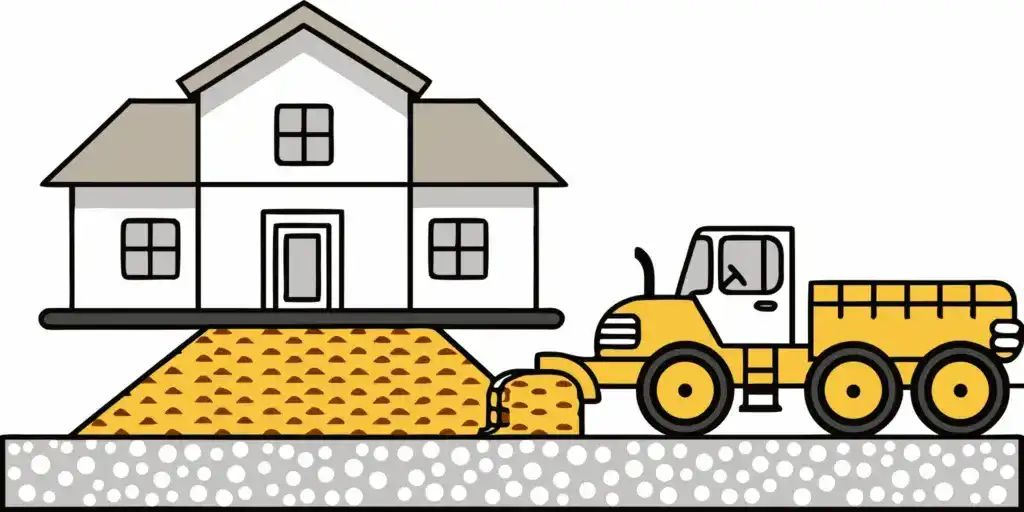
A Minnesota driveway is only as durable as the compacted road base gravel layer beneath its tires. Choose the wrong base, and winter movement can turn a smooth surface into ruts, dips, and soft spots.
Road base gravel is a compactable blend of crushed stone, gravel, and smaller fines that creates a firm foundation beneath a Minnesota driveway. Its mix of larger crushed aggregate and smaller fines locks together under compaction, giving vehicles a stable platform instead of loose, shifting stone. For many Minnesota driveways, Class 5 is a practical road base because it compacts tightly and helps the driveway withstand repeated seasonal movement. Proper drainage, a prepared subgrade, and compaction in manageable lifts matter just as much as choosing the right material for the site. The University of Minnesota notes that compaction increases soil strength, which helps a finished base resist movement under regular vehicle loads.
The key question is not simply which gravel to order, but how the material supports the driveway after placement and compaction. That answer starts with the next section, What is road base gravel?, and then leads into choosing and installing it for Minnesota conditions. Here’s how:
What is road base gravel?
A blend built to lock together
Road base gravel is a compactable mix used beneath driveways, roads, parking areas, and equipment pads. It usually combines crushed stone or gravel with sand and small particles called fines. Rather than staying loose, these different particle sizes settle together to form a firm supporting layer.
The larger pieces create the main structure and help spread loads across the base. Smaller stone and sand fill spaces between those pieces. Fines fill the smallest gaps and help bind the mix when crews add moisture and compact it. This graded blend is what makes road base gravel useful below a finished surface.
In Minnesota, Class 5 is a common type of road base material. Homeowners and contractors can review Class 5 road base gravel when planning a driveway, pad, or private road. The right material still depends on the site, expected traffic, drainage, and planned surface.
Road base versus clean gravel
Clean decorative gravel is made to stay visible and provide a neat finish. Its pieces tend to be more uniform, with little or no fine material mixed in. That can work well for landscape beds, borders, and other areas where appearance matters most.
Road base gravel serves a structural role instead. Its mix of large and small particles is meant to pack into a dense layer. Clean gravel leaves more open space between stones, so it does not bind in the same way. That difference matters when the material must support vehicles or another gravel layer.
The two materials can look similar in a pile, but they should not be treated as direct substitutes. When selecting the right road base, focus on how the layer must perform. Color and stone shape are less important below the surface than gradation, placement, and compaction.
Why compaction matters
Compaction presses the blended particles into closer contact and helps the base resist movement under traffic. A loose pile may contain the right material, yet it cannot provide the same support as a base placed and compacted in even lifts. Moisture also affects how well the particles settle together.
This step is important in Minnesota, where seasonal freezing and thawing can stress a driveway base. Compaction helps limit shifting and soft spots, but it does not replace sound drainage or proper site preparation. The University of Minnesota Extension explains that compaction presses particles together, reduces pore space, and increases density.
A well-built base starts with stable ground, then adds road base gravel in manageable layers. Each layer needs even spreading and firm compaction before the next one goes down. Skipping that work can leave weak areas that settle under tires and allow the finished surface to become uneven.
Why Minnesota driveways need the right base
Minnesota driveways face changing ground conditions through winter and spring. Moisture can freeze, thaw, and leave weak areas beneath the driving surface. A suitable road base gravel layer helps spread vehicle loads and gives the surface stable support.
Freeze-thaw movement below the surface
Cold weather affects more than the gravel visible from the road. The University of Minnesota Extension notes that Upper Midwest soils can freeze three feet or deeper. It also reports that the top two to five inches may go through more than one freeze-thaw cycle each year.
That repeated movement can expose weak spots in a driveway base. Properly placed and compacted Class 5 helps create a firm layer above the prepared soil. It can resist shifting as conditions change, but the result still depends on the soil, grading, and installation.
Drainage and base stability
Water management matters because wet, soft soil provides poor support for traffic. The driveway should be shaped so water moves away instead of sitting on the surface or along its edges. A stable base also needs a prepared subgrade that can carry the expected vehicle load.
Compaction is part of that balance. It presses the aggregate together so the base is less likely to move under tires. Yet drainage cannot be ignored, since dense soil has less pore space for water movement. Using the right material, slope, and site preparation helps manage both needs.
Class 5 as a working driveway base
Class 5 is often used because its blend of particles compacts into a firm road base. Larger pieces add structure, while smaller material helps fill gaps and bind the layer. For Minnesota driveways, Class 5 road base gravel can support a surface layer or serve as the main driving surface.
The base must also match the site. Soil type, drainage path, driveway slope, traffic, and planned surface all affect the choice. Before ordering material, check soft areas and confirm where runoff will go.
Material quality can vary, so a clear specification is useful. Minnesota Department of Transportation documents list defined requirements for Class 5 aggregate and use tests for base quality control. These MnDOT aggregate specifications show why the material name alone does not explain how a finished base will perform.
Road base gravel vs. other driveway materials
Road base gravel, Class 5 gravel, clean gravel, and asphalt millings can all serve a driveway project. Their best uses differ because each material handles compaction, drainage, and surface wear in its own way.
The right choice depends on whether the material will form a structural base, a drainage layer, or the finished driving surface. This comparison focuses on project fit rather than exact pricing, which can change with supply and delivery needs.
Material comparison by project fit
Road base usually blends crushed gravel, sand, and fines so the material can pack into a firm layer. Class 5 is a common Minnesota option for this role. Our Class 5 road base gravel guide explains where it fits in driveways, roads, and equipment pads.
| Comparison point | Road base gravel | Class 5 gravel | Clean gravel | Asphalt millings |
|---|---|---|---|---|
| Typical role | Structural base | Minnesota road and driveway base | Drainage-focused layer | Reclaimed driving surface |
| Compaction | Packs firmly | Packs into a stable base | Stays looser without fines | Packs with proper grading |
| Drainage fit | Use with planned drainage | Use with planned drainage | Good fit where water must pass | Needs a sound, shaped base |
| Surface feel | Firm but unfinished | Firm and practical | Loose and textured | Smoother after compaction |
| Best project fit | Base under a final layer | Driveways, roads, and pads | Drainage zones and select layers | Finished surface over a stable base |
Compaction supports strength, but it also changes how water moves through the layer below. The University of Minnesota explains soil compaction and notes that compacted soil has slower water infiltration and drainage. A driveway plan must balance a firm base with a clear path for water.
Base layer or finished surface
Choose road base gravel or Class 5 when the main goal is a stable foundation. These blends contain particles that work together during grading and compaction. They are practical beneath another gravel layer, asphalt, or other finished surface.
Choose clean gravel when drainage matters more than creating a tight surface. It can fit drainage areas or selected driveway layers, but loose stone may shift under turning tires. Asphalt millings are another option when the project needs a compacted reclaimed surface.
Minnesota driveway priorities
Minnesota driveways must handle seasonal soil movement and repeated vehicle loads. Proper grade, drainage, layer depth, and compaction matter as much as the selected material. Skipping those steps can leave even a suitable aggregate unable to perform as planned.
Start by defining the job of each layer, then compare the materials that fit that job. A broader guide to selecting the right road base can help narrow the options before arranging delivery.
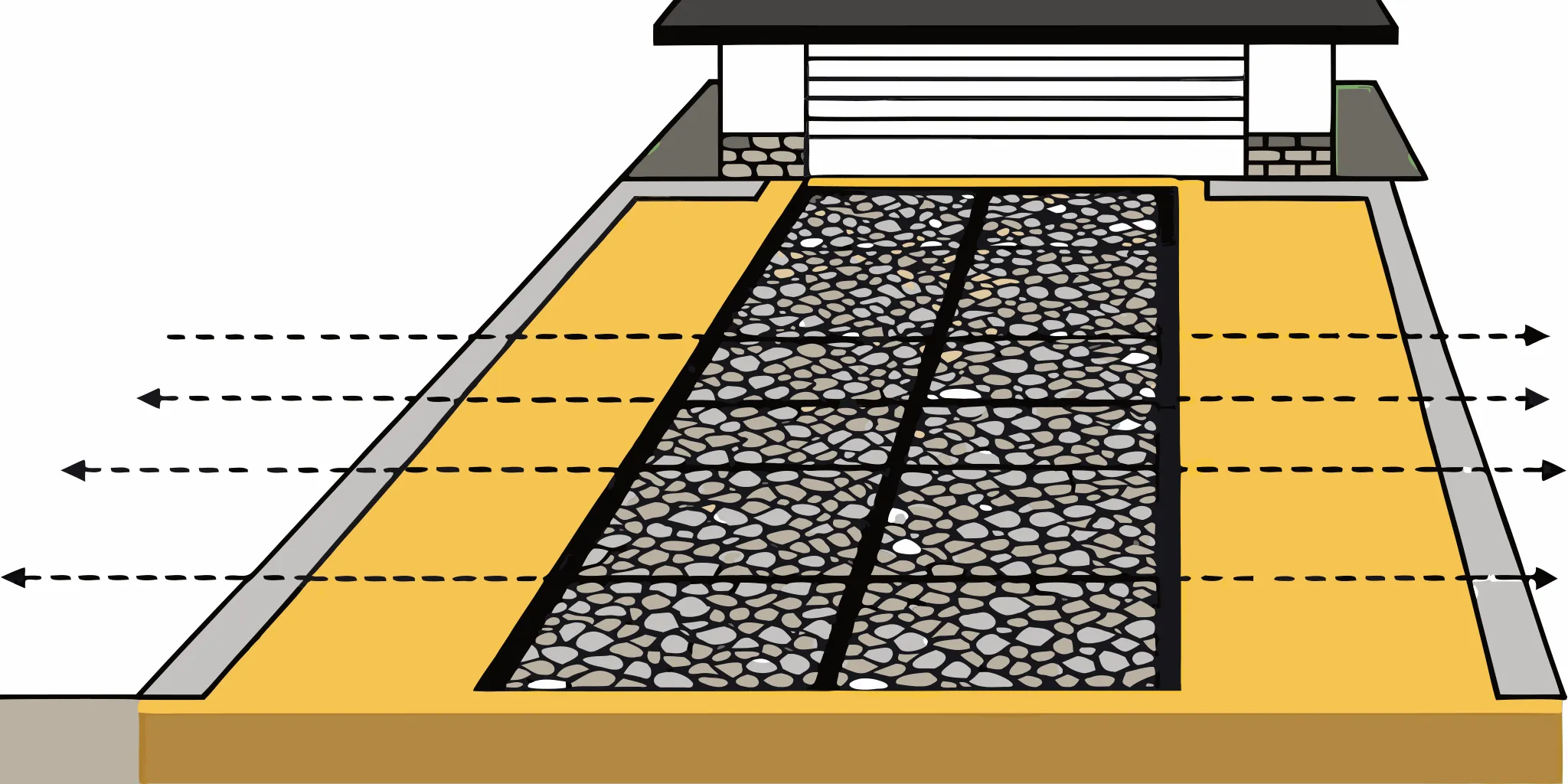
Get a free quote for Class 5 road base delivery before you begin site preparation.
How to prepare a lasting gravel driveway base
Site and subgrade checks
Project needs vary with soil, traffic, slope, and the condition of the existing drive. Before ordering road base gravel, inspect the full route. Mark soft areas, ruts, buried utilities, and low spots. Plan where delivery trucks can enter, turn, unload, and leave without crossing weak or wet ground.
Start with firm subgrade rather than covering problems with more gravel. Remove loose soil, mud, roots, and failed material. Repair soft sections before the new base goes down. Heavy loads can cause deep soil compaction when the ground is wet, according to the University of Minnesota Extension. Waiting for better ground conditions may prevent added damage.
Base installation sequence
Use this sequence as a practical starting point for a new driveway or a full base refresh. The right depth, slope, and equipment will depend on the site. A local contractor can help assess steep grades, poor soils, drainage problems, or drives that carry heavy trucks.
Inspect and shape the subgrade. Strip away failed material and expose stable ground. Fill isolated soft spots with suitable base material, then shape the route before adding the main gravel layer.
Set drainage and grade. Shape the driveway so water moves away instead of sitting in wheel paths. Keep runoff away from buildings, neighboring land, and areas where it could wash out the drive.
Measure and order material. Measure the driveway’s length and width, then confirm the planned compacted depth. Discuss site access, drop location, and material choice before scheduling delivery. Minnesota Aggregates can help confirm whether Class 5 road base gravel is a practical Minnesota base option.
Place gravel in manageable lifts. Spread an even layer across the prepared subgrade instead of dumping the full depth at once. Thin, even lifts make it easier to find low spots and achieve consistent compaction.
Compact each lift. Use suitable compaction equipment across the whole surface, including edges and repaired spots. Make repeated passes before adding the next lift. Proper compaction helps the base resist movement under vehicles and during seasonal ground changes.
Finish the surface. Check the final crown or cross-slope, smooth loose ridges, and correct low areas. Inspect the driveway after rain to find ponding or erosion before those problems grow.
Final grading and upkeep
A finished base should feel firm and shed water without channeling it down the driveway. Walk the edges and drive the route slowly to spot loose areas or movement. If the project also includes a fresh top layer, follow a clear process for preparing your driveway base before spreading it.
Recheck the surface after the first heavy rain and after regular vehicle use begins. Fill early ruts, restore the grade, and keep ditches or drainage paths clear. Small repairs made early help protect the compacted base beneath the driving surface.
How much road base gravel should you order?
Order quantity depends on the driveway’s measured area, planned compacted depth, low spots, and the amount of loose material needed to reach the finished grade. Accurate measurements plus a clear delivery plan help Minnesota Aggregates recommend practical load sizes without relying on a generic quantity.
Measure the finished base
Start by measuring the full length and width of the area that will receive road base gravel. Then choose the compacted depth needed for the planned use and current soil conditions. Measure odd shapes as smaller rectangles so you can estimate each part without guessing.
Multiply length by width by depth to estimate the finished volume. Keep every measurement in the same unit before doing the math. Your supplier can then convert that volume into the unit used for quotes and loads.
Order enough loose material to reach the planned depth after grading and compaction. The right allowance depends on the material, moisture, equipment, and site. Discuss those details with the supplier when arranging Class 5 road base gravel, rather than adding a fixed percentage on your own.
- Length and width of the full work area
- Planned compacted depth
- Existing low spots that need extra fill
- Material needed beyond the main area for edges and grading
- Supplier load size and the number of loads required
Plan the drop location
A correct quantity estimate is only useful if the truck can place the material where the crew can use it. Choose a firm, level dump spot with a clear path from the road. Remove parked cars, trailers, branches, and other items before delivery.
Check overhead clearance and allow room for the truck to enter, turn, dump, and leave. Soft or wet ground may not support a loaded truck. The University of Minnesota notes that heavy axle loads on wet soil can cause deep compaction. Protect soft areas and discuss access limits early.
Keep the pile close enough for efficient spreading, but do not block doors, drains, utilities, or the work route. If direct placement is not possible, plan how equipment will move material from the safe dump spot. Review the work sequence before preparing your driveway base.
Confirm loads, timing, and quote details
Share your measurements, desired compacted depth, site address, and planned use when asking for a quote. Also describe the access route, dump location, and any tight turns or overhead limits. Clear details help the supplier recommend a practical load plan.
Quote totals can change with the material selected, order quantity, delivery distance, load size, and site access. Ask what unit the quote uses and whether delivery is listed separately. Confirm how partial loads or added trips would affect the total before scheduling.
Coordinate delivery with grading and compaction equipment so loose gravel does not sit in the way. Leave enough time for each lift to be spread and compacted before more material arrives. A staged delivery plan can keep a tight site open while giving the crew steady access to road base gravel.
Plan for a smooth aggregate delivery
A smooth road base gravel delivery requires a firm truck route, safe dump location, clear overhead space, and coordinated timing. Sharing access limits before delivery helps the driver plan a safe approach and helps your crew keep spreading and compaction work on schedule.
Check the truck route
A smooth delivery starts with a clear route from the road to the planned dump area. Before booking, check the full path for narrow gates, low branches, power lines, soft shoulders, and tight turns.
The driveway and access path must also support a loaded truck. The University of Minnesota Extension notes that heavy axle loads on wet soil can cause deep compaction. If the route is soft, wet, or newly graded, discuss another dump point before the truck arrives.
- Measure gates and other narrow points along the route.
- Trim low branches and confirm safe overhead clearance.
- Move parked cars, trailers, tools, and other obstacles.
- Leave enough open space for the truck to turn and exit.
Walk the route as if you were driving a large vehicle. Look beyond simple width and note slopes, sharp bends, weak culverts, and areas where tires may leave the firm surface.
Prepare a safe dump area
Choose a firm, level dump spot that keeps the load clear of traffic, doors, drains, and work areas. Mark it so the driver can see the exact location without guessing. Keep people, pets, and equipment away during unloading.
Place the pile where crews can spread it without moving the material twice. If you are preparing your driveway base, consider how grading and compaction equipment will approach the pile after delivery.
Weather can change a good route quickly. Rain and spring thaw may soften the access path or dump area, while snow can hide edges and obstacles. Recheck conditions close to delivery day instead of relying on an earlier site review.
Coordinate timing and details
Share clear site details when scheduling the road base gravel delivery. Include the address, preferred date, access limits, dump location, and a phone number for the person on site. Mention gates, steep grades, overhead hazards, or nearby road work early.
Confirm who will meet the truck and how that person can guide the driver safely. If plans change, contact the delivery team as soon as possible. Clear updates help avoid delays and keep the load headed to the right place.
Also confirm the material and amount before delivery. For driveway or road projects, review whether Class 5 road base gravel fits the planned use. Have the site ready before the delivery window so unloading can begin without last-minute clearing.
Maintain your road base through Minnesota seasons
Inspect road base gravel after heavy rain, spring thaw, and periods of frequent traffic. Restore drainage and surface shape early, then repair ruts or low spots with compatible material before damage spreads. Small, timely repairs help protect the compacted base throughout Minnesota’s changing seasons.
Drainage and surface shape
Start each inspection by watching where water moves during or after rain. Water should leave the driving surface instead of sitting in depressions. Clear leaves, sediment, and gravel from ditches or outlets that help carry runoff away.
Check that the crown or planned slope still guides water toward the edges. If traffic has flattened the center, reshape it before adding more material. This keeps the new gravel from simply filling a drainage problem.
Pay close attention to areas where water crosses the drive or collects near the shoulder. The University of Minnesota explains that compacted soil has a reduced rate of water infiltration and drainage. Keeping runoff moving helps limit wet, soft areas beside the road base.
Early rut and low-spot repairs
Repair a rut when it first appears. Begin by finding the cause, such as poor drainage, repeated wheel traffic, or a soft edge. Loosen and reshape the damaged area, then add compatible road base gravel and compact it.
Avoid covering a deep rut with loose gravel alone. The fill may move because the weak area below remains unchanged. For broader repairs, follow the same basic approach used when preparing your driveway base: shape the area, spread material evenly, and compact it.
Refresh low spots before they begin holding water. Blend added material into the nearby surface rather than leaving a raised patch. Check the repaired area after the next rain and after regular vehicle use.
Seasonal inspection routine
Inspect the road base when spring thaw reveals movement, after heavy rain, and before winter. Walk the full drive and note ruts, ponding, loose edges, and gravel pushed into nearby areas. Mark each repair so no small issue gets missed.
During wet periods, limit heavy traffic on areas that feel soft or show fresh tire depressions. University of Minnesota guidance notes that heavy axle loads on wet soil can drive compaction deeper. Waiting for the area to firm up can reduce added stress.
Before ordering repair material, measure each worn area and plan where the truck can safely reach. Use material that matches the existing base. Class 5 road base gravel is a practical option for many Minnesota driveways, pads, and roads.
Frequently Asked Questions
These quick answers cover the road base gravel questions Minnesota homeowners and contractors often ask about depth, compaction, seasonal performance, and delivery preparation. Project-specific requirements still depend on the site’s soil, drainage, traffic, and existing base condition.
How thick should road base gravel be for a Minnesota driveway?
The required depth depends on subgrade strength, drainage, vehicle weight, and whether the driveway already has a stable base. Soft or wet areas usually need more excavation and base material than firm, well-drained ground. A contractor should inspect the site before calculating material volume. Install the road base in manageable lifts and compact each lift rather than placing the full depth at once.
Why does road base gravel need compaction?
Compaction locks the graded particles together, creating a firm layer that resists rutting and movement under vehicles. It must be balanced with drainage because compacted soil has fewer large pores for moving water downward. The University of Minnesota Extension explains that compaction reduces water infiltration and drainage. Compact road base in lifts at suitable moisture levels for more consistent results.
Can road base gravel help a driveway survive Minnesota freeze-thaw cycles?
Road base gravel can provide a stable driveway foundation when the material, drainage, and compaction suit the site. Class 5 gravel is commonly used in Minnesota because its blend compacts into a strong base. Still, freeze-thaw movement can expose weak drainage or poorly compacted areas. The finished driveway should direct water away and receive prompt maintenance when ruts or low spots appear.
What should I do before road base gravel delivery?
Clear the delivery route before the truck arrives, and remove vehicles, low branches, or other obstacles. Identify a firm, accessible drop location with enough overhead and turning clearance for the delivery truck. The driver must decide whether conditions allow safe access, especially after rain. Confirm the material, estimated quantity, delivery window, and placement plan with the supplier before delivery day.
Ready to Plan Your Minnesota Driveway Base?
Waiting to address a weak driveway base can lead to deeper ruts, uneven areas, and more repair work after seasonal weather changes. Starting now gives you time to choose the right gravel, confirm site access, and arrange delivery before your project schedule gets tight. With materials planned early, you can prepare the driveway, coordinate equipment, keep installation moving, and avoid costly last-minute scheduling conflicts.
Ready to build a stable road base for your Minnesota driveway? Share your driveway size, location, preferred timeline, and delivery access details when you request a free quote. Contact Minnesota Aggregates to request your quote and start planning the material delivery your driveway project needs.