
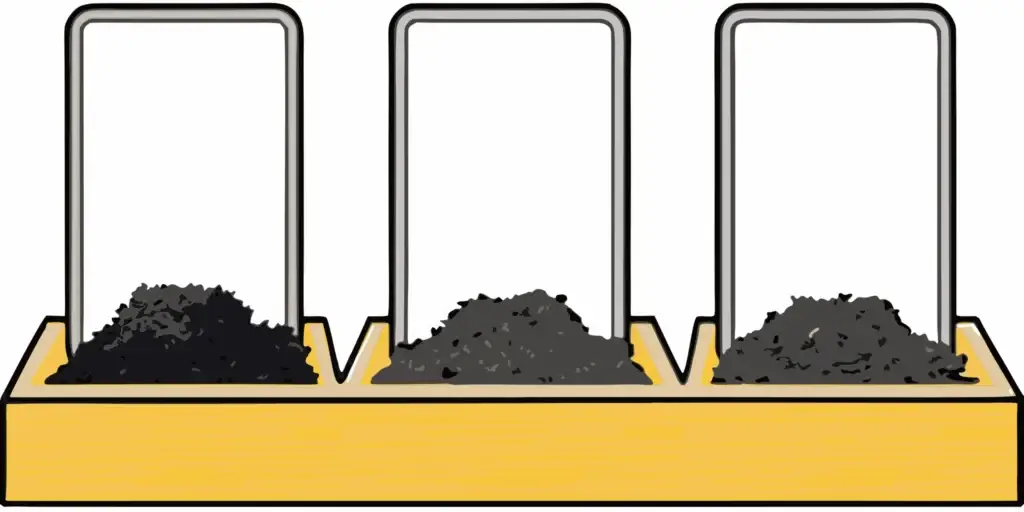
Choosing a soil material can shape how well a lawn establishes, how productive a garden becomes, and how much extra work a landscaping project requires. The right option depends on whether you need a stable base, added nutrients, or a ready-to-use blend.
Black dirt vs compost vs garden soil comes down to function: black dirt provides a screened topsoil base. Compost adds organic matter and nutrients, and garden soil combines topsoil with compost and other amendments for a specific planting use. Black dirt can work well in gardens, but mixing it with compost can improve drainage and nutrient availability.
Ready to get started? Order screened black dirt or premium soil blends for Twin Cities delivery today.
What Is Black Dirt?
Black dirt is the common Minnesota term for dark topsoil used as a base material in landscaping. It is screened to remove larger rocks and debris and provides the mineral soil volume that lawns, garden beds, and fill projects depend on. Its dark color generally reflects a higher concentration of organic matter than subsoil or ordinary fill dirt.
There is an important distinction behind the name. Michigan State University Extension notes that “topsoil” is not a formal technical term. In nature, it refers broadly to the top 2 to 8 inches of soil, where organic matter is most concentrated. Because the term has no universal material specification, quality can vary between suppliers. Ask what has been screened and how the material is intended to perform before ordering a bulk load. For Minnesota homeowners, screened black dirt is a practical choice for building up or repairing lawn areas, filling low spots, establishing garden beds, and supporting broader landscaping projects.
Black dirt is not the same as compost or finished garden soil. It is primarily a topsoil material, while compost is an organic amendment and garden soil is typically blended for a specific planting use. Black dirt can work in garden beds, but it may benefit from being mixed with compost or another amendment when plants need improved drainage and nutrient availability. A soil test from the University of Minnesota can also help identify what your existing soil is missing before you choose a blend.
Material selection matters for projects that involve more than a few bags. Minnesota Aggregates delivers screened black dirt across the Twin Cities for residential and commercial projects, helping customers get the right volume of material to the job site. See the details for black dirt delivery in Minnesota, or compare fill dirt vs black dirt when your project involves leveling or filling.
What Is Compost?
Compost is decomposed organic material made from plant matter. It is an amendment that adds organic matter and improves soil structure, not a standalone growing medium. When mixed into existing soil or combined with a base material, compost can increase the availability of air, water, and nutrients for plant roots.
The University of Minnesota Extension explains that incorporating compost into compacted soil can increase the availability of air, water, and nutrients for plants. Organic matter also improves soil physical properties, helping create the conditions roots need to grow. Those benefits can be especially useful when an existing garden bed is dense, depleted, or slow to drain. Compost can help improve the soil, but the amount and the material it is mixed with still matter.
Why compost improves soil
Think of compost as a support ingredient. It can contribute organic matter and help improve the balance of air and water around plant roots. It may also add nutrients as it continues to break down. A base such as black dirt or topsoil provides much of the mineral soil volume, while compost helps adjust the soil structure and nutrient-holding capacity. The right blend depends on the site, the plants, and the condition of the soil already in place.
That is why using compost alone is not automatically the best choice for a new bed. A deep layer of pure compost may settle differently from mineral soil and may provide more nutrients than the plants require. For larger projects, combining a suitable soil base with a measured amount of compost is generally more practical than treating compost as fill material.
Use compost carefully in Minnesota
More compost is not always better. UMN Extension warns that over-applying compost can cause phosphorus to build up, which can negatively affect lakes, rivers, and other freshwater ecosystems. Apply compost according to the needs of the soil and plants rather than using a heavy layer by default. When the soil condition is uncertain, a soil test can help guide amendment decisions before you buy materials.
For most Minnesota landscaping projects, compost works best as part of a balanced soil plan: use an appropriate base material. Add compost where it solves a specific problem, and avoid applying more than the site needs. Read the UMN Extension guide to healthy garden soil for more detail.
What Is Garden Soil?
Garden soil is an engineered growing mix that combines topsoil with compost and other amendments such as peat moss, perlite, or sand. It is designed to provide more consistent drainage, air space, and nutrient availability than raw soil alone, making it a convenient choice for planting beds and containers.
Extension guidance describes good garden soil as a loam made from approximately 40% sand, 40% silt, and 20% clay, with an additional 4% to 10% organic matter. That balance helps the soil hold moisture and nutrients without staying saturated around plant roots. Actual garden mixes vary, however, so the bag label or supplier specification matters more than the name by itself. Extension common garden mix guidance describes a 1-1-1 approach using topsoil, peat moss or compost, and sand.
What is added to garden soil?
Each ingredient has a job. Topsoil provides mineral material and bulk. Compost contributes organic matter and supports the soil’s ability to provide air, water, and nutrients. Peat moss can help with moisture retention, while perlite creates additional pore space and improves drainage. A mix intended for vegetables may be formulated differently from one intended for flowers, shrubs, or raised beds.
This is why bagged garden soil from a garden center usually costs more than bulk black dirt. And why bulk garden soil blends sit between the two in cost. Bagged products are blended, screened, packaged, and ready to use for a defined planting application. Black dirt is generally raw topsoil and can be a practical, economical base, but it may need compost or another amendment to improve its drainage and nutrient content. For more planting guidance, see this guide to garden soil for a vegetable garden.
For a larger Minnesota project, the right choice depends on the plants, the existing soil, and the volume needed. Garden soil is convenient for filling containers or preparing a smaller bed. Bulk black dirt may make more sense for building up a larger area, followed by targeted amendments where plants will grow.
Black Dirt vs Compost vs Garden Soil: Side-by-Side Comparison
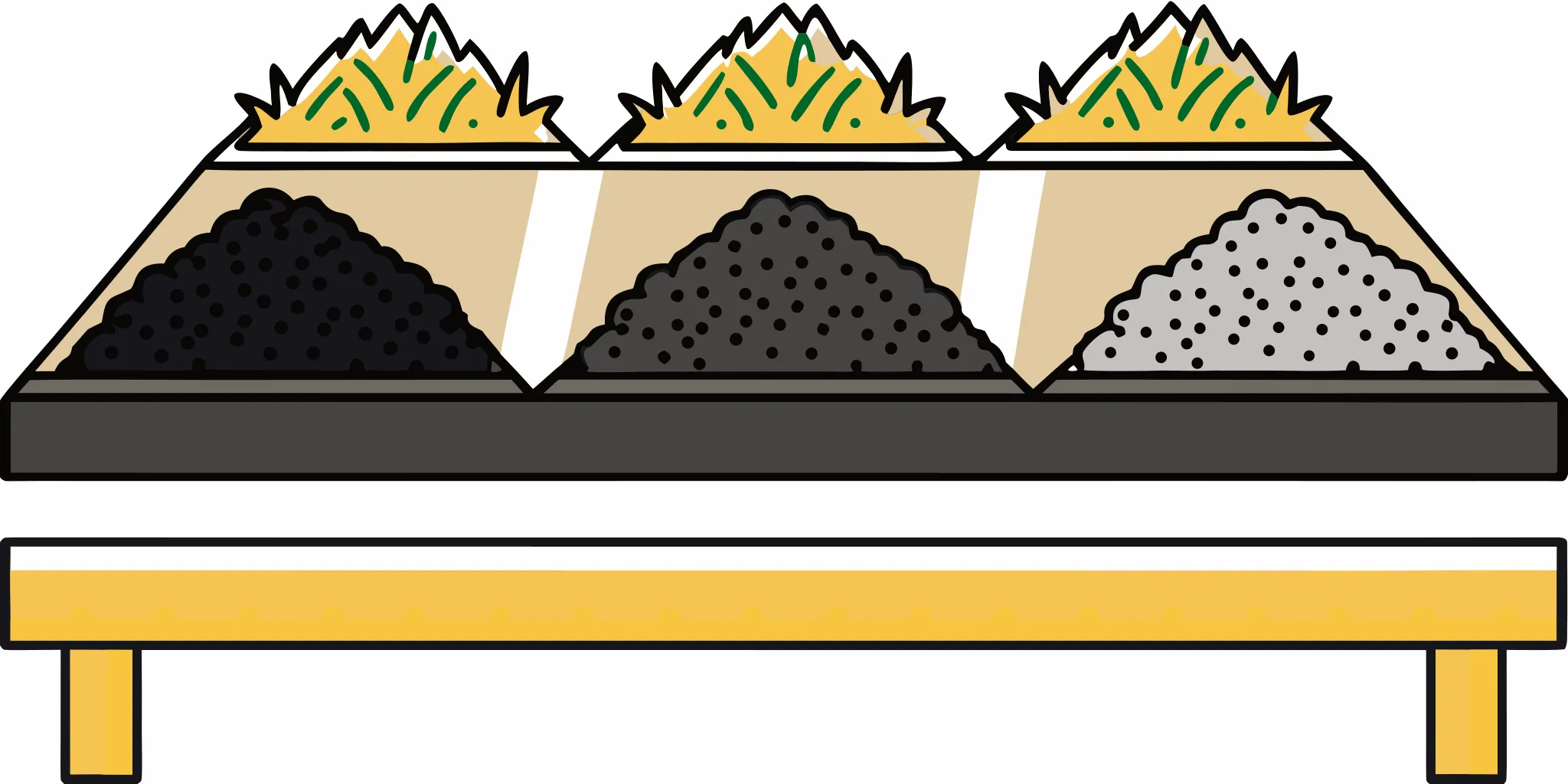
Black dirt, compost, and garden soil are not competing choices. Black dirt provides bulk soil and a base for filling or planting areas. Compost is an amendment that adds organic matter. Garden soil is a prepared blend for planting. Pick the material that matches your project stage: base first, then amendments, then the planting medium.
| Factor | Black dirt | Compost | Garden soil |
|---|---|---|---|
| Composition | Raw topsoil, often screened for a more consistent texture. | Decomposed organic material used as a soil amendment. | An engineered blend of topsoil, compost, and other amendments. |
| Primary use | Filling low areas, establishing lawns, and creating a soil base. | Improving existing soil structure and adding organic matter. | Providing a ready-to-use medium for garden beds and raised beds. |
| Nutrient content | Variable; it may need an amendment for intensive plant growth. | Provides organic matter and can increase air, water, and nutrient availability. | Usually more balanced for planting because it combines soil with amendments. |
| Relative cost | Typically the least expensive per yard. | Typically the most expensive per yard. | Usually mid-range because it is blended and ready to use. |
| How it is made | Collected and screened to remove larger debris. | Produced through controlled decomposition of organic materials. | Blended for a particular planting or landscaping purpose. |
| Best for | Lawns, fill, low spots, and the base of landscape or garden beds. | Amending compacted or depleted soil and topdressing established areas. | Garden beds and raised beds where a planting-ready mix is useful. |
The distinction between the materials is supported by Minnesota Aggregates’ explanation that black dirt is raw topsoil while garden soil is an engineered mixture designed for improved drainage and nutrients. Compost serves a different role as an amendment rather than a stand-alone replacement for all soil. A common 1-1-1 garden mix combines topsoil, peat moss or compost, and sand, illustrating how these materials can work together. See the black dirt delivery page for the base material, and follow application guidance carefully. The University of Minnesota notes that compost can improve soil conditions, but excessive application may contribute to phosphorus buildup.
For a large lawn or bed project, black dirt is often the economical starting point. For planting-intensive areas, garden soil may reduce preparation work, while compost can be added where the existing soil needs improvement. Learn more about using black dirt for yard leveling if your project involves grading.
When Should You Use Black Dirt, Compost, or Garden Soil?
Use black dirt for volume and shaping, compost for organic matter and nutrients, and garden soil for a ready-to-use planting blend. This simple framework applies to most Minnesota lawns, garden beds, and landscape projects.
For lawns and low spots
Choose black dirt when the main job is filling low areas, smoothing uneven ground, or establishing a base before seeding. It provides the volume needed for yard leveling without using a planting amendment for a job that primarily involves moving soil. For more guidance, see our advice on using black dirt for yard leveling. If you are looking at a broader regrading project, read about the cost to level a yard to plan your budget.
Compost serves a different purpose on an established lawn. Use a light compost topdressing when you want to add organic matter to the surface and support the soil around existing grass. Work it into compacted areas as appropriate, since compost can increase air, water, and nutrient availability for plants. Avoid applying more compost than the lawn needs, since over-application can contribute to phosphorus buildup and affect Minnesota waterways.
For raised vegetable and flower beds
Garden soil mix is the convenient choice when you are filling a new raised bed and want a blended medium suited to planting. It is typically formulated from topsoil and amendments rather than being raw soil alone. If you are mixing materials yourself, combine black dirt with compost so the finished bed has both structure and more available organic matter. Black dirt alone can fill the bed, but it often needs compost or another amendment for stronger drainage and nutrient support during plant growth. For more planting guidance, review our guide to the best soil for a vegetable garden. If you are planning a larger project, the yard grading contractor guide covers how to prepare the site before adding soil.
If you are not sure what an existing bed needs, a soil test from UMN Extension can provide information about texture, pH, nutrients, and organic matter before you add amendments.
For landscape beds
Use black dirt as a base when a landscape bed needs additional soil or a change in elevation. Once the bed has the right shape, amend the planting zone with compost based on what you plan to grow. This approach is more practical than using a premium garden blend throughout a deep fill area. It also lets you focus amendments where roots will actually develop.
- Filling and leveling: Black dirt is usually the practical starting material for building volume.
- Improving existing soil: Compost adds organic matter and supports better air and water movement in compacted ground.
- New raised beds: Use garden soil mix, or blend black dirt with compost for a balanced planting medium.
- Landscape planting areas: Build the base with black dirt, then amend the root zone with compost where plants will go.
- Topdressing established lawns: A thin layer of compost can add organic matter without disrupting the grass.
- Container gardening: Garden soil or a potting mix is more suitable than raw black dirt for potted plants that need consistent drainage.
- Large-scale fill projects: Non-screened fill dirt or bulk black dirt is the most cost-effective option for deep fill areas.
In short, black dirt is useful for fill and grading, but growing plants generally benefit from compost or another suitable amendment. Select the material based on the project first, then adjust the planting area for the plants you intend to grow. If you need help calculating volume, use our cubic yardage calculator to estimate how much material your project requires.
Can You Mix Black Dirt, Compost, and Garden Soil?
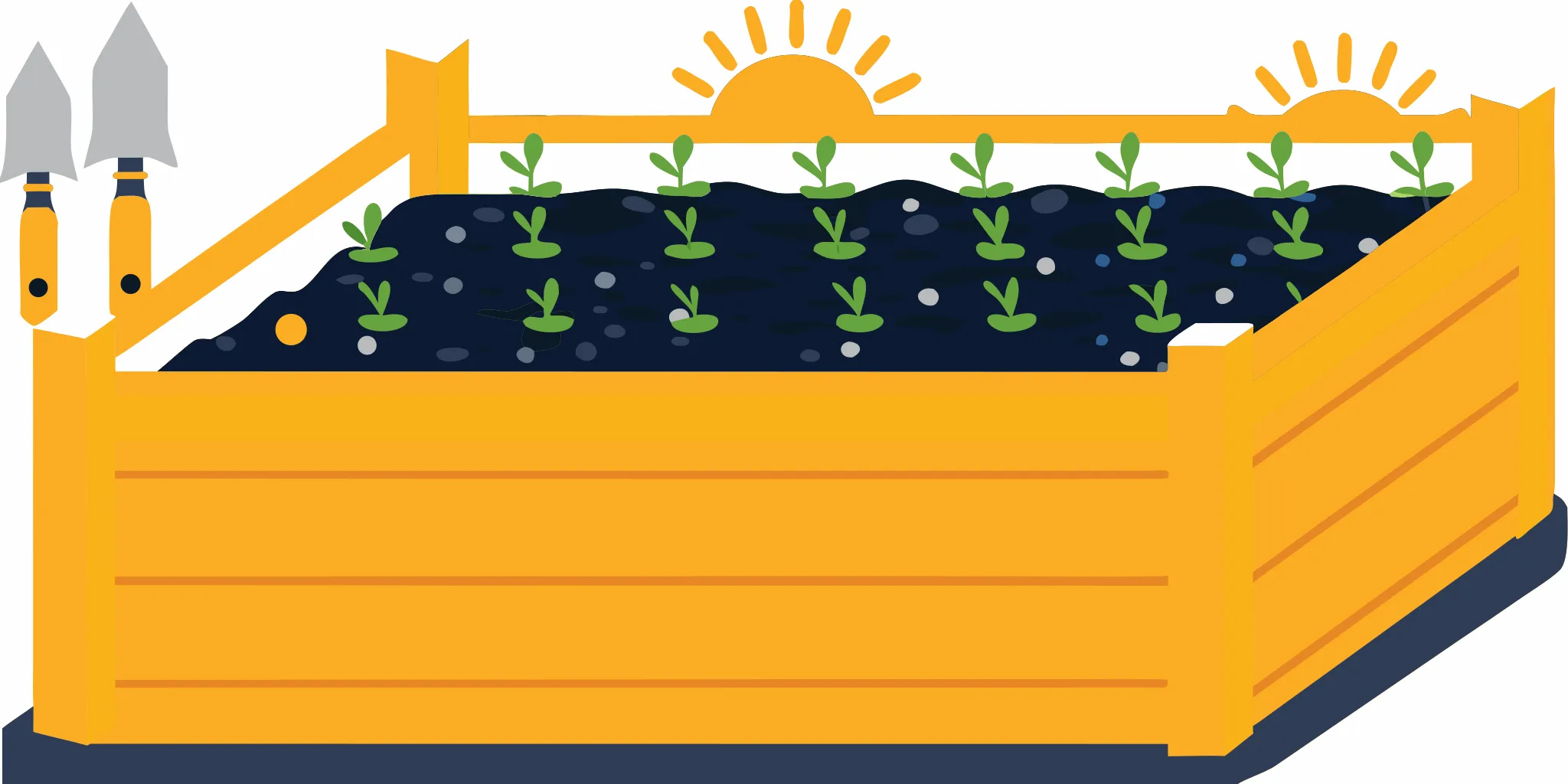
Yes, these materials can be blended. Black dirt provides the base volume, compost contributes organic matter and nutrients, and garden soil can be used as-is or adjusted. A common starting ratio for garden beds is two parts black dirt to one part compost.
Start with a soil test
Before adding any amendment, test the soil you already have. The University of Minnesota Extension identifies soil testing as the first step in understanding soil texture, pH, nutrient levels, and organic matter. Those results can help you decide whether you need more organic matter, a different texture, or a fertilizer recommendation for the plants you plan to grow. See the UMN Extension guidance on soil testing before ordering materials. If you already know what your soil needs, browse black dirt delivery options or explore sand delivery if your project requires better drainage.
This matters because more compost is not automatically better. Compost can increase air, water, and nutrient availability, but over-applying it may contribute to phosphorus buildup that can harm Minnesota lakes and rivers. Use the test results and the needs of the planting area to guide the amendment rather than adding compost by guesswork.
Practical mixing ratios
For a general garden bed, a useful starting point is two parts black dirt to one part compost. This provides a substantial soil base while adding organic matter to support drainage and nutrient content. The exact result will depend on the materials and the soil beneath the bed, so mix thoroughly and adjust only after considering the site conditions.
For a raised bed, a commonly used 1-1-1 garden mix combines one part topsoil, one part peat moss or compost, and one part sand. The concept is described by Ask Extension. In Minnesota, black dirt can serve as the topsoil portion, while compost supplies organic matter. Sand may be appropriate when the bed needs a lighter texture, but a soil test can help prevent an unnecessary amendment.
Mixing black dirt with compost can improve drainage and nutrient content for garden use, but the goal is balance, not a single universal recipe. Work the materials together before planting, avoid burying a sharp layer between different soils, and monitor how the bed holds water through the growing season. For deeper guidance on building a productive garden, read our guide to the best soil for a vegetable garden and learn how to prepare the base with black dirt.
Frequently Asked Questions
Is black dirt the same as garden soil?
No. Black dirt is generally raw topsoil used as a base or fill material, while garden soil is an engineered blend made for specific growing conditions. Garden soil may include topsoil, compost, and other amendments to improve drainage and nutrient availability. Choose black dirt for building volume or leveling, and choose a prepared garden blend when you want a planting medium that is ready to use.
Can you use black dirt for a garden?
Yes, but black dirt may perform better when mixed with compost or another suitable amendment. The added organic matter can improve air and water availability while supplying nutrients for plant growth. The right blend depends on the existing soil, the plants you are growing, and whether the bed drains well.
Does black dirt need to be amended?
Not always. For lawn filling, low spots, or general landscape base work, screened black dirt may be all you need. For vegetable gardens, flower beds, or raised beds, testing the existing soil first can help identify texture, pH, nutrient, and organic matter needs. The University of Minnesota recommends soil testing for tailored recommendations: soil testing for lawns and gardens.
Is compost better than garden soil?
Neither is automatically better because they serve different purposes. Compost is an amendment that adds organic matter and can improve compacted soil. Garden soil is a broader planting mix designed to provide a balanced growing medium. Avoid applying compost excessively, since phosphorus buildup can harm Minnesota lakes, rivers, and other freshwater ecosystems: University of Minnesota compost guidance.
Is garden soil good for lawns?
Garden soil can work in limited planting areas, but it is usually not the most practical choice for broad lawn filling or leveling. Screened black dirt is commonly used as a base for those larger projects, while compost is better suited to targeted soil improvement or topdressing. For large lawn grading projects, see our guide to yard leveling costs and how to use black dirt for leveling.
Ready to Choose the Right Soil?
The right material can make your lawn, garden bed, or landscaping project easier to plan and finish. For screened black dirt delivery to your home or job site across the Twin Cities metro, call 612-772-3677 to request a free quote. We can help you get started with a practical next step for your project.