
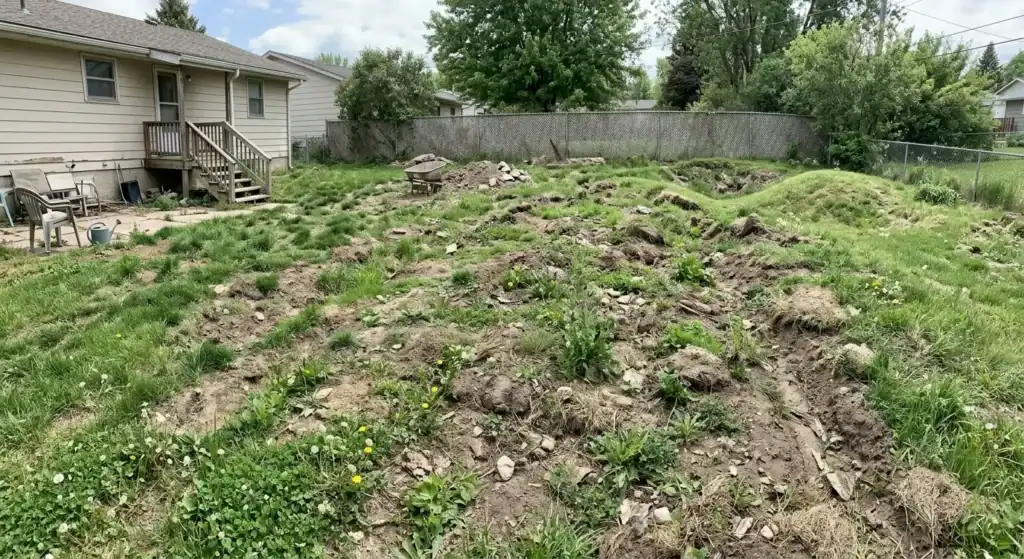
An uneven yard is more than just a cosmetic issue. It can lead to soggy patches after a rainstorm, create tripping hazards for your family, and make simple tasks like mowing feel like an off-road adventure. Leveling your yard is the solution, creating a smooth, functional surface that’s ready for landscaping, a new patio, or just a comfortable game of catch. But before you start planning, the first question is always about the budget. Understanding the typical cost to level a yard is the crucial first step. This guide will break down the numbers, explore the factors that influence the final price, and help you create a realistic financial plan for your project.
Key Takeaways
- Create a complete budget by looking beyond the initial quote: Your total cost includes not just labor but also the fill materials you’ll need, like black dirt, and the expense of new grass seed or sod to finish the job.
- Distinguish between leveling and grading to choose the right solution: Leveling smooths out surface bumps for a better-looking lawn, while grading reshapes your yard’s slope to fix serious drainage issues and protect your home’s foundation.
- Hire a professional for most jobs to ensure a lasting result: While DIY can work for minor fixes, a pro has the right equipment and expertise to handle significant slopes and drainage, preventing costly mistakes that could damage your property.
How Much Does It Cost to Level a Yard?
Figuring out the budget for a yard leveling project is often the first step for any homeowner or contractor. It’s an investment in your property that can solve drainage issues, create a more usable outdoor space, and provide a perfect foundation for landscaping. While the final price tag depends on several factors, like your yard’s slope and current soil condition, the biggest variable is almost always its size. A larger, more complex area will naturally require more time, materials, and labor than a small, simple patch.
To give you a clear idea of what to expect, let’s break down the typical costs you might see. We’ll look at it from two angles: the overall size of your yard and the cost on a per-square-foot basis. This approach will help you create a realistic budget and plan your project with confidence. Understanding these numbers upfront prevents surprises down the road and allows you to allocate funds for other important aspects of your project, like choosing the right fill material or planning for new sod. These figures are a great starting point for your research, giving you a solid baseline before you start gathering quotes from local professionals.
Costs by Yard Size
The total size of your yard is the primary driver of your leveling costs. For a smaller project, you might be looking at a few thousand dollars, but for a sprawling property, the investment will be more significant. On average, most homeowners spend between $1,000 and $3,330. To get more specific, here’s a general breakdown:
- 1,000 sq. ft. yard: $1,000 to $2,000
- 5,000 sq. ft. yard: $5,000 to $10,000
- 1-acre yard: $17,000 to $45,000
Keep in mind these figures cover labor and equipment. The cost of fill materials, like a quality black dirt delivery, will be an additional line item in your budget.
Cost Per Square Foot
If your yard doesn’t fit neatly into the sizes above, thinking about the cost per square foot can be a helpful way to estimate your project’s price. Professionals often price their services this way, which makes it easier to scale the cost to your specific property. Generally, you can expect to pay somewhere between $325 and $350 per 1,000 square feet for professional leveling services. This pricing model helps you create a more tailored estimate. Before you order materials, you can use a cubic yardage calculator to figure out exactly how much fill you’ll need for the job.
What Factors Affect the Cost of Yard Leveling?
Getting a quote for yard leveling isn’t a one-size-fits-all process. The final price tag depends on the unique characteristics of your property. Think of it like a custom project—the cost is tailored to the specific work your yard needs. Understanding the key variables will help you set a realistic budget and know what to expect when you start talking to professionals. From the size of your lawn to the type of dirt you need, each element plays a role in the total cost.
Yard Size and Slope
It makes sense that the bigger the yard, the more the project will cost. A larger area requires more fill material, more time, and more labor to get the job done right. The slope, or grade, of your yard is just as important. A gentle, rolling hill is much easier and cheaper to level than a steep, uneven incline. A severe slope often requires retaining walls or more extensive grading work, which adds to the complexity and expense. Before you order materials, you can use a cubic yardage calculator to get a rough idea of how much fill your project will require based on its dimensions.
Soil Type and Condition
The current state of your soil has a big impact on the project’s cost. If your yard is full of rocks, heavy clay, or compacted earth, the crew will need to spend extra time breaking it up and preparing the site. The type of fill material you choose also matters. While basic fill dirt is a budget-friendly option for building up low spots, it isn’t ideal for growing a healthy lawn. For that, you’ll want a nutrient-rich topsoil. High-quality black dirt is perfect for establishing new grass seed or sod, ensuring your newly leveled yard becomes a lush, green space.
Equipment and Labor Needs
A small, mostly flat area might only require hand tools like shovels and rakes, but most leveling jobs need something more powerful. For medium to large projects, heavy machinery is essential for moving earth efficiently. The cost will depend on the type of equipment needed and how long it’s on-site. Hiring a professional with the right tools can save you a lot of time and physical effort. For significant grading and material spreading, professional skid steer services can make quick work of a job that would take days to do by hand, ensuring a smooth and even result.
Your Location and Site Access
Where you live and how easy it is to get to your yard can also affect the price. If your property is in a remote area, delivery fees for materials might be higher. More importantly, if your yard is hard to access—say, it’s fenced in with a narrow gate or there are delicate landscape features to work around—it complicates the job. Maneuvering equipment and materials in tight spaces takes more time and careful planning, which can increase labor costs. An open, easily accessible front yard will almost always be less expensive to level than a tricky backyard with obstacles.
Lawn Leveling vs. Yard Grading: What’s the Difference?
If you’re dealing with a bumpy, uneven lawn, you’ve probably heard the terms “leveling” and “grading” thrown around. While they sound similar, they are two very different solutions for two different problems. Think of it this way: leveling is like smoothing out the frosting on a cake, while grading is like tilting the whole cake stand to make sure nothing spills over.
Lawn leveling focuses on creating a smooth, even surface across your yard. It’s all about filling in the low spots and shaving down the high spots to get rid of bumps and dips. This makes your lawn look better, makes mowing easier, and helps it feel more comfortable to walk on.
Yard grading, on the other hand, is a much bigger job. It involves reshaping the slope of your entire property to control water drainage. The main goal of grading is to ensure that rainwater and melting snow flow away from your house’s foundation, preventing costly water damage. Choosing the right approach is key to getting the results you want without spending time and money on the wrong fix.
When to Choose Leveling
You should consider leveling your lawn if your main complaints are about the surface itself. Is mowing a bumpy, jarring experience? Do you notice your mower scalping the grass on high spots? Maybe you see small, muddy puddles scattered across the yard after it rains. These are all classic signs that your yard could benefit from leveling. The process typically involves spreading a thin layer of a soil mixture, like sand or topsoil, over the low areas to create a flat, uniform plane. This simple fix can dramatically improve your lawn’s appearance and make routine maintenance much more pleasant.
When to Choose Grading
Grading is the solution for more serious water-related issues. If you notice water pooling around your foundation, a soggy basement after storms, or significant soil erosion, you likely have a grading problem. A yard that slopes toward your house is a major red flag. Proper grading re-contours the land to create a gentle slope that directs water away from your home and toward a street or drainage area. This is a crucial step in protecting your home’s structural integrity and preventing long-term damage from poor drainage. It’s a larger-scale project that often requires professional equipment and expertise.
How Costs Compare
Because leveling and grading are different in scope, their costs vary as well. Lawn leveling is generally the more affordable option. For a typical project, you can expect the cost to level a yard to fall somewhere between $1,000 and $3,300, depending on the size of your lawn and the extent of the unevenness. Yard grading is usually more expensive because it’s a more intensive process that involves moving larger amounts of soil and using heavy machinery. The final price for either service will depend on factors like your property’s size, the current slope, and how much fill material is needed to get the job done right.
Don’t Forget These Additional Costs
When you’re budgeting for yard leveling, the initial quote for labor and equipment is just the starting point. Several other expenses can pop up, and it’s smart to plan for them from the get-go. Factoring in costs for materials, new grass, and potential permits will give you a much more realistic picture of your total investment. Thinking through these details ahead of time helps you avoid surprises and ensures your project stays on track without unexpected financial stress. Let’s break down what else you should keep in your budget.
Fill Materials Like Black Dirt and Sand
One of the biggest additional costs is the fill material itself. To level out low spots and create a smooth surface, you’ll need quality topsoil or sand. Homeowners often spend between $40 and $50 per cubic yard for materials, plus a delivery fee that can run from $50 to $100. For larger yards, this can add up quickly. Getting a reliable black dirt delivery is crucial for establishing a healthy new lawn. If your project requires a different base, you might need a sand delivery instead. Be sure to accurately calculate how much material you need to avoid over or under-ordering.
New Sod or Seed
After your yard is perfectly level, you’ll have a blank slate of fresh dirt. The next step is to bring back the green, which means buying new sod or grass seed. This is a significant expense you can’t overlook. Sod gives you an instant lawn but is the pricier option, costing up to $1.75 per square foot. Seeding is much more budget-friendly at around $0.24 per square foot, but it requires more patience and care as you wait for the grass to grow in. Your choice will depend on your budget and how quickly you want to see a lush, green lawn.
Drainage and Permits
Sometimes, leveling a yard uncovers or requires more complex solutions, especially if you have water pooling issues. Installing drainage systems like a French drain can cost anywhere from $500 to over $18,000. If your property has a steep slope, you might need a retaining wall, which can range from $3,200 to $9,200. Don’t forget the administrative side, either. Large-scale projects may require a city permit, which can cost between $100 and $500. You might also need a professional land survey to ensure you aren’t encroaching on property lines, adding another $375 to $750 to your total.
DIY vs. Hiring a Pro: Which Is Right for You?
Deciding whether to tackle yard leveling yourself or call in a professional is a big decision. On one hand, DIY projects can be rewarding and save you money on labor. On the other, a poorly executed job can create bigger, more expensive problems down the road. The right choice really comes down to the size of your project, your budget, your timeline, and how much you trust your own landscaping skills. Let’s break down the pros and cons of each approach so you can make a confident decision for your yard.
The Benefits of Hiring a Professional
For most significant leveling projects, it’s often best to hire a professional. While the DIY route might seem cheaper upfront, renting heavy equipment is expensive, and simple mistakes can lead to serious issues like poor drainage or even water damage to your home’s foundation. Professionals have the right tools and the knowledge to do the job correctly the first time, preventing future headaches. They can accurately assess your yard’s slope, soil type, and drainage needs to create a lasting solution.
While the biggest line item on a professional quote is often the labor, you’re paying for expertise and efficiency. A pro can typically complete the job much faster than a homeowner could, freeing up your weekend. They also handle all the logistics, from sourcing quality fill material to operating the machinery, ensuring the project runs smoothly from start to finish.
The DIY Route: Tools and Common Pitfalls
If you have a smaller yard with minor dips and bumps, the DIY route can be a great option. To get started, you’ll need some essential tools to level a backyard, including a landscape rake, shovel, wheelbarrow, and a long, straight board to check for levelness. For larger DIY jobs, you might need to rent a rototiller or a sod cutter.
However, be aware of the common pitfalls. Some of the biggest lawn leveling mistakes include using wet topsoil, which clumps and spreads unevenly, or skipping dethatching before you begin. Another critical error is inadequate soil compaction. Simply tamping the soil with your feet or a hand tamper often isn’t enough to prevent the same depressions from reappearing over time. For a truly stable and level surface, you may need the power of professional-grade equipment. If you’re doing the work yourself but need help with the heavy lifting, our skid steer services can help you spread and compact material quickly and effectively.
What Materials and Equipment Do You Need?
Once you’ve decided to tackle your uneven yard, the next step is gathering your supplies. Getting the right materials and tools from the start makes the entire process smoother and helps you achieve that perfectly flat lawn you’re picturing. It’s all about having a solid plan before you start moving dirt around. Let’s walk through exactly what you’ll need to get the job done right, from the fill material that will form the new base of your yard to the tools that will help you spread it perfectly.
Choosing Your Fill Material
The success of your project really hinges on the quality of your fill material. For most lawn leveling jobs, a mix of topsoil and sand is the go-to choice. This combination, often called top dressing, helps fill in low spots without smothering your existing grass. High-quality black dirt is another excellent option because it’s rich in nutrients that will help new grass seed thrive. Expect to pay around $40 to $50 per cubic yard for your material, plus a delivery fee. Choosing a reliable local supplier ensures you get quality material delivered on time, so your project stays on track.
Essential Tools and Equipment
For a smaller DIY project, you can get by with a few key tools. You’ll need a sturdy leveling shovel for digging and moving soil, and a wide landscaping rake to spread the fill material evenly across the low spots. A long, straight board or a PVC pipe can act as a screed to help you achieve a uniform surface. For larger or more significantly sloped yards, manual labor can be overwhelming. In those cases, renting or hiring professional skid steer services can save you a massive amount of time and physical effort, ensuring the job is done efficiently and correctly.
Calculate How Much Material You Need
Figuring out how much fill material to order can feel like a guessing game, but a simple estimate can get you started. A good rule of thumb is to plan for about one cubic yard of material for every 1,000 square feet of lawn you need to level. However, if you have deep ruts or significant low spots, you’ll likely need more. To get a more precise measurement and avoid over-or under-ordering, it’s best to use a cubic yardage calculator. This tool will help you input your yard’s dimensions and get an accurate estimate, saving you money and hassle.
Signs Your Yard Needs Leveling
An uneven yard is more than just an eyesore; it can cause drainage problems, create tripping hazards, and make mowing a real chore. But how do you know if your lawn needs a little TLC or a major overhaul? Luckily, your yard will give you some pretty clear signals. Paying attention to these signs can help you decide if it’s time to take action and create a smoother, more functional outdoor space.
Common Warning Signs
The most obvious sign is standing water. If you have mini-lakes forming in your yard every time it rains, that’s a red flag for poor drainage caused by low spots. Similarly, if you notice water pooling near your home’s foundation, your yard’s grade might be sloped incorrectly, which can lead to serious issues down the road.
Walk across your lawn. Do you feel like you’re on a gentle roller coaster? Visible bumps, mounds, and depressions are clear indicators that your ground isn’t level. This can also cause problems when you mow. If your lawnmower constantly scalps the grass in some areas (cutting it way too short) while missing other spots, it’s struggling with an uneven surface. These issues often require adding fill material like black dirt to create a uniform surface.
Myths About Yard Leveling
Before you start shoveling, let’s clear up a few common myths about yard leveling. Getting this wrong can waste time and money or even make your drainage problems worse. The biggest misconception is that a perfectly flat yard is the goal. You actually don’t want your yard to be completely level. A slight, almost unnoticeable slope away from your house is crucial for directing water away from your foundation.
Another common mistake is thinking you can just dump new soil on top of low spots. This is often a temporary fix. If you have heavily compacted soil underneath, the problem will likely return. It’s important to address the root cause, which might involve tilling the ground first. For larger projects, professional skid steer services can properly prepare the area before new material is added, ensuring a long-lasting solution.
How to Hire the Right Contractor
Finding the right professional for your yard leveling project is a big decision. The right contractor not only brings the proper skills and equipment but also gives you peace of mind that the job will be done correctly and on schedule. Taking the time to vet your options will save you from potential headaches and extra costs down the road. Think of it as building a partnership for your project—you want someone reliable, transparent, and experienced. A great contractor will listen to your goals, offer expert advice, and communicate clearly from the initial quote to the final walkthrough. Here’s how to find the perfect match for your yard.
Key Questions to Ask
When you start talking to potential contractors, having a list of questions ready is your best tool. This isn’t about interrogating them; it’s about starting a conversation to see if they’re a good fit. Ask about their experience with projects similar to yours and inquire about the specific methods they plan to use. A great follow-up is asking what kind of materials they recommend. High-quality black dirt or sand can make all the difference in your final result. You should also get a clear estimated timeline and find out what kind of equipment they’ll bring, as professional skid steer services can make the work go much faster and more smoothly.
Comparing Quotes and Estimates
It’s smart to get quotes from at least three different contractors before making a decision. This gives you a solid baseline for what your project should cost. When you review the estimates, don’t just look at the final number. A good quote will break down the costs for labor, materials, and any equipment rentals. Be wary of any bid that seems significantly lower than the others—it could be a red flag for cutting corners or using subpar materials. Also, be sure to ask if they have a minimum charge for projects, as some companies may only take on larger jobs. Your goal is to find the best value, which means a fair price for quality work that will last.
Checking Credentials and Insurance
This step is non-negotiable. Before you hire anyone, confirm they have the proper licenses and insurance. Ask for proof of general liability insurance and worker’s compensation. This protects you in case of an accident or damage to your property during the project. A professional contractor will have this documentation ready and will be happy to share it. Beyond the official paperwork, do some digging online for reviews and testimonials. Don’t be shy about asking for a few references you can call. Hearing directly from past clients is one of the best ways to gauge a contractor’s reliability, communication, and the quality of their finished work.
When Is the Best Time to Level Your Yard?
Timing your yard leveling project is just as important as choosing the right materials. Working with the seasons, not against them, gives your lawn the best chance to recover quickly and look fantastic. In Minnesota, our distinct seasons create clear windows for when you should tackle this project—and when you should definitely hold off. Getting the timing right means less stress on your grass and a smoother, greener result.
Seasonal Timing for the Best Results
The best time to level your yard is during the active growing season, which for us in Minnesota means spring or early fall. During these milder seasons, your grass is growing vigorously and can quickly recover from the disruption. Leveling in the spring gives new grass seed or sod a full season to establish strong roots before the summer heat arrives. Early fall is another great option, as the soil is still warm, and the cooler air and increased moisture help new grass thrive before winter dormancy.
You’ll want to avoid leveling during the peak of summer. When temperatures consistently climb above 85°F, the heat puts immense stress on your lawn, making recovery slow and difficult. It’s best to wait for cooler weather to return.
Aftercare and Maintenance
Once the leveling work is done, your job isn’t quite finished. Proper aftercare is key to ensuring the project is a success. Your first step is watering. The new topsoil and any seed you’ve spread need consistent moisture to settle properly and germinate. You don’t want to create puddles, but the area should remain damp for the first couple of weeks.
Keep an eye on the leveled spots. You might notice some settling as the new dirt compacts. This is normal, but if significant depressions reappear, a little more black dirt may be needed for a touch-up. If you have large bare areas, you’ll need to reseed or lay sod to prevent erosion and weeds. A professional team using the right equipment can handle both the initial leveling and advise on the best aftercare, which is where skid steer services can make a huge difference.
Related Articles
- What to Know About Leveling a Yard
- Lawn Leveling Cost: What to Expect
- Signs That Your Yard Needs Professional Leveling
- Lawn Leveling Mistakes to Avoid
- Essential Tools to Level a Backyard
Frequently Asked Questions
How do I know if my yard needs simple leveling or more serious grading? Think about the problem you’re trying to solve. If your main complaints are cosmetic, like a bumpy surface that makes mowing difficult or small, scattered puddles after rain, then lawn leveling is likely the right fix. However, if you’re dealing with significant water issues, such as water pooling around your house’s foundation or a consistently soggy basement, you have a bigger problem that requires yard grading to reshape the slope of your property.
Can I just add topsoil to the low spots in my lawn? While it seems like an easy fix, just dumping new soil on top of low areas is often a temporary solution. If the ground underneath is heavily compacted, the same depressions will likely reappear over time. For a lasting result, the area often needs to be tilled or loosened first to ensure the new material bonds with the existing soil and doesn’t just create a new, unstable layer.
How do I figure out exactly how much fill material like black dirt I need to buy? Guessing how much material you need can be tricky and often leads to buying too much or not enough. While a general rule is one cubic yard per 1,000 square feet for minor leveling, this doesn’t account for deeper depressions. The most accurate way to determine your needs is to use an online cubic yardage calculator, which uses your yard’s specific dimensions to give you a reliable estimate.
Will the leveling process destroy my existing lawn? The process is definitely disruptive, but it doesn’t have to ruin your entire lawn. For shallow dips, a thin layer of top dressing can be raked over the existing grass, which will grow right through it. For deeper holes that require a significant amount of fill, the grass in that specific spot will be covered, and you will need to reseed the area or lay new sod once the ground is level.
Is a completely flat yard the best for drainage? No, a perfectly flat yard is actually not what you want. The ideal yard has a very slight, almost unnoticeable slope that directs water away from your home’s foundation and toward a street or drainage area. A yard that is perfectly level can cause water to sit and pool, creating the very drainage problems you’re trying to avoid.