
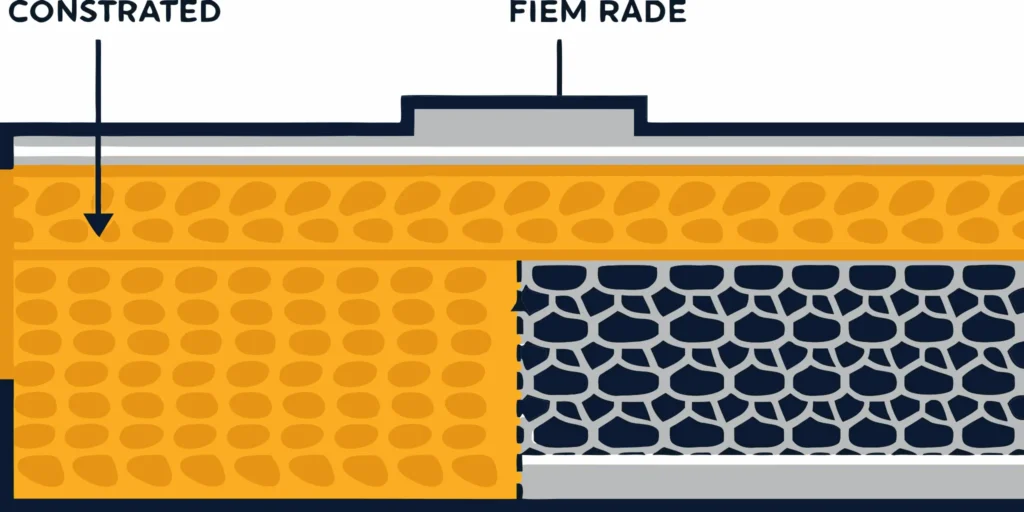
Think of building a driveway like baking a multi-layer cake. You need a dense, solid bottom layer to support everything on top, otherwise, the whole thing will collapse. In this scenario, road base is your sturdy cake layer, and loose gravel is the decorative frosting. They might both come from the same quarry, but they serve completely different functions. The real question of road base vs gravel for driveway is about understanding which layer you’re building. Are you creating the strong foundation that will provide stability for years, or are you adding the final surface? This guide will walk you through the roles of each material, helping you build your driveway with the right ingredients from the ground up for a perfect, long-lasting result.
Key Takeaways
- Road base creates stability; gravel provides drainage: The key difference is composition. Road base contains fine particles that compact into a solid foundation, while clean gravel’s lack of fines allows water to pass through easily but causes the stones to shift.
- Proper installation is non-negotiable: A long-lasting driveway requires more than just good material. You must prepare the site, ensure proper drainage, and compact the base in layers to prevent future ruts, potholes, and water damage.
- Invest upfront to save on future maintenance: Road base may have a higher initial cost, but its durability means fewer repairs and less upkeep. This makes it a more cost-effective solution over the life of your driveway compared to loose gravel.
Road Base vs. Gravel: What’s the Real Difference?
When you’re planning a new driveway, you’ll hear the terms “road base” and “gravel” used a lot, sometimes even interchangeably. But they aren’t the same thing. Understanding the distinction is the first step to building a driveway that looks great and lasts for years. Think of it like baking a cake: you need the right ingredients in the right layers for a solid final product. One material is designed to be a firm, stable foundation, while the other is often used as a decorative or functional top layer. Choosing the right one for each part of your project will save you from future headaches like ruts, potholes, and drainage problems. Let’s break down what each material is and how it performs, so you can make an informed choice for your Minnesota property.
What Is Road Base?
Road base is the unsung hero of any durable driveway or road. It’s the foundational layer that sits between the soil (the subgrade) and the top surface. Its job is to provide strength, distribute the weight of vehicles, and help with drainage. Road base is an engineered material, typically made from a specific mixture of crushed rock and fine particles, often called “fines” or “rock dust.” This combination of different-sized pieces is crucial. When compacted, the smaller fines fill the gaps between the larger stones, locking everything together into a dense, stable surface. A popular option in our area is Class 5 gravel, which is designed specifically for this purpose.
What Is Gravel?
Gravel, in a general sense, refers to a collection of loose rock fragments. It can be naturally formed, with stones rounded by water in riverbeds, or it can be crushed stone, which is made by mechanically breaking down larger rocks into angular pieces. Unlike road base, gravel is typically “clean” or “washed,” meaning it doesn’t contain the fine dust needed for tight compaction. Instead, it’s sorted by size, or grade, for different uses. You might use larger gravel for drainage projects and smaller, more decorative pea gravel for walkways. While certain types of gravel can be used for driveways, they function very differently from a true road base material.
Stability and Performance: The Key Differences
This is where the real distinction comes into play. Road base is all about stability. When properly installed and compacted, it creates a hard, interlocking foundation that resists shifting and sinking. It’s designed to handle heavy loads and prevent the top surface from cracking or developing ruts over time. Another excellent base material is recycled asphalt, which compacts tightly to form a solid, long-lasting surface. Loose gravel, on the other hand, doesn’t lock together. The individual stones will shift under the weight of a car, which can lead to ruts, washouts, and the constant need to rake it back into place. While gravel offers good drainage, it lacks the foundational strength of a well-compacted road base.
Pros and Cons for Your Driveway
Choosing between road base and loose gravel isn’t just about looks; it’s about performance, maintenance, and long-term value. Both materials can create a great driveway, but they behave very differently under the pressures of Minnesota weather and daily traffic. Understanding the specific strengths and weaknesses of each will help you pick the right one for your property and avoid future headaches. Let’s break down what you can expect from each option.
The Case for Road Base
If you’re looking for a driveway that’s solid, durable, and low-maintenance, road base is your best bet. Think of it as a semi-permanent foundation that’s built to last. Materials like Class 5 gravel are a precise mixture of crushed stone and fine particles, or “fines.” These fines are the secret ingredient, helping the larger stones lock together tightly when compacted. The result is a stable, solid surface that resists ruts and sinking, even under heavy vehicles. It performs almost like a flexible pavement, providing a reliable base that holds up year after year with minimal fuss.
The Case for Gravel
Loose gravel, which is crushed stone without the fine particles, has its own advantages. Its number one benefit is drainage. Because there are no fines to pack the spaces between the stones, water flows through it easily. This makes it a great option for areas prone to puddles or mud. A fresh layer of gravel also provides a clean, classic look that many homeowners love. However, the lack of fines means it doesn’t compact. The stones will shift under traffic, leading to ruts and “windrows” (piles of gravel pushed to the sides). This means you’ll need to do more regular maintenance, like raking and regrading, to keep it looking good.
Comparing Costs and Long-Term Value
When you look at the initial price tag, loose gravel is often cheaper. However, it’s important to think about the total cost over the life of your driveway. Road base may cost more upfront, but its durability means you’ll spend far less on maintenance and repairs down the road. Because it creates a stable surface that doesn’t constantly shift, you won’t need to regrade or add new material as frequently. Over time, this makes road base a more cost-effective solution, especially for high-traffic driveways. It’s an investment that pays off in both time and money.
Why Proper Installation Is Everything
Choosing between road base and gravel is a great first step, but the real secret to a long-lasting driveway lies in the installation. You can have the best materials in the world, but if they aren’t installed correctly, you’ll be dealing with ruts, potholes, and drainage nightmares sooner than you think. A properly installed driveway, on the other hand, can handle Minnesota’s tough weather cycles and years of heavy use with minimal fuss.
Think of it like building a house. You wouldn’t put up walls without first pouring a solid foundation, right? The same principle applies here. The work you put in upfront directly impacts the strength and lifespan of your driveway. Taking the time to prepare the site, compact the base, and use the right techniques will pay off for years to come. It’s the difference between a driveway that looks great on day one and a driveway that performs reliably for decades. A solid installation prevents common issues like washouts during heavy rain and shifting from the freeze-thaw cycle. It ensures your investment is protected and your property maintains its curb appeal. Let’s walk through the key steps to get it right.
Prepare Your Site and Plan for Drainage
Before any material gets delivered, you need to prepare your site. This starts with clearing the area of all grass, weeds, and topsoil until you reach the sub-grade, which is the firm soil underneath. A solid sub-grade provides a stable platform for your new driveway.
Next, and this is critical, you need a plan for drainage. Water is the number one enemy of any driveway. If it pools on or around the surface, it can weaken the base and lead to erosion. In Minnesota, this is even more important because trapped water can freeze and expand, causing frost heave that cracks and ruins your driveway. Proper driveway drainage helps your installation last longer and makes it much easier to maintain. A simple way to manage this is by grading the area to create a slight crown or slope that directs water away from the driveway.
Compact for a Lasting Foundation
Once your site is prepped, it’s time to build your foundation. Compaction is the most important part of this step. This process involves pressing the aggregate material down tightly to remove air pockets and lock the particles together. A well-compacted base creates a dense, stable surface that can evenly distribute the weight of vehicles and resist shifting over time.
For the best results, you should compact your material in layers. Instead of dumping all your Class 5 gravel at once, spread it in layers of a few inches and compact each one thoroughly before adding the next. This ensures the entire base is solid from the bottom up, not just firm on the surface. Skipping this step is a recipe for a soft, rut-prone driveway.
Get Your Layers and Thickness Right
The depth of your base material is another key factor in your driveway’s durability. For a standard residential driveway that will see daily use from cars and light trucks, a compacted base of about four to six inches is typically sufficient. This thickness provides the strength needed to support vehicles without flexing or developing weak spots. If you expect heavier traffic, like RVs or delivery trucks, you may want to consider a deeper base.
After your road base is fully compacted, you can add a top layer of clean crushed rock or decorative gravel. This top dressing isn’t just for looks; it can also improve traction and provide a renewable surface that’s easy to refresh every few years. This layered approach gives you the best of both worlds: a strong, stable foundation with an attractive, functional surface.
The Right Tools for the Job
Working with dense materials like road base requires the right equipment. While you might be tempted to tackle the job with a shovel and a wheelbarrow, spreading several tons of aggregate by hand is incredibly labor-intensive and makes it difficult to achieve a consistent, even surface.
Using equipment like a skid steer makes the process faster, easier, and far more effective. A skid steer can spread heavy material evenly and efficiently, ensuring you get the right depth across the entire driveway. When it comes to compaction, a plate compactor or roller is essential for achieving the necessary density. If you don’t own this equipment, our professional skid steer services can handle the heavy lifting for you, ensuring your project gets done right.
How to Choose the Right Material for Your Project
Choosing between road base and gravel isn’t just about how you want your driveway to look. It’s about creating a surface that lasts. The right choice depends on your specific situation. Think about your local weather, how you’ll use the driveway, your property’s unique quirks, and what you’re prepared to spend upfront and on future upkeep. By considering these four key areas, you can make a confident decision that you’ll be happy with for years to come.
Your Local Climate
Here in Minnesota, our driveways go through a lot. From heavy snow and ice to spring thaws and summer downpours, the weather plays a huge role in a driveway’s performance. Materials need to withstand intense freeze-thaw cycles without turning into a mess. A compacted road base, like Class 5 gravel, is designed for this. Its mix of stone and fines locks together tightly, resisting the shifting and heaving that can happen when water freezes and expands. Loose gravel can be more vulnerable to washing out during heavy rain or snowmelt, requiring more frequent touch-ups to keep it in place.
Expected Traffic and Vehicle Weight
Think about what you’ll be driving and parking on your driveway. Is it just for a couple of family cars, or will you have heavy-duty visitors like delivery trucks, an RV, or construction equipment? The amount and weight of traffic are critical. For a standard residential driveway, a depth of four to six inches of compacted road base is usually enough. But for higher-traffic areas or heavier loads, you’ll want to increase that to eight inches or more to prevent ruts and ensure stability. Materials like asphalt milling are great for this, as they compact over time to form a strong, durable surface that can handle the pressure.
Your Property’s Soil and Drainage
Water is the number one enemy of a lasting driveway. If your property doesn’t drain well, water can pool, soften the subgrade, and lead to serious issues like erosion and potholes. Before you lay any material, take a look at your soil and the slope of the land. Clay-heavy soils hold water, while sandy soils drain more quickly. A properly installed road base helps by creating a stable, slightly permeable layer that encourages water to run off instead of soaking in. Proper site preparation, including grading for drainage, is a step you can’t skip. Using professional skid steer services can ensure your foundation is perfectly prepped for success.
Your Budget and Maintenance Plan
Let’s talk about cost. While loose gravel might seem cheaper at first, it’s important to think about the long-term value. Road base typically has a higher upfront material cost, but its durability means you’ll spend less time and money on maintenance down the road. You won’t have to rake it back into place after every storm or refill low spots as often. If you prefer a lower initial investment and don’t mind some seasonal upkeep, gravel can be a great fit. To get a clear picture of material costs, you can use a cubic yardage calculator to figure out exactly how much you’ll need for your project’s dimensions.
Common Driveway Installation Mistakes to Avoid
Building a new driveway is a big investment, so you want to get it right the first time. Unfortunately, a few common missteps can turn a promising project into a long-term headache. From a weak foundation to the wrong materials, these mistakes can lead to cracks, potholes, and drainage issues down the road. By understanding these potential pitfalls ahead of time, you can ensure your driveway is built to last, saving you time and money on future repairs. Let’s walk through the most frequent errors and how you can avoid them.
Forgetting Foundation Prep
Your driveway’s foundation, or road base, is the most critical part of the project. This is the layer between the soil and the top surface that distributes weight and provides stability. Skipping this step or failing to prepare the subgrade properly is a recipe for disaster. A weak base will cause the surface to sink, crack, and shift over time, no matter what you put on top. Proper foundation preparation is the key to a driveway that will stand the test of time and Minnesota’s tough seasons.
Ignoring Compaction and Drainage
Compaction and drainage are non-negotiable. Compaction involves pressing the road base material down tightly to create a dense, solid surface that won’t settle later. Without it, you’ll get ruts and low spots. At the same time, you need a plan for drainage. Water trapped underneath your driveway will weaken the entire structure, leading to frost heave and potholes. Using a quality material like Class 5 gravel and grading the area correctly ensures water flows away from the structure, keeping your driveway stable and dry for years to come.
Using the Wrong Depth and Layers
Even with the right material, you need the right amount. For a typical residential driveway, aim for a depth of four to six inches of compacted road base. Skimping on the depth compromises the driveway’s strength and its ability to handle vehicle weight. After compacting the base, you can add a top layer of crushed rock for better traction and a finished look. If you’re unsure how much material to order, a cubic yardage calculator is a great tool to help you plan your project accurately and avoid waste.
Choosing Low-Quality Materials
While it might be tempting to save money on materials, this is one corner you don’t want to cut. Low-quality aggregates can be sandy or contain debris, which prevents proper compaction and leads to sagging and drainage problems. The material you choose directly impacts how long your driveway will last. High-quality options like recycled asphalt milling provide excellent compaction and durability, giving you a stable surface that can withstand Minnesota’s challenging weather conditions and heavy use.
Maintaining Your Road Base or Gravel Driveway
Once your driveway is installed, a little regular care goes a long way in protecting your investment. Whether you chose a solid road base or classic gravel, staying on top of maintenance keeps it looking great and functioning properly for years. It doesn’t take much effort, but it makes a huge difference. Here’s how to care for your driveway and spot trouble before it starts.
Caring for a Road Base Driveway
A road base driveway is built for durability, and its maintenance is all about preserving that strong foundation. The biggest threat is water. Your base is designed to let water drain through and away, but if it pools underneath, it can soften the structure and lead to failure. Make sure any surrounding ditches or swales are clear of debris so water has a clear path to run off. While proper compaction is done during installation, keep an eye out for any soft or spongy spots, as they can indicate an issue with the underlying layers that needs attention.
Keeping Your Gravel Driveway in Shape
A gravel driveway requires a bit more hands-on attention, but the tasks are simple. A few times a year, rake the gravel to smooth out ruts and keep the material evenly distributed. This also helps you clear away leaves and other debris. Pull any weeds that pop through before their roots take hold. If you spot a pothole forming, fill it in right away with fresh Class 5 gravel to prevent it from getting larger and causing more problems. Every few years, you’ll likely need to add a fresh layer of gravel to maintain proper depth and keep it looking its best.
Your Seasonal Maintenance Checklist
A quick seasonal check-in can save you from bigger headaches down the road. In the spring, after the snow melts, walk your driveway and inspect for any new potholes or low spots caused by the freeze-thaw cycle. Check that your drainage paths are clear. In the summer, focus on weed control. Before winter arrives, do one last check to fill any ruts or holes. If you plan on adding a new layer of material, our cubic yardage calculator can help you figure out exactly how much you need for the job.
Signs Your Driveway Needs Help
Your driveway will tell you when it needs more than just a quick fix. Persistent potholes that keep coming back are a major red flag, often signaling that water has penetrated and weakened the base. Deep ruts or an uneven, wavy surface can mean the initial compaction wasn’t sufficient or the base has shifted. If the driveway feels soft or spongy when you drive or walk on it, the foundation is likely compromised. For major repairs like regrading, our skid steer services can help you rebuild a solid foundation from the ground up.
Choose the Best Material for Your Minnesota Driveway
When you’re deciding on the best material for your driveway, Minnesota’s weather throws a few extra challenges into the mix. From heavy snowmelt in the spring to summer downpours, you need a surface that can stand up to the elements. So, when it comes to road base versus gravel, which one is the right fit for our state?
For a driveway that lasts, durability and stability are everything. Road base, often a Class 5 gravel, is typically the winner here. It’s a mix of crushed stone, sand, and smaller particles that compact tightly together, forming a solid, almost pavement-like surface. This makes it an excellent choice for driveways that see a lot of traffic or have to support heavy vehicles. Unlike loose gravel that can shift and scatter, a compacted road base provides a reliable foundation that holds up year after year.
Water is a driveway’s biggest enemy, especially with our freeze-thaw cycles. Proper drainage is non-negotiable. Road base is specifically designed to allow water to drain through and away from the surface. This prevents water from pooling underneath, which can weaken the entire structure and lead to heaving or cracking when the ground freezes and thaws. A well-draining base is key to avoiding costly repairs down the line.
To get these benefits, proper installation is crucial. A depth of about four to six inches of compacted road base is usually recommended for a standard home driveway. This creates a solid foundation that’s ready for anything. While loose gravel has its place, for a versatile and long-lasting solution for driveways, walkways, or parking areas in Minnesota, a quality road base is hard to beat. If you’re ready to get started, you can figure out exactly how much material you’ll need with a Cubic Yardage Calculator.
Related Articles
- 6 Best Types of Gravel for Driveways Compared
- What is the Best Gravel for a Driveway? 5 Types Compared
Frequently Asked Questions
Can I just use loose gravel for my entire driveway? You can, but it’s not the best choice for long-term stability. A driveway made only of loose gravel will constantly shift under the weight of cars, which leads to ruts and the need for frequent raking. For a strong, low-maintenance driveway, it’s better to use a compacted road base as the foundation. If you like the look of gravel, you can always add a thinner, decorative layer on top of the solid base.
What exactly is Class 5 gravel? Class 5 is a specific type of road base material that is very common in Minnesota. It’s an engineered mixture of crushed rock and fine particles, like sand or rock dust. This combination is what makes it so effective. When it’s compacted, the fine particles fill the gaps between the larger stones, locking everything together into a dense and incredibly stable surface.
Do I really need to compact the road base? Yes, absolutely. Compaction is arguably the most important step in building a durable driveway foundation. When you compact the road base, you press out air pockets and force the stones and fine particles to interlock tightly. This process creates a solid, stable layer that distributes weight evenly. If you skip this step, your base will remain soft and will settle over time, causing ruts, potholes, and an uneven surface.
How deep should my driveway base be? For a standard residential driveway that will handle daily use from cars and light trucks, a compacted base of four to six inches is a good rule of thumb. This depth provides enough strength to support regular traffic without problems. If you expect to have heavier vehicles like RVs or frequent delivery trucks on the driveway, you should consider increasing the depth to eight inches or more for extra support.
Can I put a decorative gravel layer on top of a road base? Yes, and that’s a great way to get the best of both worlds. By installing and thoroughly compacting a proper road base first, you create the strong, stable foundation your driveway needs to last for years. After that, you can add a one to two-inch layer of decorative crushed rock on top for that classic gravel look. This approach gives you the durability of a road base with the aesthetic and traction of a gravel surface.