
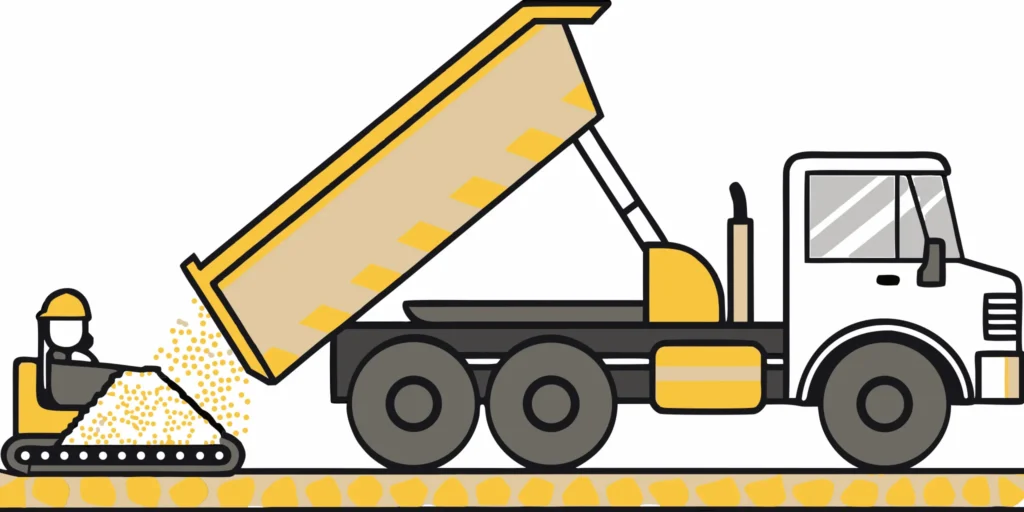
Let’s be honest, the word “recycled” can sometimes make people pause, especially when it comes to construction materials. You might wonder if it’s as strong, as clean, or as reliable as its brand-new counterpart. When it comes to recycled Class 5 gravel, we can put those concerns to rest. This material is a powerhouse, engineered from crushed concrete and asphalt to meet rigorous MnDOT specifications for strength and compaction. It’s a testament to smart resource management, turning old infrastructure into a durable, cost-effective foundation for new projects. We’ll break down the facts, bust the common myths, and show you why scheduling a recycled class 5 gravel delivery MN is a decision you can feel confident about.
Key Takeaways
- Choose a smarter material: Recycled Class 5 is a high-quality, budget-friendly option that meets the same strict MnDOT standards as new gravel, so you get a durable base while also reducing landfill waste.
- Understand your total cost: Your final price includes both the material and delivery fees, so use a calculator to determine the exact amount you need and ask your supplier about minimums to create an accurate budget.
- Install it correctly for best results: To build a solid foundation for your driveway or patio, install recycled Class 5 in thin layers, lightly water each one, and compact it thoroughly to ensure long-lasting stability.
What is Recycled Class 5 Gravel?
If you’re planning a project that needs a solid foundation, like a new driveway or a patio base, you’ve likely come across Class 5 gravel. It’s the go-to material for creating a stable, compactable surface. But you might have also seen an option called recycled Class 5. So, what exactly is it? Simply put, recycled Class 5 is an eco-friendly alternative to traditional gravel, made from reclaimed materials instead of being newly quarried.
This isn’t a lesser-quality product. It’s a smart, sustainable choice that performs just as well as its virgin counterpart, often at a more budget-friendly price point. By choosing recycled materials, you’re not only saving money but also reducing landfill waste and conserving natural resources. For many contractors and homeowners in Minnesota, it has become the preferred material for a wide range of applications. Our Class 5 delivery service ensures you get this high-quality, recycled material quickly and efficiently, right where you need it for your next project.
How It’s Made
The creation of recycled Class 5 gravel is a straightforward and resourceful process. It starts with collecting used concrete and asphalt from demolition sites, road repairs, and other construction projects. Instead of heading to a landfill, these materials are transported to a processing facility. There, they are crushed into smaller, more uniform pieces. Any metal, like rebar, is removed with powerful magnets. The crushed material is then screened to sort the particles by size, ensuring it meets the specific mixture of stone and fines required for Class 5 designation. The final product is a durable, reliable aggregate ready for a new life as your driveway base, paver foundation, or backfill material.
Meeting MnDOT Quality Standards
A common question we get is whether recycled Class 5 is as strong and reliable as new gravel. The answer is a resounding yes. In Minnesota, all Class 5 gravel, whether virgin or recycled, must meet strict specifications set by the Minnesota Department of Transportation (MnDOT). These standards dictate the size, gradation, and composition of the material to ensure it provides proper compaction and stability. This means you can be confident that the recycled Class 5 gravel you order will perform predictably for your project. The MnDOT grading system is your assurance that you’re getting a consistent, high-quality product that’s engineered to last, no matter its origin.
Common Myths About Recycled Gravel, Busted
There’s a lot of misinformation out there about recycled materials, so let’s clear the air. One of the most common myths about recycled concrete is that it’s weaker than new aggregate. In reality, recycled concrete can be just as strong, if not stronger, because it has already cured and hardened over time. Another concern is that it contains contaminants. However, the recycling process includes rigorous screening and removal of foreign materials like steel and wood. Finally, some people question if it’s truly eco-friendly. By diverting tons of material from landfills and reducing the need for new quarrying, recycled Class 5 is a clear win for the environment.
Why Choose Recycled Class 5?
When you’re planning a project, every choice matters, from the big picture down to the base material you lay down first. Recycled Class 5 gravel is often overlooked, but it’s a fantastic option that delivers on multiple fronts. It’s not just about being eco-friendly; it’s about making a smart, practical decision for your budget and your project’s long-term success. Many people are simply unaware of its benefits. As some in the industry have noted, the main issue with recycled aggregates is often a simple “lack of understanding of their true value.” Let’s clear that up and look at why this material deserves your attention.
Choosing recycled Class 5 means you’re getting a high-quality, durable material that saves you money and helps reduce waste. It’s a win-win for your wallet, your project, and the environment. Whether you’re a contractor looking to manage costs or a homeowner starting a DIY landscaping project, understanding the advantages of recycled gravel can make a real difference. From building a solid base for a new driveway to creating stable pathways, recycled Class 5 offers the performance you need without the high price tag or environmental footprint of newly quarried stone. It’s a responsible choice that doesn’t require you to compromise on quality.
The Environmental Benefits
Opting for recycled Class 5 is a simple way to make your project more sustainable. Instead of quarrying new rock, this material is made from reclaimed concrete and asphalt that would otherwise end up in a landfill. By giving these materials a second life, you’re directly contributing to waste reduction and the conservation of our natural resources. It’s a practical step toward more responsible construction and landscaping practices. Choosing recycled products helps close the loop in the material lifecycle, turning old infrastructure into the foundation for something new. It’s a choice you can feel good about, knowing your project is a little bit greener.
How It Saves You Money
One of the most immediate benefits of using recycled Class 5 is the impact on your budget. Because it’s produced from reclaimed materials, it’s significantly more affordable than its virgin aggregate counterpart. According to industry resource Hello Gravel, crushed concrete, a key component of recycled Class 5, is “typically 15-30% less expensive than Class 5 gravel.” For any project, whether it’s a long driveway or a small patio base, those savings add up quickly. This cost difference allows you to either reduce your total project expenses or reallocate those funds to other areas, like higher-quality finishing materials or professional installation.
Performance and Durability
Don’t let the “recycled” label fool you; this material is tough, reliable, and built to last. Recycled Class 5 undergoes rigorous processing and testing to ensure it meets the same high standards for strength and compaction as newly quarried gravel. In fact, it often contains a mix of crushed concrete, asphalt, and other aggregates that compact tightly to form an incredibly stable and durable base. This makes it an excellent choice for high-traffic areas like driveways, parking lots, and road bases. When you order our Class 5 delivery, you can be confident you’re getting a product that provides the solid foundation your project needs to stand the test of time.
How Much Does Recycled Class 5 Delivery Cost in Minnesota?
One of the biggest draws of recycled Class 5 is its affordability. It’s a smart, budget-friendly choice for many projects, from driveways to building pads. While prices can vary, you can often find recycled materials for a lower cost than newly quarried stone. For example, some local suppliers list pickup prices for recycled concrete at around $13.50 per ton.
Of course, that price is just for the material itself. The final cost delivered to your Minnesota job site will depend on a few key variables. When you’re budgeting for your project, it’s important to think beyond the per-ton price and consider the total expense, including delivery. Understanding what goes into the final quote will help you plan effectively and avoid any surprises. Let’s break down the factors that will shape your total investment.
What Affects Your Final Price?
The final price on your invoice is influenced by more than just the base cost of the gravel. The specific type of material plays a role, as some suppliers produce their own gravel and recycled concrete, which can affect pricing. Market demand for recycled materials can also cause prices to shift.
The two biggest factors for your project, however, are quantity and distance. The amount of Class 5 gravel you need will directly impact your cost; larger orders may have a lower per-ton price. It’s crucial to order the right amount, so be sure to use a cubic yardage calculator to get an accurate estimate. Finally, the distance from our supply yard to your project site is a major component of the delivery fee and the final price.
Understanding Delivery Fees and Minimums
When you arrange for delivery, the fee isn’t just a random number. It’s calculated based on the distance, time, and equipment required to get the material to your property safely and on time. Most aggregate suppliers also have a minimum order quantity or a minimum charge for delivery to make the trip cost-effective. For instance, some companies may have a minimum daily charge for products, which is something to factor into your budget, especially for smaller projects.
Before placing an order, always ask about the delivery fee structure and any minimums. A transparent supplier will be happy to explain how they calculate their fees. This ensures you have a clear picture of the total cost upfront, allowing you to compare quotes accurately and keep your project on budget.
Tips for Reducing Your Project Costs
Saving money on your project starts with making informed choices. One of the best ways to cut costs without cutting corners is to fully appreciate the true value of recycled aggregates. These materials undergo the same quality and strength testing as virgin aggregates, so you get a durable, high-performance product for less.
To further reduce costs, calculate your needs precisely to avoid paying for material you don’t use. Choosing a local supplier also helps keep delivery fees down by reducing travel time and fuel costs. Finally, plan your project timeline to see if you can schedule multiple material deliveries for the same day, which can sometimes be more efficient and cost-effective than several separate trips.
What Are the Best Uses for Recycled Class 5?
Recycled Class 5 is one of the most versatile materials you can have delivered for a project. Because it compacts so well, it creates a solid and stable foundation for almost anything you want to build. Whether you’re a homeowner finally tackling that backyard patio or a contractor laying the groundwork for a new commercial lot, this material is a reliable and budget-friendly choice. Let’s walk through some of its most common and effective applications.
Driveways and Road Bases
If you need a surface that can stand up to daily traffic, recycled Class 5 is your answer. It’s the go-to material for creating a solid base for new driveways, parking pads, and private roads. The magic is in its composition: a carefully graded mix of crushed rock and finer particles. When compacted, these materials lock together to form a dense, stable surface that resists rutting and shifting. This makes it an ideal sub-base before pouring concrete or laying asphalt, but it also works perfectly as a standalone gravel driveway surface that holds up well through Minnesota’s tough seasons.
Landscaping and Drainage Projects
In landscaping, a solid base is everything. Recycled Class 5 provides the firm, level foundation you need for projects like paver patios, walkways, and retaining walls. Spreading and compacting a layer of Class 5 before you start laying pavers prevents them from sinking or becoming uneven over time. It’s also great for creating sturdy pads for sheds, hot tubs, or outdoor air conditioning units. While it’s not a primary drainage rock, its compacted structure provides excellent stability for projects that need to stay put, ensuring your hard work looks great for years to come.
Construction and High-Traffic Areas
For larger construction jobs and areas that see a lot of vehicle traffic, recycled Class 5 is a workhorse. Contractors rely on it as a foundational layer for commercial parking lots, building pads, and access roads. Its ability to be compacted into a dense, load-bearing surface is critical for supporting the weight of heavy vehicles and structures. Using recycled Class 5 as a sub-base helps distribute the load evenly, which prevents the top layers of asphalt or concrete from cracking and failing prematurely. It’s a cost-effective way to build a durable base for any high-traffic project.
How to Install and Compact It Correctly
Getting the best performance from your recycled Class 5 comes down to proper installation. The key is to compact it in layers, or “lifts,” usually about two to four inches thick. After spreading a layer, lightly spray it with water. This moisture is crucial because it helps the fine particles wash down into the spaces between the larger rocks, creating a tighter lock. Once dampened, use a plate compactor or roller to pack it down until it’s firm. Repeat this process for each layer until you reach your desired height. For bigger jobs, our skid steer services can help spread the material quickly and evenly.
How to Choose the Right Minnesota Delivery Service
Finding the right material for your project is only half the battle. The other half is choosing a delivery service that gets you what you need, when you need it, without any hassle. A great supplier is a partner in your project’s success, ensuring everything from product quality to delivery logistics goes smoothly. When you’re vetting companies, it’s helpful to look beyond the price per yard and consider the complete service they offer. Think about their reputation, their process, and how they communicate with customers. A reliable partner will make your entire project easier from start to finish.
What to Look For in a Supplier
When you’re searching for a supplier, look for a company that has direct control over its product quality. It’s a good sign when a company produces its own recycled Class 5 gravel at a local facility. This shows they are invested in the quality of their materials from the ground up. A dependable supplier will be transparent about where their aggregates come from and how they are processed. You want a partner who can confidently stand behind their product because they oversee the entire production cycle. This local oversight often translates to a more consistent and higher-quality base for your driveway or construction project.
Our Commitment to Quality and Service
A reputable supplier doesn’t just sell gravel; they provide a product that meets established industry standards. High-quality recycled aggregates undergo the same rigorous strength and compaction testing as virgin materials. This ensures the product you receive is durable, reliable, and fit for your project’s specific needs. A company’s commitment to quality is also reflected in its service. They should be able to answer your questions, provide clear information, and ensure the material you order is exactly what arrives at your site. This dedication to both product and service is what separates a great aggregate supplier from the rest.
Key Questions to Ask Before You Order
Before you commit, take a few minutes to call and ask some direct questions. This simple step can save you from unexpected costs and delays down the road. Start with the basics: What is the price per yard, and are there any delivery fees? Do you have a minimum order requirement? It’s also smart to ask about their delivery schedule and how much lead time they need. A great question to ask is if they can help you confirm the amount of material you need. Many suppliers offer tools like a cubic yardage calculator to make this step simple and accurate.
Planning Your Delivery and Project Timeline
A smooth delivery is crucial for keeping your project on schedule. A top-tier supplier will work with you to plan the delivery logistics. When you place your order, you should be able to tell them your location and timeline to schedule a fast, convenient drop-off. Be sure to discuss where you want the material placed on your property. Clear communication ensures the driver can place the load exactly where you need it, saving you time and effort. Some companies even offer skid steer services to help spread the material, which can significantly streamline your workflow and get your project done faster.
Related Articles
- Minnesota Class 5 Delivery | Gravel for Driveways & Projects
- Class 1 vs Class 5 Gravel: Which Should You Use? – Minnesota Aggregates
- What is the Best Gravel for a Driveway? 5 Types Compared – Minnesota Aggregates
Frequently Asked Questions
Is recycled Class 5 gravel really as strong as new gravel? Yes, absolutely. Recycled Class 5 is required to meet the same strict quality and composition standards set by the Minnesota Department of Transportation (MnDOT) as newly quarried gravel. It is processed and tested to ensure it compacts properly and provides a durable, stable base for any project, from driveways to building pads.
How do I figure out the right amount of gravel for my project? Getting the quantity right is key to staying on budget. The most accurate way to determine how much you need is to use a cubic yardage calculator, which you can often find on a supplier’s website. You will need to measure the length, width, and desired depth of your project area to get a precise calculation and avoid ordering too much or too little.
What’s the main difference between recycled and virgin Class 5? The primary difference is where the material comes from. Virgin Class 5 is made from newly quarried rock, while recycled Class 5 is produced from reclaimed materials like old concrete and asphalt. In terms of performance and stability, they are engineered to be the same. The biggest advantages of choosing recycled are that it’s often more affordable and it’s a more environmentally responsible choice.
Can I use recycled Class 5 for projects that need good drainage? Recycled Class 5 is designed for compaction and stability, not for drainage. Its mixture of stone and fine particles creates a dense base that doesn’t allow water to pass through easily. For projects where drainage is the main goal, such as for a French drain or backfill for a retaining wall, you would want to use a clean, washed rock that doesn’t contain fine particles.
What information should I have ready when I call to schedule a delivery? To make the ordering process quick and easy, it helps to have a few details handy. Know the dimensions of your project area so you can confirm the amount of material you need. You should also have your delivery address and an idea of your project timeline. Thinking ahead about where on your property you want the material dropped off will also help ensure a smooth delivery.