
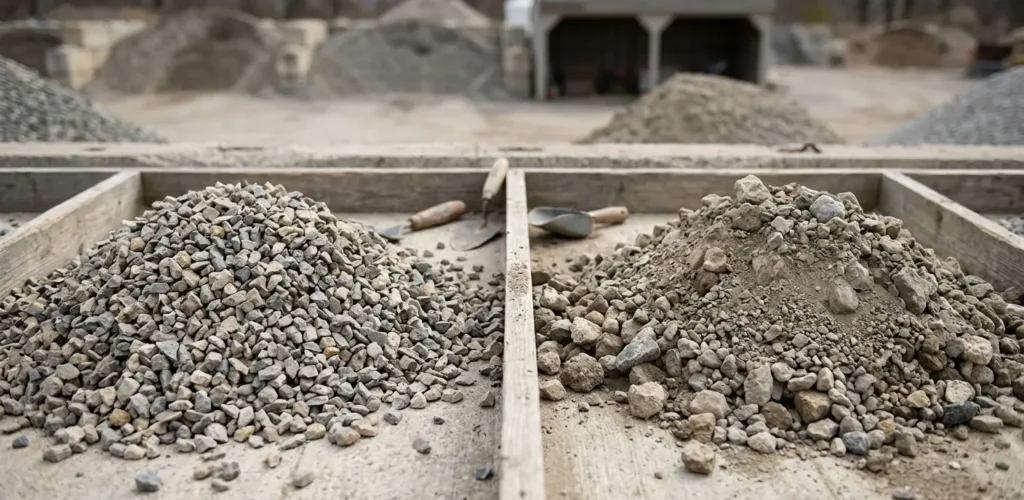
Think of gravel as a specialized tool. You wouldn’t use a delicate paintbrush to prime a whole house, and you wouldn’t use a paint roller for fine details. In the same way, Class 1 and Class 5 gravel are two distinct tools designed for different jobs. Class 1 is the heavy-duty sledgehammer, built for maximum compaction and load-bearing strength under roads and buildings. Class 5 is the versatile, all-purpose hammer, perfect for a wide range of projects that need both stability and good drainage, like driveways and pathways. Making the right choice in the class 1 vs class 5 gravel matchup ensures you have the right tool for the job, guaranteeing a professional, long-lasting result.
Key Takeaways
- Choose the right tool for the job: Use Class 1 gravel for heavy-duty projects like building foundations or road bases where maximum strength is the top priority. For driveways, paths, and patios, versatile Class 5 gravel provides the perfect balance of stability and drainage.
- Drainage is critical for surface projects: Class 5 gravel is the superior choice for any surface that will be exposed to rain and snow. Its balanced mixture of rock and sand allows water to drain through, preventing puddles, erosion, and damage from frost heave.
- Proper installation ensures lasting results: The success of your project depends on correct preparation. Always clear and grade the site first, then install your gravel in thin, compacted layers to create a solid and durable base that will stand the test of time.
What is Class 1 Gravel?
When you’re planning a project that requires serious strength and stability, Class 1 gravel is a material you need to know. It’s a heavy-duty aggregate engineered for performance under pressure, making it a top choice for contractors and ambitious DIYers alike. Think of it as the foundation of your foundation, a material specifically designed to create an unshakeable base for roads, buildings, and other large-scale structures. Unlike some gravels that are chosen for their looks or drainage capabilities, Class 1 is all about structural integrity and load-bearing capacity.
Its unique composition allows the individual stones to lock together tightly when compacted, forming a rigid, stable surface that can handle immense weight without shifting or settling over time. This makes it a go-to choice for professional contractors and engineers who can’t afford to compromise on support. While it might not be the right fit for a decorative garden path, it’s the perfect choice when you need a reliable base that will stand the test of time and traffic. Understanding its specific properties will help you see why it’s a critical component in so many construction projects across Minnesota.
What’s it made of?
Class 1 gravel is primarily composed of crushed limestone. Instead of being naturally rounded by water and erosion like river rock, this material is mechanically crushed into angular, fractured pieces. This angular shape is its secret weapon. The sharp edges and flat surfaces allow the individual stones to interlock, creating a strong, stable matrix when compacted. This process minimizes voids and movement within the material, resulting in a firm base that distributes weight evenly. The limestone itself is a durable rock, ensuring the gravel won’t easily break down under heavy loads or harsh weather conditions, providing long-lasting structural support for your project.
How much weight can it support?
Thanks to its interlocking nature and the inherent strength of crushed limestone, Class 1 gravel has an impressive load-bearing capacity. It is specifically designed for applications involving heavy traffic and substantial weight. This makes it an excellent choice for the sub-base of highways, commercial parking lots, and building foundations where it needs to support the weight of structures, vehicles, and equipment. When properly installed and compacted, it creates a surface that resists rutting and shifting. This durability ensures that whatever you build on top of it, from a roadway to a new home, has a solid and dependable footing for years to come.
Best uses for Class 1 gravel
Class 1 gravel is the material of choice for projects where structural support is the top priority. Its strength makes it ideal for creating stable foundations for buildings, retaining walls, and other large structures. It’s also frequently used as a base layer for asphalt roads, highways, and driveways that will see heavy vehicle traffic. Because it provides such a firm, unyielding surface, it ensures the layers above it won’t sink or crack. While it excels in these heavy-duty roles, for projects like a residential driveway or a garden path, a material like Class 5 gravel might be a more suitable and cost-effective option.
What is Class 5 Gravel?
If you’ve ever looked into materials for a driveway, path, or base layer, you’ve almost certainly come across Class 5 gravel. It’s one of the most common and versatile aggregate materials used in Minnesota for both residential and commercial projects. Think of it as the reliable workhorse of the gravel world. Its popularity comes from its unique ability to create a solid, stable surface that also allows for decent water drainage, striking a perfect balance for many applications. When you need a material that packs down firmly but won’t turn into a puddle after a rainstorm, Class 5 is often the right answer.
The makeup of Class 5 gravel
So, what exactly is in Class 5 gravel? It’s a specific blend of crushed rock, sand, and a small amount of clay or binder fines. This mixture of different particle sizes is what gives it its signature properties. The larger pieces of rock provide strength and structure, while the smaller sand and clay particles fill in the gaps. This composition allows the material to lock together tightly when compacted. Compared to other classes of gravel, Class 5 has less clay, which is a key factor in how it handles water and compaction.
How well does it compact?
Class 5 gravel is engineered to pack down incredibly well, creating a firm and durable surface. When you spread and compact it, the varied particle sizes interlock, minimizing empty space and forming a stable foundation that can support significant weight. At the same time, it isn’t completely impermeable. The design allows it to pack down tightly but still let some water drain through. This prevents water from pooling on the surface, which is crucial for preventing erosion, frost heaves in the winter, and soft spots in your driveway or patio base.
Common projects for Class 5 gravel
Thanks to its stability and drainage, Class 5 is a go-to for a wide range of projects. It’s an excellent choice for building a solid foundation for driveways, parking lots, and as a base layer under asphalt or pavers. Many people also use it for creating sturdy walking paths, garden trails, and shed foundations. Whether you’re laying down a temporary access road on a construction site or need a reliable base for a new gravel driveway, Class 5 provides the performance you need to get the job done right.
Class 1 vs. Class 5 Gravel: The Main Differences
When you’re planning a project, choosing the right base material is one of the most important first steps. While both Class 1 and Class 5 gravel are used for creating stable foundations, they have key differences in their makeup, how they handle water, and their final appearance. Understanding these distinctions will help you pick the perfect material to ensure your project is a success from the ground up. Let’s break down what sets these two types of gravel apart.
Comparing the materials
The main difference between Class 1 and Class 5 gravel comes down to their recipe. Think of it like baking: a small change in ingredients can make a big difference in the final product. Both are a mixture of crushed rock, sand, and clay, but Class 1 contains a higher percentage of clay and fine particles. In contrast, Class 5 gravel is an engineered material with a more balanced mix, designed to meet specific standards for compaction and stability. This precise composition makes it a consistent and reliable choice for everything from road bases to driveways, as it packs down tightly without turning into mud.
Drainage and water flow
How your base material handles water is a huge deal, especially here in Minnesota where we see plenty of rain and snow. Because Class 1 has more clay, it tends to hold onto water, which can lead to drainage issues. Class 5, with its more balanced mixture of stone and fine particles, allows water to drain through more effectively. This is a critical feature for projects like driveways, patios, and walkways. Good drainage prevents water from pooling on the surface and helps protect against damage from the freeze-thaw cycle, which can cause surfaces to heave and crack over time.
Look and feel
Beyond performance, you also want your project to look great. Class 5 gravel provides that classic, clean gravel appearance that many homeowners and contractors are looking for. Its blend of crushed stone and sand creates a more natural, textured finish that looks professional and tidy. Class 1, with its higher clay content, can sometimes look more like packed dirt once it settles and compacts. If the final aesthetic is important for your project, such as a visible driveway or a garden path, Class 5 is often the preferred option for its polished and consistent look.
Which Gravel Drains Better?
When you’re laying a foundation for a driveway, path, or patio, how the material handles water is a huge deal. Poor drainage can lead to pooling water, erosion, and in Minnesota’s colder months, dangerous ice patches. Both Class 1 and Class 5 gravel are designed for compaction and stability, but their composition gives them different drainage capabilities. Class 1, with its high percentage of fine particles, compacts into a very dense, almost impermeable layer. This is great for road bases but not so great for letting rainwater seep through. Class 5, on the other hand, offers a better balance.
Why Class 5 has an edge
For most residential and light commercial projects, Class 5 gravel is the clear winner for drainage. Its mixture of crushed rock and sand allows water to filter through more easily than the densely packed fines in Class 1. This quality makes it an ideal choice for surfaces like driveways, walkways, and parking areas where you want to avoid puddles after a storm. As one source notes, “Class 5 gravel drains better and has a more natural look, making it good for homes.” This combination of practical drainage and visual appeal is why so many homeowners and contractors prefer it for projects that need to be both functional and attractive.
When good drainage is a must
If your project area is prone to collecting water or has poor natural drainage, choosing the right gravel is critical. Think about low spots in a yard, the base for a permeable patio, or a long driveway that needs to manage snowmelt effectively. In these situations, you need a material that actively helps water move away from the surface. While highly specialized open-grade gravels exist for maximum flow, Class 5 provides excellent and reliable drainage for the vast majority of projects. Prioritizing effective drainage from the start prevents bigger headaches like foundation issues or landscape erosion down the road.
When to Choose Class 1 Gravel
When your project demands serious strength and unwavering stability, Class 1 gravel is the material for the job. Think of it as the heavy-lifter of the gravel world. While its cousin, Class 5 gravel, is a fantastic all-rounder for many projects, Class 1 is specifically engineered for situations where the ground beneath needs to be exceptionally solid and reliable. It’s the go-to choice for foundational work that has to support immense weight without shifting or settling over time. If you’re building something that needs to last and withstand significant pressure, choosing Class 1 provides the peace of mind that you’re starting with the strongest possible base. This isn’t the gravel for a simple garden path; it’s for projects where structural integrity is the top priority.
For heavy-duty construction
If you’re laying the groundwork for a building, a large structure, or anything that carries a heavy load, Class 1 gravel is your best bet. Its composition gives it incredible durability, allowing it to handle significant weight and pressure without compromising its structure. This makes it the ideal material for creating a strong, stable base for foundations. When you need a material that won’t shift or compress under the stress of a heavy construction project, Class 1 provides that essential stability. It ensures that whatever you build on top has a solid footing for years to come, preventing issues with settling or structural weakness down the road.
As a base for roads and structures
Class 1 gravel is specifically designed to serve as a base material for road construction and other large-scale applications. Its ability to compact tightly creates a firm, unyielding foundation that is essential for infrastructure projects like roads, driveways, and parking lots. A solid base prevents pavement from cracking and developing potholes over time, ensuring a longer lifespan for the surface. For any project where you need a perfectly compacted and stable layer to build upon, Class 1 is the professional standard. Its reliable performance makes it a cornerstone of infrastructure work where you simply can’t afford to have the foundation fail.
When to Choose Class 5 Gravel
Class 5 gravel is one of the most versatile materials you can use for your property. Think of it as the perfect middle-ground option for projects that need a solid foundation but also require excellent water drainage. Its composition is a carefully balanced mix of crushed rock, sand, and a small amount of clay. This blend allows it to compact tightly, creating a stable surface that holds up well over time. This unique quality is why it’s a go-to choice for a wide range of residential and commercial applications across Minnesota, from simple garden paths to extensive parking areas.
If your project involves a surface that will see regular foot or vehicle traffic, Class 5 is often the right call. It’s strong enough to handle the weight but porous enough to prevent water from pooling on the surface. This dual-purpose quality is why so many contractors and homeowners rely on it. It provides the structural integrity you need without sacrificing the drainage that is so critical for our climate, which sees plenty of rain and snowmelt. When you need a dependable material that looks great and performs even better, arranging a Class 5 delivery is a smart first step. It’s the kind of reliable, all-purpose material that sets your project up for long-term success.
For driveways and parking areas
Class 5 gravel is an excellent choice for building new driveways and parking areas. Its blend of rock and fine particles allows it to be compacted into a dense, sturdy base that can easily support the weight of vehicles without shifting. At the same time, it allows water to drain through effectively. This is a huge advantage in Minnesota, where rain and snowmelt can quickly turn a poorly draining surface into a muddy mess. A Class 5 gravel driveway provides a stable, reliable surface that helps prevent puddles and keeps your property looking clean and well-maintained through every season.
For landscaping and pathways
In landscaping projects, Class 5 gravel is perfect for creating beautiful and functional pathways, walkways, or a base for a patio. Its ability to drain water is essential for maintaining the health of your garden and the integrity of your design. A Class 5 path won’t become a stream during a downpour, ensuring your outdoor spaces remain usable and attractive. The material’s natural, earthy look also blends seamlessly into various landscape designs, providing a clean finish for garden beds or a solid foundation for decorative features. It’s a practical material that gives your outdoor projects a professional touch.
Comparing the Cost: Class 1 vs. Class 5
When you’re planning a project, the budget is always a top consideration. While both Class 1 and Class 5 gravel are excellent materials, their costs can differ. Understanding what goes into the price tag will help you make an informed decision that aligns with your project goals and your wallet. Several factors, from the material’s composition to how much you need, play a role in the final cost. Let’s break down what you can expect.
What influences the price?
The cost of gravel isn’t set in stone; it can vary based on a few key things like your location and the material’s availability. Generally, Class 1 gravel may have a higher price point. This is because it often has more specific grading and composition requirements to meet standards for high-quality applications.
On the other hand, Class 5 gravel is typically a more economical option. It’s engineered to be a versatile and reliable road base, making it one of the most common and cost-effective choices for driveways, parking pads, and pathways. Its widespread use and production help keep the price competitive, making it a go-to for many homeowners and contractors.
How to budget for your project
A little planning goes a long way in keeping your project on budget. One of the best ways to save is by purchasing your gravel in bulk, which can be significantly more affordable than buying it in individual bags from a big-box store. For larger projects, this is a no-brainer.
To get the most accurate estimate, you’ll need to figure out exactly how much material your project requires. Using a cubic yardage calculator can help you avoid over-ordering or running out mid-project. Remember, choosing the right gravel from the start not only ensures your project looks great but also saves you money on future repairs and maintenance.
How to Choose the Right Gravel for Your Project
Picking between Class 1 and Class 5 gravel comes down to understanding your project inside and out. It’s not just about filling a space; it’s about creating a stable, long-lasting foundation that performs exactly how you need it to. Before you place an order, let’s walk through the key factors that will help you make the right call. By thinking through your project’s specific demands, the local environment, and the balance between strength and drainage, you can choose a material that will set you up for success.
Assess your project’s needs
First, get clear on what you’re building. Are you laying a base for a heavy-duty commercial driveway, or are you creating a simple garden path? The answer will guide your choice. Knowing the different gravel grades helps you pick the right type for your specific project, whether it’s for construction, landscaping, or drainage. A foundation for a shed or garage needs a strong, unyielding base, while a residential driveway needs to handle daily vehicle traffic without turning into a puddle. If you plan to eventually pave over the surface with asphalt, you’ll need a material like our Class 5 gravel that compacts tightly to create a smooth, stable sub-base.
Consider your environment
Next, take a look at your surroundings. Here in Minnesota, we deal with everything from heavy spring rains to deep winter freezes, and your project needs to withstand it all. The type of soil on your property plays a huge role. If you’re working with heavy clay soil that holds water, you’ll need a gravel that promotes drainage to prevent frost heave and instability. The location of your project matters, too. Is it in a low-lying area that collects water? Understanding your site’s unique conditions will help you choose a material that works with your environment, not against it. For landscaping projects, pairing the right gravel with quality black dirt can make all the difference in managing water.
Strength vs. drainage: Making the call
Ultimately, your decision often comes down to this: what’s more critical for your project, maximum strength or excellent drainage? Class 1 gravel offers incredible load-bearing capacity, making it ideal for road bases and foundations under heavy structures. However, it doesn’t drain as well as other options. On the other hand, Class 5 gravel is specifically designed to drain water well, which is essential for preventing puddles and keeping your driveway stable in wet conditions. If you’re building a driveway, patio, or any surface where standing water is a concern, Class 5 is almost always the better choice. It provides a firm, reliable surface while effectively managing moisture.
Installing and Maintaining Your Gravel
Once you’ve chosen between Class 1 and Class 5 gravel, the next step is installation. Putting in the work upfront to install your gravel correctly is the best way to guarantee a stable, long-lasting surface that performs exactly as you need it to. A well-installed gravel driveway or path won’t just look better; it will also require less maintenance over the years. Proper preparation, installation, and a little bit of upkeep are all it takes to get the most out of your investment.
How to prepare your site
Great results start with great preparation. Before you even think about spreading gravel, you need to clear and level the site. This means removing all grass, weeds, and topsoil from the area. For larger projects, this is where professional equipment can save you a ton of time and effort. Using a service like our skid steer services can help you clear and grade the area efficiently. Once the ground is clear, you’ll want to grade the sub-base so that it has a slight slope, ensuring water drains away from any buildings. Compacting this soil base is a crucial final step before you bring in the gravel.
Tips for proper installation
When it’s time to lay the gravel, the key is to work in layers. Instead of dumping all the material at once, you should spread it in layers of two to three inches at a time, compacting each layer thoroughly before adding the next. This process prevents settling and creates a solid, interlocked base. For a standard driveway, you’ll want a final compacted depth of four to six inches. If the area will see heavy vehicle traffic, aim for a bit more, somewhere in the eight to ten-inch range. Taking the time to build these compacted layers is what gives your Class 5 gravel driveway its strength and durability.
Long-term care and upkeep
Gravel surfaces are durable, but they do need a little attention to stay in top shape. Over time, you might notice ruts or low spots forming from traffic. A simple fix is to rake these areas smooth periodically. Both Class 1 and Class 5 gravel require some upkeep, but their composition affects what that looks like. Because Class 5 contains fine particles, it may occasionally need a fresh layer added, as the smaller bits can sometimes shift or wash away. You’ll also want to pull any weeds that pop up to keep the surface looking clean and prevent root systems from disturbing the compacted base.
Related Articles
- Class 5 Gravel Delivery Minnesota | Driveways, Pads & Roads
- What is the Best Gravel for a Driveway? 5 Types Compared – Minnesota Aggregates
- Gravel Calculator Tons: 4 Steps to an Accurate Order – Minnesota Aggregates
- Minnesota Class 5 Delivery | Gravel for Driveways & Projects
- Mixing It Up: The Versatile Role of Asphalt Millings, Black Dirt, Sand, & Class 5 in Projects – Minnesota Aggregates
Frequently Asked Questions
For a typical home driveway, which gravel should I use? For most residential driveways in Minnesota, Class 5 gravel is the ideal choice. It provides the perfect combination of stability and drainage. The material compacts into a firm surface that can handle daily vehicle traffic, while its composition still allows rain and snowmelt to drain through, preventing puddles and ice buildup.
How deep does my gravel base need to be? The right depth depends entirely on the project’s purpose. For a simple garden path or walkway, a compacted depth of about four inches is usually sufficient. For a standard residential driveway that will see cars and light trucks, you should aim for four to six inches. If you plan on parking heavier vehicles like an RV or a work truck, a more substantial base of eight to ten inches is recommended for long-term stability.
Is compacting the gravel really necessary? Yes, compaction is a critical step you should not skip. This process is what locks the angular stones and fine particles together, creating a dense, stable matrix that can support weight and resist shifting. Without proper compaction, your gravel will remain loose, leading to ruts, soft spots, and an uneven surface that will require constant maintenance.
Can I just put new gravel over my old driveway? While it might seem like a tempting shortcut, it’s not recommended. Simply adding a new layer on top of an old, uneven, or weedy surface won’t fix the underlying issues and will likely lead to problems down the road. For the best, most durable results, you should always start by clearing the existing area of old material and vegetation, then grading it properly before installing your new gravel.
How do I figure out how much gravel to order? Calculating the right amount is pretty straightforward. First, measure the length and width of your project area to determine the square footage. Then, decide on your desired depth in inches. With these three measurements, you can use an online tool, like our cubic yardage calculator, to determine exactly how many cubic yards of material you’ll need to order for your project.