
Making sustainable choices is becoming more important in every aspect of our lives, including home improvement projects. When it comes to your driveway, you can make an eco-friendly decision without sacrificing performance. Recycled asphalt gives old pavement a new purpose, keeping tons of material out of landfills and reducing the need to mine for new resources. This process not only lessens the environmental impact but also results in a fantastic product. By choosing recycled asphalt class 5 for driveways, you get a durable, low-maintenance surface that looks great and aligns with a more sustainable way of building. This article covers the environmental benefits and practical advantages of this green material.
Key Takeaways
- A smart choice for your budget and the environment: Recycled asphalt provides a durable, long-lasting surface for a fraction of the cost of new pavement, all while keeping old materials out of landfills.
- Success starts with a solid base: For a driveway that lasts, focus on proper site preparation. This means grading for correct drainage and thoroughly compacting the material to create a strong, stable surface.
- Set realistic expectations for its appearance: Recycled asphalt has a more textured, gravel-like finish than new pavement, but its performance is excellent. Simple upkeep will keep it looking great for years.
What is Recycled Asphalt Class 5?
If you’re looking for a smart and sustainable material for your driveway or parking area, Recycled Asphalt Class 5 is an excellent choice. Often called Reclaimed Asphalt Pavement (RAP), it’s made from old asphalt that has been removed from roads and lots. This material is then crushed and screened to a specific size, known as “Class 5,” which is an ideal gradation for creating a stable, compactable base. What makes it so effective is the residual asphalt binder clinging to the aggregate. When this material is laid down, compacted, and warmed by the sun, that old binder reactivates, helping the particles bond together. This creates a strong, semi-permanent surface that is much more durable and less dusty than typical gravel.
Using recycled asphalt is a win-win. You get a high-performing, cost-effective surface, and you’re also making an environmentally friendly choice by keeping old pavement out of landfills. The Minnesota Asphalt Pavement Association highlights how using recycled materials helps conserve natural resources and reduce energy consumption. For homeowners and contractors across Minnesota, our asphalt milling delivery provides a reliable product that’s tough enough to handle heavy use and harsh weather, giving you a long-lasting surface you can count on.
How It’s Made
The process for creating Recycled Asphalt Class 5 is efficient and straightforward. It all begins when old asphalt surfaces are milled or torn up during road repair or replacement projects. This reclaimed pavement is then hauled to a processing facility. There, it goes through a crusher that breaks the large chunks down into smaller, more uniform pieces of aggregate. After crushing, the material is sent over screens to sort it by size and ensure it meets the specific gradation requirements for Class 5. This step is crucial for guaranteeing the material will compact properly and create a stable surface. The final product is a high-quality Class 5 gravel that’s ready for its new life as a driveway, path, or base layer.
Key Properties
Recycled Asphalt Class 5 is known for its exceptional strength and stability, making it a top performer for driveways. The magic is in the asphalt binder left on the gravel, which helps the material lock together tightly when compacted. Over time, this creates a dense, solid base that stands up to traffic and resists erosion from rain and snowmelt. A major benefit is that it produces significantly less dust than traditional gravel and is less prone to developing ruts or becoming muddy. It’s also low-maintenance and performs incredibly well through Minnesota’s freeze-thaw cycles. This powerful combination of durability, affordability, and eco-friendly properties makes it a fantastic choice for any project needing a reliable, long-lasting surface.
Why Choose Recycled Asphalt for Your Driveway?
When you’re planning a new driveway, the material you choose makes all the difference. You need something that fits your budget, holds up to Minnesota weather, and looks great for years to come. Recycled asphalt, often called asphalt millings, checks all these boxes and more. It’s a practical, sustainable, and reliable option that’s gaining popularity with both homeowners and contractors. If you’re weighing your options, here are a few compelling reasons to put recycled asphalt at the top of your list.
It’s Cost-Effective
If you’re looking for a budget-friendly option without sacrificing quality, recycled asphalt is a fantastic choice. Because it’s made from reclaimed asphalt, it requires fewer new raw materials and less energy to produce. This translates directly into lower costs for you. The material is often sourced locally, which also cuts down on transportation expenses. By choosing our Asphalt Milling Delivery, you get a high-quality surface that looks great and keeps your project on budget. It’s an excellent way to get the durability you need at a fraction of the cost of brand-new asphalt.
It’s an Eco-Friendly Option
Choosing recycled asphalt is also a decision you can feel good about. Every ton of recycled asphalt used is a ton of material that stays out of a landfill. This process gives old pavement a new life, reducing waste and conserving natural resources like bitumen and aggregate. By opting for a recycled asphalt driveway, you’re making a sustainable choice that lessens your project’s environmental footprint. It’s a simple way to contribute to a more circular economy while improving your property.
It’s Durable and Performs Well
Don’t let the “recycled” label fool you; this material is tough. When properly installed, recycled asphalt compacts into a solid, stable surface that can easily handle heavy vehicles and harsh weather. The installation process is often quicker than with other materials because it binds together so well. Once compacted, it creates a strong, low-maintenance driveway that can last for decades. In fact, the existing bitumen in the millings helps the material harden over time, creating an incredibly resilient surface that stands up to Minnesota’s freeze-thaw cycles.
Recycled Asphalt vs. Other Driveway Materials
When you’re planning a new driveway, you have a few great materials to choose from. Recycled asphalt, also known as asphalt millings, is a popular choice for good reason, but it’s helpful to see how it stacks up against other options like traditional asphalt and standard gravel. Each material has its own set of benefits related to cost, appearance, and long-term performance, and the right choice often depends on your specific project goals and priorities.
Understanding these differences will help you pick the right surface for your property and budget. For homeowners, this means finding a balance between curb appeal, durability, and what you’re prepared to spend. For contractors, it’s about recommending a solution that meets your client’s needs while ensuring a high-quality, lasting result. Let’s break down how recycled asphalt compares to the alternatives, so you can feel confident in your decision. We’ll look at everything from its environmental impact and installation process to how it holds up over time, giving you a clear picture of what to expect. This comparison will cover the essentials, helping you weigh the pros and cons without getting lost in technical jargon.
Recycled vs. Traditional Asphalt
The main difference here is simple: one is new, and one is reused. Traditional asphalt is a hot mix made from virgin materials, giving it that smooth, dark black finish you see on new roads. Recycled asphalt, on the other hand, is made by crushing old asphalt from roads and driveways. This process keeps a huge amount of material out of landfills.
While new asphalt might have a slightly longer lifespan under perfect conditions, our asphalt milling delivery provides a material that is incredibly durable and much more budget-friendly. Recycled asphalt hardens over time as it compacts, creating a strong, stable surface that stands up well to Minnesota weather without the high initial cost of a brand-new paved driveway.
Recycled Asphalt vs. Class 5 Gravel
At first glance, recycled asphalt and Class 5 gravel might seem similar, but the key is in the composition. Standard Class 5 gravel is a mixture of sand, rock, and clay that compacts well to form a solid base. Recycled asphalt, or RAP, is specifically made from reclaimed asphalt. It contains residual asphalt cement (the black tar) that acts as a binder.
When compacted, this binder helps the particles lock together more tightly than standard gravel. This creates a surface that is less dusty, sheds water more effectively, and is less prone to developing ruts or washing out. It gives you the affordability of a gravel driveway but with added stability and a darker, more uniform look.
Comparing Performance and Lifespan
When it comes to performance, recycled asphalt really shines. Thanks to the binding agents in the old asphalt, it creates a stronger, more cohesive surface than most gravels. With proper installation, a recycled asphalt driveway can last for decades. The material is designed to withstand heavy traffic and harsh weather, making it a reliable choice for driveways and parking areas.
Installation is also typically faster. Recycled asphalt compacts so well that it often requires less extensive site preparation. Once it’s laid and compacted, it continues to harden and cure over time, especially in the summer heat. This process results in a durable, low-maintenance surface that delivers excellent value and performance year after year.
How to Install a Recycled Asphalt Driveway
Putting in a recycled asphalt driveway is a great project that can transform your property. While the process is more straightforward than traditional paving, success depends on getting the preparation and installation just right. Asphalt is an incredibly durable material, but mistakes during installation can be costly and time-consuming to fix. Whether you’re tackling this yourself or bringing in a pro, understanding the key steps will help you get a driveway that looks great and lasts for years. From creating a solid base to compacting the final layer, each stage plays a vital role in the final outcome.
Preparing and Grading the Site
A strong driveway starts with a solid foundation. The most common installation issues, like soft spots or an uneven surface, happen when the base isn’t prepared correctly. The first step is to clear the area of all topsoil, grass, and vegetation. Next, you need to grade the site to ensure proper water drainage away from your home and garage. A slight slope is all it takes. Once the area is clear, the sub-base needs to be compacted thoroughly to create a stable, unyielding surface. Using professional skid steer services can make this part of the job much faster and more effective, ensuring your base is perfectly graded and ready for the asphalt.
Layering and Compacting for Best Results
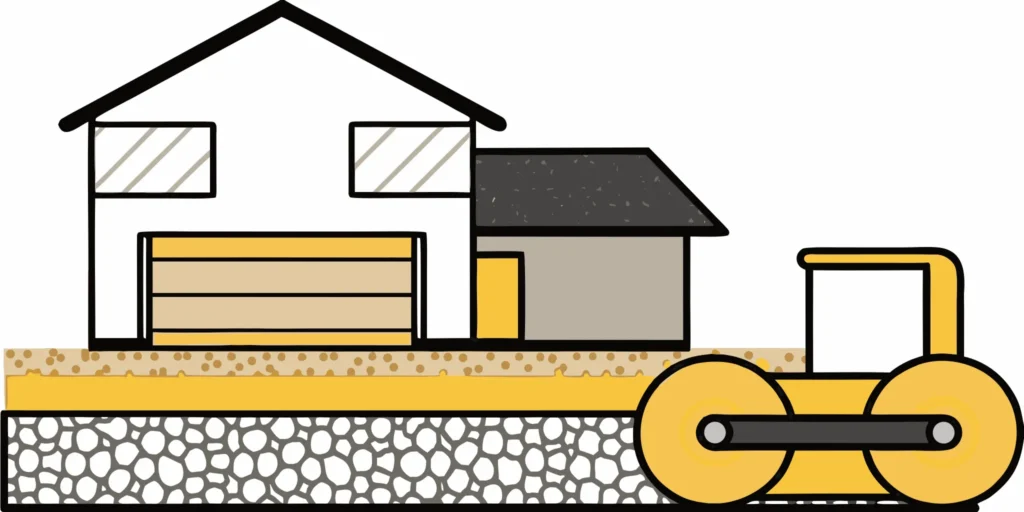
Once your site is prepared, it’s time to lay the recycled asphalt. One of the great things about this material is that it compacts exceptionally well, which can make the installation process quicker than other methods. You’ll want to spread the asphalt milling evenly across the prepared base to a consistent depth, typically around four inches, which will compact down to about three inches. The most critical step is compaction. Using a heavy plate compactor or a vibratory roller, go over the entire surface multiple times until it’s smooth and solid. This process binds the asphalt pieces together, creating a durable, stable driveway that can handle traffic and Minnesota weather.
Essential Installation Tips
To get the best results, keep a few key things in mind. First, never underestimate the importance of that solid, well-compacted base; it’s the key to a long-lasting driveway. Second, don’t skimp on compaction, as this is what gives the surface its strength. If you’re new to this kind of work, it’s wise to hire a qualified contractor who can spot potential issues and ensure the job is done right. Finally, plan your project around the weather. You’ll want a few clear, dry days to allow the recycled asphalt to properly settle and harden. Before you order, use a cubic yardage calculator to figure out exactly how much material you’ll need.
How Much Does a Recycled Asphalt Driveway Cost?
When you’re looking at driveway options, the budget is always a top concern. The good news is that recycled asphalt is one of the more wallet-friendly choices available. For a recycled asphalt driveway, you can generally expect the cost to be between $6.20 and $8.75 per square foot, with installation included. This price point makes it a very competitive option, often coming in lower than traditional asphalt or poured concrete. Of course, this is a general range, and your final cost will depend on the specifics of your project, like its size and the prep work needed.
The total price tag is a combination of two main things: the cost of the recycled asphalt material itself and the labor required to get it installed correctly. The size and current condition of your driveway play a big role, as does the thickness of the new layer you’re putting down. A larger, thicker driveway will naturally require more material and more time to install. To get a clear picture of what your project will cost, it’s helpful to break down these expenses and understand what influences each one. Below, we’ll walk through the key factors that affect material and installation costs so you can plan your budget with confidence.
What Affects Material Costs?
One of the biggest draws of recycled asphalt is its price point. It’s typically more affordable than virgin asphalt because it reuses existing materials. This approach is not only good for your budget but also for the environment, as it keeps old asphalt out of landfills and reduces the need to mine for new rock. The main material expense will be the asphalt milling delivery to your property.
The final cost of your materials can also be influenced by how much you need and how far it has to travel. Larger projects may get a better price per ton, while the delivery fee will depend on your distance from the supplier. Planning ahead helps keep these costs in check.
Factoring in Labor and Installation
Labor is a significant part of any paving project, but recycled asphalt offers some savings here, too. The installation process is often faster than with other materials. Recycled asphalt compacts very well and, in many cases, can be applied over a properly prepared base without requiring a full, deep excavation. This efficiency can lead to fewer hours of labor, which directly translates to a lower installation bill.
While a DIY approach might seem tempting, professional installation ensures your driveway is properly graded for drainage and compacted for maximum durability. A pro team has the right equipment to get the job done quickly and correctly, giving you a smooth, long-lasting surface that you can rely on for years.
Planning Your Project Budget
To create an accurate budget, start by figuring out exactly how much material you’ll need. The first step is to measure the length and width of your driveway to determine the square footage. Once you have that, you can use a cubic yardage calculator to estimate the volume of recycled asphalt required for your desired thickness.
When you request quotes from contractors, ask for an itemized breakdown that separates material costs from labor. This transparency helps you compare offers and understand exactly what you’re paying for. Understanding the pros and cons of recycled asphalt will help you make an informed choice and ensure your new driveway fits both your needs and your budget without any surprises.
Maintaining Your Recycled Asphalt Driveway
A recycled asphalt driveway is a fantastic, durable choice, but a little regular care will go a long way in keeping it looking and performing its best for years to come. Just like any other part of your property, it needs some attention to handle Minnesota’s weather and daily use. The good news is that maintenance is straightforward. By focusing on routine upkeep, preparing for the seasons, and knowing when a small problem needs a bigger fix, you can maximize the lifespan of your driveway and protect your investment.
Routine Upkeep
One of the best things about a recycled asphalt driveway is how low-maintenance it is. Your main job is to keep it clean. Regularly sweep away leaves, dirt, and other debris to prevent moisture from getting trapped, which can soften the surface over time. It’s also smart to clean up any fluid spills from vehicles, like oil or gasoline, as soon as you spot them. These chemicals can break down the binders in the asphalt. With this kind of consistent care, your recycled asphalt milling driveway can last for many years, though it’s good to remember it may not have the same lifespan as a brand-new hot-mix asphalt surface.
Seasonal Care Tips
In Minnesota, our seasons demand a bit of extra attention for your driveway. During the summer, the sun’s UV rays can dry out the asphalt. To protect it, consider applying a sealcoat every two to three years. This simple step shields the surface from weather damage and spills, helping it last much longer. In the winter, be mindful of how you clear snow. Avoid using metal shovels or plows with sharp edges that can gouge the surface. A plastic shovel or a snowblower with a raised blade is a much safer choice. While de-icing salts are effective, use them sparingly, as excessive use can affect the material over time.
When to Repair or Resurface
Even with perfect maintenance, you might eventually see some wear and tear. Keep an eye out for small cracks, potholes, or areas that feel loose. You can often patch minor issues yourself with cold patch asphalt from a local hardware store. However, if you notice widespread cracking, large potholes that keep returning, or significant drainage problems, it’s probably time for a more serious solution. When you’re dealing with problems that simple fixes can’t solve, it’s best to call in a professional. They can assess whether you need a major repair or if it’s time to resurface the driveway, which might involve professional grading services to ensure a solid foundation.
Potential Challenges to Consider
Recycled asphalt is a fantastic choice for many driveways, but like any material, it helps to know what to expect. Going in with a clear picture of the potential challenges ensures your project is a success from start to finish. Being aware of a few key considerations around installation, appearance, and maintenance will help you make an informed decision and get the most out of your new driveway. With the right approach, these hurdles are easy to manage.
Common Installation Hurdles
A strong driveway starts with a solid foundation. The most common installation issues, like weak spots or an uneven surface, happen when the base isn’t prepared correctly. Simply spreading recycled asphalt over loose soil won’t work. To avoid this, you or your contractor must create a well-compacted base. Using a quality aggregate like Class 5 gravel is essential for creating a stable foundation that can support the driveway for years. The quality of the recycled asphalt itself also matters, as poor-quality materials can lead to premature cracking and other issues down the road.
Understanding the Look and Finish
It’s important to have realistic expectations for the appearance of a recycled asphalt driveway. The look is typically less refined than what you’d get with new, hot-mix asphalt. The color is often more of a charcoal gray than a deep black, and the texture can be coarser. While it compacts into a very hard and durable surface, a recycled asphalt driveway may not have the same longevity as a brand-new one. Many homeowners find this rustic aesthetic appealing and consider it a fair trade-off for the significant cost savings and environmental benefits that come with using asphalt milling.
Managing Weeds and Drainage
Because recycled asphalt is a compacted aggregate rather than a solid, sealed surface, you might see some weed growth over time. This is a manageable issue. Laying down a quality landscape fabric before installation can prevent most weeds from ever popping up. Another key consideration is drainage. If the driveway isn’t graded properly, you could end up with puddles and drainage problems. Ensuring the site is properly prepared, with the right slope to direct water away from your home, is critical. Professional skid steer services can help create the perfect grade for a long-lasting, problem-free driveway.
Common Myths About Recycled Asphalt
Recycled asphalt is a popular choice for driveways, but it comes with its share of misconceptions. If you’re considering it for your project, it’s helpful to separate fact from fiction. Let’s clear up a few common myths so you can make a confident decision about your driveway material.
Myth: It Isn’t as Durable
One of the biggest concerns people have about recycled asphalt is its strength. The truth is, with proper installation and care, a recycled asphalt driveway can last for decades. The material is made from reclaimed asphalt that has already proven its durability on roads and highways. When this asphalt milling is properly graded and compacted, it creates a strong, stable surface. In some cases, the combination of aged aggregate and asphalt binder can result in a base that is even stronger than one made with all-new materials.
Myth: It’s Unsafe for the Environment
Some people worry that recycled materials might be harmful, but recycled asphalt is actually a great eco-friendly option. By using reclaimed materials, you’re keeping old asphalt and concrete out of landfills where they would otherwise sit for years. This process also reduces the need to mine new rock and produce new asphalt, which saves energy and natural resources. Choosing recycled asphalt for your driveway is a practical way to reduce your project’s environmental footprint while still getting a high-quality result.
Myth: It Performs Just Like New Asphalt
This myth is a matter of setting the right expectations. While recycled asphalt is incredibly durable and offers excellent performance, it doesn’t behave exactly like a new, hot-mix asphalt surface. A traditional asphalt driveway is sealed and non-porous, while a recycled asphalt driveway has a looser, more gravel-like finish. It offers great value and longevity, but it typically won’t match the lifespan of a brand-new paved surface. Understanding this difference helps you appreciate recycled asphalt for what it is: a cost-effective, strong, and sustainable alternative.
Is Recycled Asphalt Right for Minnesota’s Climate?
Minnesota’s weather is no joke. From sweltering summer days to deep winter freezes, any outdoor material takes a beating. So, it’s fair to ask if a recycled product can really stand up to the challenge. When it comes to recycled asphalt, the answer is a resounding yes. This material isn’t just a budget-friendly choice; its unique properties make it surprisingly well-suited for our demanding climate, handling everything from temperature swings to daily traffic with impressive resilience.
Handling Freeze-Thaw Cycles
The constant cycle of freezing and thawing is the biggest enemy of any driveway material in Minnesota. Water seeps into tiny cracks, freezes, expands, and breaks the surface apart. Recycled asphalt milling performs exceptionally well in these conditions. Because the material contains residual asphalt binder, the particles bond together when compacted, creating a surface that is less prone to cracking than loose gravel. This makes it a durable option that can handle harsh weather and heavy vehicles. A properly installed recycled asphalt driveway offers the flexibility needed to withstand temperature changes without compromising its structure.
How Much Traffic Can It Take?
A driveway needs to be tough enough for daily use, from family cars to delivery trucks. Recycled asphalt, especially a quality Class 5 material, is more than up to the task. When properly graded and compacted, it forms a strong, stable base that can support significant weight. In fact, with good installation and care, it can last for decades. This material is a proven performer for both residential driveways and parking lots, delivering a solid surface that holds up well over time. Its strength and stability make it a reliable and long-lasting choice for your property.
Related Articles
- The Honest Pros and Cons of a Crushed Asphalt Driveway – Minnesota Aggregates
- Recycled Asphalt Driveway Cost Per Square Foot Guide – Minnesota Aggregates
Frequently Asked Questions
How is recycled asphalt different from regular Class 5 gravel? The main difference is the asphalt binder. While both are excellent base materials, recycled asphalt contains residual asphalt cement from its previous life as a road. When this material is compacted, that binder helps the particles lock together, creating a stronger, more stable surface that produces less dust and resists erosion better than standard Class 5 gravel.
What will my recycled asphalt driveway actually look like? You can expect a durable, textured surface with a charcoal gray color rather than the deep black of new asphalt. The finish is more rustic and less smooth than traditional pavement, which many people love. Over time, as it compacts and cures in the sun, it will harden into a solid, uniform surface that offers a great look for a fraction of the cost.
How long do I have to wait before I can drive on my new driveway? One of the great things about recycled asphalt is that you can typically drive on it right after the installation and compaction are complete. The surface will continue to settle and harden over the next few weeks, especially in warmer weather, but it’s ready for light vehicle traffic almost immediately.
Can I install a recycled asphalt driveway myself? While it is possible for a skilled DIYer to install a recycled asphalt driveway, the success of the project depends entirely on proper site preparation and compaction. If the base isn’t graded correctly or compacted enough, you can run into issues later. For the best, longest-lasting results, we recommend using professional services to ensure the foundation is solid and the material is installed correctly.
Does recycled asphalt get really hot in the summer? Yes, like any dark-colored driveway material, recycled asphalt will absorb sunlight and get hot during the summer. However, because its surface is more textured and less dense than new, solid pavement, it often doesn’t retain heat quite as intensely. It’s a manageable characteristic and a small trade-off for the material’s durability and affordability.