
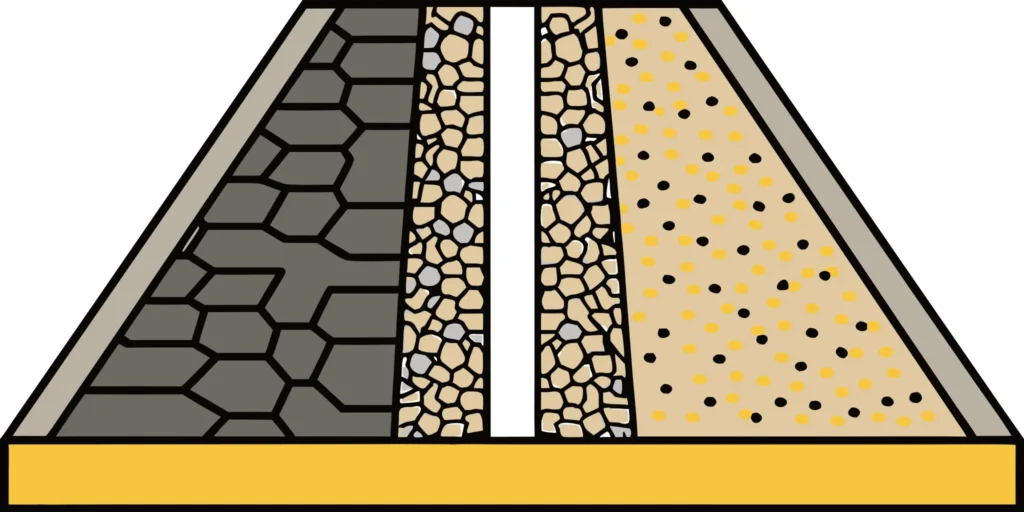
If you live in Minnesota, you know our weather shows no mercy, especially to driveways. The constant cycle of freezing, thawing, and heavy snow puts any surface to the test. When it’s time to install or upgrade your driveway, you need a material that’s tough enough to handle it all without breaking the bank. That’s where recycled materials come in. Crushed asphalt and crushed concrete are two of the most durable and cost-effective options available. The real question is, which one is the better champion in the crushed asphalt vs crushed concrete for driveway showdown? We’ll explore how each material stands up to our seasons, from summer heat to winter ice, ensuring you choose a surface that will last.
Key Takeaways
- Your Choice Comes Down to the Final Look: Crushed asphalt settles into a dark, smooth surface that mimics traditional pavement, while crushed concrete provides a classic, light-colored gravel appearance with a more textured finish.
- Match the Material to Its Use: Crushed asphalt is perfect for residential driveways, offering flexibility during temperature changes. For areas supporting heavy equipment or high traffic, the superior interlocking strength of crushed concrete creates an exceptionally stable base.
- Success Starts with a Solid Foundation: Regardless of your choice, the long-term durability of your driveway depends on proper site preparation. A professionally graded and compacted base is essential to prevent shifting and ensure your investment lasts through Minnesota’s seasons.
First Things First: What Are We Talking About?
Before we get into a side-by-side comparison, let’s cover the basics. Understanding what these materials are and where they come from is the first step in figuring out which one is the right fit for your driveway project. Both are recycled products, but they have very different properties that affect how they look, perform, and hold up over time.
What is Crushed Asphalt?
Crushed asphalt, often called asphalt milling, is exactly what it sounds like: old asphalt pavement that has been ground up into gravel-sized pieces. This material contains bits of rock and asphalt, which is the tar-like substance that acts as a binder. When compacted, the heat from the sun can soften the asphalt just enough to help the pieces stick together, creating a more cohesive and water-resistant surface. It’s a great choice for driveways, private roads, and parking areas. However, that same heat can also make it soft, and it might develop ruts under heavy vehicles over time, requiring a bit more maintenance down the road.
What is Crushed Concrete?
Crushed concrete is made from old concrete sourced from demolition projects like buildings and roads. During the recycling process, any metal rebar is removed, and the concrete is crushed into various sizes. Unlike the smoother pieces of asphalt, crushed concrete has sharp, angular edges. This is its superpower. These angles allow the pieces to lock together tightly when compacted, forming an incredibly strong and stable base. This strength makes it perfect for projects that need to support heavy loads, like foundations for parking lots or bases for new roads where heavy equipment will be operating.
The Eco-Friendly Advantage of Recycled Materials
Choosing either crushed asphalt or crushed concrete is a great move for the environment. By using these recycled materials, you’re helping to keep tons of old pavement out of landfills. It also reduces the need to mine for new stone and other raw materials, which helps conserve our natural resources. It’s a practical way to make a more sustainable choice for your project without sacrificing quality. You get a durable, effective material for your driveway, and you can feel good about where it came from.
Crushed Asphalt vs. Crushed Concrete: A Head-to-Head Comparison
Choosing the right material for your driveway goes beyond just picking the cheapest option. You’re making a long-term investment in your property’s curb appeal and functionality. Both crushed asphalt and crushed concrete are excellent, eco-friendly choices made from recycled materials, but they behave very differently. Think of it like choosing between two types of flooring for your house; both work, but one might be a better fit for your lifestyle, aesthetic, and the kind of wear and tear it will face.
This comparison will walk you through the key differences so you can feel confident in your decision. We’ll look at everything from how they look and feel under your tires to how they stand up to heavy rain and Minnesota’s notorious freeze-thaw cycles. Whether you need a durable surface for heavy farm equipment or a clean, modern-looking driveway for your suburban home, understanding these distinctions is the first step. We provide reliable asphalt milling delivery and other aggregate services to ensure you get the right material, installed correctly, for a driveway that lasts. Let’s break down the specifics.
How They Look and Feel
Your driveway is one of the first things people see, so appearance matters. Crushed asphalt, often called asphalt millings, has a dark charcoal or black color. Once it settles and compacts, it creates a smooth, semi-solid surface that closely resembles a traditional paved driveway. This offers a clean, modern aesthetic that complements many home styles.
Crushed concrete, on the other hand, provides a lighter, more rustic look. Its color is typically a mix of light grays and off-whites, similar to what you’d expect from a classic gravel or crushed stone path. The texture is generally more angular and varied. The choice here really comes down to personal preference and the overall look you want for your property.
How They Settle and Compact
How a material settles determines the final feel and durability of your driveway. Asphalt millings contain residual bitumen, the tar-like binder from their original life as a road. When warmed by the summer sun, this binder softens just enough to help the particles fuse. This process creates a tightly compacted, almost-paved surface that produces less dust and keeps loose stones to a minimum.
Crushed concrete compacts differently. It relies on the mechanical interlocking of its sharp, angular pieces. When properly graded and compacted with professional equipment, it forms an incredibly stable and solid base. It remains more of a gravel-like surface but packs down tightly, making it a great option for areas that need a firm foundation, similar to a Class 5 gravel base.
Handling Rain and Snowmelt
In Minnesota, managing water is a big deal. Fortunately, both crushed asphalt and crushed concrete are permeable, which is a major advantage over solid pavement. Instead of water pooling on the surface or running off and causing erosion, it can drain through the material and into the ground below. This helps prevent standing water, reduces the risk of creating icy patches in the winter, and is better for the local groundwater supply.
This permeability is especially helpful during heavy spring thaws or summer downpours. A well-installed recycled driveway can handle a significant amount of water, protecting your landscaping and foundation from excessive runoff. It’s a practical feature that makes both materials a smart choice for our climate.
Strength and Durability
When it comes to raw strength, crushed concrete often has the upper hand. It packs down into a very dense, rigid base that is exceptionally stable and resistant to shifting. This makes it a fantastic choice for foundations or areas that need to support immense weight without flexing. Its durability comes from the sheer strength of the interlocked concrete pieces.
Crushed asphalt is also very durable, but it behaves differently under pressure. The bitumen binder that helps it compact also gives it a bit of flexibility. However, in extreme summer heat, this can be a slight drawback. The surface can soften, and if you have very heavy, stationary loads like a large trailer or RV parked in the same spot for a long time, it can create ruts. For standard vehicle traffic, it holds up beautifully.
Performance Through Minnesota Seasons
Our seasons put any outdoor material to the test, and driveways are no exception. The freeze-thaw cycle is the biggest challenge. Because crushed concrete is porous, it can absorb water. If that water freezes, it expands, which can potentially cause the material to degrade over time. This is something to keep in mind for any porous material in a northern climate.
Asphalt millings tend to handle the temperature swings a bit better. The flexibility from the bitumen binder allows the material to expand and contract slightly without cracking, making it more resistant to frost heave. Both materials will perform well for years, but they may require occasional regrading with skid steer services to smooth out any spots that have shifted after a tough winter.
The Pros and Cons for Your Driveway
Choosing the right material for your driveway comes down to weighing the benefits and drawbacks of each option against your specific needs. Both crushed asphalt and crushed concrete are excellent, eco-friendly choices, but they shine in different ways. Let’s break down what you can expect from each so you can feel confident in your decision.
The Case for a Crushed Asphalt Driveway
If you love the look of a classic blacktop driveway but not the price tag, crushed asphalt is your answer. Also known as asphalt millings, this material settles and compacts over time, especially in the summer heat. This process binds the pieces together, creating a smooth, semi-solid surface that looks very finished. It’s also quieter to drive on and stands up well to heavy traffic.
The main downside is that extreme heat can soften the surface, and it might develop ruts under repeated heavy loads. It’s generally a bit more expensive than crushed concrete, but for many, the aesthetic is worth it. For a durable and polished look, our asphalt milling delivery service can get you the high-quality material you need.
The Case for a Crushed Concrete Driveway
For a driveway that needs to be tough, stable, and great at handling water, crushed concrete is a fantastic choice. It packs down tightly to form a very solid, gravel-like surface with excellent structural strength. This makes it ideal for areas that need to support heavy vehicles or equipment. Plus, its permeability means you’ll see fewer puddles after a Minnesota downpour.
On the other hand, some find that it can break down over time and get dusty, especially with a lot of heavy truck traffic. While it’s a strong material, it won’t give you that smooth, paved look of asphalt. It’s a workhorse, perfect for a functional, light-colored driveway that offers great value. It serves a similar purpose to other compactable bases like our Class 5 gravel.
Common Myths About Recycled Driveways
Let’s clear up a couple of common misconceptions. First, many people think these materials are worlds apart, but they share many of the same great qualities. Both are affordable, environmentally friendly recycled products that allow for good drainage. The biggest difference really is the color and final texture. Your choice will likely come down to which look you prefer for your property.
Another myth is that you can just have a load dumped and spread it around. For any driveway to last, it needs a proper foundation and containment. Without it, the material can spread, thin out, and break apart. Professional site preparation, which our skid steer services can handle, is key to a long-lasting result.
What to Expect for Long-Term Upkeep
The good news is that both materials are relatively low-maintenance. Crushed concrete is easy to care for since it drains so well and provides a durable surface. Crushed asphalt can last for decades, though you may want to sealcoat it every few years to maintain its tightly bound surface.
The most important factor for long-term success, no matter which material you choose, is the prep work. A properly graded and compacted sub-base is absolutely essential for the longevity of your driveway. Taking the time to build a solid foundation will save you from headaches and costly repairs down the road. You can use our cubic yardage calculator to make sure you order enough material for a thick, stable base.
How to Choose the Right Material for Your Minnesota Driveway
Alright, you’ve got the rundown on crushed asphalt and crushed concrete. Now comes the big question: which one is right for your driveway? Making the right choice goes beyond just picking the one you think looks best. You need to think about your budget, how much work you’re willing to put into installation, and most importantly, how your choice will stand up to our wild Minnesota weather. It’s about finding that sweet spot between cost, durability, and appearance for your specific needs.
Think of it like choosing the right pair of boots for a Minnesota winter. You wouldn’t pick flimsy shoes, right? You need something that can handle snow, ice, and slush. Your driveway is the same. It needs to withstand heavy vehicles, freeze-thaw cycles, and everything in between. Whether you’re paving a long rural driveway, a simple suburban path, or a heavy-duty area for equipment, the material you choose will make all the difference. Let’s walk through the key factors together so you can feel confident in your decision. We’ll cover everything from the upfront costs to long-term performance, giving you a clear path to choosing the perfect material for your project.
Breaking Down the Costs
Let’s talk money. Both crushed asphalt and crushed concrete are wallet-friendly alternatives to brand-new pavement. But if you’re looking for the most affordable option, crushed concrete often takes the lead, sometimes costing up to 50% less than other paving materials. The final price tag will depend on the size of your project and how much material you need. To get a solid estimate of your material needs and avoid over-ordering, you can use a handy cubic yardage calculator. This simple tool helps you plan your budget accurately before you even place an order.
What Does Installation Involve?
A great driveway starts with a solid foundation. Regardless of which material you choose, proper installation is key to making it last. This isn’t just about spreading the material evenly. Both crushed asphalt and concrete need to be properly compacted to ensure they don’t shift or wash away over time. Using a heavy roller is the best way to get a tight, stable surface. If you’re starting from scratch or need to level the area first, our skid steer services can handle the heavy lifting of grading and site prep, creating the perfect base for your new driveway.
Factoring in Our Minnesota Climate
Here in Minnesota, our driveways go through a lot. From scorching summer heat to deep winter freezes, the material you choose has to be tough. This is where crushed asphalt millings really shine. They offer a more finished, blacktop-like appearance that actually binds together in the summer heat, creating a stronger, more cohesive surface. Both materials provide excellent drainage, which is a huge plus for managing spring snowmelt and preventing icy patches. This permeability helps reduce runoff and keeps your driveway more stable through the seasons.
A Quick Checklist to Make Your Decision
Still on the fence? Let’s simplify it. Run through this quick checklist to see which material aligns with your project’s demands.
Choose asphalt millings if:
- Your project is lighter-duty, like a residential driveway or a garden path.
- You want a surface that knits together over time for a smoother finish.
- A lower upfront cost is a top priority.
Choose crushed concrete or Class 5 gravel if:
- You need a super strong and stable base for heavy vehicles or equipment.
- Your project is a high-traffic area like a large parking lot or a farm road.
- Long-term durability and a solid, interlocking base are most important.
Related Articles
- The Honest Pros and Cons of a Crushed Asphalt Driveway
- Recycled Asphalt Driveway Cost Per Square Foot Guide
Frequently Asked Questions
Which material is more budget-friendly? Generally, crushed concrete is the more affordable option when you’re just comparing material costs. However, the final price for your project depends on how large your driveway is and how much prep work is needed. While crushed asphalt might cost a bit more upfront, many homeowners feel its smooth, finished appearance provides a lot of value. The best first step is to measure your space and calculate the total yardage you’ll need.
Which one will give me a smoother, more “paved” look? If you want a surface that looks and feels closer to a traditional blacktop driveway, crushed asphalt is your best bet. The asphalt binder remaining in the material helps the pieces fuse together over time, especially in the summer sun. This process creates a more solid, cohesive surface. Crushed concrete, in contrast, will always have the look and texture of a classic, light-colored gravel driveway.
Can I install a recycled driveway myself? While you certainly can spread the material yourself, achieving a long-lasting result requires more than just a shovel and a rake. The key to a durable driveway is a properly graded base and thorough compaction with heavy machinery, like a professional roller. Without this step, the material can shift, wash out, and develop ruts quickly. We always recommend professional site preparation to ensure your investment holds up for years.
How do these materials handle heavy snow and ice? Both options perform very well in Minnesota winters, mainly because they are permeable. This means water from melting snow and ice drains through the surface instead of pooling and refreezing into a dangerous slick. Crushed asphalt often has a slight advantage, as its dark color can absorb more sunlight and help melt snow a little faster. Its flexibility also makes it more resistant to cracking during freeze-thaw cycles.
Will my driveway get dusty or muddy? A properly installed crushed asphalt driveway creates very little dust because the particles bind together into a semi-solid surface. Crushed concrete can sometimes become dusty, particularly during long dry spells with frequent traffic. The great news is that neither material should ever get muddy. Their excellent drainage prevents water from sitting on the surface, keeping your driveway stable and your shoes clean.