
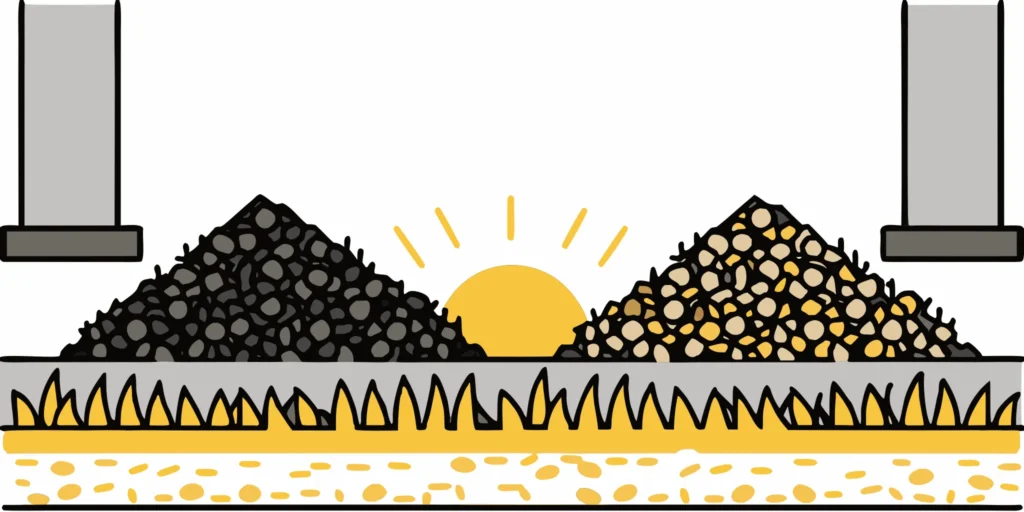
Choosing between black dirt vs topsoil can determine whether your Minnesota yard drains well, supports healthy roots, and stays easier to maintain. The right choice depends on whether you are planting, laying sod, grading, or filling low spots.
Request a free black dirt delivery quote and get help choosing the right material and load size for your yard project.
Topsoil is the natural upper soil layer and is often best for grading or filling low areas. Black dirt is a regional term for dark soil rich in organic matter, making it a strong choice for lawns and garden beds. Always confirm the soil blend and whether it is screened before ordering.
Before you schedule delivery, compare how each material performs in real Minnesota conditions. Texture, organic matter, drainage, freeze-thaw cycles, and the intended use all affect the best choice.
Black dirt vs topsoil: the practical difference
Many people use the terms black dirt and topsoil as if they are the same thing. While they are related, knowing the difference helps you pick the right material for your yard. Picking the wrong one can lead to poor plant growth or drainage issues.
Defining the layers
Topsoil is the natural upper layer of the earth. It is usually the top 5 to 20 cm of the ground. This layer is full of life and organic matter that plants need to grow. Soil contains minerals, water, and gases that help roots breathe. A good soil for plants is not solid. About 40% to 60% of its volume should be open pores. These pores hold the air and water that roots need to live.
Black dirt is a name used to describe soil that has a dark look. This dark color often shows that the soil has a high level of organic matter. High levels of iron or magnesium can also make soil turn black. Many people in Minnesota look for black dirt when they want to start a new garden. They know that dark soil often helps plants grow big and strong.
Naming and local use
In the world of science, only topsoil has a set definition. Black dirt is a common name that can mean different things to different people. Some use it to describe peat, while others use it for any dark garden soil. You should always ask your source about the screened and non-screened black dirt options before you buy. This ensures you get exactly what your job needs.
The feel of the soil also matters. This is called soil texture. Soil texture comes from the mix of sand, silt, and clay. You can test this at home with a simple jar test. Put some soil in a jar with water and shake it. After a few days, you will see layers of different sizes settle. This helps you see if your soil has too much sand or rocks.
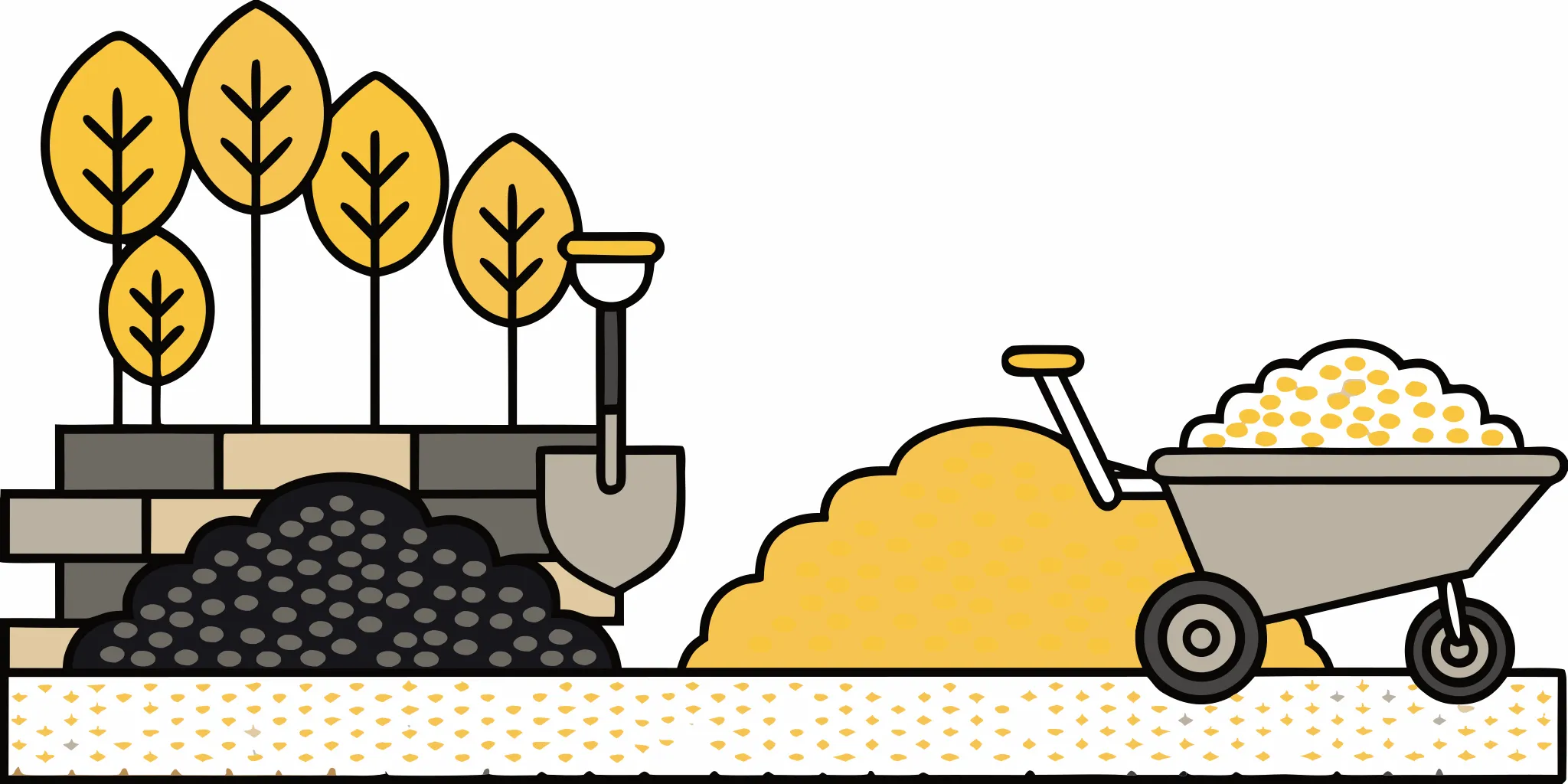
| Feature | Topsoil | Black Dirt |
|---|---|---|
| Main Use | Filling low spots or fixing yard grades. | Garden beds and boosting plant growth. |
| Organic Level | Low to medium levels. | High levels from broken down plants. |
| Texture | May contain more sand or clay. | Soft, dark, and crumbly feel. |
| Price | Often the lower cost option. | A premium choice for local projects. |
Picking the best soil for the job
Your choice depends on your project goals. If you need to level a large area, topsoil is the best pick. It is strong and holds its shape well. For growing food, you might want to look at choosing the best soil for your garden. Cheap soil can be a trap. It is often full of sand or small rocks that make it hard for plants to grow. It is best to visit the yard to see the product first.
Most local sources offer special blends. These mixes often combine topsoil with compost. Using a blend can save you a lot of work. It gives you the best of both worlds for your home yard. Always check the soil for trash or plastic before you have it dropped off. High quality soil should be clean and ready for use. This keeps your yard safe and helps your plants stay healthy for a long time.
Which soil should you use for your yard project?
Selecting the right material is the first step toward a healthy yard or garden. While many people look for the darkest dirt they can find, the best choice depends on your specific goals. Knowing the how screening affects black dirt helps you pick a product that fits your needs. You must look past the color to check what is actually inside the soil.
Best soil for lawn repair and sod
If you are fixing bare spots or laying new sod, you need a stable base that holds moisture. Quality topsoil is the natural upper layer of the ground, usually the top 5 to 20 cm. It contains high levels of organic matter. When you lay new sod, experts recommend a layer of soil between 10 and 15 cm deep. This depth gives roots enough room to grow and stay strong. Using a quality topsoil under your grass helps the yard stay green even during dry spells.
Choosing dirt for garden beds
Garden projects often need more nutrients than a simple lawn repair. Black dirt is a popular pick because dark colors often mean the soil has more organic matter. This matter is vital for nutrient cycling and water management in your garden. If you are choosing the best soil for your garden, look for a blend that feels rich and crumbly. For raised beds, a mix of topsoil and compost is often best. This mix warms up faster in the spring than the ground below.
Materials for grading and filling low spots
When you need to change the slope of your yard or fill a hole, stability is key. You do not want soil that will wash away or sink too much after the first rain. For these tasks, standard topsoil is often the better choice over rich black dirt. It provides a firm structure that holds its shape well. Using the right materials used for drainage and yard grading ensures that water flows away from your home. This keeps your basement dry and prevents puddles from forming.
How to check soil quality
Before you buy, you should always check the material for debris or trash. Good soil should be mostly minerals and organic matter, without large rocks or plastic. A simple way to test your soil is to shake some in a jar of water and let it settle. This test lets you see the layers of sand, silt, and clay. A balanced soil will have plenty of tiny pores to hold air and water. This balance is needed for roots and soil organisms to breathe and grow well.
How Minnesota weather changes the decision
Minnesota weather is hard on the land. Our local climate has hot summers and very cold winters. This cycle forces owners to think about how their dirt will act when the ground freezes and melts. When you choose between black dirt vs topsoil, you must look at how the dirt handles water and ice. The right choice keeps your yard flat and your plants alive.
Managing the freeze-thaw cycle
In Minnesota, the ground freezes deep in the winter and thaws in the spring. This movement can push soil around and change the shape of your lawn. Good soil structure helps the ground stay stable during these shifts. A good soil is not a solid block of dirt. Instead, it needs pores filled with air or water to let the earth breathe.
These pores give the soil room to expand when water turns to ice. If you use poor soil that lacks this space, the ground may heave and crack. For major lawn projects, many people look for the available black dirt choices to ensure the feel is right for their site. Screened dirt has fewer rocks, which allows for better air flow and less heaving.
Spring drainage and wet conditions
Spring in the Twin Cities often brings heavy rain and melting snow. This extra water can lead to puddles and soft spots in your yard. The way your soil drains is vital for both plant health and yard grading. Black dirt is often dark and rich because it has more organic matter. This matter helps hold some water for plants but also lets extra water flow through.
Topsoil is the natural upper layer of the earth. It contains the living parts and nutrients needed for growth. But if your yard has poor drainage, you may need the right mix of items for yard grading to move water away from your home. Using a mix of topsoil and sand can help water move faster during wet spring weeks.
Combating soil packing
Minnesota soils can become very hard and packed down. This often happens in new home builds where heavy machines have moved over the land. Packed soil makes it hard for roots to grow and for water to sink in. This is a common problem in urban areas where the ground has been moved.
To fix this, you may need to add new layers of fertile black dirt or topsoil. Adding organic matter helps keep the soil in place and improves how the land handles water. This is why many people in the Twin Cities metro choose to buy fresh soil to refresh their gardens each year. Proper placement of this soil ensures that your yard stays healthy through every season.
How much black dirt or topsoil should you order?
Planning a yard project starts with a good count. If you order too little, your work stops until more dirt arrives. If you order too much, you have a pile left that you do not need. Whether you need black dirt vs topsoil, the math is the same. Follow these steps to find the right amount for your Twin Cities job.
Work area size
First, you must find the size of the space you want to fill. Use a tape measure to find the length and width of the area in feet. For circles or odd shapes, break the area into small squares. Add those numbers to find the total square feet. Most yards are not flat, so take your time to be sure. A small slip now can lead to a big error in your order.
Correct soil depth
The depth of soil you need depends on what you plan to grow. If you are laying new sod, you often need a layer of about four to six inches of topsoil to help roots grow. Garden beds may need 12 inches or more to support deep roots. In some cases, raised beds help you skip poor soil on your lot by giving you more control over the depth. Knowing your goal helps you pick the right dirt for the job.
Volume math steps
Most shops sell dirt by the cubic yard. To find this, times your square feet by the depth in feet. Then, divide that total by 27. For instance, a 10 by 10 space that is 6 inches deep is 10 x 10 x 0.5, which is 50 cubic feet. Divide 50 by 27 to get about 1.85 cubic yards. Using a black dirt delivery team makes sure you get the right amount at your site on time.
- Measure the area. Find the length and width of your project space in feet. Use these numbers to find the total square feet. If the space is not a simple box, split it into smaller shapes and add them up.
- Set your depth. Decide how deep the new layer should be based on your plants. Most lawns need at least four inches of fresh soil. Deep garden beds might need a foot or more of good black dirt.
- Find the volume. Times the square feet by the depth in feet. Divide that number by 27 to find the total cubic yards. This is the standard unit used by most soil shops in the area.
- Add a buffer. Add 10% to 15% to your total to account for soil settling. Dirt packs down over time once it is spread. You need a bit more than the raw math shows to avoid running short.
- Call for a quote. Share your numbers with a local shop to check the total. They can help you choose black dirt vs topsoil for your Twin Cities soil. A pro can also help you plan the best drop site for the truck.
Local shop check
Before you buy, talk to a pro about your plans. They can tell you if a soil mix with food is a better fit for your garden. This can save you the hard work of mixing your own dirt. A good shop will also check for trash or rocks in the mix. They help make sure the dirt supports plant growth as you want. Fast shipping keeps your project on track and your crew working.
Plan your delivery before the truck arrives
Ordering bulk dirt is a big step for any yard job. You want your work to stay on track and avoid any breaks. To make this happen, you must plan your site before the truck pulls up. A bit of planning helps the driver place your load right where you need it. This simple move saves you hours of moving dirt by hand later. It also keeps your site safe and clean as you work.
Prepare the path and dump spot
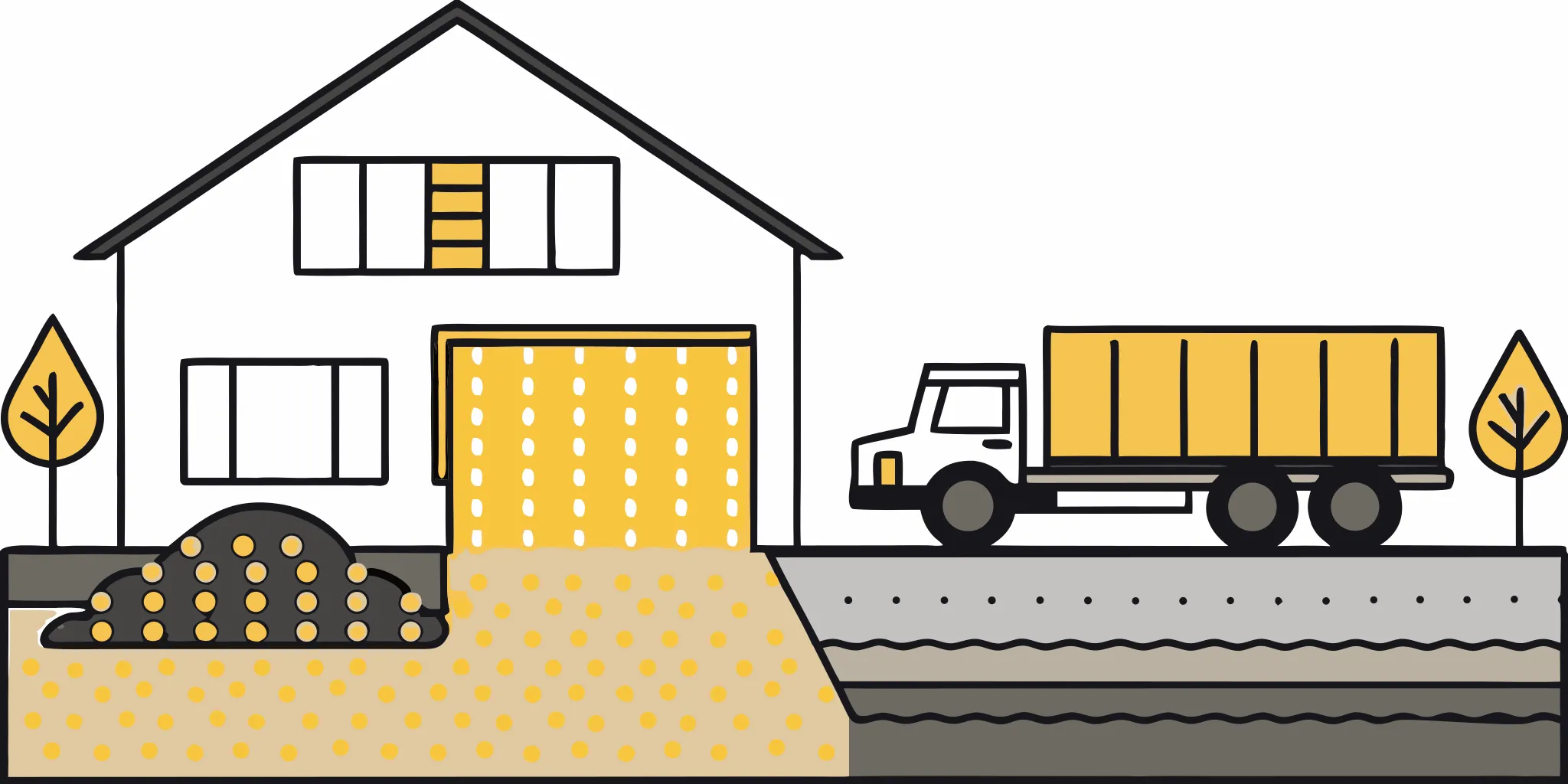
Dump trucks need a lot of room to move and work. They are much wider and taller than a car or a small van. Before the driver arrives, walk the path they will take. Look for low wires, tree limbs, or roof edges that might get in the way. Most trucks need about 15 to 20 feet of clear space to lift the dump bed. If you have low trees, you may need to trim them back. Clear any cars, tools, or toys from the path. This gives the driver a clear line to the dump spot.
Also, make sure the spot you pick is firm and flat. A truck full of black dirt or topsoil is very heavy. This weight can cause the tires to sink into soft grass or mud. If the ground is wet, a big truck can leave deep ruts in your lawn. In some cases, the truck might even get stuck. This can delay your job and cause extra costs. Pick a spot for the dirt that is dry and flat. Avoid areas with pipes or tanks under the ground that could break under the weight.
Keeping the ground firm also helps protect your soil. When heavy tires pack the ground down, they crush the small spaces in the dirt. Healthy soil needs to stay loose so air and water can reach plant roots. Experts note that good soil for plants should have about half of its volume as open pores. If you keep the trucks on solid paths, your garden beds will stay ready for growth.
Decide on the best load for your site
Your plan might change based on what you order. For example, you might look at the screened black dirt for finish work for your yard. Screened dirt is easy to rake and move once it hits the ground. If you order a large load of topsoil to fix a low spot, you may want it dumped right in that area. Thinking about black dirt vs topsoil helps you decide where the truck should go. Putting the pile close to your work area saves you time. It keeps your crew moving fast.
Manage your project timing
Staying on schedule is vital for every job. You need your soil to arrive when your team is ready to use it. We focus on fast, on-time delivery so you never have to wait. Check the weather before you book your slot. Heavy rain can make a site too soft for a delivery. It is also smart to have someone on site to meet the driver. They can show the driver exactly where to dump the load. This ensures the dirt ends up in the right place the first time.
What should you ask before ordering soil?
Before you call for a material drop, you must know what your project needs. Getting the right mix of black dirt vs topsoil starts with asking the right questions. A good supplier will help you pick, but they need facts from you first. You should start by describing your goal, such as filling a low spot or starting a new garden bed.
How will you use the soil?
The use of the soil determines the quality you need. If you are fixing a yard slope, you might need a heavy fill. For a garden, you need soil with high organic matter to help plants grow. Soil is a natural body of minerals and organic solids that supports plant growth through its layers. If you pick the wrong type, your plants may struggle to thrive. Knowing your goal helps you decide between standard soil and a topsoil blend for your yard.
Is the soil screened for debris?
Screened soil has been passed through a mesh to remove large rocks, roots, and clumps. This process makes the soil much easier to spread and rake. It is helpful to ask the supplier about the bulk black dirt delivery options before you buy. Some cheap products may have trash or plastic in them. Experts suggest you inspect the soil to look for small rocks or sand before it is delivered to your home.
How much delivery space is on site?
A dump truck needs a clear path and a solid place to drop the load. You should ask the supplier how much room their truck needs to move and dump safely. Check for low tree limbs or power lines that could block the truck. It is also smart to ask about the delivery schedule. Fast delivery helps you stay on track and keep your project moving without long delays. Clear access ensures the driver can place the soil exactly where you need it.
Frequently Asked Questions
Is black dirt the same as garden soil?
Black dirt and garden soil are not the same thing. Garden soil is often a blend of dirt, compost, and items like peat moss. According to Weekand, black dirt does not have a set name in science. It usually refers to soil that is dark and rich in old plant matter. Garden soil is mixed to hold water and help your plants grow in a certain way.
Can I use black dirt for planting beds?
Yes, you can use black dirt for your planting beds. Dark soil usually has a high level of organic matter that helps flowers and bushes grow. It adds nutrients to the ground and holds water well during the hot summer months. You should mix it with your existing soil to create a deep layer for roots. This will help your plants stay healthy and strong through the growing season.
What is topsoil made of?
Topsoil is the upper layer of the ground where roots grow. It is made of a mix of sand, silt, and clay particles. According to University of Minnesota research, these three parts define the feel of the soil. A good topsoil should also have open pores for air and water. This helps the ground stay soft so that roots can spread out and get the food they need.
Is black dirt better than topsoil for gardens?
Black dirt is often better for gardens because it contains more organic matter. This extra plant matter helps the soil hold on to the water and food your garden needs. Topsoil is better for filling deep holes or fixing the grade of your yard. According to Meadow Acres, topsoil is the natural top layer of the earth. For the best garden results, you should look for a rich, dark soil blend.
Ready to find the best black dirt and topsoil for your Minnesota yard?
Waiting to start your yard project now can lead to a long season of thin grass and muddy spots that will cost more to fix later. Buying the right black dirt today ensures that your project stays on a tight plan and gives your lawn a head start before the summer. We make it easy for you to get the best soil so you do not have to waste time or money on the wrong mix. Our fast and on-time delivery brings the best local dirt to your door so you can skip the hard work and the long wait.
Request a free quote through our contact page or call 612-772-3677 to get the dirt you need to finish your yard project.