
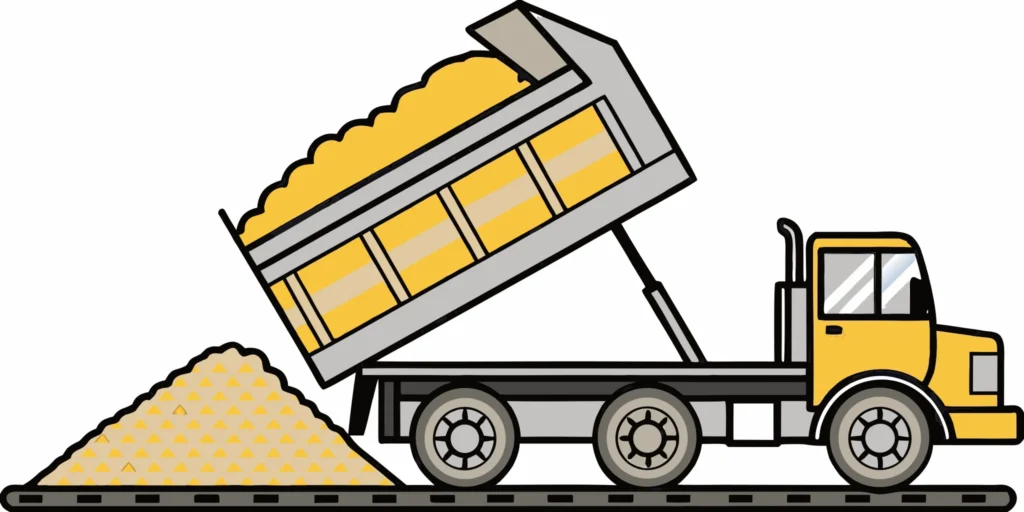
Sand Delivery Near Me: Plan Same-Week Service
A construction project can stall for days when you lack the right aggregate materials. Twin Cities homeowners and contractors searching for sand delivery near me can avoid these delays with same-week planning.
Request a free sand delivery quote from Minnesota Aggregates to confirm the right material, load size, delivery window, and drop location for your project.
Sand delivery near me is ready for same-week service in the Twin Cities metro area when you give at least 48 hours of notice. This timeline allows local suppliers like Minnesota Aggregates to plan truck routes and ensure your specific material is ready for transport. To prepare for a good drop, you must first find the amount of sand needed by using the length, width, and depth of your area. Multiply those three numbers and then divide by 27 to get the total cubic yards for the job. You also need to check that your site has a clear path. Most trucks need at least 10 feet of width to safely enter the property and unload the material without damaging your yard space. Following these steps helps you get the materials you need without causing project delays.
Getting sand fast takes more than just a quick search for a local shop. You must know the steps for ordering, measuring, and prepping your yard for the heavy trucks. Once you know how to arrange sand delivery near me this week, you can focus on the work. The path begins with
How to arrange sand delivery near me this week
Are you starting a yard project that needs bulk sand? Getting a quick drop-off is the best way to keep your work moving. In the Twin Cities, you can often get help in the same week. To find sand delivery near me, you need a plan. Call at least two days before you want the sand. This helps you get a spot on the truck’s route.
Choose your sand type
First, you must pick the right sand for your task. Not all sand is the same. Fine sand works well for brick joints or sandboxes. Coarser sand is better for drainage or as a base for pavers. If you are not sure, ask the team when you call. They can help you pick the best type so your project lasts a long time. Getting the right load from the start saves you time and money.
Find the right amount
You also need to know how much sand to order. If you get too little, your work will stop. If you buy too much, you will have a pile left over. To find the size of your order, measure your space in feet. Take the length times the width times the depth. Then, divide by 27 to find the cubic yards. Most local loads are sold by the yard, so this math is very helpful. Having an exact count keeps your project on a strict budget.
Prepare the drop site
Before the truck gets there, you must get your yard ready. Big dump trucks need a lot of room to turn and park. Make sure the path is at least 10 feet wide. Look up to check for power lines or low tree limbs. A truck needs 18 to 24 feet of height to raise its bed. You should also pick a spot that is flat and hard. A firm ground helps keep the truck from tipping while it dumps the load. It also makes it easier for you to move the sand to its final spot.
Steps to schedule your drop-off
Use these steps to get your sand on site this week. Follow this path to help a smooth drop-off for your home or job site.
- Measure your space to find the cubic yards you need. Use a tape to find the length and width of the space. Divide the total by 27 to get the right count.
- Check the path from the street to your drop spot. Make sure the truck has at least 10 feet of width to pass. Look for any low wires or branches that might get in the way.
- Pick a spot for the sand that is close to your project. Make sure the ground is flat and dry. This helps the driver drop the load safely and keeps your yard in good shape.
- Call or go online to book your spot at least 48 hours in advance. Talk to the team about the best time for your drop-off. Give them clear notes on where to park the truck.
- Stay by your phone on the day of the drop-off. The driver may call to tell you they are near. Being ready helps the work go fast and prevents delays for you.
How do you choose the right sand for the project?
Minnesota Aggregates helps homeowners and contractors match clean, screened sand to the work at hand. Picking the best sand depends on what you plan to build.
Some jobs need fine sand for a smooth finish. Other jobs need rough grit for a firm base. When looking for sand delivery near me, you should first think about the goal of your work. If you are laying pavers, you need another type of sand than if you are filling a sandbox. Picking the wrong kind can lead to shifts in the ground or poor water flow later.
Find project needs
You must match the sand to its use to get the best results. As one case, brick work needs clean and fine grains. For a patio, you should look for types that pack well. Using the right sand helps the job last for years. It also makes the work easier from start to finish. If you pick a poor match, the sand may wash away or fail to hold up heavy loads. Planning ahead is key to staying on time. You should ask for your load at least 48 hours in advance. This helps ensure that the sand is ready when you are. This lead time helps the team fit your order into the weekly route. If you wait too long, a lack of sand could stall your work for many days.
Measure the space
Before you call for a delivery, you must know how much to buy. Buying too much costs more money. Buying too little can stop your work. To find the right amount, measure the length and width of the area in feet. Also, decide on the depth you need for the project. You can find the amount in cubic yards with a simple rule. Multiply the length by the width and the depth. Then, divide that total by 27. This math helps you find the total yards you need. One cubic yard equals 27 cubic feet, so use this rule to stay on track. Checking your math twice prevents common slips that lead to waste.
Prepare for delivery
A safe drop spot is vital for a smooth trip. You should clear a path that is at least 10 feet wide for the truck. Heavy trucks need plenty of room to turn and back up. The ground must be firm and flat to prevent the truck from tipping as it dumps the load. Look up for any low tree limbs or power lines. Trucks often need 18 to 24 feet of height when the back is raised. If the spot is not ready, the driver may not be able to drop the sand where you want it. This can lead to more work for you later. A well-prepared spot ensures a quick and safe drop for everyone.
How much sand do you need, and what shapes the quote?
Minnesota Aggregates prepares each quote around the material amount, delivery distance, and site access. Getting the right amount of material is key to a smooth project. You need to know how much sand to buy before you look for local sand delivery. Ordering too little can stop your work for days, while ordering too much can waste your budget. Accurate math helps you get the exact sand delivery near me that your project needs.
Calculate your material volume
To find out how much sand you need, you must measure the area in feet. Multiply the length by the width and then by the depth of the hole or bed. Take that total and divide it by 27 to get the total cubic yards. This is the standard unit for bulk orders. You should check the math with a math guide for gardeners to be sure.
One cubic yard is 27 cubic feet. Knowing this helps you talk to your driver. If you give the wrong size, the truck might not hold enough for the job. It is best to measure twice to avoid a second trip or extra fees. Most people add a small amount more to cover for settling or spill over during the dump.
Check your site for truck access
Before the truck arrives, you must check the path to your drop spot. Large dump trucks need a lot of space to move. Most trucks need a path that is at least 10 feet wide to drive through safely. You also need to look up for wires or tree limbs that might hit the truck bed when it goes up. High beds often need 18 to 24 feet of clear space above the truck.
Clear site access helps the driver work fast and stay safe. You should plan where the sand will go to keep the truck from backing up too much. Ground that is soft or wet can cause a big truck to get stuck or tip over. It is vital to find a stable surface for the truck to sit on during the dump. Clear any cars or tools from the path before the driver gets there.
Factors that change your quote
A quote for sand delivery is more than just the price of the sand. Many things can change the final cost of your order. Distance from the yard to your site is a big part of the price. The type of sand and how much you need will also play a role in the quote. Most quotes take these parts into account to give you a fair price for the whole job.
| Factor | Impact on Quote | What to Know |
|---|---|---|
| Material Type | Price per yard | Mason sand often costs more than fill sand. |
| Total Quantity | Price per load | Full truck loads are often more cost-effective. |
| Travel Distance | Fuel and time | Sites further from the pit have higher fees. |
| Site Access | Safety and speed | Tight spots might need smaller trucks or more time. |
| Lead Time | Availability | Booking 48 hours out helps secure your slot. |
It is best to ask for a full quote that shows all these parts. This helps you avoid surprise costs on the day the sand arrives. If you need a get reliable sand delivery, being clear about your site and timing is helpful. Most firms can give you a better deal if you plan for a single large trip. Always call or use an online form to get the most current details for your area.
How should you prepare the site before the truck arrives?
Minnesota Aggregates needs a clear, firm access path and a safely marked drop zone to complete an efficient delivery. You should have a plan before the dump truck pulls up to your home. A bit of work now helps the sand land in the right spot. It also keeps the driver safe. When you get a sand delivery near me, the site must be clear. This keeps your project on time. It also stops damage to your lawn or house. Trucks are big and heavy, so they need plenty of room to move.
Clear the access path
The truck needs a wide path to reach the drop spot. Most trucks need at least 10 feet of width to pass. Move all cars, bins, and toys out of the way. Drivers try not to drive in reverse for a long way to keep folks safe. You should also keep pets and kids in the house while the truck is there. A clear path lets the driver focus on the task. If you have tight turns or a small gate, tell the shop when you book your local sand delivery.
Check overhead and ground space
Large trucks need a lot of space to work. Most trucks need from 18 to 24 feet of height to dump a load. Look up for tree limbs or power lines. They can snag the truck bed as it rises. The ground must be firm and flat too. A truck full of sand is heavy. It can sink into soft mud or wet grass fast. Giving a stable surface for the truck stops a tip-over. Pick a spot with hard soil or gravel to stay safe.
Mark the drop zone
Do not let the driver guess where the sand goes. Use a tarp, stakes, or paint to show the spot. If you use a tarp, make sure it is flat. Hold it down with rocks or bricks so it does not blow away. This makes it easy to move the sand later. Check for pipes or tanks under the ground near the zone. The weight of the truck can crush thin pipes. Marking the area keeps your yard safe. It also helps you get reliable sand delivery.
If you do not know how much sand you need, do a quick check. You can find the amount of sand needed by checking your space. Take the length, width, and depth in feet. Then, multiply them and divide by 27. This gives you the cubic yards. Doing this check saves you cash and time. It stops you from buying more than you can use.
Plan delivery around Minnesota weather
Minnesota Aggregates works with customers to schedule around site conditions because Minnesota weather changes fast. When you look for sand delivery near me, you must check the ground. Freeze and thaw cycles make the soil shift and soften.
Heavy trucks need a firm path to drop your load. If the path is too soft, the truck could sink into the mud. You should test the ground by walking on it first to make sure it is solid.
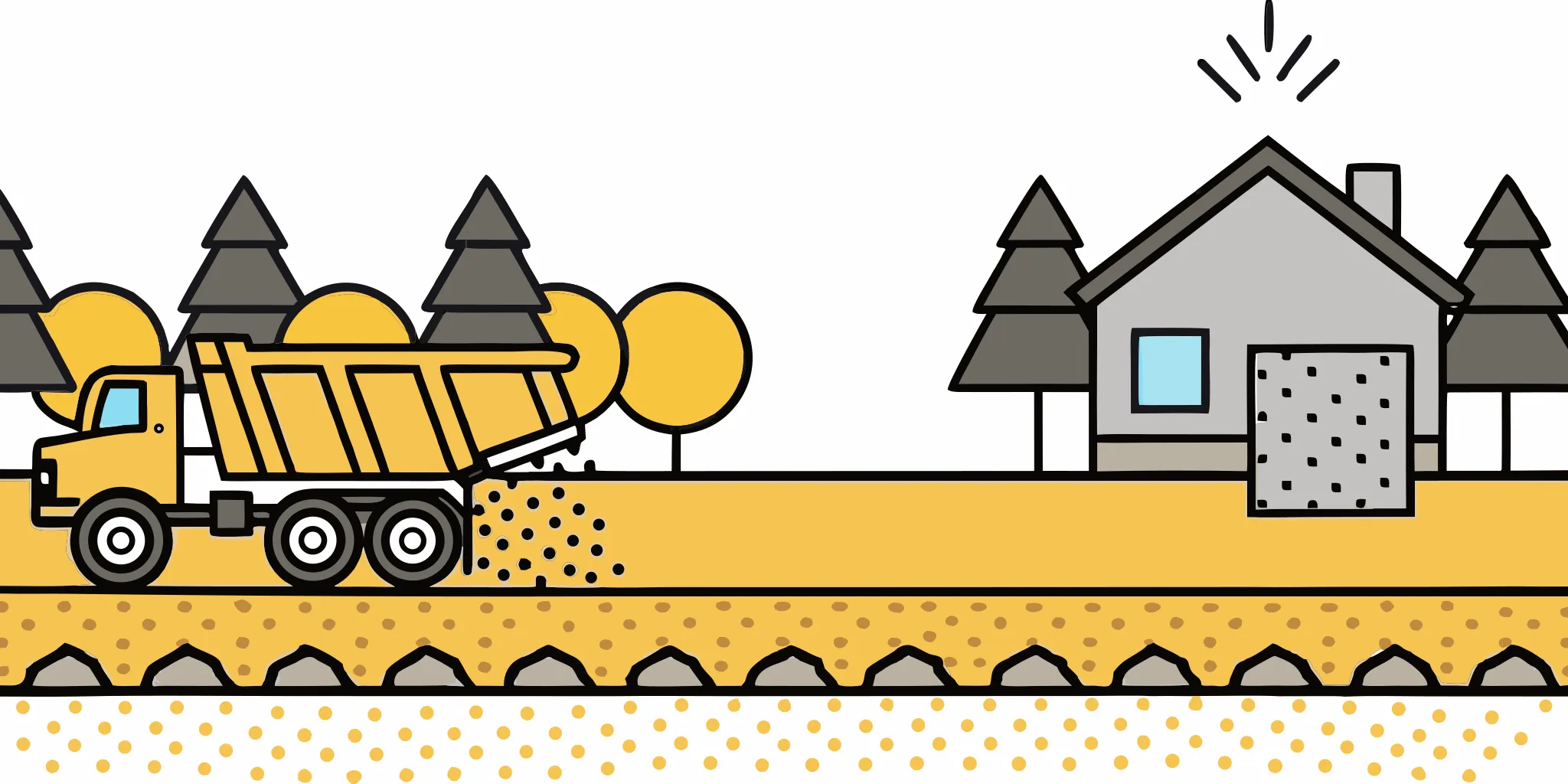
Contact Minnesota Aggregates before your project date to discuss ground conditions, site access, and the best available delivery window.
Ground firmness and soft soil
Rain and melting snow can create deep mud in your yard. A large dump truck weighs many tons when it is full. It needs a firm base to work safely and avoid sinking.
The CDC says that you must check the ground before a truck comes. This helps stop the truck from tipping over when the driver lifts the bed. A stable surface is the best way to keep your site safe.
You should clear a path that is at least 10 feet wide for the truck. This gives the driver enough room to steer without hitting anything. If your site has loose dirt, the truck may need even more space. A clear path prevents delays and keeps the job moving on time.
Lead times and rain
Rain can stall a building project for many days. If the sky looks gray, it might be best to wait for a dry day. You should try to schedule your drop at least 48 hours in advance.
This lead time helps you get the loads when the ground is dry. Planning ahead stops delays that could cost you time and money. It also gives the driver a better chance to reach your site safely.
Late spring is often a hard time to plan for a drop. The ground stays wet as the frost leaves the soil. During this time, you should have a back-up spot for your sand. A spot near a paved road or a gravel drive is often the safest choice.
Staging your drop site
Where you put your sand matters as much as when it gets there. A dry, flat spot is the best place for your load. If you put sand in a low spot, rain will pool around it.
This makes the sand heavy and hard to move later. It also creates a wet mess on your yard. Picking a high, dry spot keeps your load ready for use when you need it.
Think about how you will move the sand once it is on the ground. If the truck can drop the sand close to your work, you will save a lot of time. Just make sure there are no wires or trees above the truck.
A dump truck needs up to 24 feet of height to lift its bed. When you get local sand delivery, a ready site ensures a smooth job.
What should you include in a sand delivery quote request?
Minnesota Aggregates can prepare a more useful quote when you share the project type, estimated volume, address, site access details, preferred dates, and intended drop location.
Volume and project type
When you start looking for a sand delivery near me, you need to know how much sand you want. A good quote starts with a clear amount. You can find this by measuring the space you need to fill. Measure the length and width of the area to get a clear starting point.
To find the right amount, multiply the length, width, and depth of the area in feet. Take that total and divide it by 27 to get the number of cubic yards. This math formula helps you get the exact amount you need for your project. Knowing the exact size helps you avoid buying too much or too little sand.
You should also tell the team what the sand is for. Different jobs need different types of sand. For example, mason sand works well for mortar. Fill sand is better for leveling a yard. Giving these facts helps the team give you a better price. This ensures you get the right sand for your task.
Address and site access
Your address and site layout are also very needed for a quote. A big truck needs a lot of room to move. Most trucks need at least 10 feet of width to pass through a gate or path. If your path is tight, make sure to say so in your request. This helps the team pick the best truck for the job.
You must also check for items above the truck path. Power lines and tree limbs can block the way. Most dump trucks need 18 to 24 feet of height to lift their beds and drop the sand. Checking these things before the truck arrives keeps the driver and your land safe. This prevents delays once the truck arrives.
Safety is a big part of a smooth drop. Drivers try to avoid backing up for long paths to keep people and items safe. Make sure the ground where the sand will go is firm and flat. A stable surface helps prevent the truck from tipping while it dumps the load. Soft mud can cause the truck to get stuck.
Best dates and drop spots
When you ask for a quote, include the dates you hope to get your sand. Most companies can get items to you within the same week if you plan. It is best to call at least 48 hours before you want the sand. This lead time helps make sure a truck is free to help you. Fast delivery keeps your project on track.
Be clear about where you want the sand dropped. You can use a tarp or cones to mark the spot. This helps the driver know exactly where to go. Tell the team if there are any risks, like soft grass or pipes in the ground, that the truck should avoid. Clear notes help the driver drop the sand in the right spot for your work.
Frequently Asked Questions
Can I get sand delivered this week?
Yes, you can usually get a sand delivery this week if you plan ahead. Most orders in the Twin Cities metro need at least 48 hours of notice. This lead time lets the team at Minnesota Aggregates find a truck and plan the best route to your home. You can book your spot by calling the shop or using the online order form to ensure your sand arrives on time.
How do I find out how much sand I need?
To find the right amount of sand, you must measure your space in feet. Multiply the length by the width and then by the depth of the area. Take that total and divide it by 27 to get the cubic yards needed for the job. According to the University of Minnesota, using exact math is the best way to avoid buying too much or too little sand for your project.
How much space does a sand delivery truck need?
A dump truck needs a path that is at least 10 feet wide to enter your yard. You should also check for low tree limbs or wires above the drop spot. Trucks need about 18 to 24 feet of height to raise the bed and dump the sand safely. Keeping the path clear of cars and toys helps the driver stay safe and prevents damage to your lawn as they move the heavy load.
Can a sand delivery truck drive on my lawn?
It is best to have the truck dump sand on a hard and flat spot like a driveway. Heavy trucks can leave deep ruts or damage soft grass, especially if the ground is wet. If you need the sand in a specific part of your yard, talk to the driver about the safest path. Providing a firm and level area keeps your property in good shape and helps the truck avoid getting stuck during the drop.
Request a free sand delivery quote
Ready to move your project forward? Minnesota Aggregates helps homeowners and contractors arrange reliable sand delivery across the Twin Cities metro and surrounding Minnesota communities. Share your project use, estimated quantity, delivery address, access details, preferred timing, and drop location so the team can prepare an accurate quote and confirm availability.