
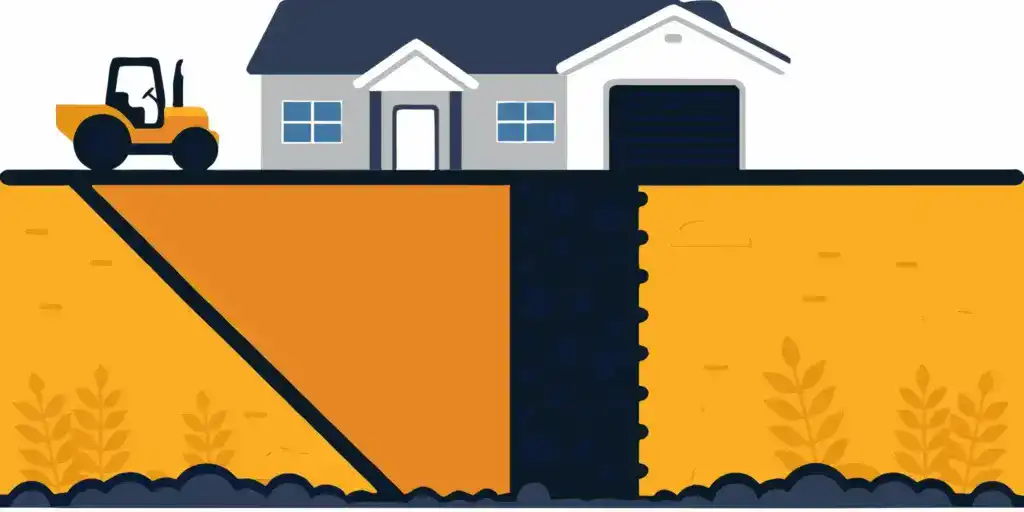
Minnesota freeze-thaw cycles expose weak driveway surfaces through fresh ruts, loose stone, and spring mud. Compacted millings usually hold their shape better, but gravel still earns its place beneath the surface.
Milled asphalt generally holds up better than gravel as a finished Minnesota driveway surface because its binder helps compacted pieces form a cohesive layer. That layer shifts and ruts less under traffic, stays cleaner, and needs less routine grading than loose gravel. Gravel remains the stronger choice for a load-bearing base and can suit projects where fast drainage or easy reshaping matters most. The EPA’s gravel road guidance notes that gravel needs the right blend of stone, sand, and binding fines to form a crust and shed water. Whichever surface you choose, correct grading, drainage, material depth, and compaction decide whether it survives repeated freezing, thawing, snow removal, and spring moisture.
The right answer depends on your site, traffic, drainage, maintenance plans, and whether you need a stable top layer, a proven base, or both. Milled asphalt vs gravel: the quick Minnesota answer compares their performance before we break down the reasons. Here’s how.
Milled asphalt vs gravel: the quick Minnesota answer
For most Minnesota driveways, milled asphalt wins when the goal is a firm, clean finished surface. Class 5 gravel wins as a strong base or a surface that is easy to grade and repair. Neither material can fix poor drainage or a weak subgrade.
The right choice depends on water flow, traffic, site access, and how the material is installed. Minnesota freeze-thaw cycles expose weak spots when water sits beneath either surface. A well-shaped base and firm compaction matter as much as the top material.
| Decision factor | Milled asphalt | Class 5 gravel |
|---|---|---|
| Best role | Finished driveway or parking surface | Base layer or repairable surface |
| After compaction | Tighter, more cohesive surface | Firm crust with the right blend |
| Drainage need | Requires careful grading and runoff control | Can shed water when properly blended and crowned |
| Traffic response | Resists loose movement once well compacted | May need grading as ruts or potholes form |
| Future changes | Harder to reshape after it binds | Easier to grade, add, and reshape |
When milled asphalt wins
Choose milled asphalt for a driveway or parking area where you want less loose stone and a more cohesive finish. It works best over a sound, graded base. Thorough spreading and compaction help the recycled asphalt pieces settle and bind into a stable surface.
Traffic can help settle the surface, but installation still sets the result. Heavy or frequent traffic calls for a strong base beneath the millings. Before ordering, review professional asphalt milling delivery details and confirm that trucks can reach the prepared site.
When gravel wins
Choose Class 5 gravel when the project needs a load-bearing base, easy repairs, or future reshaping. Gravel can also suit long rural drives and work areas that need regular grading. Its performance depends on the blend of stone, sand, and binding fines.
Those fines help form a crust that sheds water, while stone supports loads in wet conditions. The EPA gravel road guide explains why material quality and gradation matter. Gravel still needs a crown, clear drainage paths, and grading when traffic creates ruts.
Installation decides the result
Start by removing soft spots and shaping the site so water moves away from the drive. Build and compact the base before placing the finished layer. If the base pumps, holds water, or shifts, both gravel and milled asphalt will show the damage.
For many higher-traffic Minnesota sites, the practical answer is not one material alone. A compacted Class 5 base can support a top layer of millings. This pairing combines base strength with a tighter driving surface, while proper grading limits water-related movement.
What is milled asphalt?
Milled asphalt is recycled asphalt pavement that has been broken into small, graded pieces for reuse. It is also called asphalt millings or recycled asphalt. The material works well for driveways, parking areas, paths, and other firm surfaces.
What the material contains
Each load contains crushed pavement aggregate with some aged asphalt binder still on the pieces. That remaining binder helps explain why millings act differently from loose gravel. The material can settle into a tighter, more cohesive surface after correct placement and compaction.
Reusing pavement also keeps an existing material in service. The EPA has studied recycled highway materials for their economic savings, technical performance, and effects on health and the environment. Material quality still matters, so buyers should check the source and condition before ordering.
How millings differ from hot mix
Fresh hot mix asphalt is made and placed while hot, which lets its binder create a smooth paved layer. Milled asphalt arrives as loose recycled pieces instead. It must be spread, shaped, and compacted at the job site.
That difference affects both the finish and the right project fit. Millings can form a firm surface, but they should not be expected to look like new hot mix. Their final texture is more varied, and results depend on the base, grading, material, and compaction.
What compaction can and cannot do
Proper compaction presses the pieces together and helps the remaining asphalt content re-bind. Regular use and sun exposure can help the surface stabilize over time. Good drainage and a prepared base also help keep the finished area even.
Compaction does not turn every load into a sealed pavement. Poor material or weak site prep can still lead to movement and low spots. For high traffic areas, a Class 5 gravel base can support the layer above. Plan the final grade before arranging professional asphalt milling delivery.
The practical expectation is a stable recycled surface with a more natural finish than fresh pavement. It may need future re-compaction or added material as traffic and weather affect it. Those tradeoffs make milled asphalt useful when the project needs cohesion without a new hot mix surface.
How do the surfaces handle Minnesota freeze-thaw cycles?
Minnesota freeze-thaw cycles test the whole driveway, not just its top layer. Water, traffic, base strength, grading, and compaction all shape how either surface performs. Milled asphalt usually forms a tighter surface than loose gravel after proper compaction. Gravel can still work well, but its blend and upkeep matter more.
Winter stability and plowing
Compacted milled asphalt is less likely to shift or form ruts than untreated gravel. Its more cohesive surface also creates less loose dust during dry winter stretches. For snow removal, that firm surface can help a plow move cleanly without catching as much loose stone. The blade still needs careful height control.
Gravel has different strengths. A sound gravel surface needs stone for load support, including during wet conditions. It also needs sand and binding fines to form a crust that sheds water. The EPA gravel road guide explains why this blend is key. Poorly graded gravel can shift, rut, or lose material during plowing.
Spring thaw, mud, and repairs
Spring often reveals flaws that stayed hidden under snow. A weak base or poor grade can leave either surface with soft spots and standing water. Gravel may need grading when potholes and ruts form from weather and traffic. Loose fines can also create mud when drainage is weak.
Milled asphalt is more cohesive once compacted, so it tends to track less loose material into garages. It can still need added material or another round of compaction over time. Buyers should also consider material quality before delivery. This guide on where to buy quality asphalt millings covers useful purchase factors.
Base preparation and drainage
Neither surface can fix a failing base. Shape the site so water leaves the driving area, then build and compact the base before adding the finish layer. For busy driveways, Class 5 gravel can serve as the base beneath milled asphalt. Good site work helps reduce heaving, rutting, and soft areas after thaw.
Before placing either material, remove weak soil and fix low spots that hold water. Build a steady crown or cross slope where the site allows. Compact each lift instead of trying to pack one deep layer. These steps give the surface a firm start before the first hard freeze.
Drainage needs differ by site. Milled asphalt may drain better than nonporous hot-mix asphalt, but some clean crushed gravel drains more freely. The right choice depends on soil, slope, traffic, and where runoff can safely go. When the existing grade needs correction, skid steer services can support base preparation before material placement.
Installation quality matters more than the material name
Milled asphalt and gravel can both fail when crews place them on a weak, wet, or poorly shaped site. The better choice starts with a sound installation plan, not just the name on the material quote. Lift depth, base needs, and equipment should match the soil, traffic, slope, and planned use.
Plan the site before delivery
Start by checking how trucks and grading equipment will enter, turn, unload, and leave. Mark low branches, soft shoulders, overhead lines, narrow gates, and buried utilities before delivery day. Clear access helps the driver place material near the work area and limits needless handling.
Coordinate professional asphalt milling delivery with the crew, equipment, and site schedule. Material should arrive when the prepared area is ready for spreading. A pile delivered too early can block access, trap water, or add extra machine time.
A practical installation sequence
The exact plan should reflect the site. A driveway serving cars has different needs than a parking area used by loaded trucks. Follow this sequence, then adjust each stage for soil, drainage, traffic, and local conditions.
- Inspect access and subgrade. Confirm that delivery trucks can reach a safe unloading point. Remove soft spots, debris, and loose material before shaping begins.
- Shape drainage. Grade the site so water moves away from buildings and does not sit in travel paths. Water must have a clear route off the finished surface.
- Build the needed base. Add and compact a suitable base where the soil or expected loads call for one. Base material and depth depend on the project.
- Place controlled lifts. Spread gravel or milled asphalt in even layers that the available roller can compact. Do not use a fixed lift depth without checking site needs.
- Compact each lift. Make steady, overlapping passes while checking grade, edges, and soft areas. Thorough compaction helps milled asphalt form a tighter, more cohesive surface.
- Check and correct. Inspect drainage, smoothness, and edge support before equipment leaves. Fix low spots or loose areas while the crew and material are still onsite.
Compaction, drainage, and weather
Compaction cannot correct a poor base or bad drainage. It locks a well-built layer together, but water still needs a planned path away. The EPA’s guide to gravel roads explains that a proper blend helps a surface form a crust and shed water. That same drainage-first mindset matters when installing milled asphalt.
Weather also affects the work. Avoid placing material over saturated, frozen, or unstable ground, since the surface may hide weak areas below. Rain can interrupt grading and compaction, while dry conditions may change how crews manage dust and moisture.
Plan lift depth and roller choice with the installer instead of copying a standard number from another project. Before ordering, confirm area dimensions, intended use, site access, base condition, and drainage plan. These details help the supplier estimate material and schedule the right delivery approach.
Which option needs less maintenance?
For most well-built driveways, compacted milled asphalt usually needs less routine care than loose gravel. Its tighter surface resists shifting and rutting, while gravel often needs grading after traffic and harsh weather.
Routine grading and replenishment
Gravel depends on the right blend of stone, sand, and binding fines. Those fines help form a crust that sheds water, as this EPA gravel road guide explains. Traffic, runoff, and snow removal can still move loose material away from high-use areas.
As gravel shifts, the surface may need grading to restore its crown and smooth shallow ruts. Low spots may also need fresh material. Compacted milled asphalt forms a more cohesive surface, so routine grading is less common. It may still need occasional recompaction or a material top-up.
Potholes, ruts, and snow plowing
Repair needs depend on drainage, base strength, traffic, and installation quality. A gravel pothole often needs loose debris removed before fresh gravel is added, shaped, and compacted. Simply filling the hole without fixing trapped water can lead to another repair.
Damage in a milled asphalt surface also needs prompt attention. Crews can loosen the damaged area, add compatible material, then compact it into the surrounding surface. Good site preparation and skid steer services can help correct grades that send water toward recurring low spots.
Snow plowing takes care with either option. Set the blade slightly above the surface until the driveway is frozen and firm. This reduces the chance of scraping loose gravel or millings into the yard. Marking driveway edges also helps operators follow the surface during deep snow.
Service life and seasonal care
Neither surface has a fixed service life. Base conditions, water flow, traffic weight, plowing habits, and compaction all affect how long it performs. Milled asphalt often stays stable with less frequent reshaping once it has been spread and compacted well.
Gravel can also serve a driveway well, but it usually asks for more hands-on seasonal care. Inspect either surface after spring thaw and heavy rain. Look for standing water, edge loss, potholes, and new ruts before small issues spread.
Plan replenishment around actual wear rather than a set calendar. When milled asphalt needs a top-up, arrange professional asphalt milling delivery after checking access, required depth, and the area that needs repair.
How should you compare project costs?
Compare the full installed cost, not just the listed price for milled asphalt or gravel. A low material price can lose its advantage once delivery, site work, and compaction are added. A useful quote should show what is included and what may change after the site is checked.
Material and delivery variables
Material availability can shift from one project date to the next. Quantity also matters because the required depth, compacted coverage, and load size affect how much material the job needs. Delivery distance and the number of truckloads then shape the hauling portion of the quote.
- Type and current supply of material
- Total area, planned depth, and compacted quantity
- Truck capacity and number of loads
- Distance from the material source to the site
- Room for trucks to enter, turn, and unload
- Timing needs and jobsite coordination
For a closer comparison, ask each supplier to quote the same area, depth, and scope. Planning professional asphalt milling delivery around safe truck access can also prevent delays. Share narrow gates, low branches, steep slopes, or soft ground before the delivery date.
Site work and base needs
Material is only one part of a durable surface. A soft, rutted, or poorly drained site may need grading or base correction before the top layer goes down. Skipping that work can make a cheaper quote less useful over time.
The existing base should be checked for strength, shape, and drainage. The EPA notes that quality surface gravel needs stone for strength under loads, especially in wet weather. A weak base may need added Class 5 gravel before milled asphalt is placed.
Also compare the labor and equipment included in each scope. Grading shapes the surface and helps direct water away from the travel path. Spreading controls depth, while compaction helps the finished layer bind and stay in place. If the site needs these tasks, a quote that includes skid steer services may offer a clearer project total.
Installed value over time
Judge each option by its expected use, upkeep, and likely repair needs. A driveway with regular vehicle traffic has different needs than a light-use path or overflow parking area. Milled asphalt can form a tighter surface after proper compaction, while gravel may need grading as ruts and potholes appear.
Ask whether the quote covers base repair, final grading, spreading, compaction, and cleanup. Then confirm how added material or extra equipment time would be handled if site conditions change. This makes competing quotes easier to compare without relying on a single price per ton.
A tailored quote should start with the site’s size, planned use, access, and current base condition. Provide photos and measurements when possible, then ask for a site review if drainage or base strength is unclear. That approach gives you a more useful cost comparison and helps keep the work on schedule.
How to choose the right driveway surface
Choose a surface based on how the site works, not just how it looks. Start with traffic, drainage, upkeep, access, and the condition of the current base. Also consider future plans for the space before ordering material.
Match the surface to daily use
Milled asphalt suits driveways and parking pads where a firm, tidy surface is the main goal. Once spread and compacted, it forms a tighter surface than loose gravel. That can help busy residential drives and work areas resist routine shifting.
Gravel remains a practical choice for long rural drives, flexible layouts, and projects that may change later. The material blend matters as much as the surface choice. The EPA gravel roads guide explains that stone, sand, and binding fines help gravel form a crust and shed water.
Contractors and homeowners should also think about the weight and frequency of expected traffic. A high-traffic drive may need a sound Class 5 gravel base beneath milled asphalt. Parking pads also need enough room for vehicles to turn without pushing material beyond the edges.
Check drainage and future plans
Surface material cannot fix poor grading on its own. Before choosing, note low spots, soft areas, runoff paths, and water that collects near buildings. Milled asphalt can drain better than a sealed surface, but some clean crushed gravel may let water pass more freely.
Future work can change the best choice. Gravel is easier to reshape if you expect trenching, an addition, or a wider drive. Milled asphalt may fit better when the layout is set and you want a more cohesive finish. Review other innovative uses of asphalt millings when planning paths or work areas near the drive.
- Choose milled asphalt for a defined drive or parking pad where a firm, compacted surface matters.
- Choose gravel when easy reshaping, phased work, or a long rural route is the main concern.
- Plan a base layer when traffic is heavy or the current ground is soft and uneven.
- Fix drainage first when runoff crosses the drive or water stays in low spots.
Plan delivery and site access
Confirm that delivery trucks can reach a safe unloading point before setting the project date. Check gate width, overhead branches, soft shoulders, steep grades, and room for a truck to turn. Keep cars, trailers, and stored materials away from the drop area.
Order timing should leave room for grading, delivery, spreading, and compaction. Minnesota Aggregates lists a typical delivery window of three to four business days, with rush options available. Discuss volume and access when arranging professional asphalt milling delivery so the material arrives where crews can use it.
Do not schedule the load before the site is ready. A prepared base and a clear unloading area help crews move from delivery to placement without delays. If the drive needs grading first, include that work in the schedule rather than treating it as a last-minute fix.
Frequently Asked Questions
How much does 1 ton of milled asphalt cover?
Coverage from one ton of milled asphalt depends on the planned depth, material density, and how much it settles during compaction. Measure the area’s length and width, then confirm the required compacted depth with the supplier. A supplier can convert those details into a tonnage estimate and account for site conditions or material variation.
What is the cost of milled asphalt per ton?
Milled asphalt commonly costs about $10 to $20 per ton for the material, according to this asphalt millings cost overview. Actual prices vary with local supply, demand, delivery distance, and order size. Compare complete quotes that include hauling, site preparation, spreading, and compaction rather than choosing by the material price alone.
Do milled asphalt driveways last long?
A properly prepared and compacted milled asphalt driveway can provide a long-lasting surface in Minnesota. Its actual service life depends on drainage, base strength, traffic weight, compaction, and snow removal practices. Inspect the driveway after spring thaw and heavy rain. Occasional re-compaction or added material may be needed when low spots, edge loss, or wear appear.
Can milled asphalt be installed over gravel?
Yes, milled asphalt can be installed over a sound, properly graded gravel base. Class 5 gravel is often used beneath millings when traffic or soil conditions require added support. Before placement, repair soft spots, correct drainage, shape the grade, and compact the base. Millings placed over loose, wet, or uneven gravel may develop ruts and low areas.
Ready to Schedule Your Driveway Material Delivery?
Waiting to choose your driveway material can push grading, compaction, and other project steps into a tighter window before Minnesota weather changes. Starting now gives you time to compare milled asphalt and gravel, estimate the right quantity, and plan delivery around site access. A clear material and delivery plan helps prevent idle equipment, extra handling, and rushed decisions once work on your driveway begins.
Ready to keep your driveway project moving on a practical timeline? Request a free quote to discuss your material choice, estimated quantity, delivery location, and preferred delivery schedule. Contact Minnesota Aggregates today so you can confirm the next steps before arranging labor, equipment, grading, and compaction for your project.