
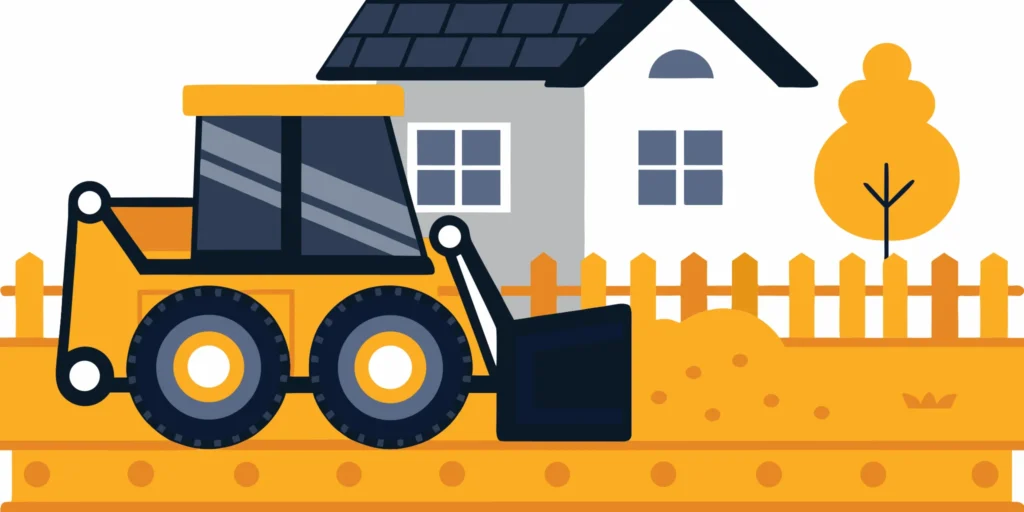
Soft ground and spring washouts can ruin a new driveway before the first material truck arrives. Skipping the prep work often leads to uneven surfaces and costly material waste.
Many owners wonder if they can skip the prep work and just dump dirt on the ground. But failing to level the site can lead to deep ruts and standing water that damage your home. Knowing Why Landscape Grading Is Critical for Minnesota Properties will help you decide when to add expert help.
Why Landscape Grading Is Critical for Minnesota Properties
Landscape grading is the key process of leveling and sloping your land to ensure water flows away and the base stays firm. Good grading stops water from pooling near walls or washing away new gravel and dirt. Adding skid steer service to your order lets an expert spread, pack down, and slope the site in one visit. This is a vital step for any large yard project. Proper professional land grading is critical for long-term project stability in Minnesota’s freeze-thaw climate because it controls how water moves across the dirt. This prep work protects your yard by building a strong base that holds up against rain and sinking over time. Using a skid steer ensures your work meets high standards for drainage and strength before the top layer goes down.
Landscape grading is the act of leveling or sloping the ground to prepare a site for use. For people in Minnesota, this step is key for project stability. Good grading ensures that water moves away from buildings and stays off busy areas. Without it, new soil, gravel, or sand may not work as well as they should. Getting professional yard prep done before you spread materials helps your work last longer.
Protect your home foundation
The main goal of grading is to control how water flows across your yard. Ground should always slope away from a building base to ensure good water flow. When the ground is flat or slopes toward the house, water pools near the walls. This can lead to wet basements or cracks in the floor over time. By fixing the slope first, you stop water from sitting where it can do the most harm.
Poor grading often leads to soil loss, which can cause damage to your home. Based on facts from the University of Minnesota Shoreland Guide, planning ahead can stop problems that cost a lot to fix later. A good slope stops water from carving deep paths through your dirt or fresh asphalt millings.
Survive the freeze-thaw cycle
Minnesota has a climate that puts a lot of stress on the ground. The freeze-thaw cycle causes soil to grow and shrink as the heat changes. If water stays in the soil due to poor drainage, it can heave and move your yard. Proper grading is vital for long-term project stability in this tough local area.
Spring runoff often causes washouts that ruin driveways and lawns. Grading and leveling should be done to create good drainage slopes that can handle this extra water. Using specialized equipment to set these slopes ensures the work is right. This prep work keeps your materials in place even when the snow melts fast in the spring.
Prepare for new materials
Good grading is the first step for a new lawn or driveway. It creates a smooth, flat surface that makes it easy to spread black dirt or Class 5 gravel. If the base is not even, you will likely have low spots that turn into mud. Setting the right slope first means your new materials will stay flat and look great for a long time.
Rough Grading vs. Final Grading: Understanding the Site Prep Steps
Rough grading shapes the underlying subsoil to establish critical drainage slopes, while final grading smooths a thin layer of topsoil for seed or sod. Together, these stages ensure water flows safely away from structures and prevent shifting during the freeze-thaw cycle.
Rough grading and final grading are two key steps in site prep. Rough grading sets the shape of the land. It moves big piles of dirt to create the right slopes. Final grading is the last touch. It preps the top layer of soil for grass or plants. Both are part of professional land grading. This work keeps your yard stable and dry throughout the year.
Proper prep is even more vital in the North. Local landscape grading is key for project firmness in our freeze-thaw climate. When the ground freezes and thaws, soil can shift. Good grading stops this from hurting your yard or home. It ensures water flows away and does not pool. This saves you from costly repairs down the road.
The Rough Grading Phase
Rough grading is about the big picture. An expert uses heavy tools to move subsoil. They set the general height and slope of the ground. This step is vital to keep water away from your home. A common rule is to have at least a 2% slope away from the house foundation. This keeps your basement dry and stops soil from washing out. Rough grading also clears out large rocks or roots that might cause problems later.
During this stage, the expert shapes the land for later use. They might build up areas for a new shed or level a spot for a patio. They also look for low spots where water might sit. Fixing these now is more simple than doing it later. The goal is to create a solid base that won’t sink or shift over time. This heavy work sets the stage for all the beauty that comes next.
The Final Grading Stage
Final grading happens right before you plant. It smooths out the rough layer to create a soft bed for seeds. While rough grading moves subsoil, final grading uses topsoil. It is common to save and pile topsoil during the first stage so you can reuse it now. This layer should be free of clumps and debris. It creates the flat surface needed for a lush lawn or garden. Proper machine operations ensure this layer is spread even and thin.
This phase is where the yard starts to look finished. The expert uses smaller tools or parts to smooth the surface. They make sure the soil is firm but not too hard. This helps roots grow deep and strong. They also ensure the fine grading meets up with curbs, walks, and driveways. This level of detail is what makes the yard look like an expert did the job.

Steps for Expert Landscape Grading
Getting a yard ready takes a clear plan and the right gear. You can even bundle skid steer services with your supply delivery to save time. This ensures your dirt or gravel is spread and packed in one visit. Here is how an expert uses a skid steer to get the best results:
- Site Clearing and Debris Removal: The operator clears away existing brush, sod, and large boulders to expose the bare subsoil.
- Subsoil Excavation and Shaping: Using the skid steer’s bucket, the operator cuts high spots and fills low depressions to build the foundational slopes.
- Laser Slope and Grade Verification: The team uses advanced laser levels to verify that the ground slopes drop at least 2% away from structures.
- Topsoil Spreading and Leveling: After the rough subgrade is set, a uniform layer of nutrient-rich topsoil is spread across the entire zone.
- Aggregate Placement and Packing: If constructing a base, materials like Class 5 gravel are placed, leveled, and compacted to prevent shifting.
- Final Soil Conditioning and Raking: A final pass with a soil conditioner or power rake removes small gravel and clumps, leaving a clean bed ready for seed or sod.
Proper grading is the start of a good lawn. It keeps the land firm and the water moving. When you know these steps, you can plan your project with ease. Hiring an expert ensures the job is done right the first time.
When Is Landscape Grading Necessary Before Material Delivery?
Landscape grading is necessary before material delivery if your yard has soft soil, deep ruts, uneven slopes, or pooling water. Proper grading creates a firm, uniform subgrade that prevents heavy materials like Class 5 gravel or black dirt from sinking, washing away, or settling unevenly.
Many people think site prep is just about clearing brush. But if you plan to order heavy materials like Class 5 gravel or black dirt, you must look at the ground first. Dumping tons of material on an uneven site creates problems that are hard to fix later. Good professional land grading makes sure your project starts on a firm, level base.
Creating a Stable Base
You should grade your site before delivery if the ground is soft or uneven. Minnesota ground freezes and thaws every year. This moving soil can cause your new driveway or patio to shift or crack in the spring. Without a level base, your new materials will not sit right. This leads to soft spots where water can pool and ruin your work.
Providing a flat area helps you get the most out of your order. When you dump black dirt on a slope, it can wash away during the next rain. By using landscape grading to level the area first, you keep your soil where it belongs. You may also want to use a yardage calculator to see how much extra you need. Most experts suggest adding about 5-10% more material to account for settling and changes. This extra buffer ensures you do not run short during the final stages of your project.
Solving Drainage Issues
You must also think about where water goes on your property. Yard slopes that point toward your home create a high risk of water damage. It is best to fix these slopes before you put down new sand or gravel. A common rule is to keep a 2% slope away from your foundation for at least 10 feet. This helps keep your basement dry and protects your home.
Spring runoff can cause deep washouts in a yard. If you try to fill these holes without grading first, the water will just push the new material out. Good grading builds a path for water to flow safely away from your project. This is key if you live near hills or have a large roof that sheds a lot of rain.
Ensuring Proper Material Placement
Getting your materials delivered is just the first step. If the site is not ready, the driver may have to dump everything in one big pile. This makes it harder for you to spread and pack the material later. It can also lead to uneven depth across your project area. When some spots are thicker than others, the surface will not wear evenly over time.
Using professional skid steer equipment can save you time and hard work. A machine can level the site and spread the material in a single visit. For materials like Class 5 gravel to work well, they must be packed down tight. It is hard to do this by hand on ground that was not graded first. When you bundle machine services with your delivery, you make sure your project lasts.
Skid Steer Grading vs. Manual Site Prep: A Side-by-Side Comparison
Skid steer grading is superior to manual site prep because machines complete heavy earthmoving in hours instead of days. A skid steer provides the necessary weight for deep soil compaction and the grading precision needed to establish accurate drainage slopes that hand-shoveling cannot match.
Preparing a site for a new driveway or patio is a big job. You must choose between doing the work by hand or hiring skid steer services. Small tasks are easy to do with a shovel. But most landscape grading projects in Minnesota need more power. The heavy soil and the need for a firm base make machines a better choice for most people.
Why speed and power matter
Moving dirt by hand is slow and tiring. One person with a rake can only move a small amount in a day. Heavy materials like Class 5 gravel or asphalt millings are hard to shift by hand. These materials weigh thousands of pounds per load. A skid steer can spread an entire truckload of rock in minutes. Doing this by hand could take many hours. Using a machine keeps your work on track and saves your back. You can finish a job in one day that might take a week with a shovel.
Choosing the right tool for heavy materials
Gravel and black dirt need proper placement to work well. If you just dump them and spread them by hand, they may not pack down. A skid steer has the weight to push materials into a flat, tight layer. This is vital for compacting rock so it stays solid under a car. Proper professional land grading also helps water run off your lot. Experts say ground should slope away from a house at a 2% grade for at least 10 feet (University of Minnesota Extension). This helps stop water from pooling near your home.
Grading precision and drainage quality
Hand grading often leaves small dips and bumps in the dirt. These low spots can catch water and cause soft areas or ice patches. In the Minnesota freeze-thaw cycle, good landscape grading is key for long-term project strength. A skid steer operator can create a smooth, even slope that moves water well. This level of skill is hard to hit with just a rake. When you use a machine, you get a base that is ready for a top finish. You won’t have to worry about water sitting in your yard after a storm.
| Criteria | Manual Site Prep | Skid Steer Grading |
|---|---|---|
| Time Spent | Several days of hard labor. | Completed in a few hours. |
| Physical Effort | Very high; risks back strain. | Low; machine does the work. |
| Grading Precision | Often has bumps and dips. | Smooth and even surface. |
| Compaction Quality | Light and often uneven. | Firm and solid base. |
Before you start, use our cubic yardage calculator to find out how much material you need. Adding 5-10% more is a good way to cover for grading needs. If you are ordering heavy loads of rock or dirt, bundling skid steer work with your delivery is the best path. It ensures your site is ready for the next step without the wait or the pain of hand work. You get a result you can trust and a project that stays level for years.
Minnesota’s Freeze-Thaw Cycle and Site Access Challenges
Minnesota’s intense freeze-thaw cycles heave wet, uncompacted soil, causing driveways and patios to shift. Pre-delivery landscape grading redirects spring runoff and spring rain away from structures, while lightweight skid steers transport aggregates across damp ground to prevent deep lawn ruts.
Minnesota weather has special risks for any outdoor project. The strong cycle of ice and thaw can shift soil and damage your hard work. In the spring, melting snow often leads to heavy runoff. Without proper landscape grading, this water can cause soil washouts and deep ruts. These problems make it hard for trucks to reach your site. They may also ruin new supply drops.
Solving Water Issues with Correct Slopes
Water control is the main goal of expert land grading. If your yard is flat or slopes toward your house, water will pool near the walls. This can lead to foundation damage or damp basements. To prevent this, your ground should slope away from your home. Experts at the University of Minnesota Extension suggest a 2% slope for at least 10 feet. This small change in height keeps water moving toward safe drainage areas.
Correct slopes also stop soil erosion during heavy rains. When water flows too fast over loose dirt, it carries the soil away. This is common on steep hills or where grass is thin. Proper grading creates a stable path for runoff. Using a mix of supplies like Class 5 gravel can help lock the ground in place after the grading is done.
- Prevents water pooling near foundation walls.
- Reduces soil washouts during spring runoff.
- Creates a smooth surface for lawn care.
- Protects driveways from shifting during freeze-thaw cycles.
Managing Site Access and Soil Health
Getting heavy loads of gravel or dirt to your backyard can be tough. In the spring, the ground is often too soft to support large trucks. Driving on wet dirt causes deep ruts and packs the soil down too tight. This soil packing makes it hard for grass to grow. The roots cannot get air or water. It is best to avoid working with soil when it is too wet to keep the land healthy.
Expert skid steer services help solve these access problems. A skid steer is smaller and lighter than a dump truck. It can move supplies from the curb to the back of your lot without causing as much damage. This is key when the site is tight or the ground is damp. Using smaller loads can also help protect your lawn and paths from the weight of heavy machines.
Before your delivery, check your site for low spots or soft areas. If the ground feels spongy, wait for a few dry days. Taking the time to plan for these weather problems will save you from costly repairs later. You can use our cubic yardage calculator to plan your load size and avoid overfilling wet areas.
How to Estimate Material Volume and Prep Your Delivery
To estimate aggregate volume, calculate length times width times depth in feet. Divide by 27 to get cubic yards, and add a 10% to 20% buffer for compaction and grading. Preparing your site involves clearing debris, marking dump zones, and scheduling pre-delivery grading.
Use the cubic yardage calculator
Planning is the first step for any project. You need to know how much dirt, sand, or gravel to buy. To get the right amount, you must measure your space first. Measure the length, width, and depth in feet. Then, use our cubic yardage calculator to find the total volume you need.
Always add a little extra to your order. We recommend adding 5-10% more supplies than your basic numbers show. This extra amount helps with professional land grading and accounts for compaction. When you spread and pack down the supplies, it will take up less space. Having extra on hand ensures you do not run out before the job is done.
Prepare for landscape grading
Good prep work leads to a better project. Proper landscape grading helps water flow away from your home. This prevents water from pooling near your foundation. You should aim for a slope that drops at least two percent for the first ten feet. This small change makes a big difference in how your yard handles rain.
If your ground is very uneven, you might need help. Professional skid steer services can clear the site and level the dirt quickly. A skid steer ensures your base is flat and ready for new supplies. This tool is also great for packing down Class 5 gravel so it stays in place. Doing this work before drop-off makes the final steps much easier.
What to expect for delivery
Once you know how much you need, you can schedule your drop. Clear a path for the truck before it arrives. The driver needs a wide, flat spot to dump the supplies. Check for low branches or wires that might get in the way. A clear site helps the driver work fast and keeps everyone safe.
We serve the Twin Cities metro and Greater Minnesota. Our team can help you pick the best spot for your material pile. If you bundle drop-off with skid steer work, we can spread the supplies right away. This saves you time and ensures your project gets off to a strong start.
Frequently Asked Questions
How much does landscape grading cost?
Professional landscape grading costs vary based on site size, soil conditions, and project complexity. Most companies provide custom estimates that bundle skid steer services with aggregate delivery to keep costs manageable and ensure proper base preparation.
Can I grade my yard myself?
While small leveling tasks can be managed with hand tools, major landscape grading requires heavy equipment like a skid steer. Hand shovels cannot efficiently move large loads of gravel or clay base, and a professional operator is needed to achieve the correct compaction and drainage slopes.
Is regrading a yard enough to stop water pooling?
Regrading is the most effective way to eliminate pooling water by directing surface runoff away from structures. In Minnesota, ground slopes must drop at least 2% (2 inches per 10 feet) to prevent water from saturating foundation walls or creating muddy spots.
How much extra material should I buy for grading?
We recommend ordering an extra 10% to 20% of materials like Class 5 gravel, black dirt, or fill sand to account for compaction, uneven subgrades, and settling. This buffer prevents project delays by ensuring you have enough aggregate to establish an even slope.
Ready to book your landscape grading?
Skipping site prep now can lead to big problems later. Standing water or shifting ground can ruin your hard work very fast. If you do not grade the land first, you might waste new dirt or gravel. Those materials could just wash away during the next heavy storm. Our team helps you set up your yard the right way. This keeps your materials in place so they look great for many years. Getting this work done before delivery keeps your project on track. You will not have to deal with costly repairs down the road. We make it easy to get your site ready for your next big task. Do not wait for your materials to arrive before you check your slope. Our professional service ensures your ground is level and drains well from the start.
Ready to move forward? Call (612) 772-3677 to request your free quote today.