
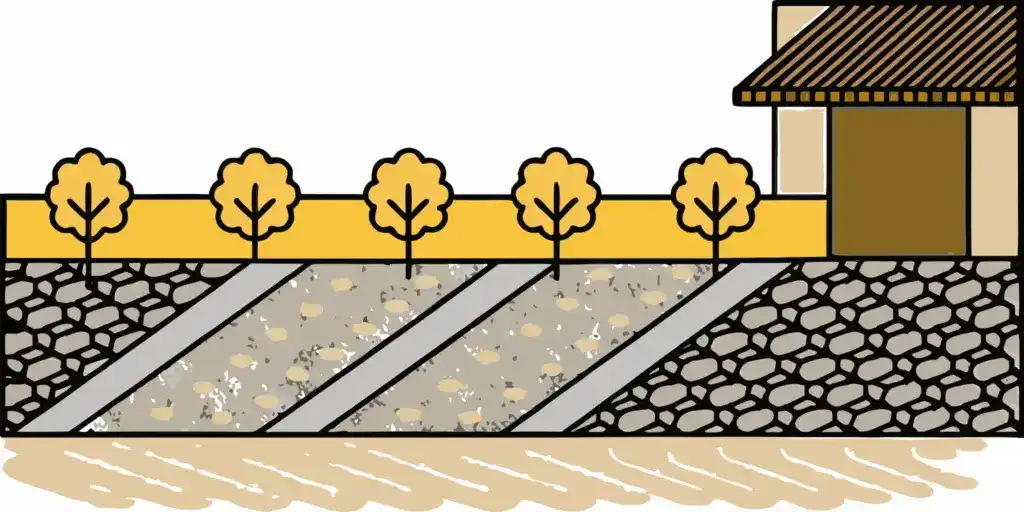
Choosing the wrong material can leave your driveway full of deep ruts after heavy rain. A clear gravel size chart helps you pick the right stone for drainage or support. This ensures your project stays on schedule and avoids costly repairs later.
Request a free gravel delivery quote from Minnesota Aggregates and get help choosing the right material for your Minnesota project.
A gravel size chart shows the exact sizes of rock types used for driveways, road bases, and yard landscaping projects. These charts sort rocks by their width, usually ranging from fine dust to large rocks over two inches wide. In Minnesota, picking the right size is vital because rock must meet rules like MnDOT Class 5 standards. This helps ensure long-term strength and good drainage. Most home driveways work best with 3/4-inch crushed stone, which offers a balance of firmness and grip. Larger rocks like #4 stone provide base support, while smaller ones like pea gravel work well for paths. Using a common chart prevents errors and helps you find the right material to keep your project on track.
Choosing stone involves more than picking colors, since you must know how different sizes help drainage and support heavy trucks. The following Gravel size chart: common sizes and best uses gives the details needed for a good choice. The guide starts by
Gravel size chart: common sizes and best uses
Choosing the right aggregate depends on more than just how it looks. The size of the stone affects how well it drains water, how much it packs down, and how stable it feels. A helpful gravel size chart can guide you through these choices so you pick the best material for your site.
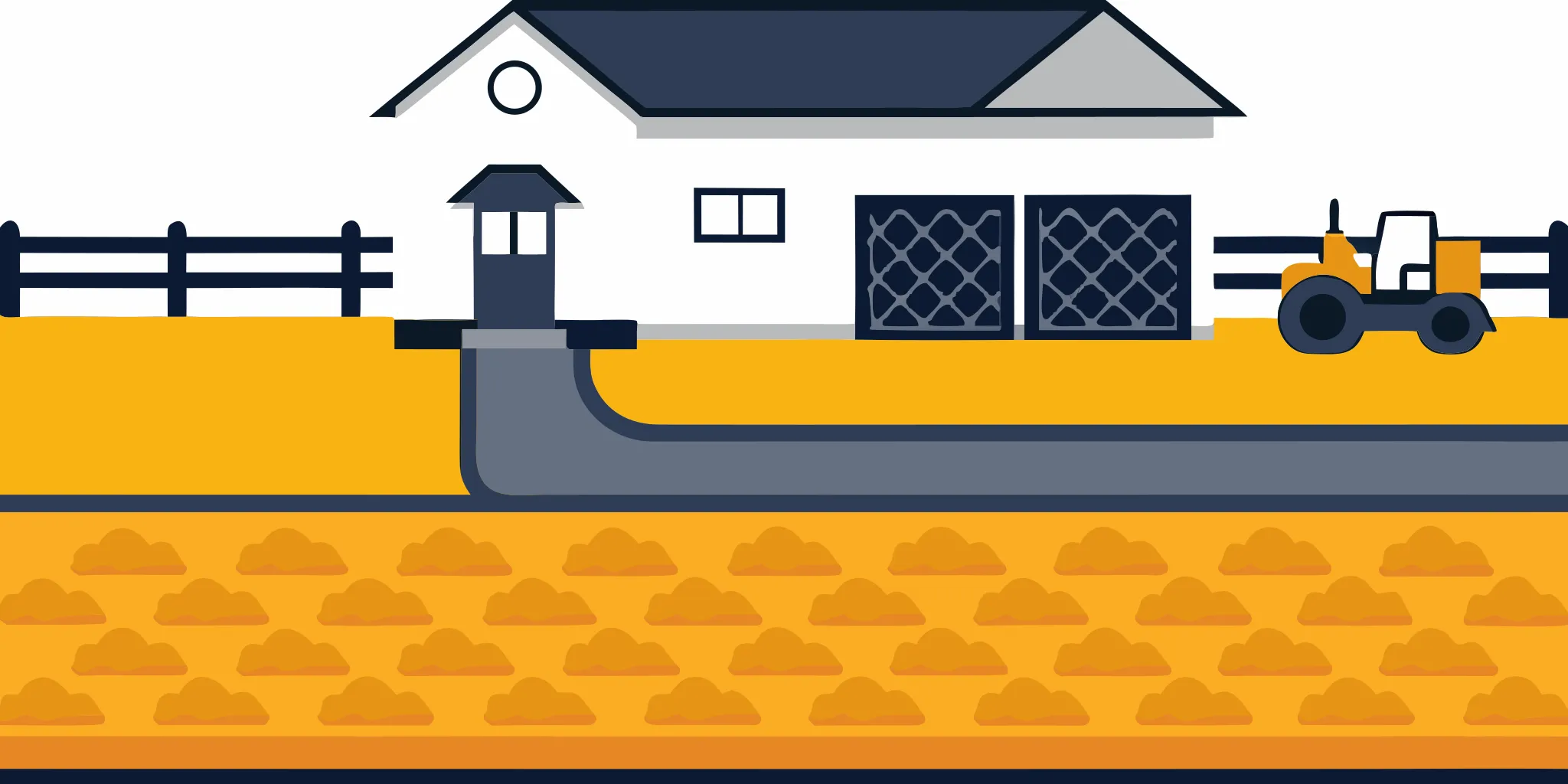
Common gravel sizes and their roles
Most projects use stones ranging from fine dust up to large rocks. Small sizes, like pea gravel, are often between 3/16 inch and 3/8 inch. These smooth stones work well for paths where people walk. Larger crushed stone, which is often 3/4 inch or bigger, gives the strength needed for heavy trucks and cars.
For foundations and road bases in Minnesota, many pros use Class 5 gravel. This mix follows state standards for quality and performance to ensure it holds up over time. It includes a blend of stone sizes and “fines” to help it pack tight and stay in place.
Comparing stone sizes and uses
This chart shows common sizes you will find from local shops. Note that names can change depending on your area and the specific quarry. Use this as a guide to match the stone size to your project needs.
| Gravel Type | Size Range | Compaction | Best Use |
|---|---|---|---|
| Pea Gravel | 3/16″ to 3/8″. | Low. | Walks and play areas. |
| Crushed Stone | 1/2″ to 3/4″. | Medium. | Driveway top layers. |
| Class 5 Gravel | 1″ down to fines. | High. | Road and drive base. |
| Large Ballast | 1.5″ to 2.5″. | Low. | Drainage and rail beds. |
Selecting the right fit for your site
When you build a new path or driveway, the base layer is the most vital part. Using the driveway gravel selection guide helps prevent ruts and sinking. Most base layers use a 1.5-inch stone or a dense mix like Class 5 to create a solid floor for the top stone.
If you are not sure how much material you need, you can use a cubic yardage calculator to get a count. Getting the size and amount right from the start saves time and keeps your work on track. Proper sizing ensures your project looks good and lasts through the year.
What gravel size is best for a driveway?
Picking the right stone size is the first step to a strong driveway. If the stones are too big, they can be hard to drive on. If they are too small, they might wash away in the rain. Most driveways need a mix of sizes to stay firm and drain well. You will often see these sizes listed on a gravel size chart to help you choose the best fit.
How to read a gravel size chart
A gravel size chart shows the range of stone sizes in a mix. Some charts use numbers like #57, while others use inches. In Minnesota, we often talk about “minus” sizes. For example. 3/4-inch minus means the mix has stones up to 3/4 of an inch plus smaller bits called “fines.” These fines are tiny bits of stone and sand that help the larger rocks lock together. You can learn more about these choices in our guide on the how to choose gravel for a driveway.
When you look at a chart, focus on two things: the top size and the fines. Clean stone has no fines and lets water flow through fast. Stone that packs down has fines and creates a hard, solid surface. For most home driveways, a mix that packs down is the best choice for the top layer. It stays in place and handles the weight of cars without shifting.
The best size for a driveway base
The base is the main part of your driveway. It must be thick and strong to hold heavy trucks and cars. In Minnesota, Class 5 gravel is the top choice for this layer. According to the Minnesota Local Technical Assistance Program, Class 5 is a common spec because it has even quality and strength. It mostly features stones up to 3/4 of an inch in size.
The strength of Class 5 comes from its fines. This stone mostly has 8 to 15 percent of bits that can pass through a very fine screen. When you spread and pack this gravel, the small bits fill the gaps between the larger stones. This creates a dense mat that stops ruts and holes. This layer should be at least 4 to 6 inches thick to keep your driveway level over time.
Choosing a surface stone size
For the top layer of your driveway, 3/4-inch gravel is the most common size. It is big enough to stay put under tire pressure but small enough to walk on with ease. This size also offers a good mix of strength and drainage. If you choose stones that are much larger, like 1.5 inches, the surface can feel bumpy. If you use very small stones like pea gravel, they may shift and roll under your tires like marbles.
If your driveway is on a steep hill, you might need a larger stone or a mix with sharp edges. Crushed stone works better than round river rock because the sharp edges hook into each other. This stops the stone from sliding down the slope during a heavy storm. Proper roadway shape also helps water drain off the surface to keep the gravel in good shape. Using the right size makes sure your driveway looks great and lasts for years. If you are not sure how much stone you need, our cubic yardage calculator can help you find the right amount for your project.
Choosing road base for Minnesota freeze-thaw cycles
Road base gravel must support traffic and give water a path away from the driving surface. In Minnesota, that matters because wet soil, spring thaw, and repeated freeze-thaw movement can leave a weak base soft or uneven. The right road base gravel size depends on the load, the soil below it, drainage, and the surface you plan to finish with.
How to choose a road base gravel size
For many driveway and private-road bases, start with a compactable blend. Class 5 gravel combines angular crushed aggregate with smaller particles, or fines, that can fill voids and compact into a dense base. It is a different job from clean, single-size stone used mainly for drainage or decorative work. Class 5 gravel delivery can be a practical option when your project needs a firm base, but the correct material still depends on site conditions and intended use.
Use these questions to narrow the choice:
- What will use the surface? A homeowner driveway, delivery lane, or equipment area may need a more durable base than a light-use path.
- How will water leave the area? A compactable aggregate cannot solve a drainage or soft-subgrade problem by itself. Plan the grade and drainage before the material arrives.
- What surface goes on top? A gravel finish, asphalt, or another surface can change the base preparation and material requirements. If you are unsure, ask for project-specific guidance before ordering.
Layering and packing
Prepare the subgrade, remove soft spots, establish the planned grade, and spread the base in manageable lifts. Compact each lift before adding the next one. The required depth is not one-size-fits-all; soil strength, traffic, drainage, and intended finish all matter.
Professional grading can help prepare the area and place material consistently. Skid steer services may be useful when the project needs grading, spreading, or site preparation. Use the cubic yardage calculator to estimate quantity, then confirm the order based on the actual site.
Handling freeze-thaw shifts
Keep the surface shaped so water can move away rather than sit in low spots. Maintain the crown or slope after heavy rain, repair areas that soften or rut, and address drainage before adding more stone. A well-compacted base helps, but it cannot replace a stable subgrade and a plan for water.
For driveway surface maintenance, a fresh layer of the appropriate top material may be more useful than adding base material blindly. Review the best gravel for driveway guide for surface considerations, or contact Minnesota Aggregates at 612-772-3677 to discuss the right road base gravel size and delivery plan.
Which gravel sizes work for landscaping and drainage?
Choosing the right stone is key to a project that lasts. A good gravel size chart helps you pick materials based on how they look and how they handle water. For most yards, you must decide between decorative stones and those meant for heavy use or runoff.
Best sizes for paths and garden beds
Small stones are best for areas where people walk. Pea gravel is a top choice because the pieces are about 3/16 inch to 3/8 inch. These rounded stones feel soft underfoot and look great in garden beds. But because they are round, they can shift if you do not use an edge or border to hold them in place.
If you want a path that stays firm, try crushed stone. Sizes from 3/8 inch to 1/2 inch lock together better than round stones. This makes it easier to push a lawn mower or walk in thin shoes. You can find more details in our guide on the Minnesota driveway gravel options and paths.
Choosing gravel for drainage and runoff
Drainage projects need stones that let water flow through freely. Larger stones like 3/4 inch or 1.5 inch crushed rock are ideal for French drains and dry creek beds. These sizes create big gaps that prevent clogs. Clean stone is better for drainage than stone with “fines.” Fines are tiny bits of dust and sand that can block water flow.
For areas with heavy rain, proper road geometry is also vital to keep water from pooling. This includes a crowned surface so water runs off to the sides. Using the right stone size ensures your yard stays dry during a wet Minnesota spring.
Angular vs rounded stone tradeoffs
The shape of the stone matters as much as the size. Angular gravel has sharp edges that grip each other. This makes it the best pick for driveways or steep slopes where you do not want the stone to wash away. Class 5 gravel delivery is often used for these sturdy bases because it meets state rules for quality and strength.
Rounded stones are often called river rock. They are smooth and work well for accent areas or water features. While they look natural, they do not pack down well. If you need a base for a shed or a heavy truck, stick with angular crushed rock that provides a firm foundation.
How to choose the right gravel size
Picking the right stone for your job is more than just a guess. Size changes everything. The rock size affects how it drains, sits, and holds weight. Most people start by looking at a gravel size chart to see what choices they have. But you must also think about your own site. Using the wrong size can lead to ruts or puddles that damage your project over time.
Assess your project goals
First, think about what the area will do. Driveways need stones that lock close for a flat, firm top. For drainage, you want large rocks with gaps between them. If you are doing yard work, small stones might feel better to walk on. Knowing your goal helps you pick the right choice from any best gravel choices for driveways list.
You also need to think about the weight of the trucks using the path. A path for people can use thin stone. A road for heavy rigs needs a thick base of large rocks. This base helps spread the weight so the road does not sink. Choosing a size that fits the load is the best way to avoid repairs later on. It keeps your site safe and easy to use in all kinds of weather.
- Check your project use. Decide if the stone is for a heavy truck path or a walking trail. Heavy loads need big, tough rocks for a base layer. Small stones work well for top layers where people walk.
- Look at your drainage needs. Water must move away from walls to keep things dry. Large stones like crushed rock help water drain fast. Small stones with “fines” or dust will block water but give you a very stiff top.
- Check the base layer. If your ground is soft, you may need a thick layer of big rock first. This base keeps the top layer from sinking into the mud. It acts like a floor for the rest of your stones.
- Plan for depth and packing. Most driveways need a few inches of stone to work well. You must pack the stone down with a tool or a heavy truck. Materials like Class 5 gravel delivery are great because they pack tight.
- Talk to a local team. Every site is different. A local team knows how weather, like spring load shifts, might change what you need. They can confirm if your pick will last through the long winter.
Check your site conditions
Minnesota weather can be hard on stone paths. Frost and rain can make the ground move. That is why choosing the right size is so vital for success. You want a mix that can handle the weight but won’t wash away in a big storm. Proper road shape helps too. This includes a crowned surface to shed water toward the sides of the path.
You should also think about the soil. If the dirt is clay, it stays wet and soft for a long time. In these cases, a big rock size for the base helps bridge the soft spots. Once the base is solid, you can add a top layer of small stone for looks. Taking the time to plan ensures your project stays level and working for many years. It saves you time and money by getting the job done right the first time.
How much gravel should you order?
Buying too much gravel leads to extra costs and piles of waste. But buying too little can stall your project for days. To get the right amount, you must measure your site and plan for the stone to settle. Most shops sell gravel by the cubic yard. You will need to change your sizes into these units before you buy. This makes sure you get exactly what your job needs without the stress of a short load.
Measuring your project area
First, measure the length and width of your space in feet. Then pick how deep the rocks need to be. For most driveways, a depth of four to six inches is standard. New paths or soft ground may need even more fill to create a solid base. Multiply the length by the width. Then multiply that total by the depth in feet. For instance, six inches is 0.5 feet. This total gives you the cubic feet of fill you need. Use a cubic yardage calculator to change that number into yards for your order. Always round up your final number to the next full yard to avoid running out.
Account for compaction
Gravel does not stay at the same depth after you spread it. Loose stone has air gaps that go away when you drive over it or use a heavy packer. This change is called compaction. For dense rocks, you should order about 20% more than your basic math shows. This helps you get a thick driveway aggregate guide layer that lasts for years. If you skip this step, your driveway surface may end up too thin to hold heavy cars or trucks.
Good gravel roads also need a special shape to stay dry. A good road should have a top that slopes away from the center to help water drain. Per the Minnesota Local Technical Assistance Program, this often needs a one-half inch drop for every foot of width. Adding in this extra height at the center of the road will change your final load count. A gravel size chart can help you see which stones pack down the best for these tasks. Larger stones may not settle as much as fine mix, so keep that in mind when you pick your product.
Check your site access
The size of the drop off truck matters as much as the amount of stone. Large dump trucks need wide paths and high space from trees or power lines. They also need a firm spot to dump the load. If a truck cannot reach your site due to soft mud or low wires, you may have to dump the load far away. This adds more work for you or your skid steer team. Talk to your seller about your site to make sure their trucks can fit. They can often tell you if your order size is a good match for their usual load limits. If you need a lot of stone, you might need two or more trips to get it all to your site.
Plan gravel delivery before the truck arrives
You have looked at a gravel size chart and picked the best stone for your job. Now you must get ready for the truck to arrive, as small errors in your plan can lead to big delays. A dump truck is heavy and wide, so your site needs to be ready. Taking a few steps now will help the day go well.
Clear a path for the truck
Most gravel trucks need plenty of room to pass safely. Look for things that might block the way. If the driver cannot reach your dump spot, it can slow down your whole project. You should check for these common issues:
- Low tree limbs or power lines.
- Narrow driveways or paths.
- Cars, tools, or toys left in the way.
- Tight gates that a large truck cannot fit through.
Large trucks need a wide arc to turn without hitting a fence or a mailbox. If your drive is long or tight, tell us when you book your Class 5 gravel delivery. This helps the driver know what to expect. Clear talk keeps the work moving fast and stops damage to your yard.
Check the dump site surface
A full dump truck is heavy and can weigh up to 25 tons when it is full of stone. Soft dirt or wet grass may not hold that much weight. If the ground is too soft, the wheels will sink and get stuck. This can ruin your yard and create a mess that is hard to fix.
Pick a flat spot that has firm soil or old gravel to hold the load. Placing stone on a flat, dry spot makes it easier to spread gravel on a driveway once the truck leaves. You should avoid dumping stone in low spots where water pools. Keeping the material dry and clean helps it meet the road geometry standards used for local paths.
Set your delivery schedule
In Minnesota, the peak season for material delivery runs from April through October. We usually schedule a drop-off within three to four business days, but you should also plan for spring load rules. From March to May, many roads have weight limits that can change how much material we can bring in one trip. This might affect your total cost and the number of loads you need.
When you call for a quote, give us as much detail as you can about hills, soft spots, or tight gates. We use this info to pick the right truck for your site. Being clear about your needs helps us stay on time and on budget. Once the gravel is on the ground, your project is ready to move to the next phase.
Frequently Asked Questions
Which gravel size is best for a driveway?
For most residential driveways, 3/4 inch crushed stone is a top choice. This size offers a great mix of stability and drainage. According to the Select Stone Group, crushed stone from 3/8 inch to 1.5 inches is common for road and driveway bases. In Minnesota, Class 5 gravel is often used for a firm base because it packs down well. Using the right size ensures your driveway stays level and sheds water during heavy rains.
What is pea gravel used for?
Pea gravel consists of small, smooth stones that usually range from 3/16 inch to 3/8 inch in size. Because of its small size and round shape, it does not pack down like crushed stone. This makes it better for landscaping projects rather than driveways. It is a popular choice for walkways, garden paths, and areas under play sets. It provides a soft surface that looks great in a yard and allows water to flow through easily.
What is the difference between Class 5 and other gravel sizes?
In Minnesota, Class 5 gravel is a specific mix used for road and driveway bases. According to MnDOT specifications, it must have a uniform quality to perform well. Unlike single-size crushed stone, Class 5 contains a mix of larger rocks and fine particles. These fines act like glue to fill the gaps between stones. This mix creates a very hard and stable surface that can support the weight of heavy trucks and cars.
How do I choose the right gravel size for my project?
The right gravel size depends on if you need stability or drainage. Larger stones from 1.5 to 2.5 inches are best for heavy-duty bases or areas with soft soil. Smaller stones are easier to walk on and work well for top layers. You should also consider if the material needs to pack down or stay loose. For a long-lasting driveway, starting with a large base and adding a smaller top layer often works best to keep the road firm.
Are you ready to get the right gravel for your next Minnesota project?
Waiting to start your project can be a mistake when the Minnesota weather is hard to predict and our peak season schedule is full. If you do not book your delivery soon, you risk facing long delays or missing your window before the first winter freeze or road limits. You can also use our cubic yardage tool to find out how much rock you need to order for your next site job. Starting now makes sure you get the right gravel size while the ground is firm and ready for our heavy trucks to drop off.
Ready to request a free quote for aggregate delivery? Contact Minnesota Aggregates for a quote or call 612-772-3677 to discuss the right material and set up your drop-off.