
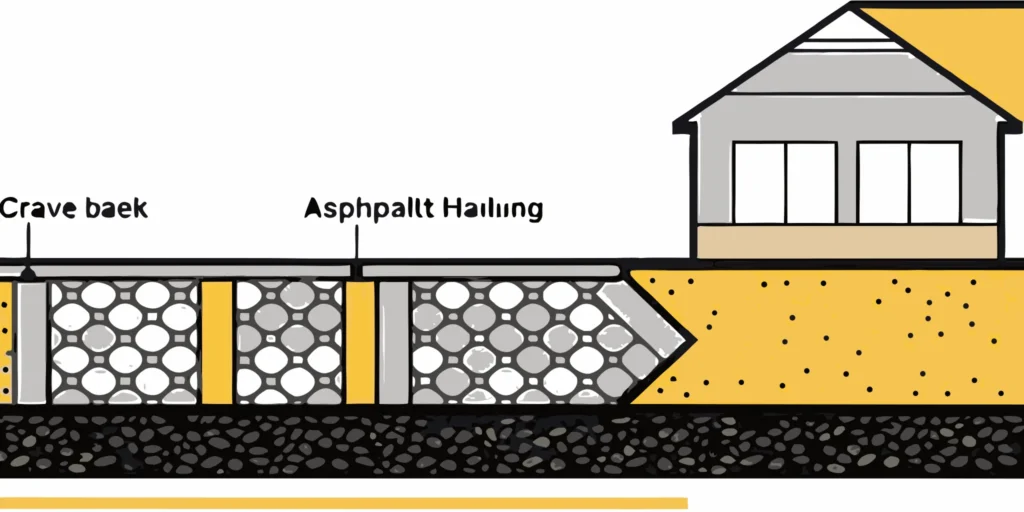
An asphalt millings driveway succeeds or fails before the first load is spread. Minnesota freeze-thaw cycles make grading, drainage, and compaction worth planning before delivery.
Call 612-772-3677 to plan your asphalt millings driveway delivery.
An asphalt millings driveway is a practical, lower-cost surface for Minnesota homes, rural properties, and job sites when the base, drainage, and compaction are right. Millings are recycled asphalt pavement that naturally rebinds over time, and they cost 40-60% less than new asphalt. Minnesota weather makes installation planning matter: University of Minnesota research notes that freeze-thaw cycles let water penetrate and expand in distressed pavement, causing cracks and potholes. Plan yardage with 5-10% extra material for compaction. Before delivery, confirm that a loaded truck can reach firm ground, and request a custom quote based on distance and access. Orders can range from 3 to 22 cubic yards, with 16-22 yards considered a full tandem load.
The right choice depends on more than the price per load. Start with the surface you need, the water path across your site, and how trucks will enter and leave. Next, we will answer the first planning question: Is an asphalt millings driveway right for Minnesota? Here’s how.
Is an asphalt millings driveway right for Minnesota?
Asphalt millings are recycled asphalt pavement. Over time, the material naturally rebinds into a durable, low-maintenance surface. If the site is ready, request a custom quote for asphalt millings delivery early. Delivery distance, yardage, access, and seasonal demand all affect the job.
A practical fit for Minnesota
An asphalt millings driveway can be a sound choice for Minnesota homes, farms, and rural properties. It suits buyers who want a firm recycled surface without paying for new asphalt. Millings can also need less upkeep than a loose gravel surface because they bind over time.
Minnesota weather makes preparation important. The University of Minnesota explains that freeze-thaw cycles let water enter and expand in damaged asphalt pavement. That process can form cracks and potholes. For a driveway, a stable base, proper grading, and drainage help limit water problems before the first load arrives.
The main buyer-fit decision
Millings work best when the driveway area can be prepared and compacted the right way. They are not a shortcut for fixing soft ground, poor drainage, or deep ruts. A buyer should first ask whether the site can support a stable base and shed water.
- Choose millings when you want a recycled surface that firms up over time.
- Plan for compaction instead of treating the material like loose fill.
- Check for firm truck access, enough turning space, and no low wires.
- Address drainage and grading before spreading the final surface.
If you are still comparing surfaces, review the pros and cons of a crushed asphalt driveway. That helps separate material choice from site preparation. A good material can still fail when the base or drainage is wrong.
Installation scope and support
The job includes more than ordering a load. Asphalt millings and Class 5 gravel compact, so the planned volume should allow for compaction. Clear access also matters when trucks need to place material where the crew can spread it efficiently.
Some owners can prepare, spread, and compact the material themselves. Others need delivery paired with skid steer spreading. The right scope depends on driveway size, site access, existing base condition, and the equipment already available on site.
How asphalt millings compare with gravel and new asphalt
An asphalt millings driveway sits between a loose aggregate drive and a new paved surface. Millings are recycled asphalt pavement. They rebind over time after placement and compaction. The right choice depends on budget, surface expectations, drainage, and the condition of the base.
Side-by-side driveway comparison
Millings offer a useful cost middle ground for many Minnesota driveways. Minnesota Aggregates notes that millings cost 40-60% less than new asphalt. Pricing still depends on yardage, hauling distance, site access, and seasonal demand. A quote is more useful than a flat per-load estimate.
| Factor. | Asphalt millings. | Class 5 gravel. | New asphalt. |
|---|---|---|---|
| Cost. | Less than new asphalt. | Quote by volume and delivery details. | Higher-cost benchmark. |
| Surface feel. | Compacted surface that rebinds over time. | Loose aggregate surface. | Smooth paved surface. |
| Upkeep focus. | Grade, drain, and compact well at installation. | Regrade or add material as site conditions require. | Watch for cracks and drainage problems. |
| Drainage. | Needs a graded base and runoff path. | Needs grading and a stable base. | Needs runoff directed away from the pavement. |
| Freeze-thaw fit. | Proper installation is critical. | Base prep and compaction still matter. | Base design and crack care matter. |
Cost and maintenance tradeoffs
Millings may fit when you want a more bound surface without paying for new asphalt. Start with dependable asphalt millings delivery, then plan for spreading and compaction. Class 5 may fit a drive that needs an aggregate surface or base material. Review Class 5 gravel delivery before comparing delivered quotes.
Do not treat lower material cost as a reason to skip preparation. Both millings and Class 5 gravel compact after placement. The base, grade, and runoff path affect how the finished driveway performs. New asphalt also needs sound preparation, even though its finished surface feels smoother.
Minnesota freeze-thaw conditions
Minnesota weather makes drainage a practical issue, not a minor detail. The University of Minnesota reports that freeze-thaw cycles let water enter distressed asphalt and expand. That process can cause cracks and potholes. Low spots and poor runoff can shorten the useful life of a driveway surface.
For millings or Class 5, grade the drive so water moves away instead of pooling. Compact the surface and fix soft areas before they become ruts. For new asphalt, watch the edges and cracks where water can enter. Each option works better when the base and drainage are handled first.
What does an asphalt millings driveway cost?
An asphalt millings driveway needs a custom quote because each site is different. A short, open driveway does not take the same work as a long rural lane. Material volume matters, but delivery and site conditions also affect the final cost.
Material volume and driveway depth
Start with the driveway length, width, and planned depth. Those measurements show how many cubic yards the job may need. Use the cubic yardage calculator to build a practical starting estimate before requesting a quote.
Depth is not a detail to guess. A thin refresh layer needs less material than a new driveway placed over a prepared base. The quote should also account for material that settles during compaction.
As general context, millings can cost less than new asphalt. Minnesota Aggregates notes that millings cost 40 to 60 percent less than new asphalt. That range is not a project price. Your quote still depends on the site and the work needed.
Delivery and site access
Delivery distance changes the quote. The truck route, driveway approach, and safe unloading area matter too. A clear site with firm ground makes delivery more direct. Soft shoulders, tight turns, low wires, and limited truck space may require a different plan.
Driveway preparation can also change the scope. Proper grading and drainage help protect the surface in Minnesota weather. The University of Minnesota explains that freeze-thaw cycles can let water enter distressed asphalt pavement. The water expands and can lead to cracks and potholes.
Service level and timing
Decide whether the quote should cover material delivery only or more site work. Some jobs also need spreading and compaction. Skid steer work can save time when the driveway is long or the site needs careful placement.
- Driveway length, width, and finished depth.
- Total yardage and compaction needs.
- Delivery distance and truck access.
- Base condition, grading, and drainage work.
- Spreading and compaction services.
- Seasonal demand and delivery timing.
Seasonal demand can affect scheduling, especially during Minnesota’s shorter construction season. Ask for a site-specific quote rather than relying on a broad online estimate. Share the driveway measurements, site photos, access limits, and desired timing so the quote reflects the actual job.
How to plan delivery, load size, and site access
Delivery planning starts before the truck leaves the yard. For an asphalt millings driveway, match the order to your measured area, dump location, and route into the site. Minnesota weather also matters. University of Minnesota research explains how freeze-thaw cycles let water enter and expand in distressed pavement.
Load size and material quantity
Aggregate trucks can carry 3 to 22 cubic yards. A full tandem load is usually 16 to 22 cubic yards. Start with the cubic yardage calculator, then confirm the order before scheduling delivery. Asphalt millings compact during installation, so the final amount should account for compaction.
A full load is not always the right choice. A smaller truck may fit a narrow driveway, tight turn, or limited dump area better. The load size should fit both the project and the property. Ask which truck will arrive before you assume the site can handle it.
Site access checklist
Walk the delivery path from the road to the dump point. Look for overhead wires, low tree limbs, soft shoulders, gates, parked vehicles, and tight corners. The truck needs a safe turning radius and firm ground at the dump area. Wet turf, loose edges, and steep slopes may limit placement.
Measure the driveway length, width, and planned depth. Use those measurements to estimate cubic yards. Note whether the work area has room for more than one pile.
Choose a dump point on firm ground. Keep it close enough for spreading equipment without placing the truck on a soft edge.
Check the full truck route. Remove vehicles and mark low wires, tree limbs, narrow gates, and sharp turns. Include any street parking that could block the approach.
Tell the supplier about access limits before booking. This helps match the site with a suitable truck and load size. Share photos when a corner or dump point is hard to describe.
Plan the spread and compaction work. If access or labor is tight, ask about delivery with skid steer services. Make room for the equipment before the material arrives.
Spring scheduling in Minnesota
Book early during the spring road restriction period. Minnesota spring load restrictions can affect delivery planning from March through May. This eight-week period needs added lead time. Seasonal demand, delivery distance, yardage, and site access also affect scheduling and quotes.
Share site photos and access notes when requesting a quote. Mention a narrow gate, soft shoulder, steep grade, or low wire at the start. Straight details help the supplier plan the truck, timing, and dump location. That preparation also reduces delays when the load arrives.
Schedule spreading and compaction close to delivery time. A staged plan keeps the pile from blocking vehicles, workers, or the next truck. For larger sites, decide where each load will go before the first delivery arrives.
Installation details that matter in freeze-thaw weather
An asphalt millings driveway is only as strong as the work beneath its surface. Minnesota weather makes shortcuts costly. Freeze-thaw cycles let water enter distressed pavement, expand, and contribute to cracks and potholes, according to the University of Minnesota Center for Transportation Studies. The practical goal is simple: keep water moving away from the driveway.
A firm, graded base
Start by removing soft spots, loose organic material, and areas that hold water. The base should be firm enough to support delivery trucks and repeated vehicle traffic. Shape the drive so water drains off the surface instead of pooling in tire paths. Low areas can become repair points after a wet spring or a hard freeze.
Base depth and finished milling thickness depend on soil, slope, drainage, and vehicle use. A residential drive does not have the same demands as a route used by loaded work trucks. Avoid a one-size-fits-all depth estimate without checking the site. If the existing base needs work, Class 5 gravel may be part of the prep plan.
Drainage before spreading
Water management is not an add-on. Check where roof runoff, snowmelt, and roadside flow go before placing material. Keep water from running across the driveway when possible. Make sure the driveway sheds water toward a safe outlet, not toward a garage, foundation, or neighboring property.
- Correct low spots before millings arrive.
- Maintain a consistent surface slope.
- Keep driveway edges from trapping water.
- Review culverts, ditches, and runoff paths.
Delivery planning matters, too. Trucks need firm access, enough turning room, and clearance from low wires. If you are scheduling asphalt millings delivery, share site conditions before the load arrives. That helps match the material plan to the property and avoids preventable delays.
Even placement and compaction
Spread the millings evenly, then compact the full surface. Pay close attention to edges, turns, and transitions to pavement or the road. These areas often take more stress from tires, plows, and runoff. Asphalt millings and Class 5 settle during compaction, so the order quantity should allow for that loss in volume.
Do not treat normal driving as the only compaction step. University of Minnesota research notes that lower-volume rural roads may not receive the densification caused by heavier traffic. A driveway needs careful initial compaction for the same practical reason. Plan the roller work while the material is fresh and evenly placed.
Large or uneven sites may also need machine spreading before compaction. Bundling delivery with skid steer services can help place material across slopes and wider areas. The result should be a firm, graded surface that drains well before the next freeze-thaw cycle begins.
Maintenance tips after the driveway is down
Let the surface settle
An asphalt millings driveway does not act like a fresh hot-mix asphalt slab. The recycled material naturally rebinds over time, so the surface can become firmer with use. After installation, keep the first trips light and steady. Avoid sharp turns, hard braking, and spinning tires while the surface settles.
Hot weather can soften the surface and make tire marks more likely. Park heavy vehicles on stable areas when the driveway feels soft. If a rut starts, address it early instead of driving through the same low track. Proper initial compaction matters, especially on a lightly used driveway. University of Minnesota research notes that lower traffic volume can mean less pavement densification on rural roads.
Control water, edges, and winter damage
Walk the driveway after heavy rain and during spring thaw. Look for ponding water, washouts, soft spots, and runoff cutting across the driving lane. Clear blocked outlets and keep the crown or slope working as intended. Water problems should be fixed before loose material is added on top.
This matters in Minnesota. Freeze-thaw cycles can let water enter distressed pavement, then expand and cause cracks or potholes. The University of Minnesota’s cold-climate pavement guidance explains the risk. An asphalt millings surface has limits. Good grading and drainage reduce trouble, but they do not make the driveway immune to frost.
- Keep soil, turf, and loose gravel from creeping onto the driveway edges.
- Do not let vehicles repeatedly drop off an unsupported edge and climb back onto the surface.
- Set snowplow shoes or blade height with care, especially during the first winter.
- Raise the blade slightly when the surface is not frozen solid.
- Mark driveway edges before snow arrives so plow passes stay within the lane.
Repair small defects before they spread
Check high-use areas near the road, garage, parking pad, and turning points. Small potholes, shallow ruts, and loose patches are easier to correct before they widen. Remove soft or displaced material, restore the grade, add millings where needed, and compact the repair. Do not fill a wet hole and expect the patch to hold.
A driveway may need more material when the surface thins, ruts return, or repairs no longer blend into the lane. Recompaction can help when millings are present but have shifted or loosened. If the base stays soft, solve the drainage or base issue first. Adding a thin top layer will not correct a weak foundation.
For a larger touch-up, confirm the repair area and required volume before ordering asphalt millings delivery. A skid steer can help spread added material and reshape worn sections. The goal is practical maintenance: catch water issues early, protect the edges, and recompact before minor wear becomes a bigger repair.
When to bundle delivery with skid steer spreading
Some asphalt millings driveway projects are manageable as DIY jobs. Others need a faster, more controlled placement plan. The key is not just getting material to the property. It is getting the pile spread, shaped, and ready for the next step before the work stalls.
When DIY placement makes sense
DIY spreading can work for a short, open driveway with a simple layout. It also helps when you already have the right equipment and enough time. Before scheduling asphalt millings delivery, check the work area. The truck needs firm ground, clear access, and room to turn without soft shoulders or low wires.
A small project still needs a clear plan. Decide where the truck should place each load. Check drainage and note any low spots before material arrives. Plan how you will spread the pile and compact the surface while the site remains workable.
Jobs that benefit from a skid steer
Long driveways can turn a delivery pile into a time-consuming job. The same is true for wide parking areas, uneven grades, and sites with several placement zones. Bundling delivery with skid steer spreading keeps the material move and site work in one plan. It also reduces the need to coordinate a separate equipment vendor.
- Choose bundled service when the driveway is long or has several grade changes.
- Consider it when material must be placed across more than one area.
- Use it when the schedule does not leave time for hand spreading or rental pickup.
- Plan for it when an even layer and drainage path need close attention.
Compaction also deserves a spot in the schedule. University of Minnesota research found that rural roads may get less traffic-based compaction than roads with more traffic. That makes proper initial compaction important. The University of Minnesota pavement research is about roads, but the planning lesson is useful for a driveway. Do not treat spreading and compacting as afterthoughts.
A simpler path for tight schedules
A bundled plan is useful when timing matters. One material supplier and one equipment plan can reduce handoffs. That matters during a short work window, especially if other site work depends on driveway access. It also makes it easier to discuss load placement before the truck arrives.
For a custom quote, share the driveway length, width, access limits, and desired finish. Note slopes, narrow entries, soft shoulders, and overhead wires. Ask whether delivery with skid steer spreading fits the site. Minnesota Aggregates can then review the job and help set a practical plan.
Request an asphalt millings driveway quote through our contact page.
Frequently Asked Questions
Is an asphalt millings driveway a good choice?
An asphalt millings driveway can be a practical choice for homes, farms, and job sites. The recycled pavement pieces naturally rebind and compact over time, creating a durable, low-maintenance surface. According to Minnesota Aggregates’ asphalt millings delivery guide, proper installation matters in Minnesota’s freeze-thaw climate. Grading, drainage, and compaction should be planned before delivery.
How much does an asphalt millings driveway cost?
An asphalt millings driveway needs a custom quote because project costs vary by yardage, delivery distance, site access, and seasonal demand. Minnesota Aggregates notes that millings can cost 40-60 percent less than new asphalt. Measure the driveway length, width, and planned depth before requesting pricing. Include any grading or spreading needs in the quote request.
What are the disadvantages of asphalt millings for driveways?
Asphalt millings require careful site preparation and compaction. Poor grading or drainage can allow water to enter weak areas. In Minnesota, freeze-thaw cycles can expand trapped water and contribute to cracks or potholes, as the University of Minnesota Center for Transportation Studies explains. Millings also create a different surface than freshly paved asphalt, so appearance expectations should be discussed before ordering.
How much does a dump truck load of asphalt millings cost?
The price of a dump truck load of asphalt millings depends on load size, delivery distance, site access, and seasonal demand. Minnesota Aggregates offers truck capacities from 3 to 22 cubic yards, with 16 to 22 cubic yards considered a full tandem load. Share the delivery address, driveway measurements, turning space, and ground conditions when requesting a quote.
Ready to Plan Your Asphalt Millings Delivery?
Waiting until your project date is close can narrow your delivery options and make driveway work harder to coordinate. Starting now gives you time to confirm yardage, review site access, and align delivery with your grading and compaction plans. A clear quote request helps you understand the variables before materials arrive on site and keeps the next steps practical.
Ready to plan your driveway project? Request a free quote for asphalt millings delivery to discuss your yardage, location, access conditions, and preferred delivery timing. Share whether you need delivery only or help with skid steer spreading. Starting the conversation now makes it easier to prepare your site and choose a workable delivery plan.