
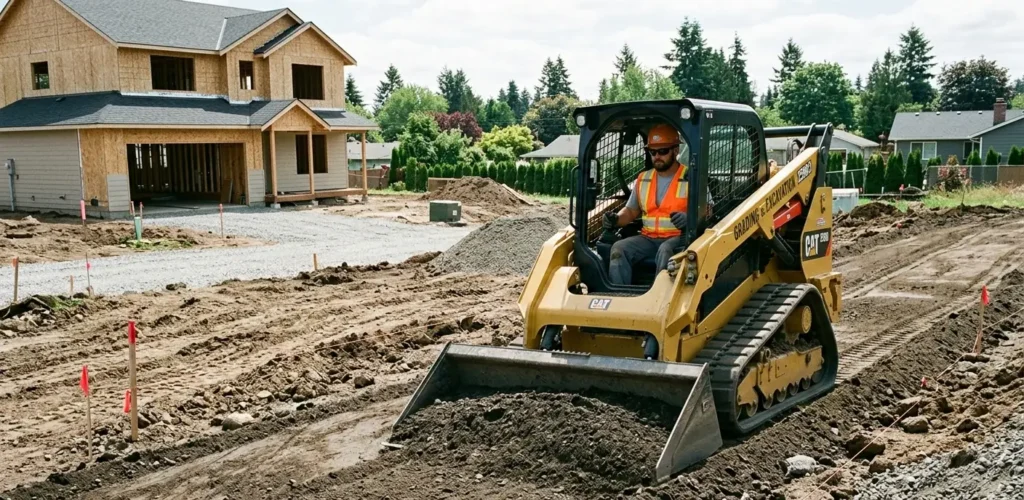
A soggy lawn, puddles near your foundation, or a driveway that keeps washing out are more than just annoyances; they’re signs of a bigger problem. These issues often point to improper land slope, where water has nowhere to go but where you don’t want it. The solution is professional yard grading, a process that reshapes your property to ensure proper drainage and create a stable, usable surface. But how do you find the right team for the job? This guide will walk you through everything you need to know about what professional yard grading companies do, how much their services cost, and how to choose a contractor who will solve your water woes for good.
Key Takeaways
- Grading is more than moving dirt: It’s a precise process that solves critical drainage and erosion issues, protecting your home’s foundation and creating a stable, functional yard for future projects.
- Vet your contractor to avoid future headaches: A little research upfront saves you from costly problems later. Confirm their license and insurance, get several detailed quotes, and check reviews to ensure you’re hiring a true professional.
- Understand the cost as a long term investment: The price of grading depends on your yard’s size, slope, and soil. View this cost as an essential investment in protecting your property from water damage and preparing it for any landscaping you have planned.
What Does a Yard Grading Company Actually Do?
When you hear “yard grading,” you might picture a bulldozer just pushing dirt around. But it’s so much more than that. A professional yard grading company reshapes your land with precision to solve serious issues like poor drainage, erosion, and uneven surfaces. Think of them as landscape surgeons, carefully sculpting your property to make it more functional, stable, and beautiful. They lay the groundwork (literally) for everything from a healthy lawn to a new patio or a durable driveway.
Understanding what these pros do is the first step to hiring the right team for your project. They combine technical skill with heavy-duty machinery to get the job done right. Whether you’re a homeowner tired of a soggy backyard or a contractor prepping a site for construction, a grading company provides the essential foundation. They use specialized equipment and proven techniques to ensure water flows away from your home, your soil is stable, and your landscape is ready for its next chapter. With powerful tools like those used in our skid steer services, they can transform a problematic yard into a perfectly prepared space. Essentially, they create a blank slate that is engineered for success, preventing future headaches and costly repairs by addressing foundational issues from the start.
Assess Your Property
Before any dirt is moved, a reputable grading company starts with a thorough property assessment. This isn’t just a quick glance; it’s a detailed evaluation to diagnose the specific challenges of your landscape. A professional will walk your property to identify low spots where water collects, signs of erosion, and areas that are uneven or improperly sloped. This initial inspection is crucial because it allows them to create a customized plan that addresses the root cause of your problems, ensuring the final result is both effective and long-lasting.
Grade for Proper Drainage
One of the most important jobs of a yard grading company is to ensure proper drainage. Standing water can damage your home’s foundation, kill your lawn, and create a breeding ground for pests. Professionals solve this by carefully reshaping the land to create a gentle slope that directs water away from your house and other structures. This process, known as creating a “positive grade,” is essential for protecting your property investment and maintaining a healthy, usable outdoor space. It’s the key to turning a swampy yard into a thriving one.
Prepare and Compact the Soil
After establishing the correct grade, the work isn’t over. The company must properly prepare and compact the soil. Using professional equipment, they move the earth to create the desired slopes and then compact it to form a stable, solid base. This step is vital because it prevents the soil from settling over time, which could undo all the hard work and create new low spots. Proper compaction ensures that your new lawn, patio, or walkway will remain level and secure for years to come, providing a reliable foundation for any future projects.
Control Erosion
In Minnesota, heavy rain and snowmelt can easily wash away valuable topsoil, a process called erosion. Yard grading is a key strategy for erosion control. By shaping the land correctly, professionals can slow the flow of water and keep your soil in place. This not only protects your landscape but also prevents sediment from running off into local storm drains and waterways. Effective grading preserves the integrity of your yard, ensuring your topsoil and any added materials, like fresh black dirt, stay right where they belong.
Grade Driveways and Pathways
Grading isn’t just for lawns; it’s also essential for creating durable and functional driveways and pathways. A grading company will prepare the base for these surfaces, ensuring it’s level and properly sloped for drainage. This prevents puddles, ice patches, and premature cracking. For gravel driveways, this process is especially important. A solid, well-graded foundation using materials like Class 5 gravel ensures the surface remains stable and can withstand vehicle traffic and harsh weather without developing ruts or washing out.
Create Custom Landscape Designs
Think of yard grading as preparing the canvas for your dream landscape. Once the land is properly sloped and stable, you have the perfect foundation for bringing your vision to life. Many grading companies work with you to prepare the site for custom features like garden beds, retaining walls, patios, and outdoor living areas. After the grading is complete, you can confidently move forward with your project, whether that means laying a paver patio on a bed of sand or planting a vibrant new garden in nutrient-rich soil.
How to Choose the Right Yard Grading Company
Finding the right contractor for your yard grading project is about more than just getting the job done; it’s about ensuring it’s done correctly, safely, and with lasting results. A poorly graded yard can lead to drainage nightmares, foundation issues, and a landscape that never quite looks right. To protect your investment and get the outcome you want, it’s important to do your homework. Taking the time to vet potential companies will save you from headaches down the road and ensure your project is a success from the ground up.
Verify Their License and Insurance
Before you even start discussing project details, make sure any contractor you consider is properly licensed and insured. This is your first line of defense. A valid business license shows they are a legitimate operation, while liability insurance protects you and your property in case of accidents or damage during the project. Don’t just take their word for it; ask to see proof of their credentials. A reputable company will have no problem providing this information. This simple step weeds out unqualified or unprofessional operators and gives you peace of mind that you’re working with a pro who takes their business seriously.
Evaluate Their Local Experience
Every region has its own unique challenges, and Minnesota is no exception. From our specific soil compositions to the dramatic freeze-thaw cycles, local knowledge is a huge asset. A company with extensive experience in your area will understand local building codes, permitting requirements, and the best grading techniques for our climate. They’ll know how to anticipate and solve common drainage problems specific to Minnesota properties. Ask potential contractors about similar projects they’ve completed nearby. Their familiarity with local conditions means they can provide more accurate recommendations and deliver a final grade that stands the test of time.
Assess Their Equipment
The quality of the final grade often comes down to the quality of the equipment used. A professional grading company will have a fleet of well-maintained, modern machinery designed for precision and efficiency. Ask what kind of equipment they plan to use for your project. They should be using safe, professional tools and proven methods to create the exact slopes your property needs for proper drainage and soil stability. Access to the right equipment, like the machinery needed for our skid steer services, allows a team to work effectively, stay on schedule, and handle any unexpected challenges that arise.
Get Multiple Detailed Quotes
It’s always a good idea to get at least three detailed estimates from different contractors. This allows you to compare not just the final price but also the scope of work, proposed materials, and projected timeline. A vague quote is a red flag. A professional estimate should break down the costs for labor, equipment use, and materials like Class 5 gravel. When you have a clear understanding of what each quote includes, you can make a much more informed decision. This process helps you spot any outliers and choose a partner who offers fair value for a comprehensive service.
Confirm Their Service Area and Scope
Finally, confirm that the company serves your specific location and can handle the full scope of your project. Some contractors have limited service areas or may not have the expertise for certain tasks, like creating complex landscape features or installing specific drainage solutions. Be upfront about your needs and expectations from the start. At Minnesota Aggregates, we pride ourselves on providing timely delivery of quality materials across the state, ensuring your project gets what it needs, when it needs it. Choosing a company that can manage every aspect of your grading job ensures a smoother, more cohesive process from start to finish.
How Much Does Yard Grading Cost?
Figuring out the budget for yard grading can feel like a moving target, but it doesn’t have to be. While every project is unique, knowing the general cost range and what influences it will help you plan with confidence. It’s helpful to see grading not just as a cost, but as a crucial investment in your property. Proper grading protects your home’s foundation from water damage, prevents soil erosion, and gives you a stable, usable lawn for landscaping, gardening, or recreation. The final price depends on a mix of factors, including the complexity of the job and the condition of your property. For example, a relatively flat yard that just needs some smoothing will be much more affordable than a steeply sloped property requiring extensive earthmoving and new drainage solutions. To help you prepare, we’ll walk through the typical costs for different projects, the specific variables that affect your quote, the expenses tied to materials and equipment, and any potential fees for permits or surveys. This breakdown will give you a solid foundation for discussing your project with a professional.
Pricing by Project Type
On average, homeowners can expect to pay between $1,000 and $3,330 for professional yard grading, with a typical project costing around $2,180. If your project is more complex and includes installing a drainage system, the price can range from $1,000 to $6,400. A small, simple lawn leveling job will be on the lower end of that spectrum. In contrast, a large-scale regrading project on a sloped yard will be on the higher end. These figures give you a solid starting point for what to expect when you start getting quotes from local contractors.
Factors That Affect the Final Cost
Several key factors determine your final grading cost. The size of your yard is the most obvious one; larger areas require more time and labor. The steepness of the slope also plays a big role, as more significant changes in elevation demand more work. Your soil type matters, too, since dense clay is harder to work with than loamy soil. Finally, site accessibility for heavy equipment and the need for additional materials, like black dirt delivery to build up low spots, will influence the quote. Removing obstacles like trees or large rocks will also add to the total.
Material and Equipment Expenses
A large portion of your grading quote covers the contractor’s labor and the use of specialized machinery. Professionals use equipment like skid steers to move earth efficiently, and the cost of operating this machinery is built into the price. Many contractors charge by the square foot, often between $1.25 and $4.00, which accounts for both labor and equipment time. If your project requires bringing in new material, such as topsoil for a new lawn or gravel for a pathway, those costs will be included as well. For specialized tasks, you may see line items for specific skid steer services on your estimate.
Permit and Surveying Fees
Depending on the scale of your project and your local Minnesota regulations, you might need a grading permit. These permits typically cost between $100 and $500 and ensure the work meets local codes for drainage and land use. For projects near property lines or in areas with complex grading, a professional land survey may also be necessary to establish clear boundaries. A survey can cost anywhere from $375 to $750. It’s always a good idea to check with your city or county planning department before starting work to see what, if any, permits are required for your job.
What to Look for in Customer Reviews
Once you have a shortlist of companies, it’s time to see what past clients have to say. Customer reviews are a goldmine of information, but you need to know what to look for. Don’t just scan the star ratings; read through the actual comments to get a clear picture of what it’s like to work with a company. Pay attention to recurring themes, both positive and negative. A single bad review might be an outlier, but several reviews mentioning the same issue could be a red flag. Look for detailed feedback that goes beyond a simple “great job.” The best reviews will give you specific insights into the company’s process, communication, and the final quality of their work, helping you make a confident decision.
Quality of Work
When you read reviews, look for comments that describe the final result. Did the company truly transform the space? Homeowners often mention how a project improved their home’s curb appeal or created a more functional backyard. Look for keywords like “meticulous,” “attention to detail,” or descriptions of how the grading solved a long-standing water problem. High-quality work isn’t just about moving dirt around; it’s about creating a stable, beautiful, and lasting foundation for your landscape. A great grading job often sets the stage for other projects, like laying down fresh topsoil for a new lawn, which requires quality Black Dirt delivery to ensure the best results.
Timeliness and Communication
A grading project can be disruptive, so you want a company that respects your time and keeps you in the loop. Scan reviews for mentions of the project timeline. Did the crew show up on schedule and finish the job when they said they would? Positive reviews often highlight a company’s ability to stay on track. Equally important is communication. Look for comments that praise the company for being responsive, providing regular updates, and clearly explaining the process. Good communication prevents surprises and ensures the project runs smoothly from start to finish, especially when coordinating material deliveries like Class 5 gravel for a new driveway.
Professionalism and Customer Service
Professionalism goes beyond just having the right skills. It’s about the entire customer experience. Look for reviews that describe the crew as respectful, courteous, and clean. Did they treat the property with care and leave the job site tidy at the end of each day? Great customer service means the company is easy to work with, answers your questions patiently, and is committed to your satisfaction. A company that invests in professional conduct and reliable equipment often provides a better overall experience. This commitment to quality ensures a higher standard of work and a smoother project for you.
Technical Skill and Equipment
Effective yard grading requires more than just manpower; it demands technical expertise and the right tools. Look for reviews that mention a company’s knowledge of soil types, drainage principles, and local Minnesota geology. Comments that say the team “knew exactly what to do” or “had the right equipment for the job” are strong indicators of competence. A skilled operator with modern, well-maintained machinery can accomplish the work more efficiently and effectively. This expertise ensures they can handle any challenges your property might present and have the right skid steer services to get it done right.
Warranties and Support
A company that stands behind its work offers peace of mind. While reading reviews, keep an eye out for any mention of warranties or guarantees on the grading services. A contractor who offers a warranty is confident in their skills and the durability of their work. This is a sign that they build things to last and are willing to address any issues that might come up after the project is complete. It shows a long-term commitment to quality and customer satisfaction. This level of assurance is often possible because they use reliable materials from trusted suppliers like Minnesota Aggregates for every job.
Common Hiring Mistakes to Avoid
Choosing the right yard grading company is a big decision, and a few common missteps can lead to costly headaches. Taking the time to hire correctly from the start ensures your project goes smoothly and protects your property for years to come. By being aware of these potential pitfalls, you can confidently select a contractor who will get the job done right the first time, saving you from the stress of rework and unexpected expenses. Let’s walk through the most frequent hiring mistakes and how you can steer clear of them.
Skipping the Vetting Process
It’s tempting to hire the first contractor who gives you a reasonable quote, but doing your homework is non-negotiable. A thorough vetting process is your best defense against subpar work. Before signing any contracts, confirm that the company has a valid business license and carries adequate insurance. This protects you from liability if an accident happens on your property. Ask about their specific experience with drainage projects like yours and request a few references. A quick search for online reviews can also provide valuable insight into their reputation and the quality of their work. A professional contractor will have this information ready and will be happy to share it.
Accepting a Vague Estimate
A one-line estimate on the back of a business card is a major red flag. A professional quote should be a detailed document that breaks down the entire scope of the project. It should clearly list the costs for labor, materials, and any potential permit fees. Getting at least three detailed estimates from different companies allows you to compare more than just the final price; you can compare their understanding of your project and the timeline they propose. This clarity helps prevent surprise charges and ensures everyone is on the same page. You can even use a cubic yardage calculator to double-check the amount of material they plan to bring in.
Overlooking Drainage Issues
The primary goal of yard grading is to manage water flow. Some contractors might focus on making the yard look level without properly addressing the underlying drainage needs. Effective grading is all about creating the right slope to direct water away from your home’s foundation, preventing pooling, and stopping soil erosion. Be sure to discuss drainage specifically with any potential contractor. Ask them how their plan will protect your foundation and prevent water damage. A great grading job often involves creating a stable base with materials like Class 5 gravel to ensure proper drainage and prevent future settling.
Rushing Your Decision
When you’re dealing with a soggy yard or foundation concerns, it’s natural to want a quick fix. However, rushing to hire a contractor can lead to a poor-quality job that only makes the problem worse. Drainage issues can cause serious, expensive damage over time, so it’s worth taking a few extra days or weeks to find the right expert. A rushed decision might land you with a company that uses improper techniques or low-quality materials, forcing you to pay for the same job twice. Take a deep breath, follow your vetting process, and choose a partner you trust to solve the problem for good.
Ignoring Local Regulations
Yard grading isn’t always as simple as just moving dirt around. Many municipalities in Minnesota have specific regulations and may require permits for significant grading work, especially if it affects water runoff to neighboring properties. A reputable, local contractor will be familiar with these requirements and can manage the permitting process for you. Ignoring these rules can result in fines or an order to undo the work. Always ask a potential contractor about local regulations and confirm that obtaining the necessary permits is part of their service. This ensures your project is fully compliant from start to finish.
Related Articles
- Skid Steer Services Minnesota | Grading & Site Prep Work
- Laser Grading Skid Steer: The Ultimate Buyer’s Guide – Minnesota Aggregates
- Black Dirt Delivery Minnesota | Premium Screened Topsoil
Frequently Asked Questions
When is the best time of year to grade a yard in Minnesota? The ideal time for yard grading is when the ground is relatively dry and not frozen. In Minnesota, this typically means late spring after the major thaw, throughout the summer, and into the early fall. Trying to grade wet, muddy soil can create a mess and lead to poor compaction, while frozen ground is nearly impossible to work with. Planning your project during these drier seasons ensures the best and most lasting results.
Can I grade my yard myself to save money? While renting equipment and doing it yourself might seem like a good way to cut costs, yard grading is a job where precision is everything. It’s about more than just leveling the ground; it’s about creating specific, subtle slopes to manage water flow correctly. A small error can accidentally direct water toward your foundation, leading to far more expensive repairs down the road. Hiring a professional ensures the job is done right with the proper expertise and equipment.
How long will my yard grading project take to complete? The timeline really depends on the size and complexity of your project. A straightforward lawn leveling job on a small lot might only take a day or two. However, a larger property with steep slopes, drainage issues, or obstacles to remove could take a week or more. A professional contractor will give you a clear and realistic timeline as part of their detailed project estimate.
What should I do immediately after the grading is finished? Once the grading is complete, the new soil is vulnerable to erosion. It’s important to cover it as soon as possible. This usually means laying sod, spreading seed and straw, or applying mulch to protect the surface from wind and rain. Your contractor will provide specific instructions, but the general rule is to get a protective covering down quickly to hold all that careful work in place.
My yard was just graded. How do I know what material to put on top? The right material depends entirely on what you plan to do with the space. If you’re establishing a new lawn or garden, you’ll need a layer of quality topsoil or black dirt to provide nutrients for healthy growth. For a new driveway, a shed foundation, or a base for a paver patio, you’ll need a compactable aggregate like Class 5 gravel to create a stable, durable surface. Your grading professional can help you determine the best material for your specific goals.