
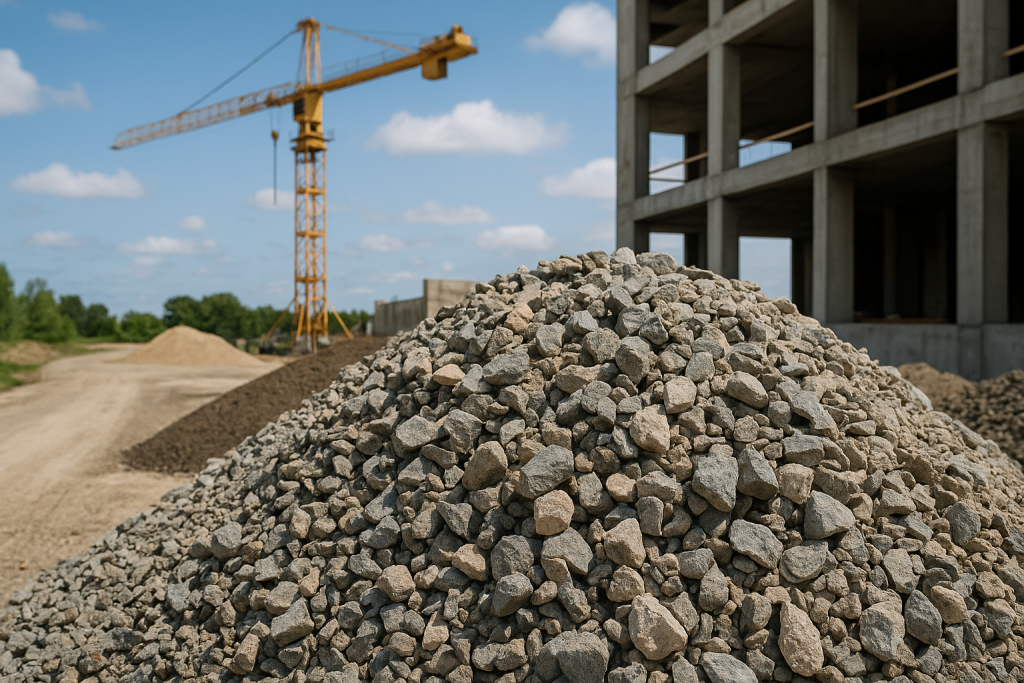
Every successful construction project shares one key element: a strong foundation. But what often goes unnoticed is the material that quietly makes this strength possible—high-quality aggregates. Whether it’s a towering building, a neighborhood road, or a backyard patio, aggregates are the secret ingredient that ties it all together.
Aggregates are materials like gravel, crushed stone, sand, and recycled concrete. They’re used in concrete mixes, road bases, and landscaping designs. Though they might seem like just “filler,” the truth is that the quality of these materials has a major impact on the durability and safety of any structure.
One reason aggregates are so important is their role in concrete. Concrete isn’t just cement and water—it’s a carefully balanced mix, and aggregates make up about 60 to 75 percent of that mix. Good aggregates help the concrete set evenly, stay solid under pressure, and resist wear over time. Poor-quality aggregates can weaken the mix, leading to cracks, erosion, and early failure.
The best aggregates are clean, strong, and properly graded. Clean materials are free of dust, clay, and other impurities that prevent cement from binding effectively. Strong aggregates resist breaking down under stress, and well-graded aggregates contain a balanced mix of sizes to ensure solid compaction and fewer air gaps.
For roads and heavy-traffic areas, aggregates like Class 5 gravel offer strength and stability. This material compacts easily and forms a base that won’t shift or erode, even under constant use. For concrete work, crushed limestone and granite are often preferred for their hardness and consistency.
Even in decorative projects like patios, walkways, or garden paths, aggregates serve an important role. They provide the solid ground that keeps everything level and prevents future shifting. With the right base layer, your patio stones or pavers will stay in place for years.
Another benefit of using high-quality aggregates is their performance in tough weather. Materials that hold up to freeze-thaw cycles, moisture, and heavy rains help prevent cracks and erosion. This means fewer repairs, longer-lasting surfaces, and better value over time.
Many contractors now choose recycled aggregates—like crushed concrete or asphalt millings—which offer the same strength while helping the environment. These materials reduce waste and lower the need for new quarrying, all while performing just as well in many applications.
So, if you’re planning a construction project, remember that the quality of your aggregates can shape the entire outcome. It’s not just about what’s on top—it’s about what’s underneath that counts. By choosing clean, strong, and well-graded materials, you give your project a better chance to stand strong for years to come.
The best results come from the best ingredients. And in construction, that often means starting with the right aggregates. They may be small, but their impact is huge.
