
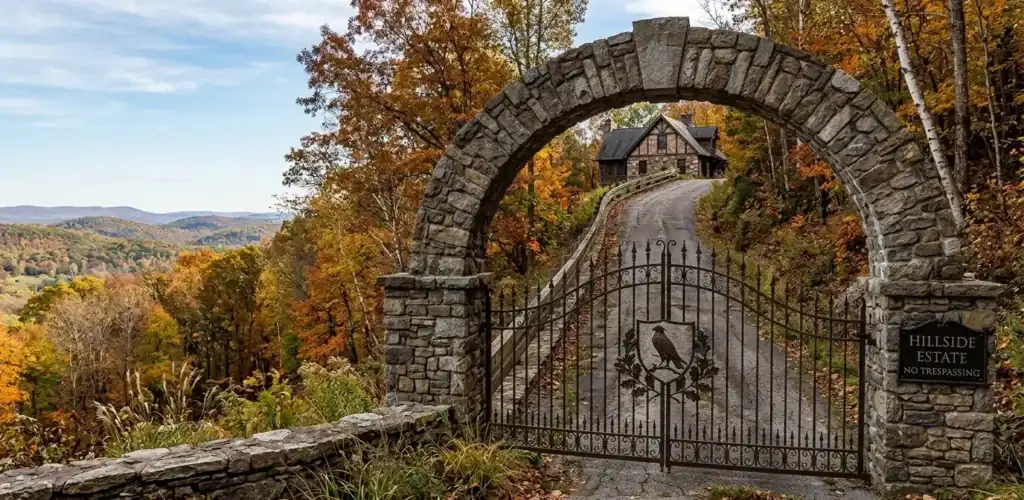
That awful scraping sound of your car’s undercarriage is a painful reminder of your driveway’s sharp angle. A steep driveway is more than just an inconvenience; it’s a source of daily stress, from carrying groceries up a difficult incline to the genuine fear of sliding on a patch of winter ice. It can cause costly vehicle damage, lead to serious erosion problems, and make your home less accessible for friends and family. You don’t have to live with it. This guide is your complete resource for practical steep driveway solutions, covering everything from choosing the right materials to completely reshaping the land for a safer, more functional entrance to your home.
Where Can You Find Sand and Gravel Near Me for a Steep Driveway?
Looking for sand and gravel near you for a steep driveway? Minnesota Aggregates delivers aggregate materials across the Twin Cities, including sand, Class 5 gravel, and asphalt millings. The right choice depends on the job: Class 5 gravel can provide a compacted driveway base, while asphalt millings can create a durable, high-traction surface. Sand may fit drainage or related site work, but it is not a universal replacement for a driveway base.
Before requesting a quote, note your driveway dimensions, slope, drainage concerns, and the space available for a delivery truck. Use the Cubic Yardage Calculator to estimate material, review sand delivery and Class 5 gravel delivery options, then contact Minnesota Aggregates to discuss the project.
Key Takeaways
- Address the surface or the slope itself: You can immediately improve safety with high-traction materials like asphalt millings or Class 5 gravel, or you can invest in a long-term fix by regrading the land to create a gentler, more manageable incline.
- Control water flow to protect your investment: A steep driveway’s biggest enemy is water runoff. Use materials with excellent drainage and add landscaping features like terraced gardens or swales to prevent erosion, protect your foundation, and reduce dangerous ice buildup.
- Match the solution to the scale of the job: For smaller issues like vehicle scraping, a simple ramp can solve the problem. For major reconstruction, hiring professionals with the right equipment, like a skid steer, is essential for a safe and durable result.
What Problems Do Steep Driveways Cause?
A steep driveway might offer a great view from the top, but it often comes with a unique set of challenges. What starts as a minor inconvenience can quickly become a source of daily frustration and even significant property damage. From safety concerns to the constant battle with Minnesota weather, a steep grade can impact your home, your vehicle, and your peace of mind. Let’s break down the most common problems homeowners face.
Safety and Accessibility
First and foremost, a steep driveway can be a safety risk. Walking to get the mail can feel like a workout, and it becomes a genuine hazard for anyone with mobility challenges, including older relatives or friends with strollers. It limits accessibility for deliveries and makes simple tasks like carrying in groceries a balancing act. Beyond the daily inconvenience, a steep slope can also affect your home’s appeal and make it less accessible for a wide range of visitors and potential future buyers.
Vehicle Damage
That awful scraping sound as your car’s undercarriage hits the pavement is a common complaint for owners of homes with steep driveways. Depending on the angle where the driveway meets the street, even approaching slowly can cause your vehicle to bottom out, leading to costly repairs. The constant strain of climbing the incline also puts extra wear and tear on your engine, transmission, and brakes over time. This isn’t just an issue for you; friends with lower-clearance cars might avoid visiting, and it can be a major red flag for anyone considering buying your home.
Drainage and Erosion
Water and gravity are a powerful combination, and on a steep driveway, they can work against you. During a heavy downpour, water rushes down the slope, gathering speed and force. This can lead to serious erosion, washing away soil and landscaping from the sides of your driveway. If the water has nowhere to go, it can pool at the bottom, potentially damaging your garage foundation. Over time, this uncontrolled runoff can carve out channels in your driveway material, making the surface uneven. Managing stormwater becomes a critical task to protect your property.
Winter Hazards
For anyone in Minnesota, winter turns a steep driveway from a challenge into a serious danger. Once snow and ice arrive, the slope becomes a slick, unpredictable surface. Getting enough traction to drive up can be nearly impossible, and trying to drive down can feel like an uncontrolled slide, risking damage to your car or property. Shoveling or using a snowblower on a steep incline is also exhausting and risky, increasing the chances of a slip-and-fall accident. This constant winter battle is one of the biggest reasons homeowners look for a permanent solution.
How Can You Fix a Steep Driveway?
A steep driveway can feel like a constant battle, but you don’t have to live with the stress. From scraping the bottom of your car every time you leave to worrying about how you’ll manage winter ice, a sharp incline causes real headaches for homeowners. The good news is that you have options to fix it, and they aren’t all massive construction projects. There are several effective ways to tackle the slope, ranging from major earth-moving work to simpler, targeted additions that can make a huge difference in your daily life.
The right solution for you depends on your property, budget, and how much you want to change your landscape. You could completely reshape the land for a gentler approach or simply add a feature that solves your most immediate problem, like vehicle clearance. It’s all about finding the balance between function, aesthetics, and cost. Whether you’re planning a full-scale renovation or looking for a practical fix, understanding your choices is the first step. Let’s walk through four of the most common and effective strategies for taming a steep driveway so you can feel safer and more confident every time you pull in.
Regrade the Slope
This is the most direct approach: if the slope is the problem, change the slope. Regrading involves excavating the existing driveway and surrounding land to create a new, gentler incline. It’s a big job that requires careful planning to ensure proper drainage and stability. Often, this means bringing in fill material to build up the lower sections and cutting into the higher sections. A solid foundation of Class 5 gravel is essential to support the new surface and prevent settling. Because this involves heavy machinery and precision work, it’s a project where professional skid steer services are invaluable for getting the grade just right.
Install Retaining Walls
Regrading your driveway often goes hand-in-hand with installing retaining walls. When you change a steep slope, you create an unstable bank of soil that needs to be held back. That’s exactly what a retaining wall does. These structures are engineered to prevent erosion and soil slippage, keeping your newly graded driveway secure. Beyond their practical function, retaining walls can also transform your front yard’s appearance. You can use them to create beautiful terraced gardens or level spots for planting, turning a challenging slope into a stunning landscape feature. A well-built wall adds both safety and curb appeal to your property.
Redesign with Curves
Instead of tackling the slope head-on, you can work with it by redesigning the driveway’s path. A straight shot up a steep hill is always going to be challenging. By introducing gentle curves or an S-shape, you effectively lengthen the driveway and reduce the gradient. This makes the drive up and down feel much less dramatic and easier to manage, especially in wet or icy conditions. A winding path also breaks up the visual line of the slope and creates natural pockets for landscaping. You can line the curves with plants, shrubs, or even small trees to integrate the driveway beautifully into your yard.
Add Specialized Ramps
If your main issue is your car bottoming out when you enter or exit the driveway, a full regrading project might be overkill. A more targeted and less expensive solution is to install specialized ramps. These are typically placed at the transition point between the street and your driveway or at the entrance to your garage. Companies like Curb Ramp offer products designed specifically to bridge that sharp angle, giving your car the clearance it needs to avoid scraping. While this doesn’t change the overall steepness of the driveway, it solves one of its most common and frustrating problems.
Which Materials Work Best for a Steep Driveway?
Choosing the right surface for your steep driveway is about more than just curb appeal—it’s a critical decision for safety, durability, and maintenance. The ideal material provides excellent traction for vehicles and pedestrians, stands up to Minnesota’s weather extremes, and effectively manages water runoff to prevent erosion. A slick surface can be dangerous in the rain, and a frozen one can become completely impassable in the winter.
Your final choice will likely come down to your budget, the specific grade of your slope, and how much upkeep you’re willing to do. Materials like gravel and asphalt millings are fantastic, budget-friendly options that offer great grip and drainage. On the other hand, solutions like textured concrete or permeable pavers represent a larger upfront investment but provide a more permanent, structured surface. Let’s walk through some of the best materials so you can find the perfect fit for your home and feel confident every time you pull in and out.
Class 5 Gravel for Better Drainage
If you’re looking for an effective and affordable solution, Class 5 gravel is a top contender. This material is a carefully balanced mixture of rock and sand that compacts tightly, creating a stable surface that’s less prone to washing out than regular gravel. Its main advantage on a steep slope is drainage. Water flows through the gravel instead of sheeting down the surface, which significantly reduces erosion and prevents puddles from forming and freezing over. The texture of Class 5 gravel also provides reliable grip for your tires. While it may require occasional raking to keep it smooth, its performance and price point make it a smart choice for many homeowners.
Asphalt Milling for Superior Traction
For a durable and eco-friendly option, consider using asphalt millings. These are recycled pieces of old asphalt roads that have been ground up. When spread on a driveway and compacted, the pieces bind together over time with heat and pressure, forming a solid, long-lasting surface. This process creates a driveway that’s tough and offers fantastic traction, even in wet conditions. Asphalt millings are also flexible enough to handle Minnesota’s freeze-thaw cycles without cracking. Because it’s a recycled product, it’s often more affordable than new asphalt, giving you a high-performance driveway without the high-end cost.
Rubber Surfaces for All-Weather Grip
While less common, rubber is an excellent material for steep driveways, especially when you’re concerned about ice. Often made from recycled tires, rubber surfaces can be poured or laid down in tiles, creating a seamless, non-slip finish. The material’s main benefit is its excellent grip in all weather conditions, providing peace of mind during rainy days and icy winters. It’s also incredibly durable and requires very little maintenance over its long lifespan. The primary drawback is the cost, as it’s typically a more expensive option than aggregates or even concrete. However, for maximum safety and minimal upkeep, a rubber driveway is hard to beat.
Textured Concrete for a Non-Slip Finish
Concrete is known for its strength and longevity, but for a steep driveway, the finish is everything. A standard smooth trowel finish would be far too slippery. Instead, you’ll want a textured surface to ensure proper grip. A “broom finish,” created by dragging a broom across the wet concrete, is a popular and effective choice. You can also opt for stamped concrete, which can mimic the look of stone or brick while providing the necessary texture. While textured concrete is a significant investment, it offers a permanent, highly customizable, and very durable solution that can last for decades with proper installation and care.
Permeable Pavers to Manage Water
Permeable pavers are a beautiful and highly functional solution for managing water on a steep slope. Unlike traditional pavers, these are installed with gaps between them, which are filled with small aggregate. This design allows rainwater and snowmelt to drain directly through the surface into a gravel base below, virtually eliminating runoff and erosion. This system is incredibly effective at preventing ice buildup. Pavers come in a wide variety of shapes, colors, and styles, allowing you to create a custom look that enhances your home’s curb appeal. While they are one of the most expensive options, their long lifespan and superior performance make them a worthwhile investment.
Landscaping Ideas to Improve Your Steep Driveway
Beyond resurfacing the driveway itself, smart landscaping can make a huge difference in both the safety and appearance of a steep slope. By working with the surrounding land, you can manage water, prevent erosion, and create a more functional and beautiful entrance to your home. Here are a few landscaping strategies that work wonders on sloped properties.
Build Terraced Gardens
Terracing is a classic solution for a reason—it turns a challenging slope into a stunning feature. By building a series of retaining walls, you can create level planting beds that are easier to maintain and less prone to soil erosion. These walls hold back the earth, preventing washouts during heavy Minnesota rains. You can use materials like natural stone, timber, or concrete blocks to match your home’s style. Once the structure is in place, you can fill the beds with high-quality black dirt and your favorite flowers, shrubs, or even a vegetable garden, transforming an unusable hill into a productive and beautiful space.
Plant Strategically to Control Erosion
The right plants can be your best defense against erosion on a steep driveway. Look for species with deep, fibrous root systems that act like a natural net to hold the soil together. Groundcovers such as creeping phlox, perennials like daylilies, and various ornamental grasses are fantastic choices. These plants are not only effective but also add color and texture to the landscape. For a low-maintenance approach, consider native Minnesota plants that are already adapted to the local climate and soil conditions. Planting strategically along the sides of your driveway helps stabilize the slope and reduces the amount of sediment that washes onto your pavement.
Create a Drainage System
Water is often the biggest enemy of a steep driveway, causing erosion and undermining the structure. An effective drainage system is essential to direct water away from the driveway surface and foundation. Solutions like French drains, which are trenches filled with gravel and a perforated pipe, can capture and redirect runoff safely. You can also create vegetated swales—gentle, shallow channels—to slow down water flow and allow it to soak into the ground. Using materials like Class 5 gravel is key to building a durable and effective drainage system that protects your property from water damage and keeps your driveway stable for years to come.
Add Steps and Walkways
If you have a steep slope next to your driveway, getting from your car to your front door can be a challenge. Adding well-designed steps or a winding walkway makes the journey safer and more pleasant. These paths break up the incline and provide a secure footing for you and your guests. Use materials with good traction, like textured concrete, natural stone, or pavers set on a solid base. A thoughtfully placed walkway not only improves accessibility but also adds a professional, polished look to your landscape design. For larger projects, using skid steer services can make the excavation and grading process much faster and easier.
What Does It Cost to Fix a Steep Driveway?
The cost of fixing a steep driveway can vary dramatically, depending on whether you need a simple surface patch or a complete overhaul. The right solution for you will depend on your specific problems, your property, and your budget. Understanding the potential costs can help you plan your project, whether you’re tackling some landscaping yourself or hiring a professional for a major reconstruction. Let’s break down the typical price ranges for different levels of driveway improvements.
Budget-Friendly Landscaping ($300-$3,000)
If you’re looking for an affordable way to improve your driveway’s safety and appearance, simple repairs and landscaping are a great place to start. Fixing minor cracks and potholes is often the first step, with typical driveway repair costs falling between $100 and $400 for small patch jobs. For more widespread surface issues, a complete resurfacing might be in order, which can range from $600 to $3,000. Strategic landscaping around the driveway, like adding plants or mulch to prevent erosion, can also make a big difference without a huge investment. These smaller projects can often be done on your own or with minimal professional help.
Mid-Range Material Upgrades ($1,000-$15,000)
For driveways with more significant issues like sinking or poor traction, a mid-range upgrade might be necessary. If your concrete driveway is uneven, leveling a section can cost between $600 and $1,200, while leveling the entire driveway can run from $1,400 to $2,700. Another excellent option in this price range is to resurface with a new material. Adding a layer of Class 5 gravel or recycled asphalt can create a more stable, high-traction surface that holds up well in Minnesota weather. These material upgrades offer a great balance of cost and long-term performance, providing a durable fix that improves both function and safety.
Major Regrading and Construction ($15,000-$70,000)
When a steep driveway poses serious safety or drainage problems, a major reconstruction may be the only permanent solution. This level of work involves changing the actual slope of the land, which is a complex and expensive process. It often requires building retaining walls to hold back soil and hiring professionals for excavation and grading. The costs can climb quickly, with some homeowners spending upwards of $60,000 for complex solutions like a suspended concrete slab. These projects require careful planning, permits, and the right team, including operators for heavy machinery. Using professional skid steer services is essential for the precise earthmoving needed for regrading.
Temporary Fixes vs. Permanent Solutions: Which Is Right for You?
Deciding how to handle a steep driveway often comes down to balancing your immediate needs with your long-term goals and budget. Do you need a quick, affordable fix to make your driveway safer right now, or are you ready to invest in a permanent solution that will last for years? Both paths have their merits, and the right choice depends entirely on your situation. Thinking through the pros and cons of temporary versus permanent fixes will help you create a plan that works for your home and your wallet, whether you’re looking for a simple patch or a complete overhaul.
Quick Fixes for Immediate Safety
If you’re dealing with immediate issues like your car scraping the curb or guests slipping on the incline, a quick fix can provide instant relief without a major financial commitment. Solutions like specialized rubber ramps can be placed at the bottom of the driveway to smooth out the transition from the street, preventing that awful scraping sound. Especially in Minnesota, where winter brings ice and snow, these temporary measures can make a big difference in day-to-day safety. While they don’t solve the underlying slope, they address the most pressing concerns and buy you time to plan for a more substantial project down the road.
Long-Term Construction Investments
For a lasting fix, you’ll likely need to consider a construction project. The most effective way to solve a steep driveway is often to regrade the slope, which involves rebuilding the base to create a gentler, safer incline. This is a significant undertaking that requires professional contractors, but the result is a permanent solution that improves safety, accessibility, and your home’s curb appeal. Using a durable foundation material like Class 5 gravel is crucial for ensuring the new driveway is stable and built to last, giving you peace of mind for years to come.
A Phased Improvement Plan
You don’t have to choose between a simple patch and a full-scale renovation. A phased improvement plan offers a practical middle ground, allowing you to break a large project into manageable, budget-friendly stages. You could start by addressing drainage issues one year, then move on to resurfacing with a high-traction material like asphalt milling the next. Working with an experienced professional can help you map out a logical sequence of improvements. This approach lets you gradually work toward a permanent solution without the upfront cost and disruption of a single, massive project.
Getting It Done: Professional Help and Material Delivery
Tackling a steep driveway project can feel like a huge undertaking, but you don’t have to do it all yourself. Whether you’re bringing in a full crew or just need the right materials dropped off, planning for professional help and delivery is key to a smooth process. It’s all about knowing when to call in the experts and how to get the supplies you need without a hitch, ensuring your project stays on schedule and turns out just the way you envisioned.
When to Hire a Contractor
While the DIY spirit is admirable, some jobs are best left to the pros, especially when they involve major earth-moving or structural changes. If you’re looking at regrading your entire driveway, building large retaining walls, or laying new asphalt, it’s time to hire a contractor. A professional can assess the slope, soil, and drainage to recommend the safest and most effective long-term solution. Start by calling a few local paving or landscaping companies. Describe your project, and ask them to take a look and provide a detailed quote. This gives you a chance to compare ideas, costs, and find a team you trust to handle the job correctly.
Using Skid Steer Services for Tough Jobs
For those really tough jobs, like reshaping the land or moving heavy materials, professional skid steer services can be a game-changer. These powerful machines make quick work of tasks that would take days of back-breaking labor to do by hand. A skilled operator can precisely regrade a slope to make it less severe, dig foundations for retaining walls, and spread heavy aggregates like gravel or asphalt millings evenly. This not only saves you time and physical strain but also ensures the groundwork is done right, creating a stable and secure base for your new driveway surface and preventing future erosion issues.
Planning Your Aggregate Delivery
Once you have a plan, getting your materials on-site is the next big step. Choosing durable aggregates is essential for a steep driveway, as they need to withstand gravity, water runoff, and Minnesota’s freeze-thaw cycles. Materials like Class 5 gravel or asphalt millings provide excellent stability and traction. Before you order, you’ll need to figure out exactly how much you need. Using a cubic yardage calculator can help you get an accurate estimate so you don’t over or under-buy. Scheduling a reliable, on-time delivery ensures your project keeps moving forward without costly delays.
Related Articles
- 5 Solutions for Your Steep Driveway
- Landscaping Ideas for Steep Driveways: A Complete Guide
- Class 5 Gravel Delivery: The Best Base for Your Driveway
- Asphalt Milling Delivery: Affordable Driveway Solutions
- Skid Steer Services for Driveway and Landscaping Projects
Frequently Asked Questions
I’m on a tight budget. What’s the most affordable way to make my steep driveway safer? If a full reconstruction isn’t in the cards right now, focus on the surface and the surrounding landscape. Adding a fresh layer of a high-traction material like Class 5 gravel or asphalt millings can make a huge difference for a relatively low cost. You can also strategically place plants with deep root systems along the edges to help control erosion and stabilize the soil, which prevents washouts that can make the driveway even more treacherous.
Which driveway material gives the best traction during Minnesota winters? For Minnesota’s icy conditions, traction is everything. Asphalt millings are a fantastic choice because the recycled pieces bind together over time, creating a rough, grippy surface that performs well in snow and ice. Class 5 gravel also offers excellent texture for tire grip. If you’re set on concrete, make sure it has a heavy broom finish, as a smooth surface will become dangerously slick once it freezes.
My car scrapes the bottom of the driveway. Do I really need to tear everything out and start over? Not necessarily. If the main problem is the sharp angle where your driveway meets the street, you might be able to solve it with a targeted fix. Specialized curb ramps can bridge that gap and prevent your car from bottoming out. This is a much less invasive and costly option than a full regrading project. It directly addresses the scraping issue without requiring you to change the entire slope.
How do I stop my landscaping and soil from washing away every time it rains? The key is to control the flow of water. You can create a simple but effective drainage system, like a French drain, to capture runoff and direct it away from the driveway. Planting groundcovers and shrubs with fibrous roots along the slope also works wonders to hold soil in place. For a more permanent solution on a very steep hill, building terraced retaining walls creates level areas that completely stop soil erosion.
When does a steep driveway project require a professional contractor? While you can certainly handle smaller landscaping tasks or minor patching yourself, it’s time to call a professional for any major structural changes. If your plan involves changing the actual grade of the slope, building retaining walls over a few feet high, or addressing serious drainage issues near your home’s foundation, you’ll want an expert. These jobs require precise excavation and grading with heavy machinery to ensure the final result is safe and stable.