
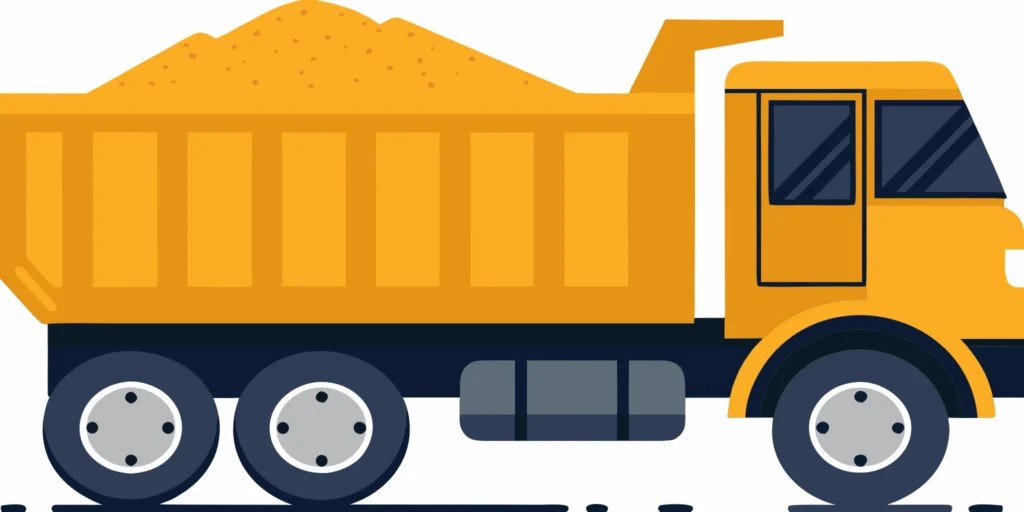
Paying multiple delivery fees for base materials is a common mistake that inflates project budgets. Smart planning starts with combining your aggregate orders into a single drop-off.
Finding reliable sand and gravel near me is the first step toward a successful project. But ordering both materials at once is the most efficient way to reduce costs. This delivery strategy allows you to prep sites for driveways or foundations without waiting for a second truck, while also cutting down on the paperwork for your project. Local builders often blend these materials to optimize the economy of construction projects and ensure they use all of their locally available resources efficiently. Combining your order simplifies project planning and ensures that your skid steer workers have everything they need to start spreading and leveling as soon as the entire load arrives at your site.
Choosing the right moment to combine your aggregate orders depends on your site work and budget goals. You must consider your storage space and how fast you can spread the load. Understanding When should you order sand and gravel together? will help you avoid scheduling delays and save money on freight. The path begins with
Ready for delivery? Request a free quote from Minnesota Aggregates or call 612-772-3677.
When should you order sand and gravel together?
Order sand and gravel together when the same project needs a stable gravel base and a leveling or fill layer of sand. Minnesota Aggregates can coordinate material quantities, delivery timing, and site access so both products are ready when the work begins.
Planning a yard job often means you have to deal with many moving parts. One of the best ways to ease your work is to get your supplies in a single trip. Ordering both sand and gravel at the same time is a common choice for jobs like driveways and patios. This move helps you keep the site clean. It also ensures you have everything on hand when the crew starts to work.
Save on delivery and trip fees
Trucking costs can take up a big part of your project budget. Most shops charge a fee for each time they bring a truck to your site. When you look for sand and gravel bulk orders, you can group your needs. This helps you avoid the cost of two trips. By getting both items at once, you only pay one fee for the truck. This is a great way to save money if you are looking for sand and gravel near me for a big job.
Grouping your orders also makes it easier to manage your site. You do not have to worry about two trucks coming at different times. This lowers the chance of a truck blocking your path or getting stuck in the mud. For jobs in the Twin Cities metro area, fast and firm delivery is the key to staying on track. When the truck arrives with both items, your work can keep moving without any gaps in the plan.
Create a more stable base layer
Many jobs need a mix of small and large stones to build a solid base. This is known as aggregate gradation. According to the Federal Highway Administration, a good mix of items is key for a dense and stable base. Sand fills the tiny holes between the pieces of gravel. This makes the base layer much stronger. It is less likely to shift or sink. If you only use gravel, the stones can move around under heavy loads.
A balanced mix also helps when you are pouring concrete or laying bricks. Using the right blend can reduce the amount of paste needed for the job. This helps prevent cracks and makes the surface last longer. Many people find that a 60/40 sand and gravel mix works best for base layers. When you get sand and gravel delivery together, you can mix them on-site. This lets you get the exact blend your job needs for a flat and firm surface.
Streamline your project workflow
Timing is everything when you are working on a home or a building site. If you get your gravel first but forget the sand, your job might stop for days. Having both items ready at the same time means your crew can work without pause. You can lay the gravel down as a base and then spread the sand on top to fill the gaps. This helps you finish the work faster. It also avoids the stress of waiting for a second truck.
Getting your sand and gravel calculation right before you order is vital. You should know how much of each item you need for every part of the job. This lets you set up a delivery plan that matches your work pace. If you have a skid steer on site, you can move and spread both items as soon as they drop. This keeps the work smooth and helps you avoid piles of material sitting around for too long.
Sand vs. gravel: choosing each material by job
Sand is useful for leveling, filling, and creating a smooth setting layer. Gravel provides the load-bearing support and drainage needed under driveways, pads, and other working surfaces. Minnesota Aggregates helps customers match clean screened sand and gravel to the intended use.
Picking the right base items keeps your project on track and under budget. Homeowners and builders in the Twin Cities often need both sand and rock for a steady result. While they look different, they work together to create a solid surface for driveways or paths. Knowing the role of each helps you make the best choice for your site.
Common roles for building sand
Sand is a fine load that works well for jobs that need a smooth or level finish. It is often used as a base layer for pavers or as a fill. Sand drains well but does not provide the same grip as larger rocks. If you need sand and gravel delivery, choosing a clean source ensures your base stays firm over time. Many people use sand to level out areas before they lay down heavier stone.
Sand also helps fill gaps between larger rocks. This creates a dense layer that does not shift. When you plan your next job, a quick sand and gravel calculation will show you how much fill you need to reach a level grade. This keeps the surface even and prevents low spots where water might pool. In the Twin Cities, using sand for patio bases is a common way to deal with shifting soils.
How gravel provides strong support
Gravel is the best choice for jobs that need to hold weight. The rough edges of crushed rock lock together to form a tough base. This makes it great for driveways and pads for heavy gear. Gravel lets water flow through it easily, which prevents mud and ruts in wet weather. Using the right size rock ensures your surface can handle the local frost and thaw cycles. It stays in place even when trucks drive over it every day.
| Project Need | Sand | Gravel |
|---|---|---|
| Base Layer | Leveling fine areas | Strong base |
| Drainage | Good flow rate | Best for heavy rain |
| Support | Light loads only | Heavy trucks and gear |
| Finish | Smooth and soft | Rough and steady |
Benefits of mixing both loads
Many jobs get the best results by using both items at the same time. Mixing sand and gravel creates a dense blend that fills more holes than one size alone. This mix improves how well the base holds up under stress. Research shows that blending local sand and gravel can also help lower the total cost of your build. Using what is near you saves on fees and helps the local economy.
When you combine your loads into one trip, you make your site plans simple. This move saves time and keeps your work moving. For those searching for “sand and gravel near me” in Minnesota, a mixed load is a smart choice. It is a simple way to get a good result with less work. It ensures you have all your tools on site the moment you start to dig. This is helpful for builders who need to stay on a tight timeline.
Selecting the right mix for your site
The best way to pick is to look at the final use of the area. If you want to walk on it with bare feet, sand is best. If you want to park a car on it, go with gravel. Most projects in the Twin Cities metro area use a blend to get the best of both worlds. This mix gives you a base that is both level and strong. It also helps with drainage, which is key for our rainy spring and snowy winter months.
How does Minnesota weather affect your material plan?
Minnesota freeze-thaw cycles and wet springs make drainage, compaction, and delivery timing essential. Minnesota Aggregates recommends selecting materials for the site’s intended use, preparing a firm truck path, and scheduling delivery when the ground can safely support heavy equipment.
The weather in Minnesota is hard on any site project. The cold winters and wet springs change how you need to use your stock. If you look for a sand and gravel drop-off, you should think about how the seasons will hit your base. Planning for our local weather helps your work last for a long time without needing fix-ups. Our high heat and deep frost mean you must choose the right supply for the job. You want a base that stays strong even when the ground moves.
Handle the freeze and thaw cycles
The ground in the Twin Cities moves a lot as it freezes and thaws each year. This frost heave can crack your new driveway or shift your garden path. To stop this, you need a stable base that does not move easily when ice forms in the soil. Using a good sand and gravel calculation helps you create a dense layer that stays put through the winter. A thick layer of aggregate acts like a shield for your work.
A dense base keeps your work flat even when the deep frost sets in. The Federal Highway Administration notes that proper aggregate gradation is key to a stable and dense base. This mix fills the small gaps between stones so water has less room to sit and freeze. When you limit the water in your base, you limit how much the ground can shift and push against your surface. This is vital for any long-term building or yard work in our state.
Manage spring drainage and site prep
Spring in Minnesota brings a lot of rain and melting snow that can flood a site. If water sits on your site, it can wash away your sand or soften the dirt beneath. Good drainage is the best way to keep your site dry and strong during a wet season. Using the right blend of sand and gravel lets water flow through the ground instead of pooling on top and making a mess. A well-mixed blend lowers how much water can get trapped in the base layer.
This helps stop the base from getting soft or losing its shape after a big spring storm. When you search for sand and gravel near me, ask how the blend handles water flow. A good plan for drainage saves you from big costs once the mud finally dries. You might need more gravel if your soil has a lot of heavy clay. Clay holds onto water and moves more than sandy soil, so a strong base is a must for those areas.
Plan for timing and drop-offs
Timing is everything when you plan your supply drop-off in the Twin Cities. You do not want to start a big project when the ground is still frozen or very soft from rain. It is best to wait for a dry week so your heavy gear can move without getting stuck in the mud. Planning your order early helps you get the supply when the skies are clear and the ground is firm enough for trucks. This keeps your site clean and prevents damage to your lawn or dirt.
Early summer and fall are often the best times for site work in our state. During these months, the ground is dry enough to hold the weight of a heavy supply truck. Ordering your bulk stock at the right time ensures your work stays on track and on budget. Working with the weather instead of against it makes the whole job much easier for you and your crew. A solid plan for your supply drop-off means you can focus on the work instead of the mud.
How to plan a combined sand and gravel delivery
Plan a combined delivery by measuring each work area, confirming the required depth, checking truck access, and marking separate drop zones. Minnesota Aggregates can help align the load size and delivery schedule with the pace of your crew, equipment, or DIY work.
Getting sand and gravel at the same time is a smart choice. It saves you money on fees. It also means you have all the items you need to start your work. Most people look for “sand and gravel near me” to find a local team. When you plan well, the drop goes fast.
Figuring out how much you need
You must know how much stone to buy. This starts with good math. You should find the length, width, and depth of your space. Most jobs use a mix of items to build a strong base. For example, using a blend of sand and stone can make a job last longer. Experts say that good aggregate blends are key to building a dense and firm base.
Once you have your size, use a sand and gravel calculation tool. This helps you get the right tons of each item. It is better to have a bit too much than too little. When you order together, you make sure the work stays on track.
Access and ground conditions
The truck that brings your stone is very heavy. You need a path that can hold all that weight. If the ground is soft from rain, the truck might get stuck. This can ruin your yard and slow down your work. Check for pipes or tanks under the path too. You do not want the heavy truck to crush them.
Also, look for things that are high up. A dump truck bed goes way up when it lets out the sand. It needs lots of room. If you have low wires or tree limbs, the driver may not be able to dump where you want. Tell your team about these things before they arrive. This helps them find the best way to help you.
Managing two piles of stuff
When you get two types of stuff, keep them apart. If you mix sand and gravel too soon, it can be hard to use. Set up two spots that are easy to reach but clearly split. You can use large tarps or wood boards to mark the lines. This makes it easy for you to grab what you need. It also helps with sand and gravel delivery to have each pile in its own place.
- Clear the area. Remove any cars, tools, or trash from the drop spot. The truck needs a wide path to back in.
- Check for overhead wires. Make sure the truck can raise its bed without hitting lines or branches. A high dump bed needs about 20 feet of air space.
- Mark the drop zones. Use stakes or paint to show the driver where to dump each pile. Keep the sand and gravel apart.
- Check the ground. Ensure the path is dry and firm. Avoid areas with soft dirt or pipes that might break under a lot of weight.
- Confirm your timing. Talk to your team about the best time for the truck to come. Being ready when the truck arrives stops any delays.
Planning a delivery takes just a few minutes. But it saves hours of work later. Your quote will depend on the site and the size of the load. Each job is unique, so prices change based on what you need. A good plan makes sure your items arrive on time and in the right spot.
What should you check before the truck arrives?
Before delivery, clear a firm truck path, check overhead clearance, mark separate drop zones, and confirm each pile will fit. Minnesota Aggregates asks about site access before arrival because good preparation protects the property and helps keep the delivery on schedule.
A fast delivery helps keep your job on track. But the work starts before the driver pulls up to your site. You must prepare your space so the sand and gravel delivery goes smoothly. Large trucks need a clear path and a solid spot to drop the load. Taking a few minutes to check your site now will prevent delays later.
Check truck access and space
Dump trucks are heavy and wide. They need more room than a standard car to turn and back up. Look for low-hanging branches or power lines that could catch on the truck bed. Also, make sure the ground is firm enough to hold the weight. Soft dirt or wet grass can cause a truck to get stuck, which can stall your whole day.
Clear all tools, cars, and debris from the path. If you are doing sand and gravel bulk orders, you may need a large staging area. The truck must be able to lift its bed fully without hitting anything. A safe drop zone ensures the material lands exactly where you need it for your project.
Plan your drop locations
Decide where each material should go before the truck arrives. If you ordered both sand and gravel, you might want them in separate piles. This keeps the materials clean and ready to use. Using two spots can also make it easier for a skid steer to move the dirt or stone to its final place.
A good plan saves you time and hard work. When you know where the load will sit, you can start your site prep right away. High-quality blends of sand and gravel are key to a dense and stable base for construction. Setting up your drop points helps you maintain that quality throughout the build.
Think about load size
Verify your order size one last time. Large loads take up more room than most people think. A pile of sand can spread out as it falls from the truck. Ensure your drop zone is big enough to hold the full amount without spilling into the street or onto a neighbor’s yard.
Use a sand and gravel calculation to double-check your needs. Getting the right amount in one trip is more efficient. It cuts down on the number of trucks on your site and helps you stay on budget. A clear plan for the load size makes the delivery day much easier for everyone.
How to compare sand and gravel near me quotes
Compare sand and gravel near me quotes by looking beyond the material price. Ask about product fit, total delivery fees, scheduling reliability, truck access, and available spreading support. Minnesota Aggregates provides project-specific quotes because quantity, distance, site conditions, and timing all matter.
Finding the right supplier for your project starts with a clear quote. When you search for sand and gravel near me, you will see many local options. But price is only one part of the choice. To keep your project on track, you must look at how each team handles delivery and material quality.
Check material quality and fit
First, make sure the supplier has the exact type of material you need. Some projects need a specific blend for a stable base. For example, using a balanced mix of sand and gravel is key to a dense and stable base in construction. Ask if they test their loads for gradation. This helps you know if the material will pack down well and stay firm over time.
You should also check if they offer the right size. Large gravel works well for drainage, but fine sand is better for leveling. If you are not sure how much to get, use a sand and gravel calculation guide. This tool helps you find the right amount in tons so you do not overpay for extra loads you do not need.
Look at delivery timing and fees
Reliable delivery is vital for any job site. A late truck can stall your whole crew and cost you money. When you get a quote, ask about their typical lead times. Some teams offer sand and gravel delivery on the same day or the next morning. This speed helps you stay on your timeline without long waits.
Also, check the total cost including all fees. Some quotes only show the price per ton but add high costs for the trip. Ordering your sand and gravel together often saves money. By blending these locally available materials in one trip, you reduce the number of truck runs needed. This move lowers your costs and keeps your project site clean and organized.
Assess site access and service
Finally, talk to the supplier about your site. Small driveways or tight alleys need smaller trucks. Ask if they can handle tough spots or if they offer skid steer help to spread the load. A good supplier will ask about wires, trees, or soft ground before they arrive. This care shows they are professional and want to help you get the best result for your home or job site.
Need help matching materials and delivery timing? Request a Minnesota Aggregates quote or call 612-772-3677.
Frequently Asked Questions
How do I find sand and gravel near me for residential projects?
You can find local suppliers by searching for aggregate delivery in your specific city or zip code. Most companies in the Twin Cities metro area serve both homeowners and pros. Look for a provider that offers a wide range of materials and has a strong record of on-time drops. Checking local reviews and asking about small-load options can also help you find the right fit for your home task.
What factors affect the price of sand and gravel delivery?
Several things change the final cost of your order. The total weight of the sand and gravel is the main factor. Most yards also look at the travel distance from their site to yours. Fuel costs and the type of truck needed for the job can also play a role. According to the Nebraska Department of Transportation, using local materials and smart routes helps keep the price of these projects low.
Can I get same-day sand and gravel delivery?
Some suppliers offer same-day delivery if you call early in the morning and they have the items in stock. This service is great for urgent tasks or last-minute site prep. However, it is always best to book your delivery a few days in advance to ensure you get the exact time slot you need. Reliable shops will work with your schedule to make sure your project stays on time and on budget.
How do I calculate the amount of sand and gravel I need?
To find the right amount, you must measure the length, width, and depth of the area you want to fill. You then use these numbers to find the total cubic feet. Many people then change this to tons, as most bulk suppliers sell by weight. Use the Minnesota Aggregates gravel calculator guide to check your math, then confirm the final quantity with the delivery team before ordering.
Ready to simplify your project with one haul?
Waiting to buy your sand and gravel in two loads means you pay for two trips. You can save cash if you get both items in just one trip. If you get both at once, you keep your project on track and avoid slow downs. Every day you wait is a day your site stays on hold and you fall behind. Act now to have your base in place before the weather turns or costs go up. Getting both items on one truck means fewer phone calls and less stress for you. Our team is ready to help you plan your load so you get just what you need. Putting your loads together is the best way to keep your site clean and your budget safe.
Ready to request a free quote? Call 612-772-3677 to request a free quote.